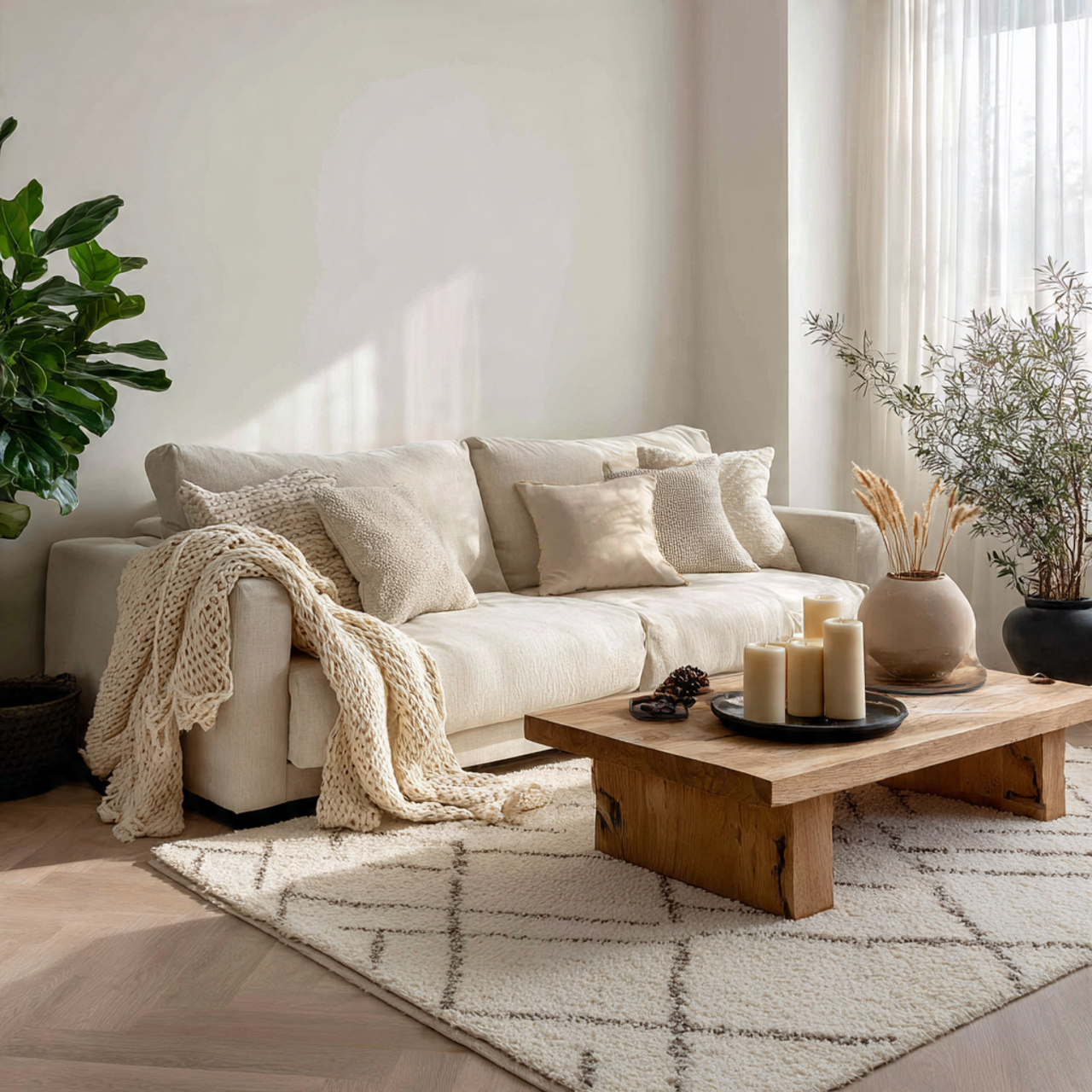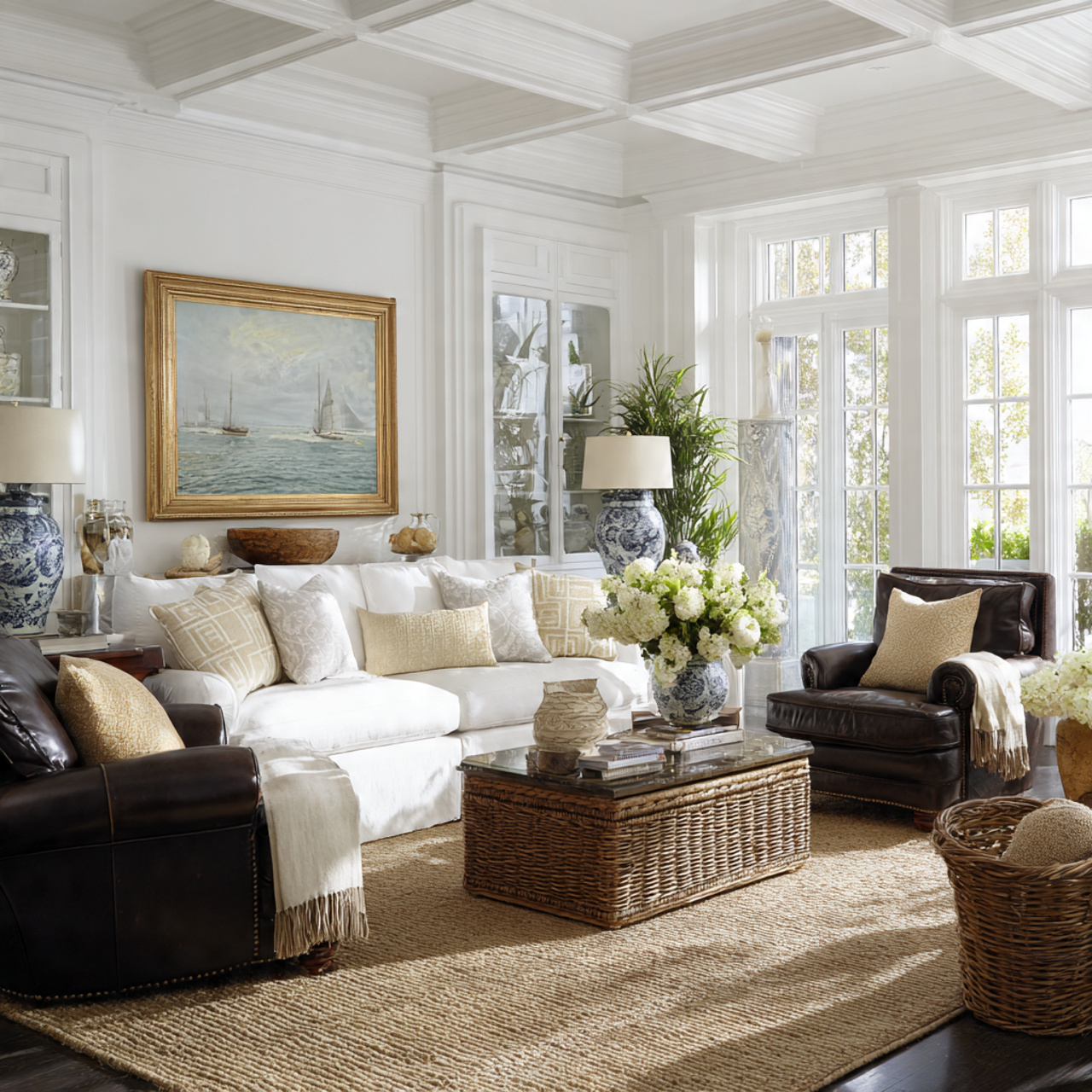
Best Types of Interior Design Styles to Transform Your Home
Types of Interior Design Styles are vast and varied, offering endless possibilities for homeowners looking to express their unique personalities through their living spaces. Whether you are drawn to the clean lines of minimalism or the cozy warmth of rustic aesthetics, understanding the fundamental characteristics of each style is the first step toward creating a cohesive home.
Navigating the world of decor can feel overwhelming, but breaking down the options helps clarify your vision and streamlines the decorating process significantly. By exploring the history, key elements, and visual markers of these different categories, you can confidently select furniture, color palettes, and accessories that harmonize perfectly to build your dream environment.
Exploring Popular Types of Interior Design Styles
When diving into the many Types of Interior Design Styles available today, it becomes clear that our environments have a profound impact on our mood and daily productivity. From the structured elegance of traditional layouts to the free-spirited nature of bohemian enclaves, each design approach offers a distinct narrative that transforms a house into a home.
Choosing the right aesthetic involves more than just picking pretty colors; it requires an understanding of how form, function, and feeling intersect within a space. As we explore these twenty-seven distinct categories, consider how the textures, lighting, and spatial arrangements of each style might align with your lifestyle and personal preferences for comfort and beauty.
Minimalist Interior Design
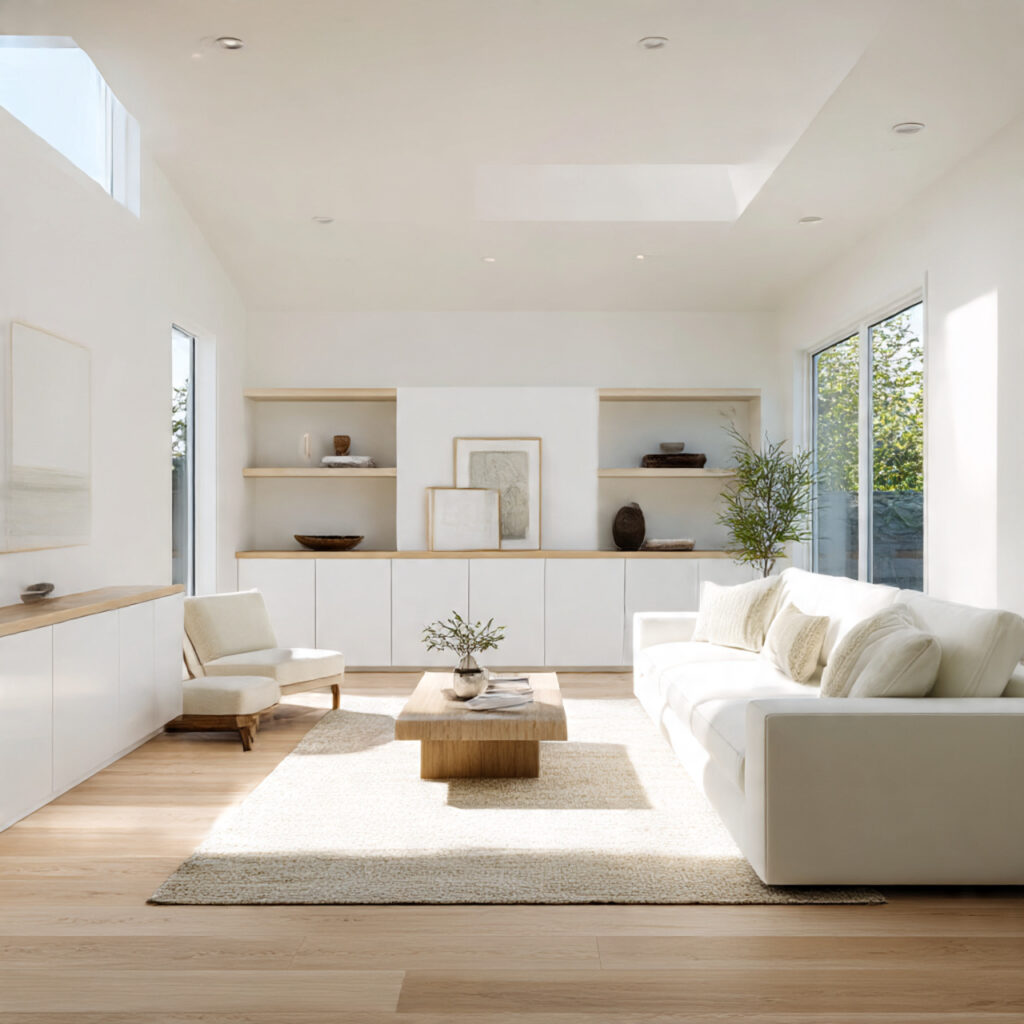
Minimalism is defined by a strict adherence to simplicity, where every item in the room serves a distinct purpose and clutter is entirely eliminated. The color palette is typically monochromatic, utilizing whites, beiges, and greys to create a sense of airy openness and tranquility that defines the space. As one of the foundational Types of Interior Design Styles, it sets a benchmark for modern aesthetics.
Furniture lines are clean and unadorned, often featuring low profiles and hidden storage solutions to maintain the visual silence of the room. This style prioritizes quality over quantity, focusing on a few statement pieces with exceptional craftsmanship rather than an abundance of decorative accessories or knick-knacks.
Contemporary Home Decor
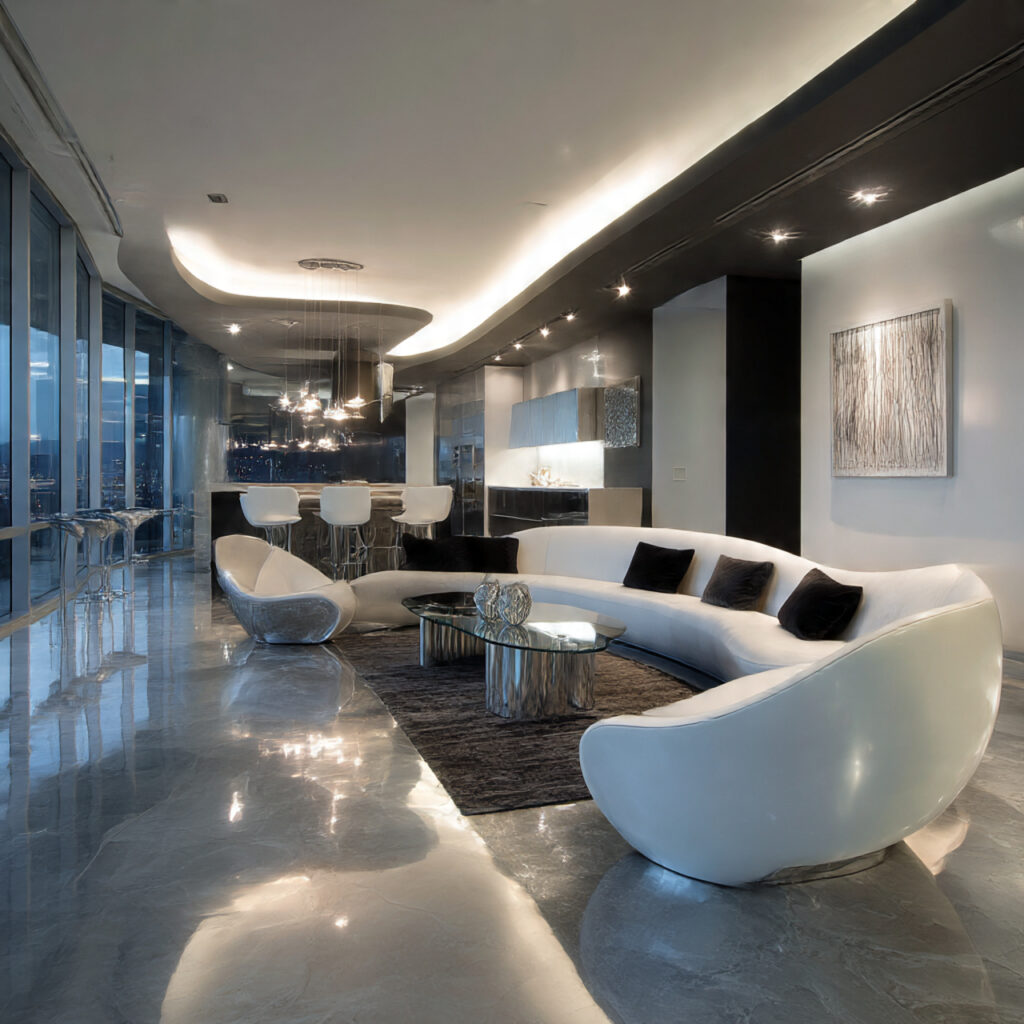
Contemporary design is often confused with modern design, but it specifically refers to the trends that are happening right now in the current moment. It is fluid and ever-changing, often incorporating curving lines, non-traditional shapes, and a bold use of contrast that distinguishes it from other eras. This is one of the most dynamic Types of Interior Design Styles because it constantly evolves with current trends.
Materials in contemporary spaces often include glass, metal, and stone, which are used to create a sophisticated and polished atmosphere that feels very “of the moment.” While it respects minimalism, contemporary decor is more willing to embrace decorative elements and stark contrasts in texture to create visual interest.
Traditional Design Elements
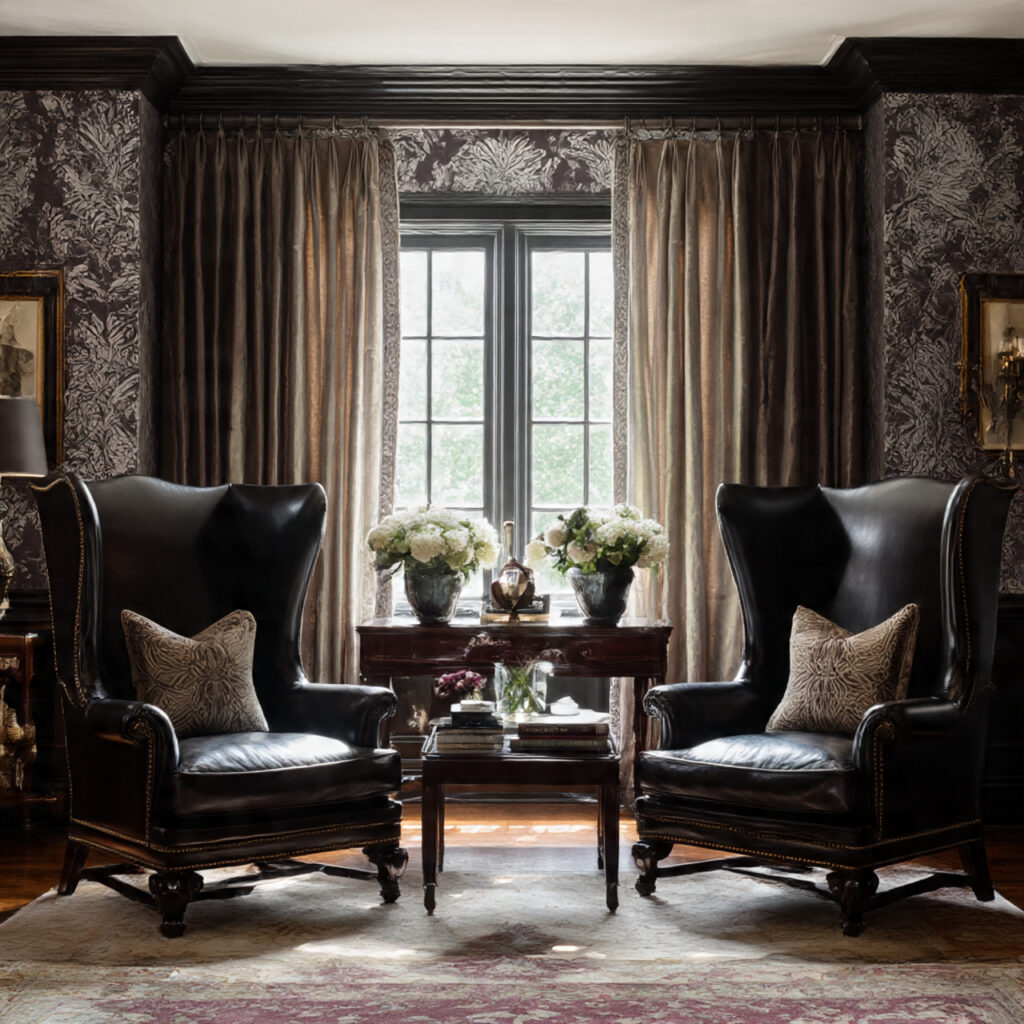
Traditional interior design is deeply rooted in European sensibilities, drawing inspiration from the 18th and 19th centuries to create spaces that feel timeless and orderly. It features dark, rich wood tones, elaborate moldings, and classic furniture shapes like wingback chairs and claw-foot tables that exude a sense of history. It remains one of the most recognizable Types of Interior Design Styles globally.
Symmetry is a key component of this style, with furniture often arranged in matching pairs to create a balanced and predictable layout that feels comforting. Fabrics are typically luxurious and heavy, such as silk, velvet, and brocade, often featuring classic patterns like damask, florals, or stripes.
Transitional Living Spaces
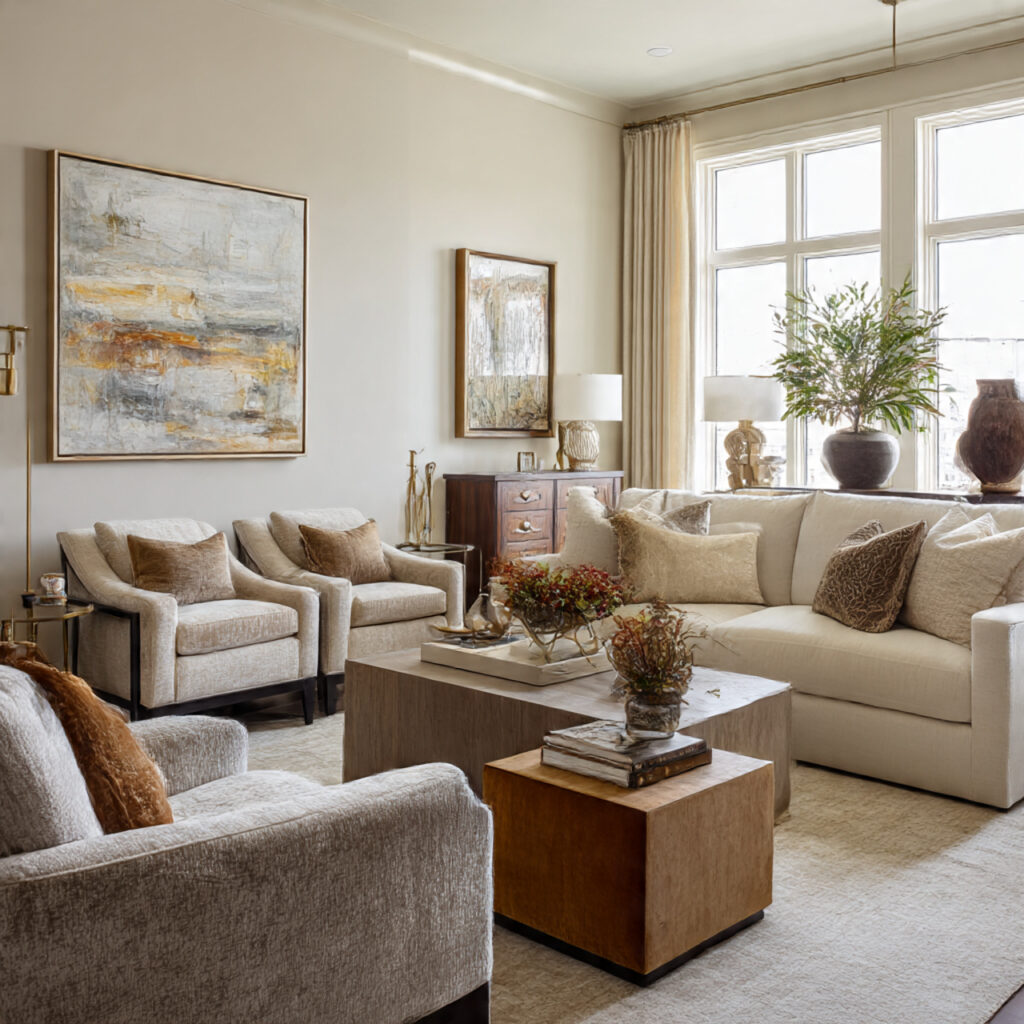
Transitional design is the perfect marriage between traditional elegance and contemporary cool, making it one of the most popular choices for modern households. It balances the comfort and warmth of traditional design with the clean profiles and understated colors of contemporary styles. This balanced approach makes it one of the most sought-after Types of Interior Design Styles for new homes.
The result is a sophisticated and timeless look that feels neither too stuffy nor too cold, offering a “best of both worlds” solution. Textures play a huge role here, using tactile fabrics like chenille and suede to add depth to a neutral color palette without overwhelming the senses.
Rustic Home Aesthetics
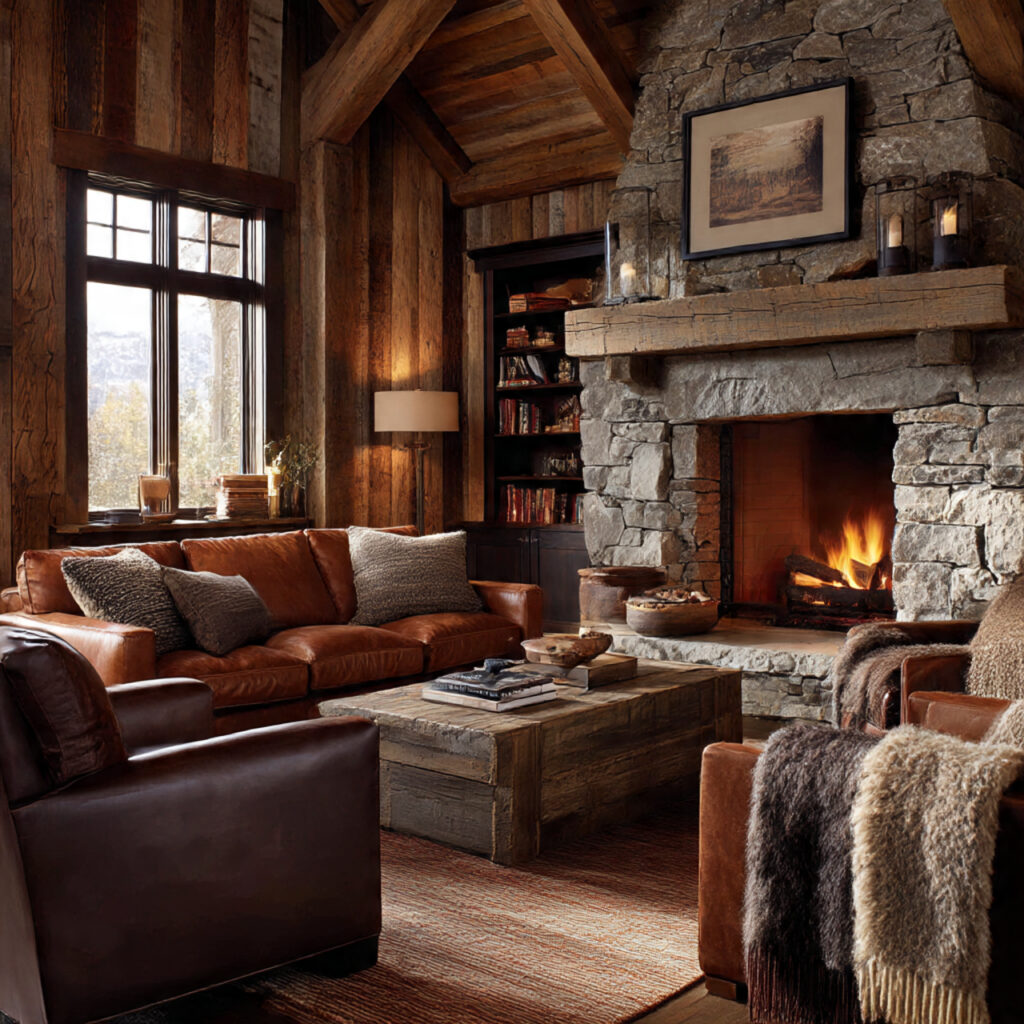
Rustic interior design emphasizes natural, rugged beauty and is heavily influenced by the outdoors, often incorporating raw and unfinished elements. It celebrates the art of repurposing, frequently featuring reclaimed wood, stone, and metal to create a warm, unpretentious atmosphere. Among the Types of Interior Design Styles, Rustic is highly valued for its inherent warmth and connection to nature.
Comfort is king in rustic spaces, with oversized leather furniture, cozy wool throws, and handmade accessories that invite you to sit down and relax. The color palette is drawn directly from nature, utilizing deep browns, greens, and warm grays to maintain a grounded and earthy feel throughout the home.
French Country Charm
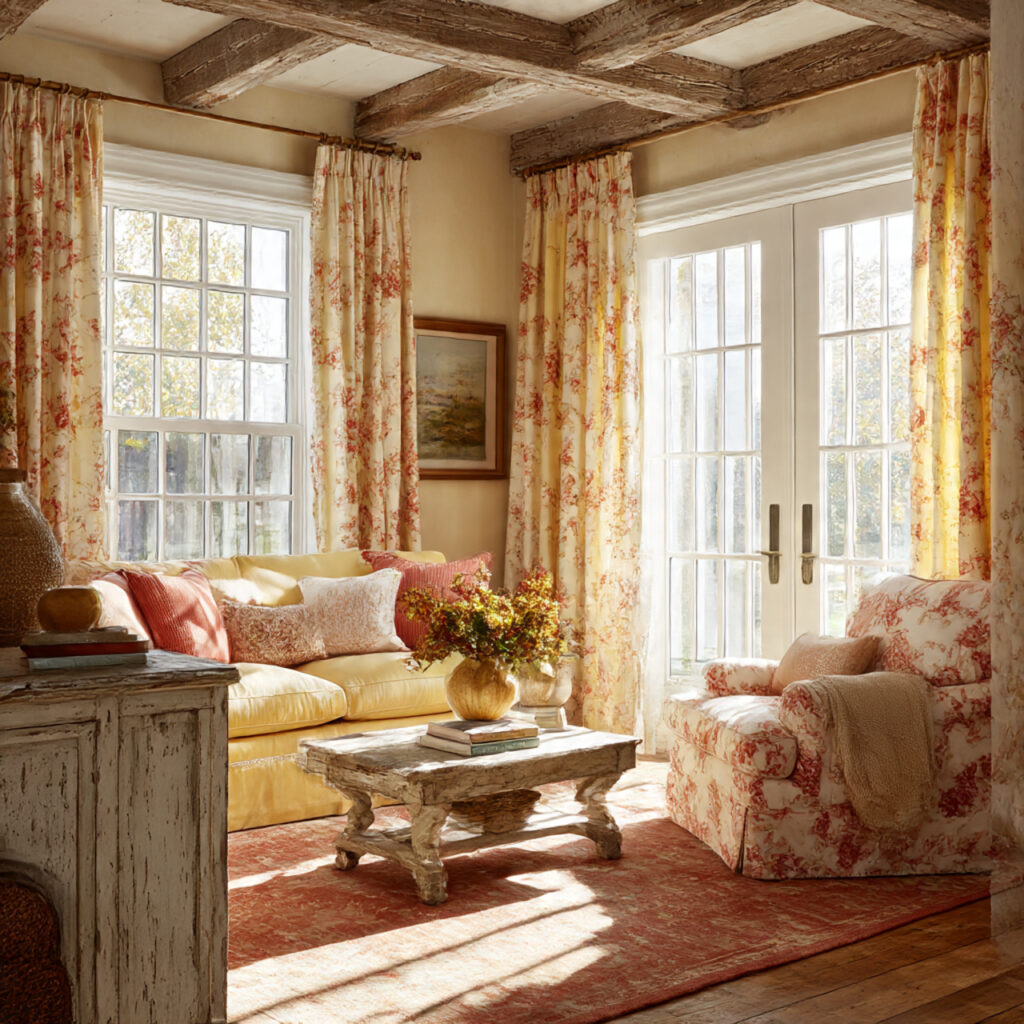
French Country style strikes a delicate balance between elegance and humility, drawing inspiration from the farmhouse aesthetic of the French countryside. It features soft, warm colors like sunny yellows, soft golds, and terracottas, mixed with natural materials like stone and rough-stained wood.
Toile fabrics and floral prints are staples of this look, often used on curtains, upholstery, and bedding to add a touch of pattern and whimsy. The furniture often has a distressed or weathered finish, suggesting that it has been loved and used for generations, adding to the home’s inviting character.
Shabby Chic Decor
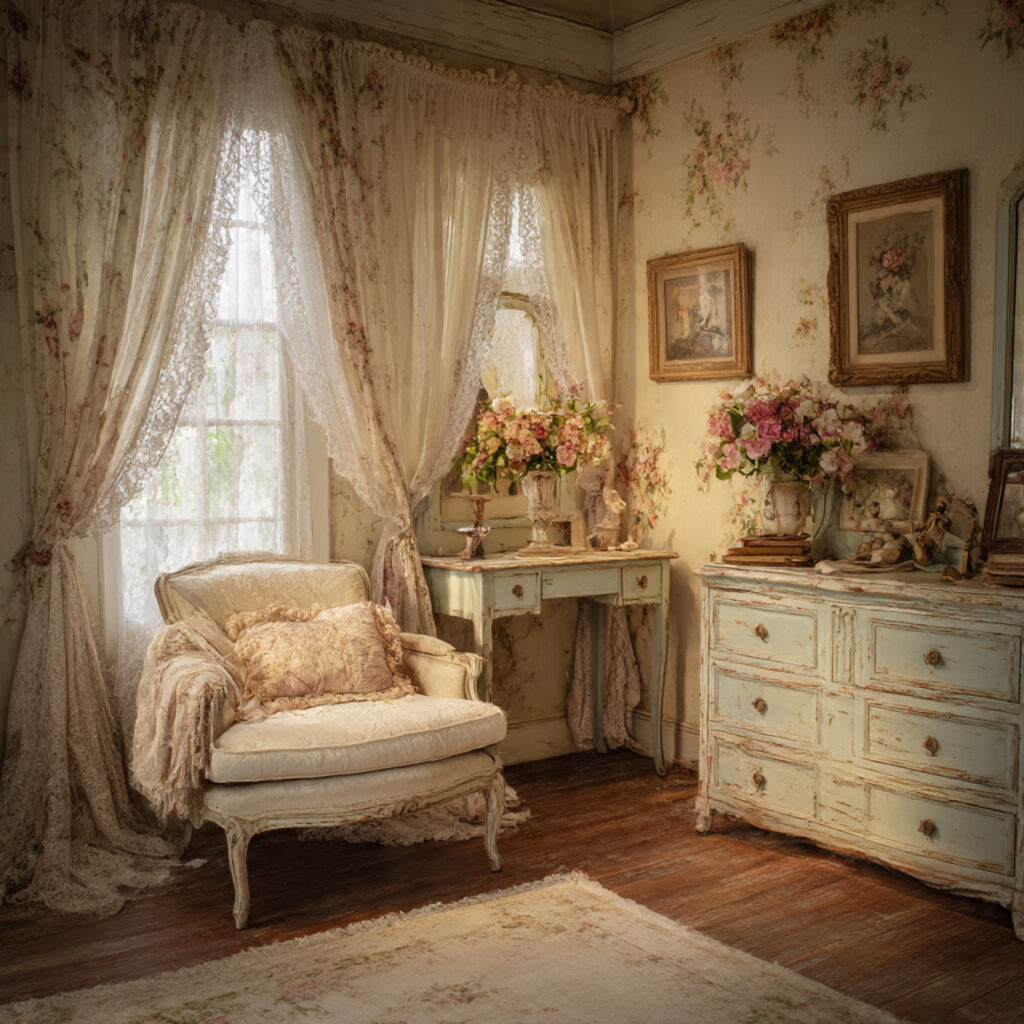
Shabby Chic is a vintage-inspired style that is undeniably feminine, soft, and romantic, often characterized by a lived-in and aged appearance. Furniture is typically painted in white or pastel hues and then heavily distressed to reveal the wood underneath, creating a sense of antique charm. This soft, romantic approach distinguishes it from other Types of Interior Design Styles that prioritize sharp modern edges.
The decor leans heavily on floral motifs, lace, and ruffles, creating a cozy and nostalgic environment that feels very personal and safe. It celebrates imperfection, where chipped paint and mismatched china are seen as beautiful assets rather than flaws to be fixed.
Coastal Interiors
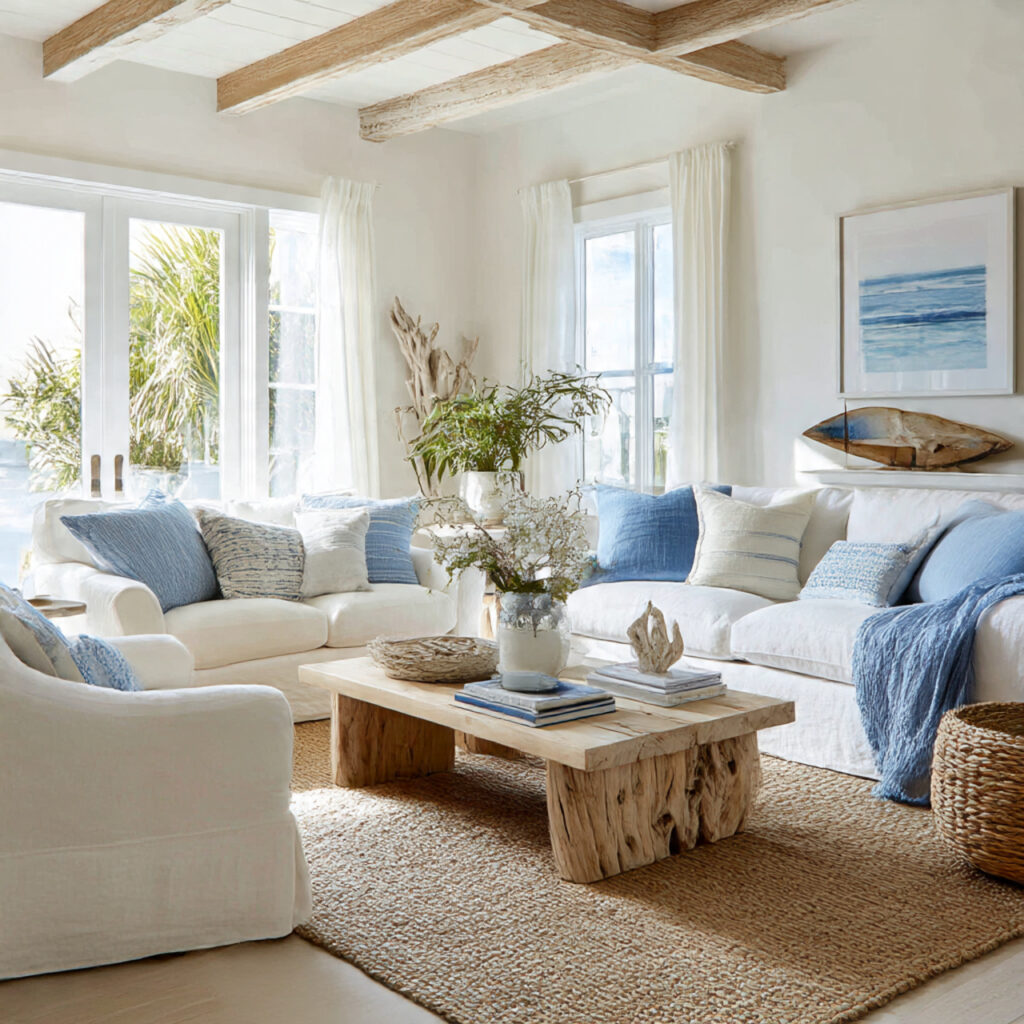
Coastal interior design is not just for beach houses; it brings the light, breezy, and relaxed vibe of the ocean into any home regardless of location. The color palette is dominated by whites, blues, and sandy beiges, aiming to blur the line between the indoors and the outdoors. As far as Types of Interior Design Styles go, Coastal is perfect for creating a relaxed, permanent vacation feel.
Natural light is maximized through sheer window treatments, while materials like jute, sisal, and linen add texture without weighing down the space. Accessories often include driftwood, sea glass, and nautical elements, though modern interpretations keep these thematic touches subtle rather than kitschy.
Hollywood Regency Glamour
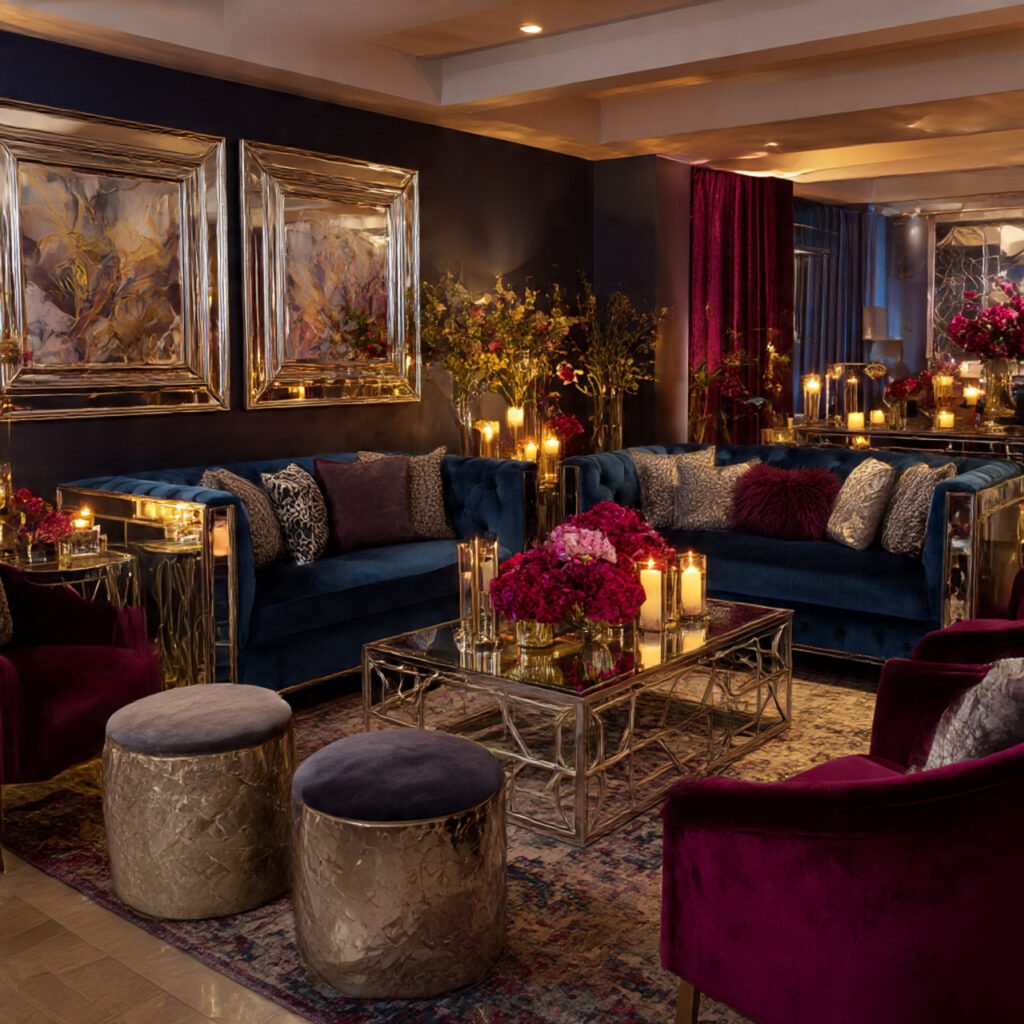
Hollywood Regency is all about glitz, glamour, and opulence, harkening back to the golden age of cinema in the 1930s. It encourages the use of high-contrast color combinations, such as black and white, paired with bold jewel tones like emerald green or royal purple.
This style loves shiny surfaces, incorporating plenty of mirrored furniture, lacquered finishes, and metallic accents to bounce light around the room. It is a style meant for entertaining, prioritizing lavish fabrics like velvet and fur to create a sense of drama and luxury.
Scandinavian Design Principles
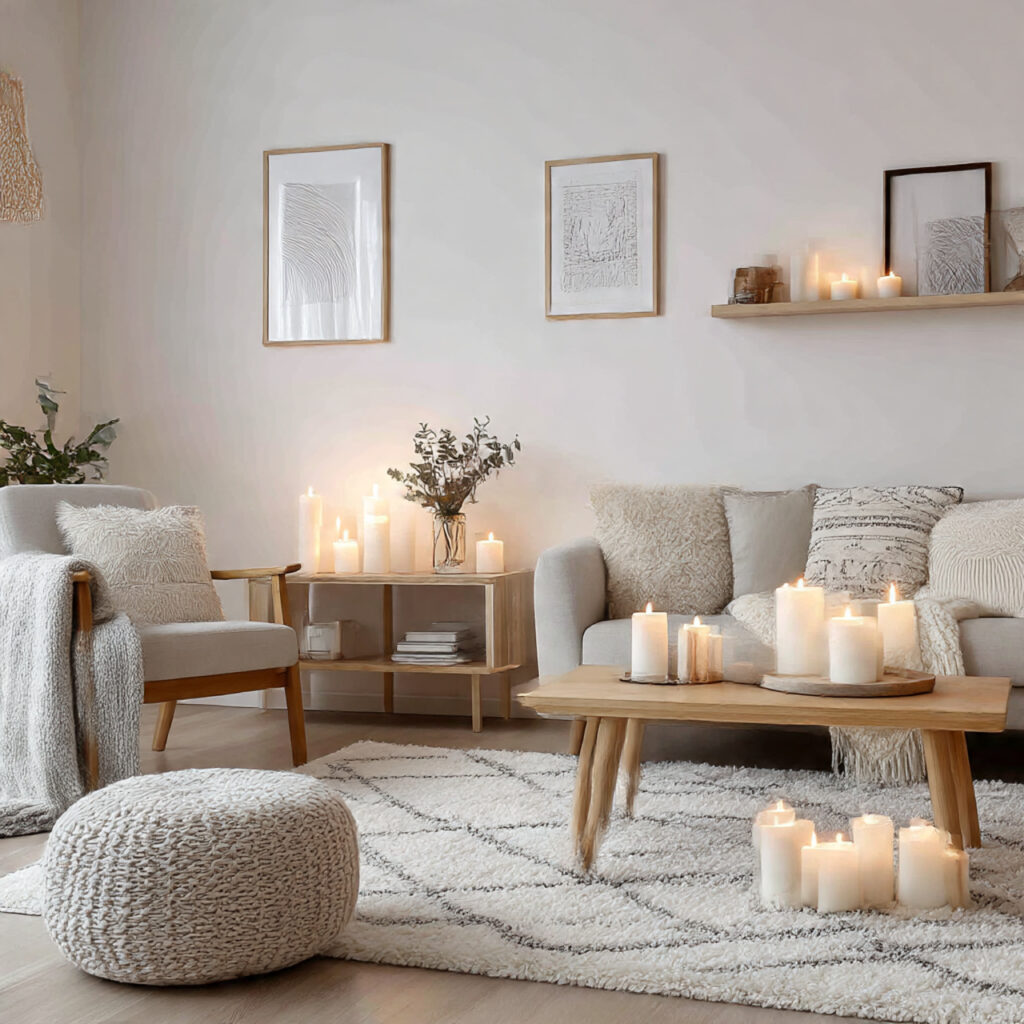
Scandinavian design is renowned for its functionality, simplicity, and connection to natural elements, originating from the Nordic countries. It utilizes a stark white base palette to maximize light, accented by soft greys, blacks, and light wood tones like ash and beech. Among all the Types of Interior Design Styles, this one excels at maximizing light and promoting cozy living (Hygge).
Hygge, a Danish concept of coziness, is central to this style, achieved through the use of soft textiles, candles, and a clutter-free layout. Furniture is sleek and sculptural but always prioritizes comfort and utility, ensuring the space is livable and practical.
Urban Modern Lofts
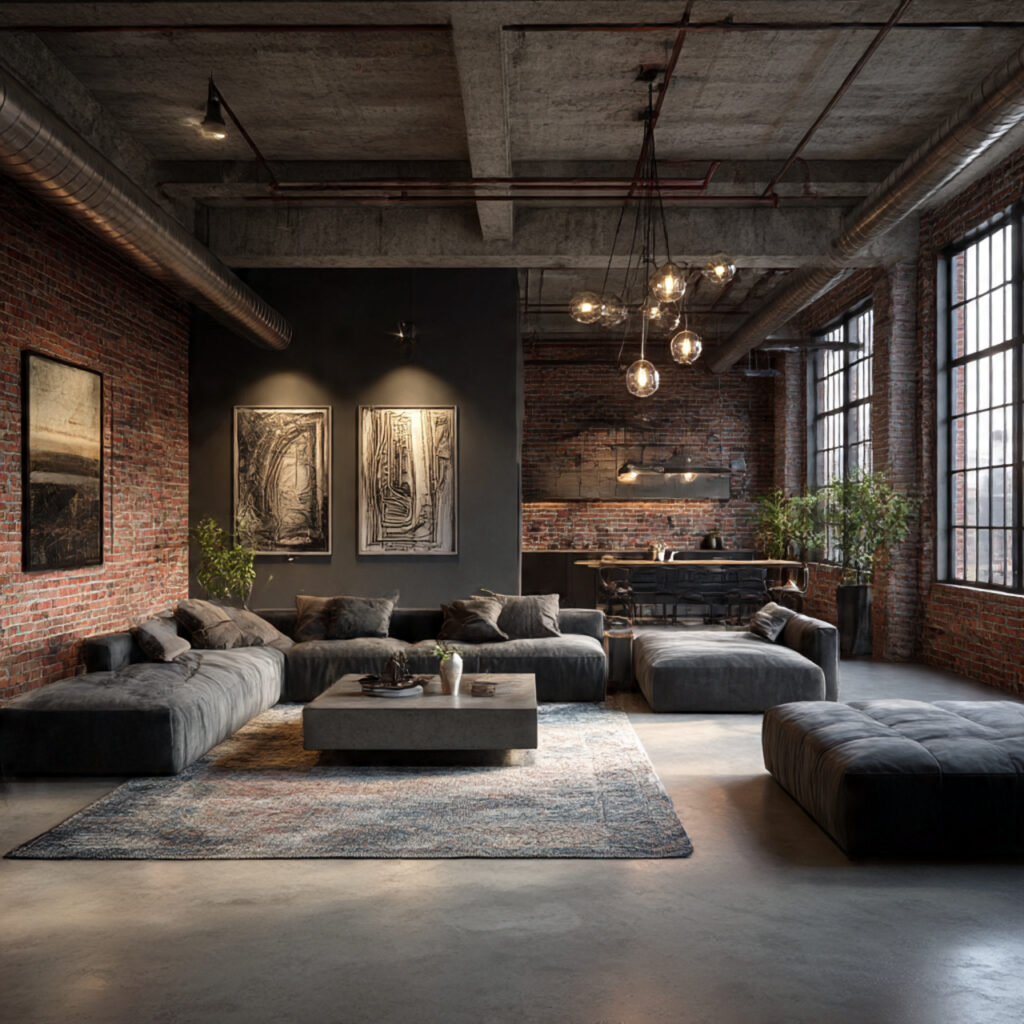
Urban Modern design is the ultimate city-slicker style, fusing industrial influences with contemporary chic to create a cosmopolitan vibe. It often features architectural elements like exposed brick, ductwork, or concrete floors, softened by plush rugs and comfortable seating.
The furniture tends to be larger in scale to fill open floor plans, with a focus on low-profile sofas and sleek media units. Lighting is a major statement maker in this style, often utilizing large, artistic fixtures that serve as focal points in the high-ceilinged spaces.
Bohemian Design Vibe
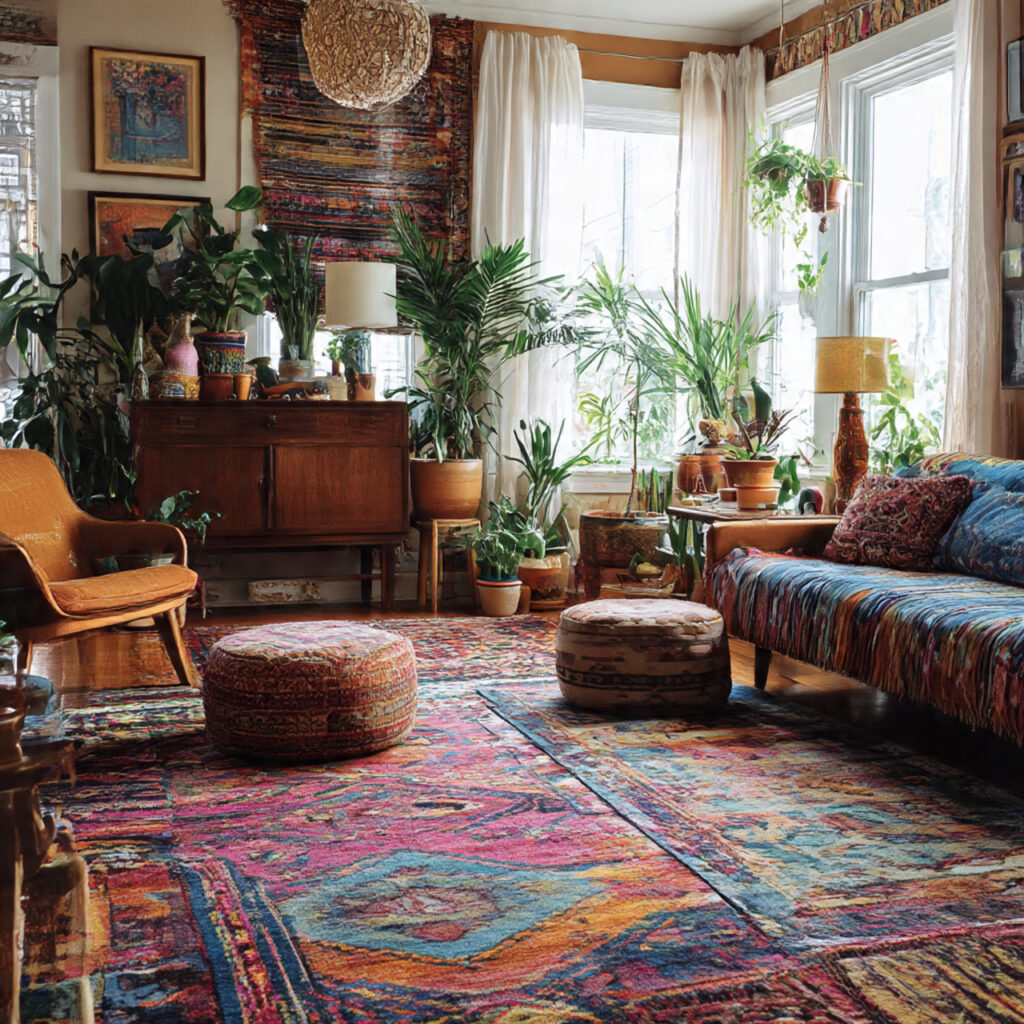
Bohemian, or “Boho,” style is for those who want their homes full of life, culture, and interesting items for all the world to see. It embraces a carefree, relaxed, and unusual approach to decorating, often mixing vintage furniture with global textiles and travel souvenirs.
There are no strict rules in boho design; layering is key, with rugs often placed on top of other rugs and pillows piled high on seating. Plants are essential to this aesthetic, breathing life into the space and complementing the warm, earthy, and metallic tones often found in the decor.
Mid-Century Modern Architecture
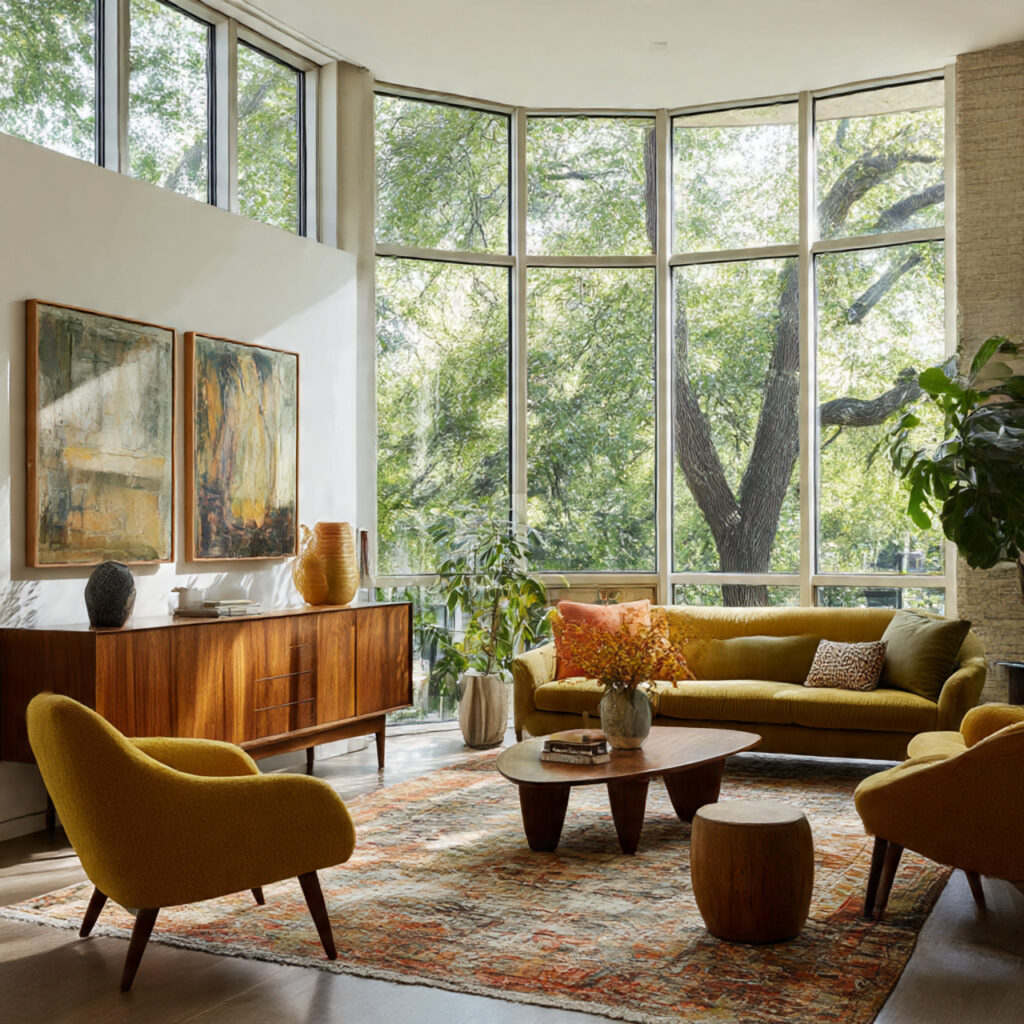
Mid-Century Modern is a throwback to the design trends of the mid-1940s to 1970, characterized by clean lines, organic curves, and a love for different materials. It marked a departure from traditional stuffiness, introducing open floor plans and large windows to bring the outdoors in.
Furniture from this era is iconic, often featuring tapered legs and combining natural wood with man-made materials like plastic and vinyl. The color palette ranges from neutral to bold, often using colors like mustard yellow, olive green, and burnt orange as vibrant accents.
Industrial Design Features
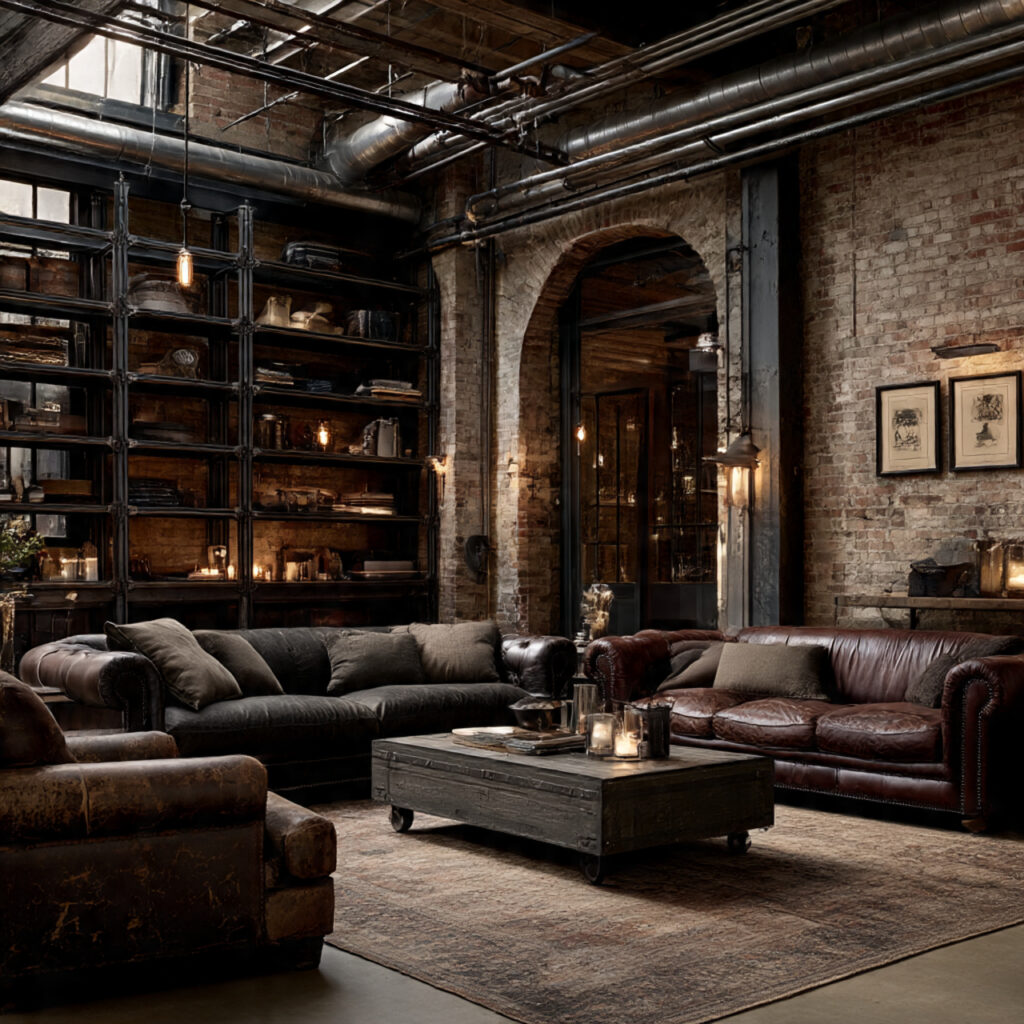
Industrial design draws inspiration from old factories and industrial spaces, celebrating the raw, unfinished look of building materials. It proudly displays elements that other styles try to hide, such as exposed pipes, beams, and brickwork. Compared to other Types of Interior Design Styles, Industrial is unique in its deliberate choice to celebrate raw, unfinished materials.
The color scheme is generally neutral and moody, relying on greys, blacks, and rustic wood tones to set a masculine and edgy tone. Metal is a primary material, often found in light fixtures, bar stools, and shelving units, pairing perfectly with worn leather upholstery.
Eclectic Style Mixing
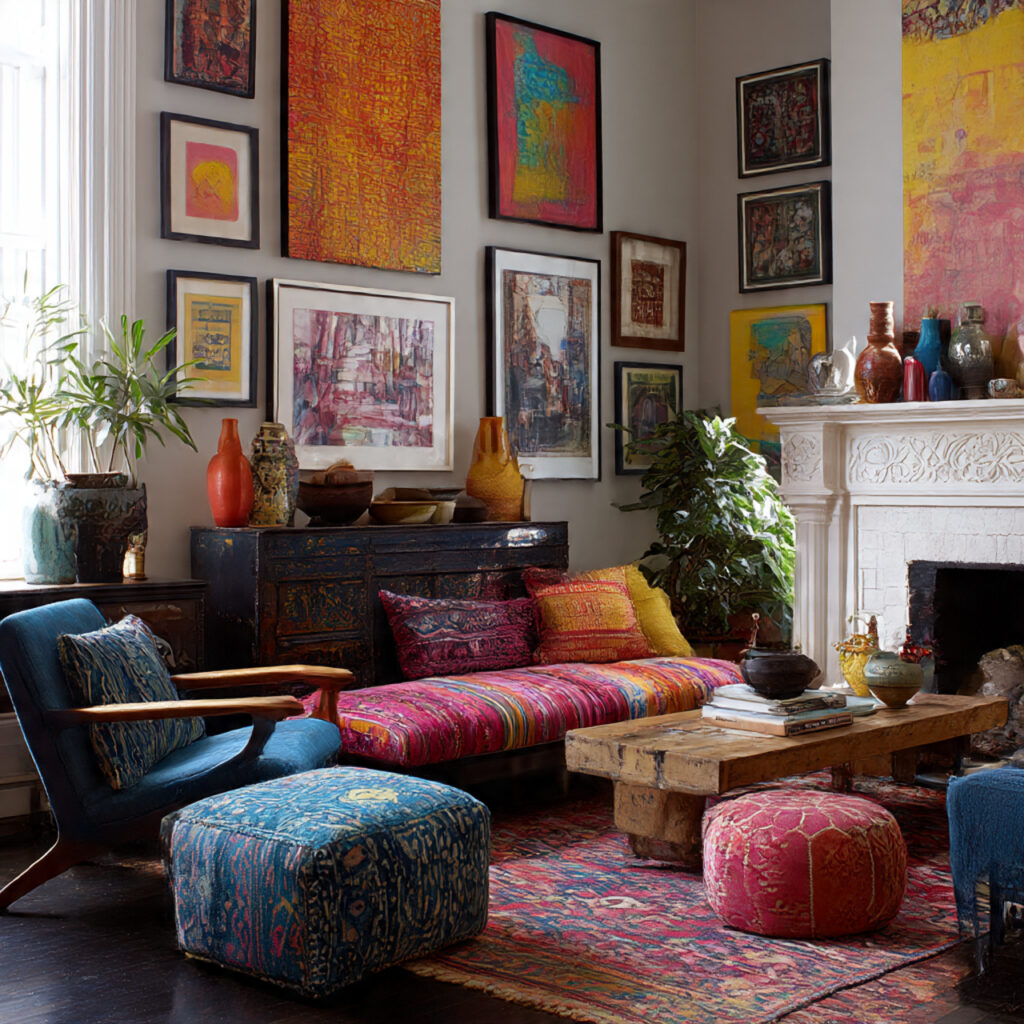
Eclectic style is a purposeful and curated mix of different time periods, styles, textures, and colors to create a unique and personalized space. It is not an assortment of random clutter but a careful balancing act that requires a keen eye to ensure the disparate elements work together.
A unifying element, such as a specific color or texture, is usually employed to tie the various pieces together and prevent chaos. This style allows for the ultimate freedom of expression, letting you combine a modern sofa with a Persian rug and antique artwork.
Visit Also : Boho Christmas Decor
Modern Farmhouse Look
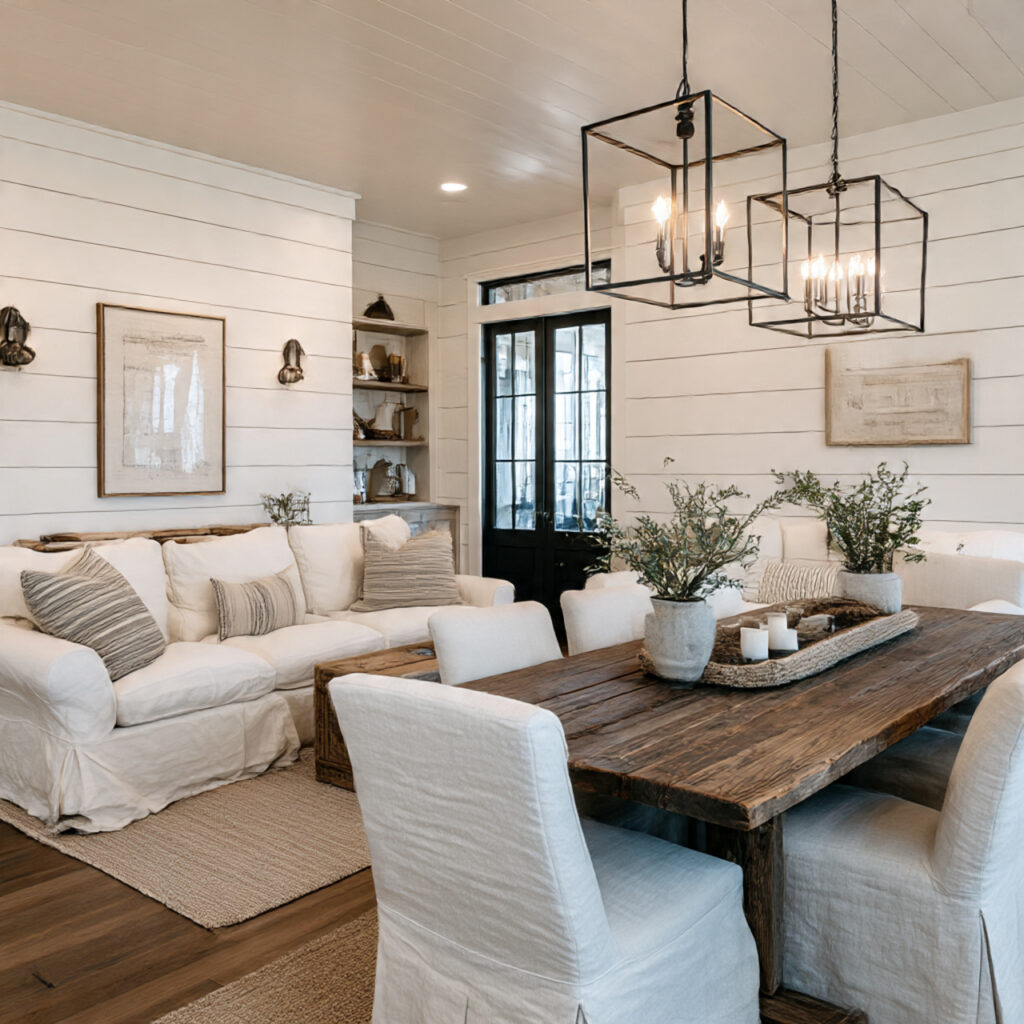
Modern Farmhouse takes the comfortable, relaxed farmhouse style and adds modern touches like smooth lines, glossy accents, and neutral color schemes. It is less rustic than the traditional farmhouse look, utilizing more contemporary lighting and stainless steel appliances. This combination of old comfort and new simplicity makes it one of the most universally appealing Types of Interior Design Styles.
Shiplap paneling is a hallmark of this style, often used on walls to add texture and interest without overwhelming the white-washed palette. The furniture is practical and sturdy, often featuring large dining tables and slipcovered sofas that invite family gathering.
Art Deco Elegance
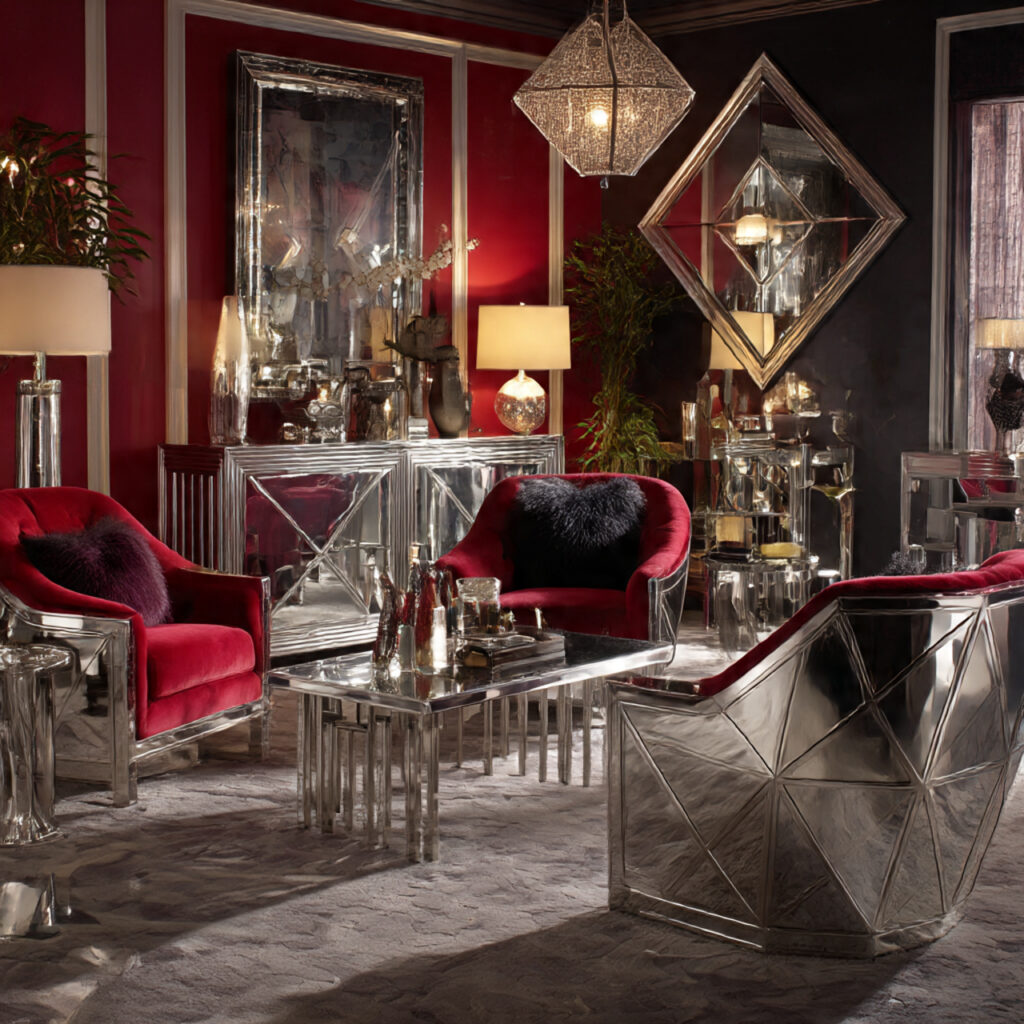
Art Deco is an iconic style from the 1920s and 30s that symbolizes luxury, glamour, and exuberance through bold geometric shapes and rich colors. It features streamlined furniture with curved fronts, mirrors, and chrome hardware that feels incredibly polished and expensive. With its rich history and dramatic flair, Art Deco is among the most opulent Types of Interior Design Styles.
Motifs like sunbursts, chevrons, and zigzags are common in wallpapers, textiles, and architectural details, adding a sense of rhythm to the room. Materials are lavish, often incorporating exotic woods, ebony, marble, and even animal skins to create a high-impact visual experience.
Asian Zen Tranquility
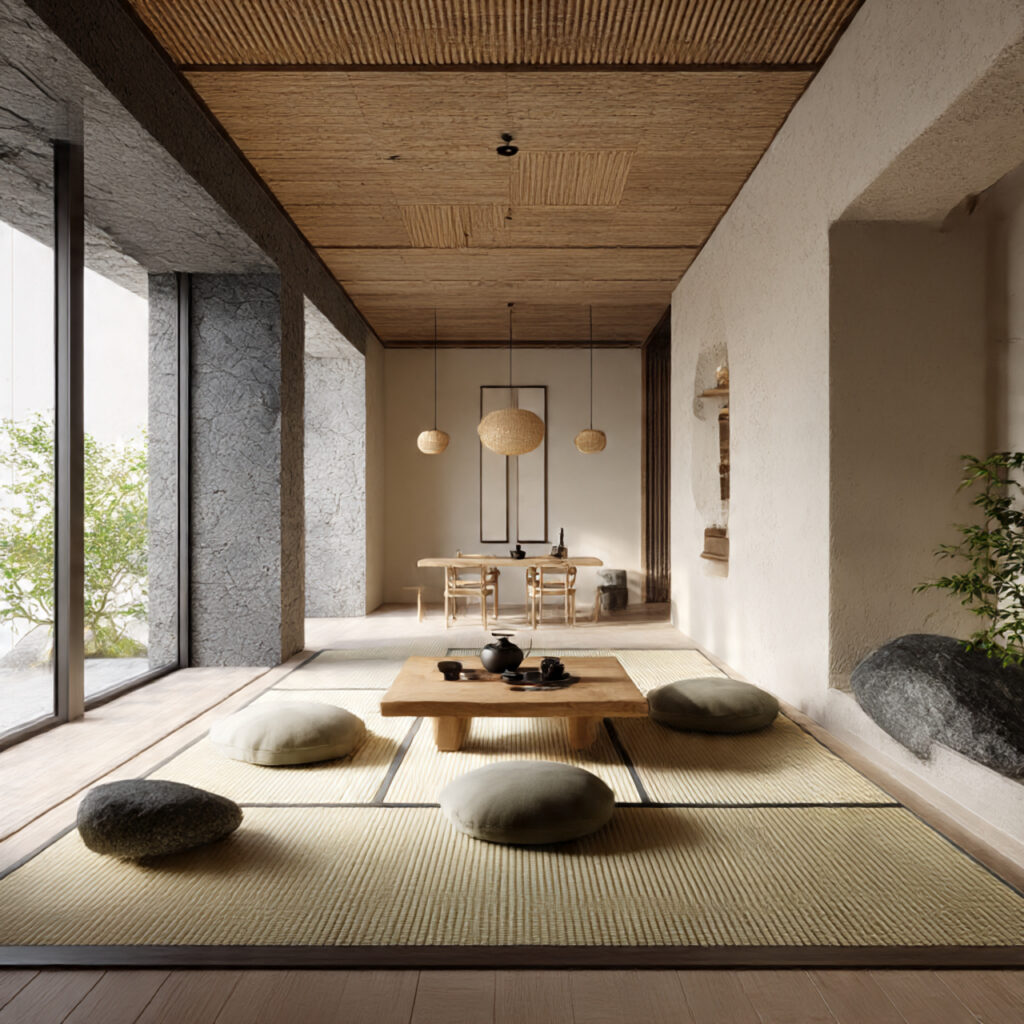
Asian Zen interior design focuses on creating a sense of harmony, balance, and peace, drawing heavily from Japanese and Chinese traditions. It emphasizes an uncluttered lifestyle, utilizing clean lines and open floor plans to allow positive energy to flow freely. Of all the Types of Interior Design Styles, this one is centered purely on tranquility and balance.
Natural materials like bamboo, stone, and wood are essential, creating a connection to nature that is central to the Zen philosophy. The color palette is soft and neutral, often featuring water-inspired blues and greens to promote relaxation and mental clarity.
Southwestern Desert Style
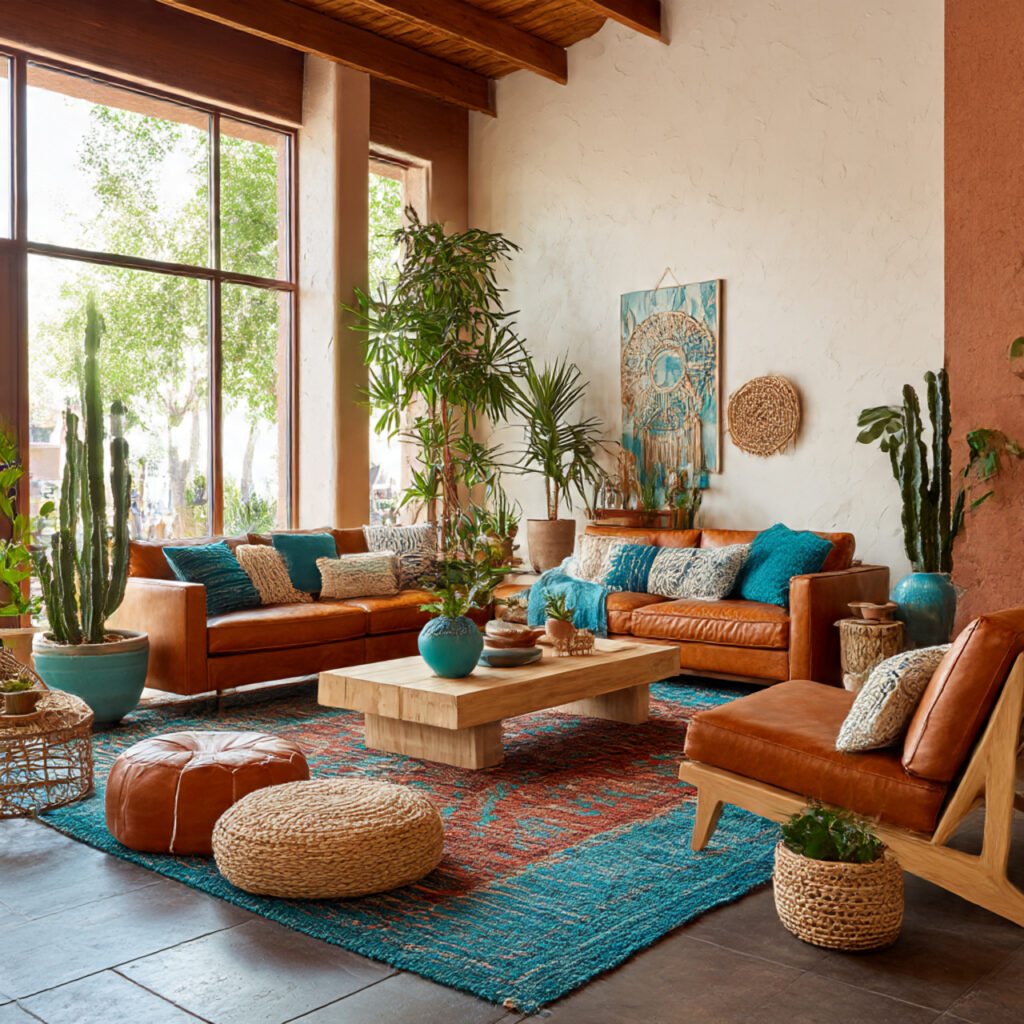
Southwestern style captures the spirit of the American desert, blending Native American, Spanish, and Mexican design influences. It features a warm, earth-tone color palette with splashes of turquoise, terracotta, and sunset orange.
Textiles play a huge role, with woven rugs, tapestries, and pillows featuring geometric patterns adding vibrancy to the space. Materials like leather, suede, and wrought iron are commonly used, alongside cactus plants and pottery to complete the desert aesthetic.
Victorian Era Design
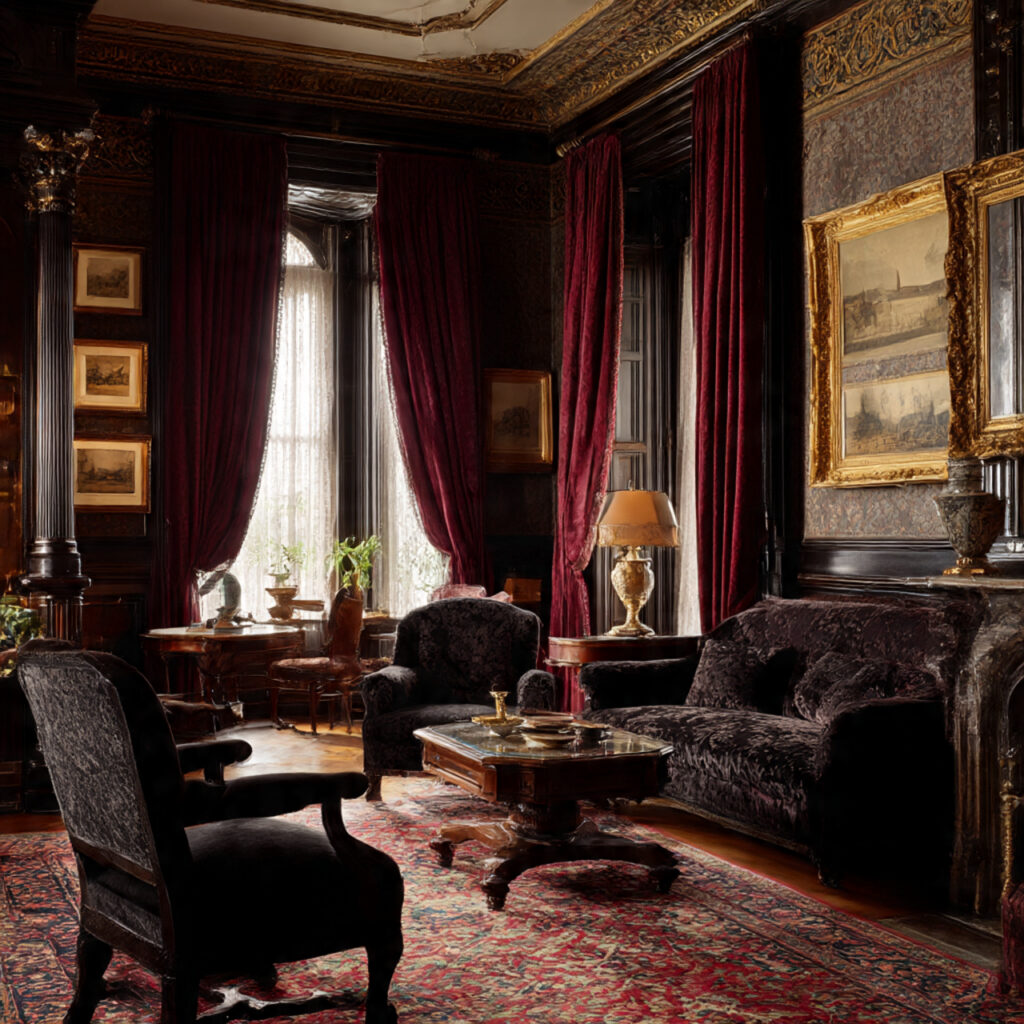
Victorian design is steeped in the excesses of the 19th century, characterized by ornate details, rich colors, and a “more is more” philosophy. Rooms are typically filled with heavy furniture, elaborate drapery, and an abundance of decorative accessories.
Dark woods like mahogany and walnut are prevalent, carved into intricate shapes and often topped with marble. The color palette is deep and dramatic, featuring ruby reds, forest greens, and navy blues that create a moody and sophisticated atmosphere.
Maximalist Decor
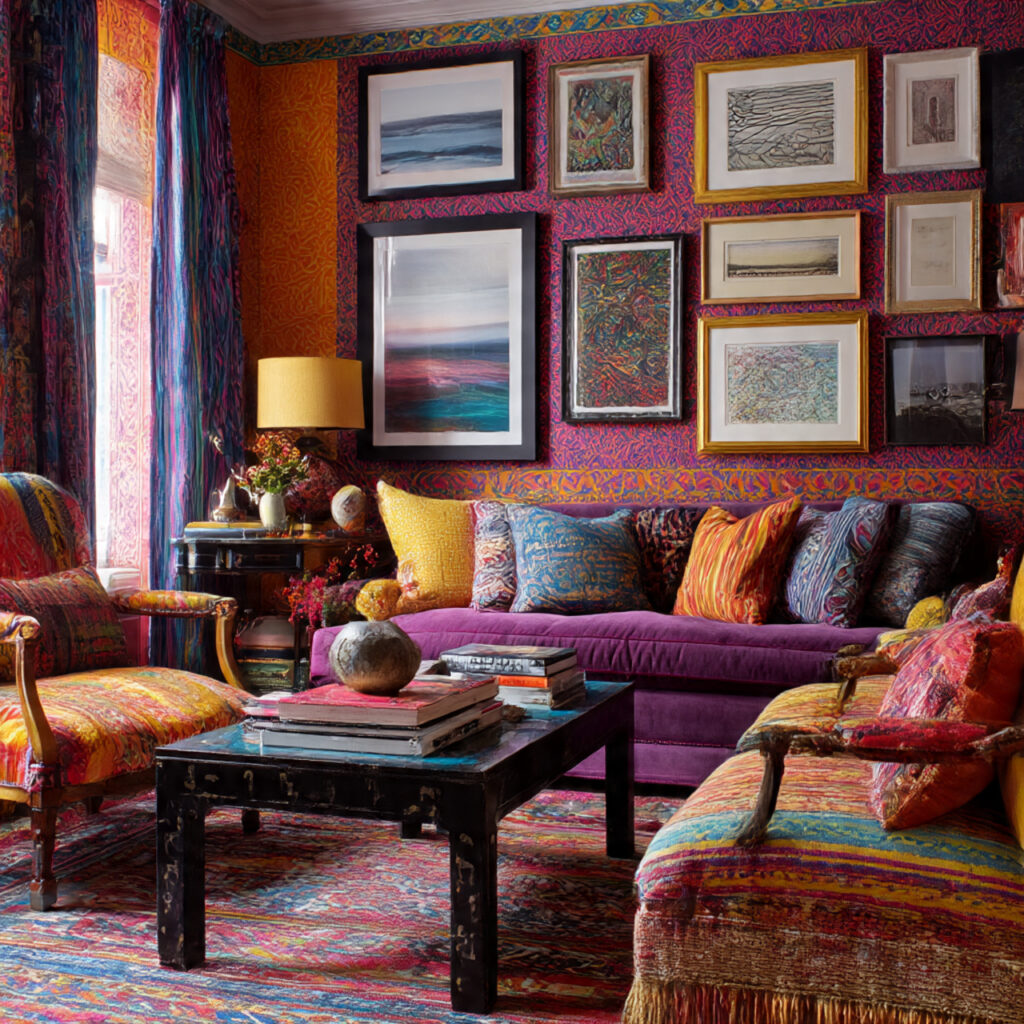
Maximalism is the loud and proud reaction to minimalism, encouraging you to utilize your space to the fullest with bold colors, patterns, and textures. It is not about clutter, but about curation, displaying collections and art in a way that covers every surface with interest. This bold philosophy makes it stand out among all other Types of Interior Design Styles.
This style allows for a high degree of personalization, mixing eras and styles with abandon to create a space that tells a complex story. Wallpapers are often bold and graphic, and furniture is upholstered in vibrant, contrasting fabrics to create a feast for the eyes.
Mediterranean Style Homes
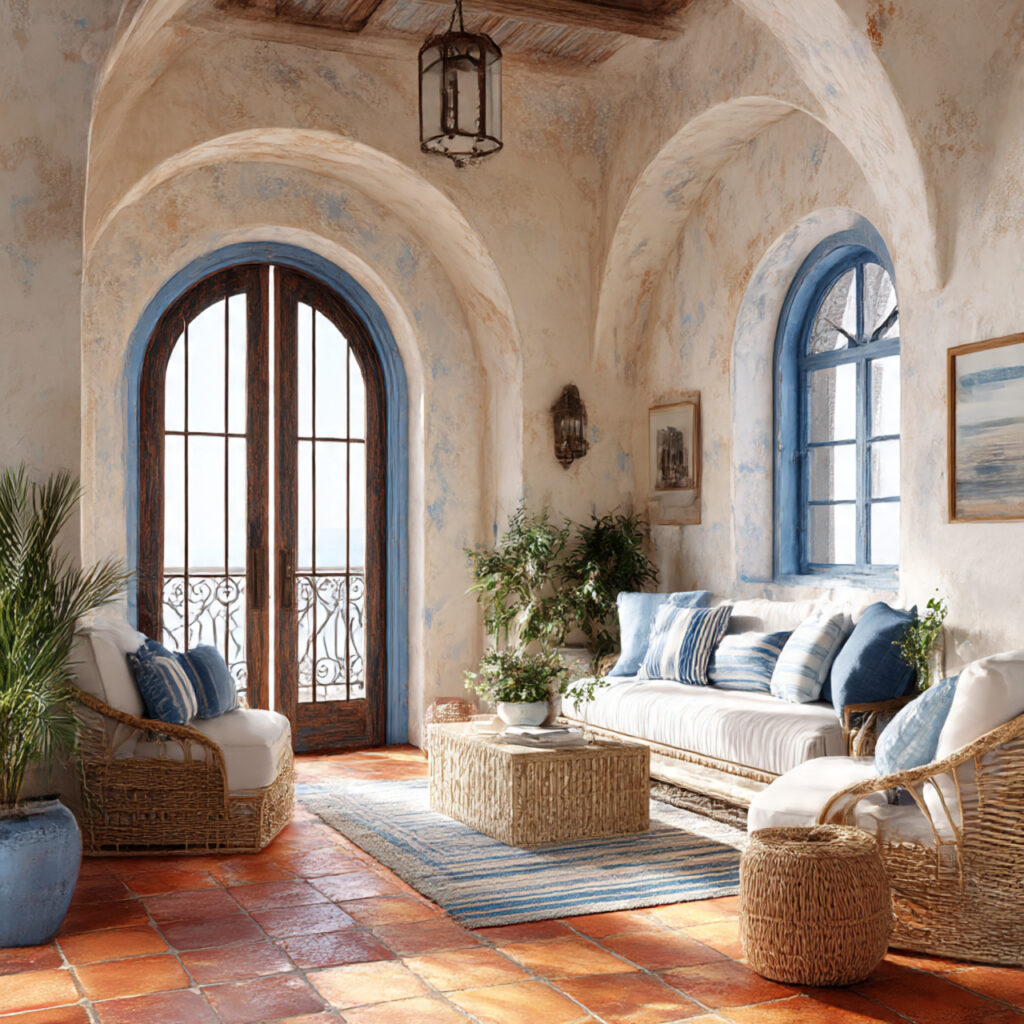
Mediterranean design brings the romance of Southern Europe into the home, characterized by arched doorways, wrought iron details, and textured walls. It emphasizes indoor-outdoor living, often featuring large patios or courtyards that serve as extensions of the living space.
Terra cotta tiles are a staple flooring choice, adding warmth and earthiness that grounds the airy, open rooms. The color palette mimics the sea and sky, using bright blues, crisp whites, and sunny yellows to create a cheerful and inviting environment.
Tropical Island Living
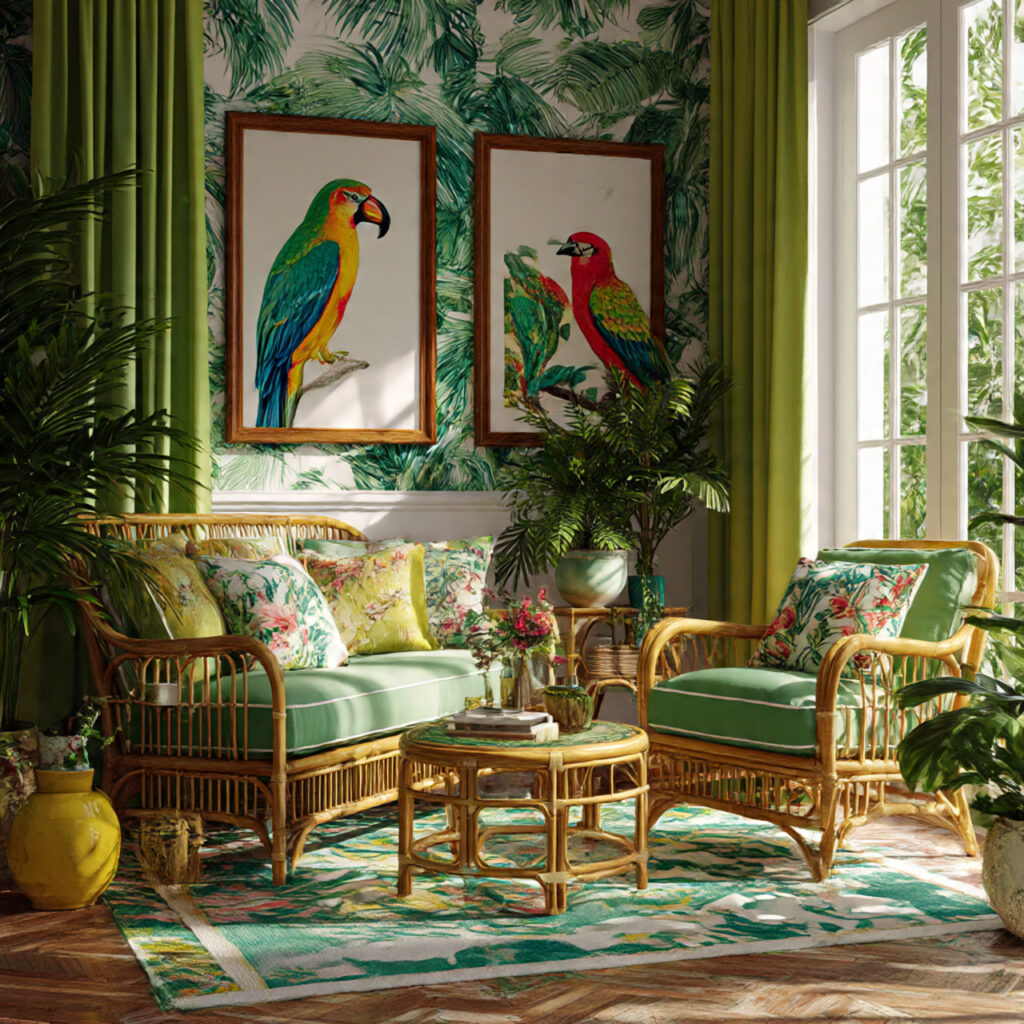
Tropical interior design is all about bringing the vacation vibe home, utilizing lush greenery, natural textures, and vibrant motifs. It often features prints of palm leaves, exotic birds, and flowers on wallpapers and fabrics to create an immersive jungle feel.
Furniture is typically made from rattan, bamboo, or wicker, keeping the look light and airy to combat the heat. The color palette is bold and juicy, combining greens, pinks, and teals to mimic the vibrant flora and fauna of the tropics.
Japandi Fusion Style
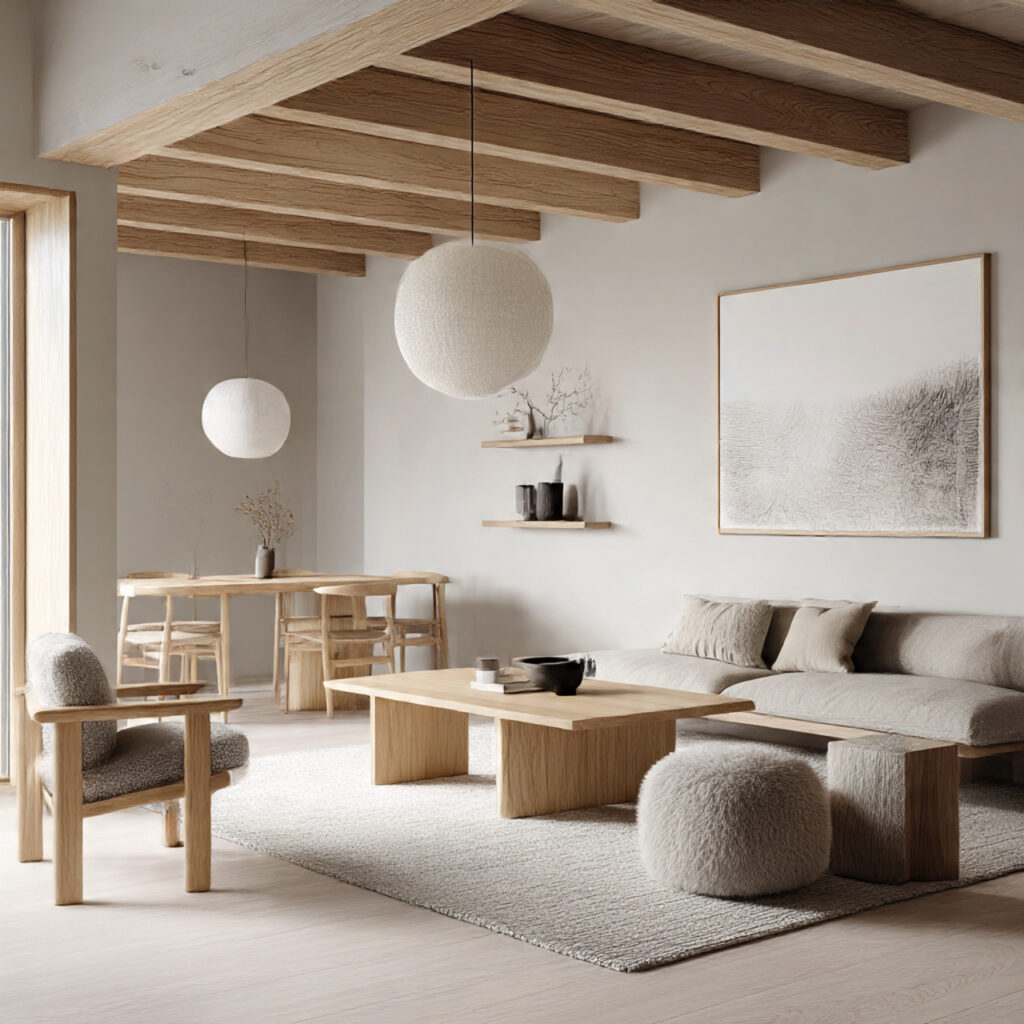
Japandi is a hybrid style that combines the rustic minimalism of Scandinavian design with the sleek functionality of Japanese aesthetics. It creates a perfect blend of function and form, focusing on clean lines, bright spaces, and light colors. This refined hybrid is quickly becoming one of the most important new Types of Interior Design Styles.
This style emphasizes sustainability and craftsmanship, often featuring handmade ceramics and solid wood furniture that is built to last. It avoids the coldness that can sometimes accompany minimalism by incorporating warm textures and natural elements.
Gothic Interior Architecture
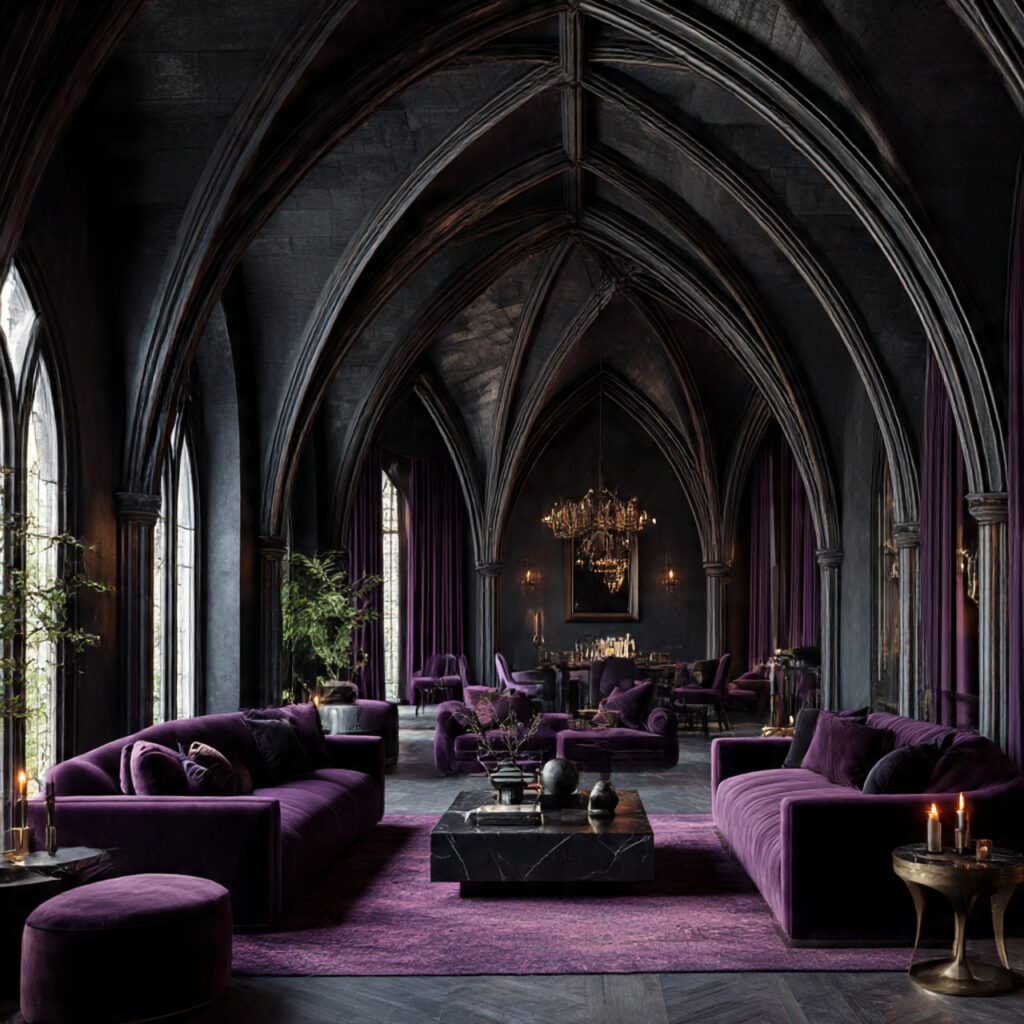
Gothic interior design is dramatic and ornate, often featuring pointed arches, ribbed vaults, and flying buttresses in its architectural elements. It creates a sense of grandeur and verticality, drawing the eye upward toward high ceilings and intricate chandeliers.
The atmosphere is moody and mysterious, utilizing dark colors like black, charcoal, and deep purple. Heavy fabrics like velvet and tapestry are used for curtains and upholstery, adding to the castle-like feeling of the space.
Bauhaus Design Movement
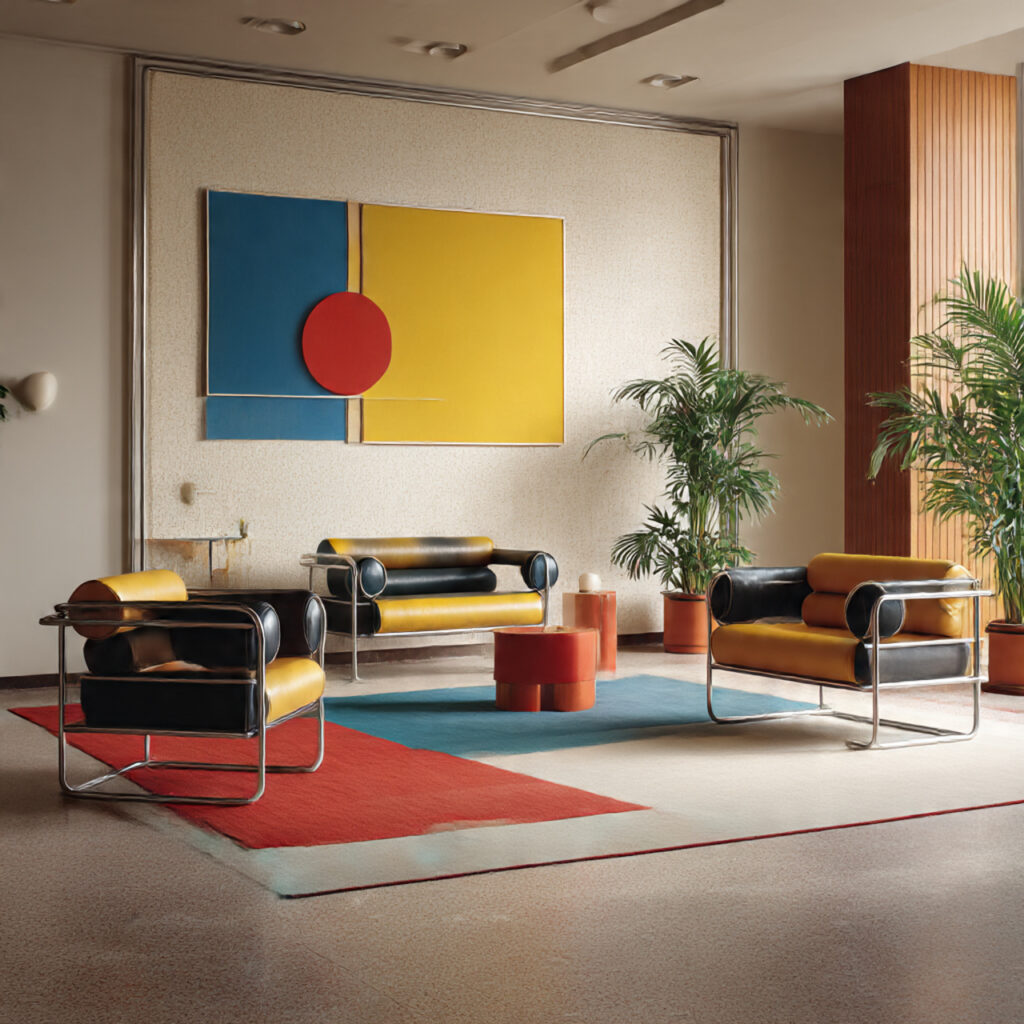
Bauhaus is a German design movement from the early 20th century that sought to unify art, craft, and technology, prioritizing function above all else. It features severe geometric shapes and a lack of ornamentation, stripping design down to its most essential elements.
Primary colors—red, blue, and yellow—are often used as accents against a neutral background of white, gray, and black. Furniture from this era, like the Wassily Chair, uses tubular steel and leather to create pieces that are as much sculptures as they are seats.
Wabi-Sabi Imperfection
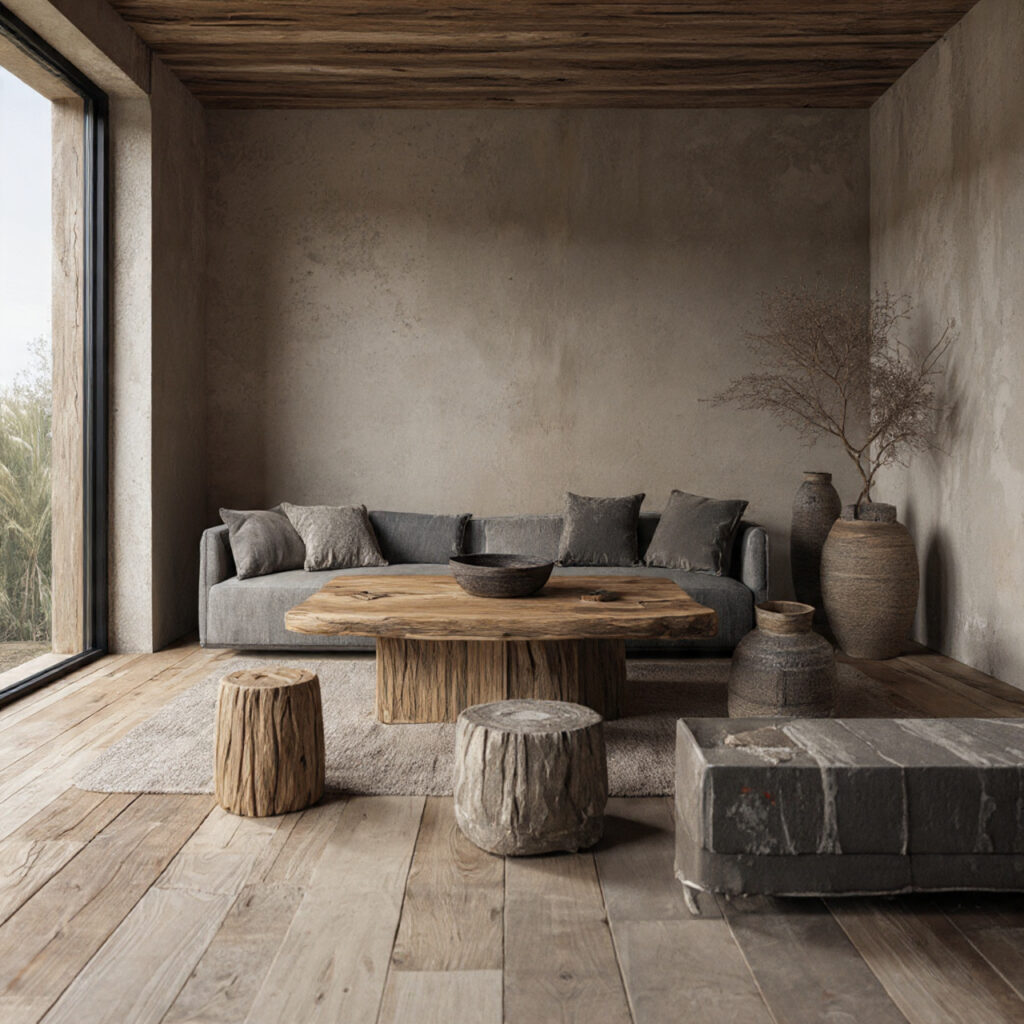
Wabi-Sabi is a Japanese philosophy that finds beauty in imperfection and the natural cycle of growth and decay. It values modesty, intimacy, and the integrity of natural objects and processes, rejecting the need for pristine and polished interiors.
In design, this translates to asymmetrical layouts, rough textures, and materials that weather and age gracefully over time. It encourages keeping things simple and unpretentious, allowing the cracks in a ceramic bowl or the knots in wood to tell their own unique story.
FAQs About Types of Interior Design Styles
1. What is the most popular interior design style right now?
Currently, Transitional and Modern Farmhouse styles remain incredibly popular due to their blend of comfort and clean lines. However, there is a rising trend toward “Japandi” and Maximalism, as people seek either extreme serenity or extreme personal expression in their homes. The “best” style tends to fluctuate, but comfort-focused designs usually dominate the residential market.
2. How do I know which interior design style fits my personality?
Start by looking at your closet; the colors and fabrics you wear often reflect what you will enjoy in your home. Additionally, creating a mood board on platforms like Pinterest can help you identify recurring themes or elements you naturally gravitate toward. If you value order and calm, look at Minimalism; if you love travel and storytelling, Bohemian might be your match.
3. Can you mix two different types of interior design styles?
Absolutely, and this is often referred to as Eclectic or Transitional design depending on the styles being mixed. The key to mixing styles successfully is to find a common thread, such as a consistent color palette or repeating texture, to tie the disparate elements together. For example, mixing Industrial and Rustic works well because both value raw, unfinished materials.
4. What is the main difference between modern and contemporary design?
“Modern” refers to a specific historical period (Mid-Century Modern) from the early to mid-20th century, characterized by clean lines and natural materials. “Contemporary” refers to design happening right now; it is fluid and can borrow from various eras, but currently, it often involves eco-friendly materials and state-of-the-art technology. Modern is a fixed style, while Contemporary is ever-changing.
5. Which interior design style is best for small apartments?
Minimalism and Scandinavian design are excellent choices for small apartments because they prioritize functionality and decluttered spaces. Using light colors, multi-purpose furniture, and keeping surfaces clear helps to visually expand a small room and prevent it from feeling cramped. Contemporary design is also effective as it favors open layouts and sleek, non-bulky furniture.
Conclusion
Understanding the different Types of Interior Design Styles empowers you to curate a home that is a true reflection of your identity and values. Whether you choose the structured beauty of Traditional design or the relaxed vibe of Coastal decor, the most important rule is to create a space where you feel completely at ease.
Don’t be afraid to experiment or blend elements from different categories to achieve a look that is uniquely yours. Ultimately, your home is your sanctuary, and the design style you choose should serve to enhance your daily life, bringing joy and comfort to every moment you spend within its walls.