Top Modern Minimalist Living Room Ideas to Try
Modern minimalist living room ideas focus on stripping away the unnecessary to reveal the essential beauty and functionality of your space. By combining clean architectural lines with selected purposeful furniture, you create an environment that feels open, airy, and incredibly sophisticated for daily relaxation.
Implementing this design style does not mean your home has to look cold or empty; instead, it emphasizes intentionality in every single corner. Whether you reside in a compact city apartment or a spacious house, these principles help foster a deep sense of calm and organization within your home.
The Essentials of Modern Minimalist Living Room Ideas
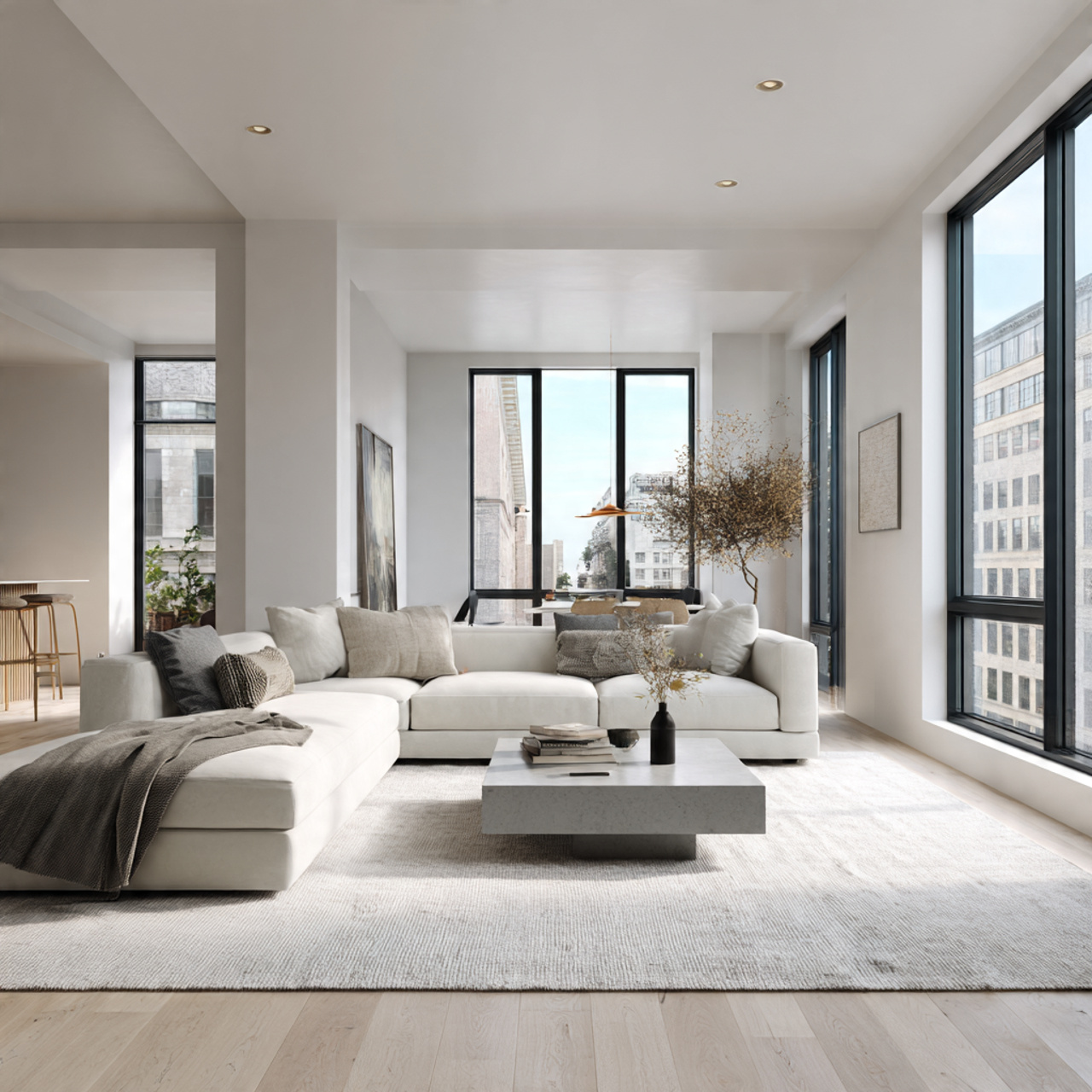
When exploring various modern minimalist living room ideas, you will notice a strong emphasis on neutral color palettes and the maximization of natural light. The goal is to enhance the feeling of space by using monochromatic tones that reflect brightness, making the room feel significantly larger and much more inviting.
Another crucial aspect of these modern minimalist living room ideas is the selection of furniture that balances sleek form with high-quality function effortlessly. Every piece placed in the room should have a clear purpose, ensuring that the visual flow remains uninterrupted while maintaining a comfortable and practical living area.
Neutral Color Palettes

Neutrality forms the backbone of great modern minimalist living room ideas, providing a calming and adaptable canvas. Sticking to shades of white, cream, and soft gray prevents visual clutter and allows texture and form to stand out instead of conflicting colors.
These muted tones also contribute to the expansive feel of the room, reflecting light beautifully and emphasizing the clean architectural lines of the space. This is a foundational step in executing truly stunning modern minimalist living room ideas.
Streamlined Furniture Silhouettes

The furniture chosen for this style must feature clean lines, simple geometric shapes, and a lack of ornamentation. Sofas, chairs, and tables should appear low-profile and raised on slender legs to enhance the feeling of open space and airiness in the room.
Prioritizing pieces that are visually lightweight prevents the living room from feeling heavy or cluttered, even when fully furnished. Invest in quality items that offer comfort without sacrificing the overall sleek aesthetic of the design.
Natural Lighting Optimization

Maximizing the use of natural light is paramount in modern minimalism, often eliminating the need for complex window treatments. Sheer curtains or simple roller shades are preferred, ensuring that sunlight pours into the space throughout the day.
Light plays a significant role in highlighting textures and finishes, contributing to the depth of a room that lacks excessive color. Think of natural light as a core design element that enhances every aspect of your interior design scheme.
Decluttered Floor Layouts

A hallmark of minimalism is the absolute commitment to clear surfaces and open floor space. Every item must have a specific home, preventing visual noise and allowing the eye to rest comfortably as it scans the room.
If you struggle with clutter, take time to evaluate every single object and remove anything that does not serve a function or bring genuine joy. The physical absence of unnecessary items immediately improves the tranquility of the space.
Functional Decor Items

In a minimalist room, decor is never purely ornamental; it must also serve a purpose, such as a sculptural vase holding flowers or a unique clock. These items are strategically placed to draw attention to specific areas without overwhelming the setting.
Choose a few meaningful pieces that possess interesting textures or shapes, allowing them to act as subtle focal points. This intentional approach ensures that every item contributes meaningfully to the overall design.
Open Concept Spaces

Minimalism naturally thrives in open-concept environments where living, dining, and kitchen areas flow seamlessly together. This layout emphasizes the expansive feeling of the home and promotes natural movement and connectivity.
Maintaining an open concept requires consistent visual unity across all zones, typically achieved by carrying the same flooring, wall colors, and overall material palette throughout the connected areas.
Monochromatic Color Schemes

While related to neutrality, monochromatic schemes specifically play with varying shades, tones, and tints of a single base color, like deep charcoal to pale gray. This creates subtle depth without sacrificing simplicity.
Using a single color allows you to experiment freely with texture and layering, as the color itself provides a soothing visual consistency. The most effective modern minimalist living room ideas often rely on this subtle play of shade.
Scandinavian Interior Influences

The principles of Scandinavian design—focusing on simplicity, functionality, and natural materials—are deeply intertwined with modern minimalism. Look for “hygge” elements that add warmth without being overly decorative.
This influence often manifests in lighter wood finishes, cozy knit textiles, and furniture that is designed primarily for comfort and durability. It ensures the space feels lived-in and inviting, not stark.
Hidden Storage Compartments

To achieve a truly decluttered appearance, storage must be integrated and invisible. Look for media consoles, sideboards, and coffee tables that feature closed drawers and cabinets rather than open shelving.
Built-in cabinetry, designed flush with the walls, is the ultimate expression of this concept, allowing items to be tucked away seamlessly. Utilizing hidden storage is non-negotiable for achieving effective modern minimalist living room ideas.
Geometric Area Rugs

While patterns are generally avoided, a simple, large geometric rug can anchor a seating area and introduce a much-needed layer of interest. Choose rugs in muted tones like charcoal, off-white, or beige.
The rug’s shape helps define the boundaries of the living zone within an open space, adding softness underfoot while adhering to the overall aesthetic of clean shapes and lines.
Sleek Metallic Finishes

Introduce subtle accents using metals like matte black, brushed nickel, or bronze on lamp bases, picture frames, and small decorative items. These finishes provide contrast against soft textiles and neutral walls.
Be careful not to overdo the metallic elements, as the goal is accent, not shine. A single statement floor lamp or a delicate side table is usually sufficient to elevate the modern feel.
Natural Wood Textures

Wood is essential for introducing warmth and organic contrast into a minimalist setting. Opt for lighter species like oak or ash with simple, unadorned grains for tables, shelving, or flooring.
The natural texture of wood prevents the space from feeling too sterile, providing visual softness and a connection to the outdoors, which is key to successful modern minimalist living room ideas.
Floating Wall Shelves

When shelving is necessary, floating shelves are preferred over large, bulky bookcases because they preserve floor space and maintain visual lightness. They should only hold a few curated objects, like books and plants.
The lack of visible hardware enhances the clean, seamless aesthetic, making the shelves appear to melt into the wall itself. Remember that the negative space around the items is as important as the items themselves.
Contemporary Statement Lighting

Lighting in minimalism is functional art. Invest in one striking light fixture—such as an oversized pendant or a uniquely shaped floor lamp—that acts as a sculptural focal point.
Ensure the light sources provide soft, ambient, and directional lighting rather than harsh overhead illumination. Layering light sources is crucial for creating warmth and dimension in the absence of complex patterns.
Minimalist Indoor Greenery

Adding a few carefully chosen indoor plants introduces a vibrant, organic element that contrasts beautifully with stark walls and furniture. This is an easy way to refresh modern minimalist living room ideas.
Place plants in simple, neutral-toned planters (terracotta or concrete are excellent choices) and limit them to one or two large, impactful specimens rather than a grouping of many small ones.
Visit Also : Thanksgiving Decor Ideas
Negative Space Management

Negative space—the empty area around and between objects—is an active design element in minimalism. It allows the eye to rest and highlights the shape and beauty of the objects that are present.
Learn to appreciate the ‘white space’ on your walls and floors, resisting the urge to fill every perceived void. This intentional use of emptiness creates balance and harmony.
Sheer Window Curtains

Window treatments should be unobtrusive and highly functional, filtering light rather than blocking it entirely. Sheer linen or cotton curtains in white or off-white are perfect for this role.
If privacy is a concern, layer a sheer fabric with a simple roller shade that can disappear into the ceiling or window frame when not in use.
Industrial Minimalist Aesthetics

This fusion combines the raw, exposed elements of industrial style (like concrete, exposed brick, or black steel) with the strict simplicity of minimalism. It adds character and edge to the design.
Elements like metal piping or visible structural beams can be celebrated, contrasting beautifully with soft textiles and polished surfaces to create unique modern minimalist living room ideas.
Layered Textile Textures

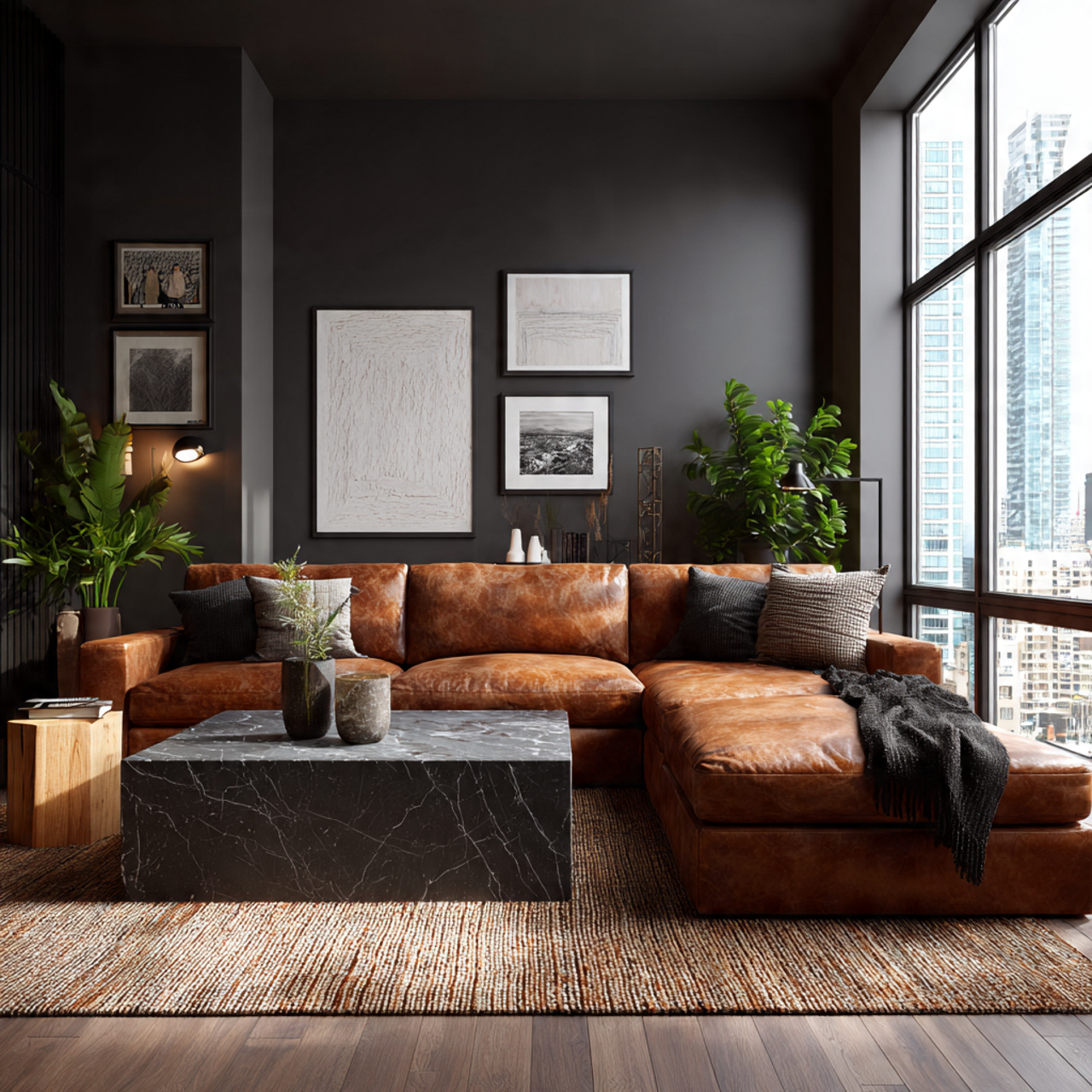
Since color is muted, texture becomes the primary method for adding depth and comfort. Layer a combination of materials like chunky knit wool, soft linen, and smooth leather in the seating area.
A single, luxurious throw blanket draped across the sofa, combined with subtly textured cushions, prevents the room from feeling flat while staying true to the overall aesthetic.
Japandi Design Elements

Japandi is a harmonious blend of Japanese wabi-sabi (finding beauty in imperfection) and Scandinavian function. It emphasizes quiet, handcrafted simplicity and organic materials.
Incorporate low-to-the-ground seating, artisanal ceramics, and natural, slightly imperfect wood finishes to bring this serene and balanced aesthetic into your living space.
Oversized Abstract Artwork

Instead of a gallery wall, choose one massive piece of abstract artwork to serve as the main focal point above the sofa or fireplace. This single piece commands attention.
The chosen art should feature a limited color palette that aligns with the room’s neutral scheme. Its scale and simplicity embody the concept of ‘one powerful thing’ over ‘many small things.’
Glass Coffee Tables

A glass-topped coffee table is an excellent choice for a smaller living room as its transparency minimizes visual weight. It allows light to pass through, keeping the floor plan feeling uninterrupted.
Ensure the base of the table is simple—perhaps a geometric metal frame or a single block of wood—to maintain the clean-line requirement of modern minimalist living room ideas.
Smart Technology Integration

Technology should be seamlessly integrated and hidden whenever possible. Choose wall-mounted televisions that look like art when off, and conceal wires completely within walls or furniture.
Smart home devices should be sleek, small, and capable of being tucked away, maintaining the room’s calm aesthetic while providing maximum convenience.
Eco-Friendly Materials

Minimalism often aligns with sustainable living, prioritizing quality materials that last and reduce waste. Look for furniture made from reclaimed wood or sustainably sourced fabrics.
Investing in fewer, higher-quality, durable, and ethically sourced items is a core principle that reinforces the intentionality behind all modern minimalist living room ideas.
Vertical Storage Solutions

When storage must be visible, prioritize verticality to maximize wall space while minimizing floor usage. Slim, tall cabinets or floor-to-ceiling shelving units are excellent options.
These vertical elements draw the eye upward, enhancing the perceived height of the room, but must be kept organized and contain items that are uniform in appearance.
Multifunctional Seating Options

Choose seating that offers dual purpose, such as an ottoman that doubles as storage or a sectional sofa with hidden compartments. This reduces the number of items needed in the space.
A simple bench can serve as extra seating when guests arrive and as a temporary coffee table or display surface at other times, reinforcing efficiency and utility.
Whitewashed Wall Finishes

For the cleanest possible backdrop, whitewashed walls are the standard choice in many modern minimalist living room ideas. This finish reflects light best and highlights architectural features.
Ensure the white used is warm (slightly creamy) rather than cold (blue-toned) to prevent the room from feeling too clinical or sterile, particularly when using cool-toned furniture.
FAQs About Modern Minimalist Living Room Ideas
Q1: How do I start designing a minimalist living room on a budget?
Begin by prioritizing decluttering and painting walls a single neutral tone, which is an inexpensive way to achieve a clean aesthetic immediately. Focus your limited budget on one or two high-impact pieces, like a quality sofa or statement lamp, instead of buying many smaller, less functional items that will quickly add visual clutter.
Q2: What are the key rules for maintaining a clutter-free space?
The primary rule is ‘one in, one out’—for every new item you bring home, remove an old one that is no longer needed or useful. Utilize hidden storage compartments aggressively, and designate a specific, accessible place for every single item to ensure nothing is left exposed unnecessarily on surfaces.
Q3: Can a minimalist living room still feel warm and cozy?
Absolutely. Warmth in minimalism comes from texture, not abundance or complexity. Incorporate natural, soft materials like warm-toned wood, wool, and linen, and use soft, diffused ambient lighting instead of harsh overhead fixtures to create an inviting, layered, and comfortable feel.
Q4: What is the difference between modern and minimalist design?
Modern design refers to a specific design movement from the early to mid-20th century, focusing on clean lines and function. Minimalist design, however, is an ethos derived from modernism, emphasizing extreme simplicity, the principle of ‘less is more,’ and using only the bare essentials required for comfort and living.
Q5: Which fabrics work best for modern minimalist furniture?
Look for durable, natural fabrics with subtle texture and solid colors, such as linen, wool, cotton blends, or smooth leather. These materials add necessary depth and luxury without introducing busy, distracting patterns or visual noise into the space, maintaining the desired tranquility.
Conclusion
Embracing modern minimalist living room ideas is a fulfilling journey toward intentional living and sophisticated design, not simply stripping a room bare. By focusing on clean lines, purposeful, high-quality pieces, and maximizing space, you can create a sanctuary that is both highly functional and beautifully serene. Implementing these 27 concepts will transform your living area into a reflective, organized, and truly restorative space that elevates your home life.