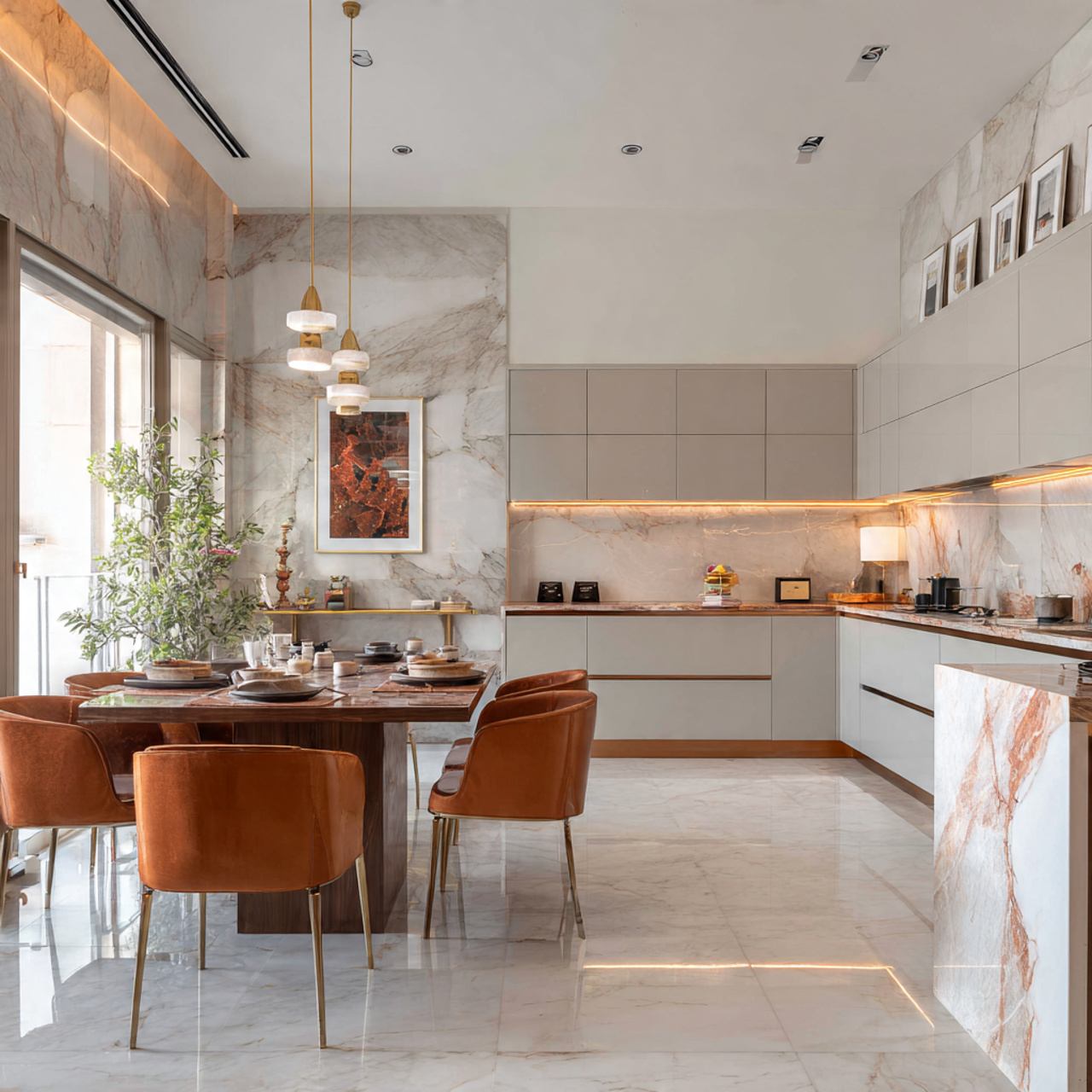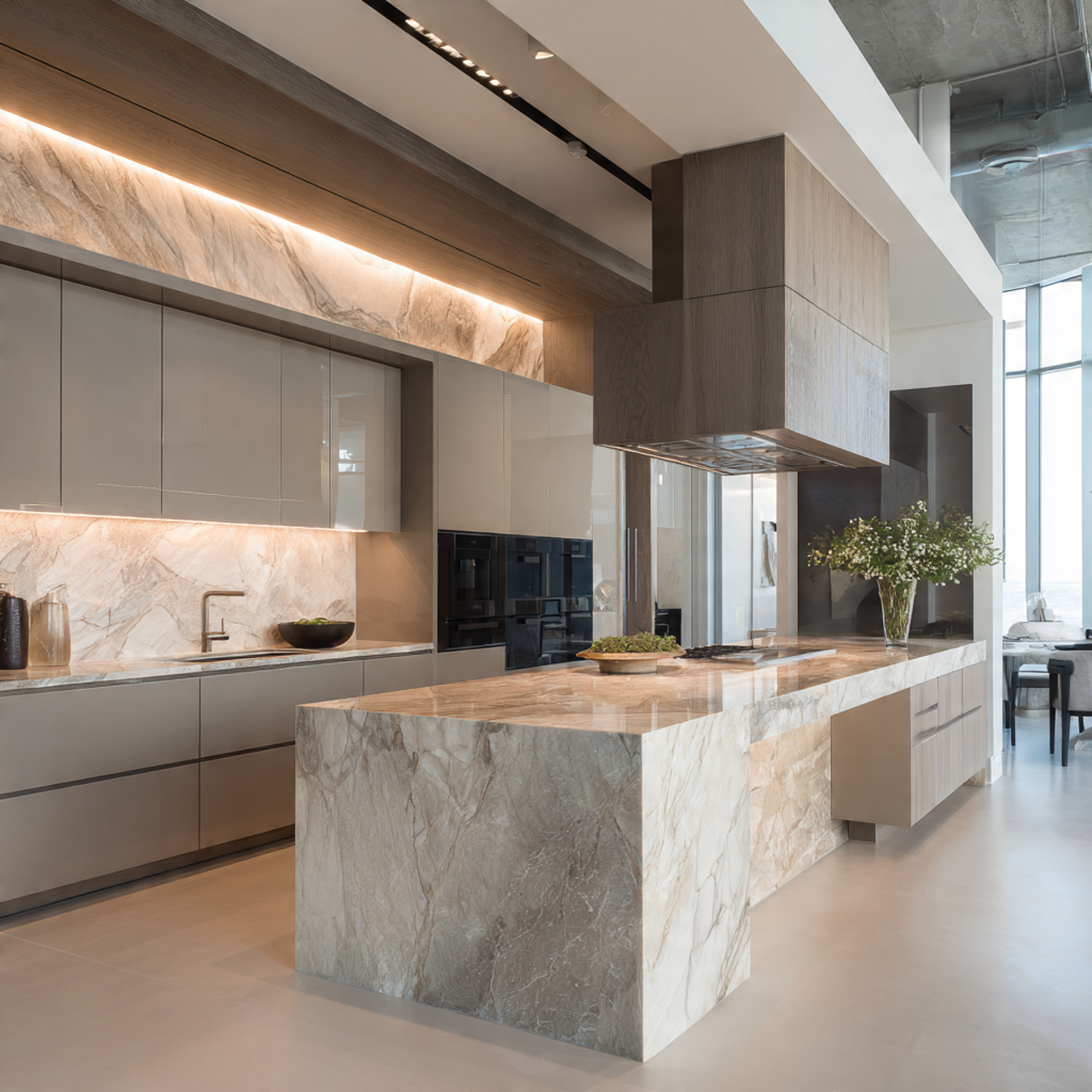
Kitchen Island Guide: Designs, Sizes, Lighting & Layout Tips
Kitchen Island designs have become the centerpiece of the modern home, offering a perfect blend of functionality and aesthetic appeal for homeowners. This versatile addition provides extra workspace, storage solutions, and a social hub where family and friends can gather during meal preparation and casual dining.
Integrating a well-planned kitchen island into your culinary space can transform the efficiency of your daily routine while significantly increasing the overall value of your property. By carefully selecting the right materials and dimensions, you can create a stunning focal point that bridges the gap between cooking and entertaining.
Why Every Modern Home Needs a Kitchen Island
The inclusion of a dedicated kitchen island serves as a transformative element in any kitchen renovation, providing a multi-functional surface that accommodates various household tasks. Whether you are using it as a prep station, a homework zone, or a breakfast bar, the additional square footage helps declutter main countertops and improves workflow.
Beyond its practical uses, this feature allows for creative expression through unique cabinetry colors, high-end stone finishes, and integrated appliances. It defines the boundary between the kitchen and living areas in open-concept homes, ensuring that the cook remains part of the conversation without sacrificing workspace.
Kitchen Island
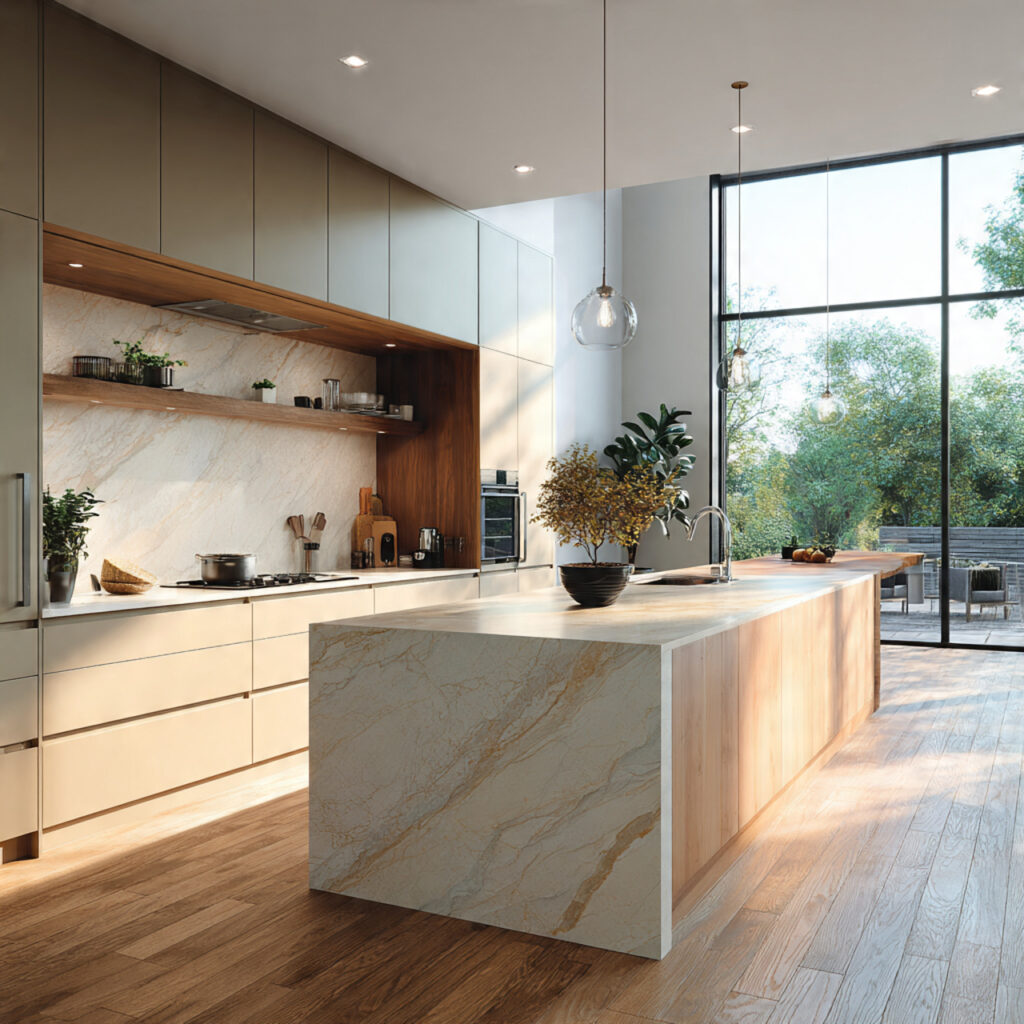
A standard kitchen island is often the most requested feature in modern home remodeling due to its ability to anchor the room’s design. It provides a central location for food preparation, allowing multiple people to work in the kitchen simultaneously without crowding the perimeter counters.
When planning your installation, it is vital to consider the “work triangle” to ensure that the sink, stove, and refrigerator remain accessible. A well-placed unit enhances this flow, making the transition between different cooking tasks more fluid and less physically demanding for the chef.
Kitchen Island Ideas
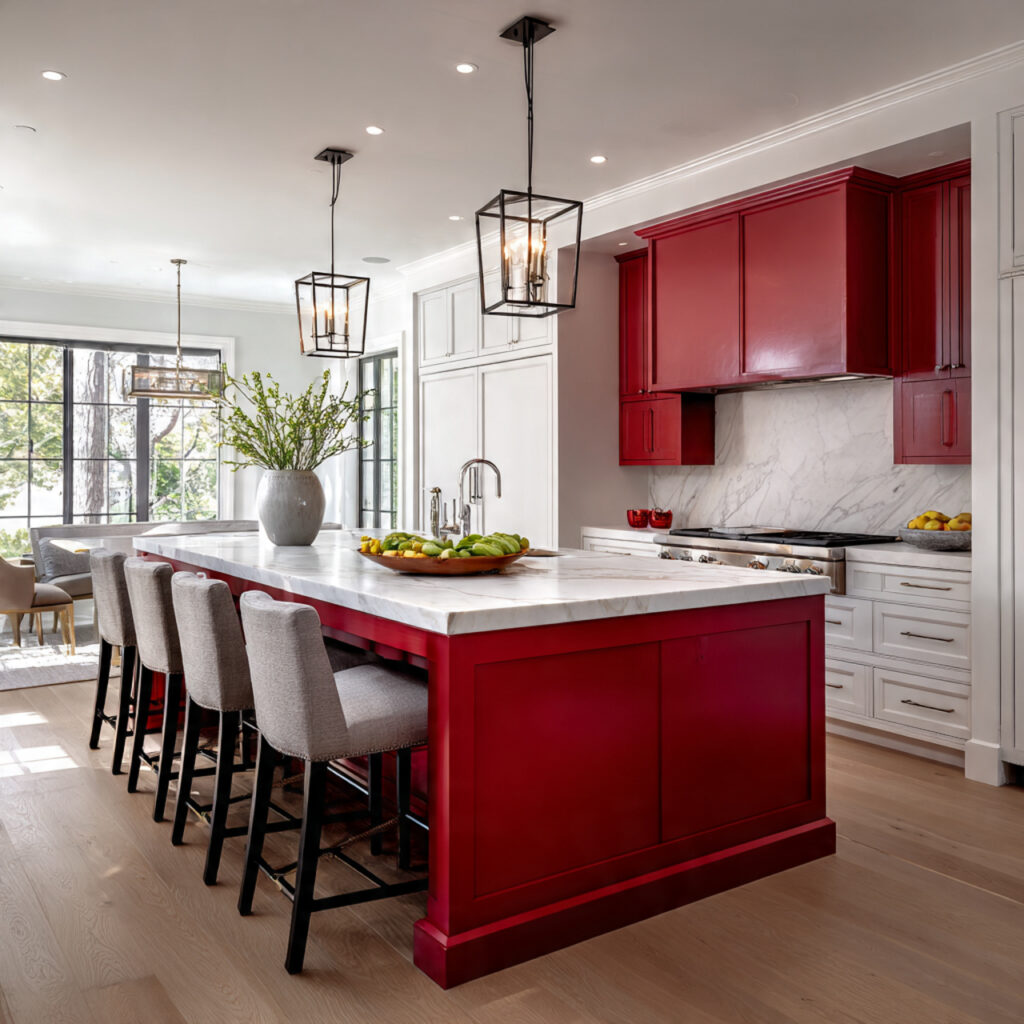
Exploring various kitchen island ideas can help you determine which style best fits your home’s unique architectural character and your personal needs. From reclaimed wood bases that add warmth to sleek stainless steel tops for a professional look, the possibilities for customization are nearly endless.
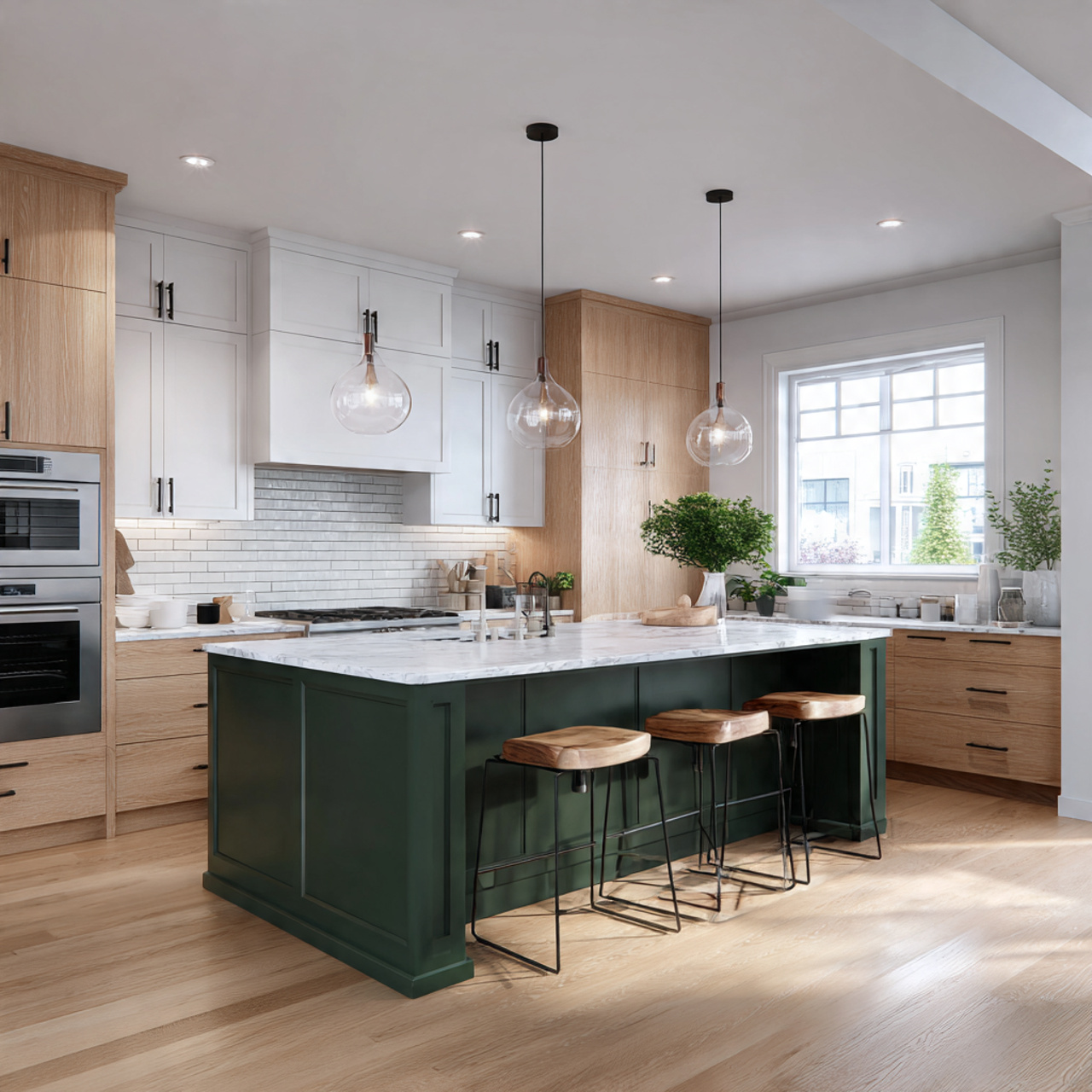
Consider incorporating contrasting colors for the island cabinetry to make it stand out against the rest of the kitchen furniture. This “furniture-style” approach creates a sophisticated look that draws the eye and makes the room feel more curated and intentionally designed.
Kitchen Island Lighting
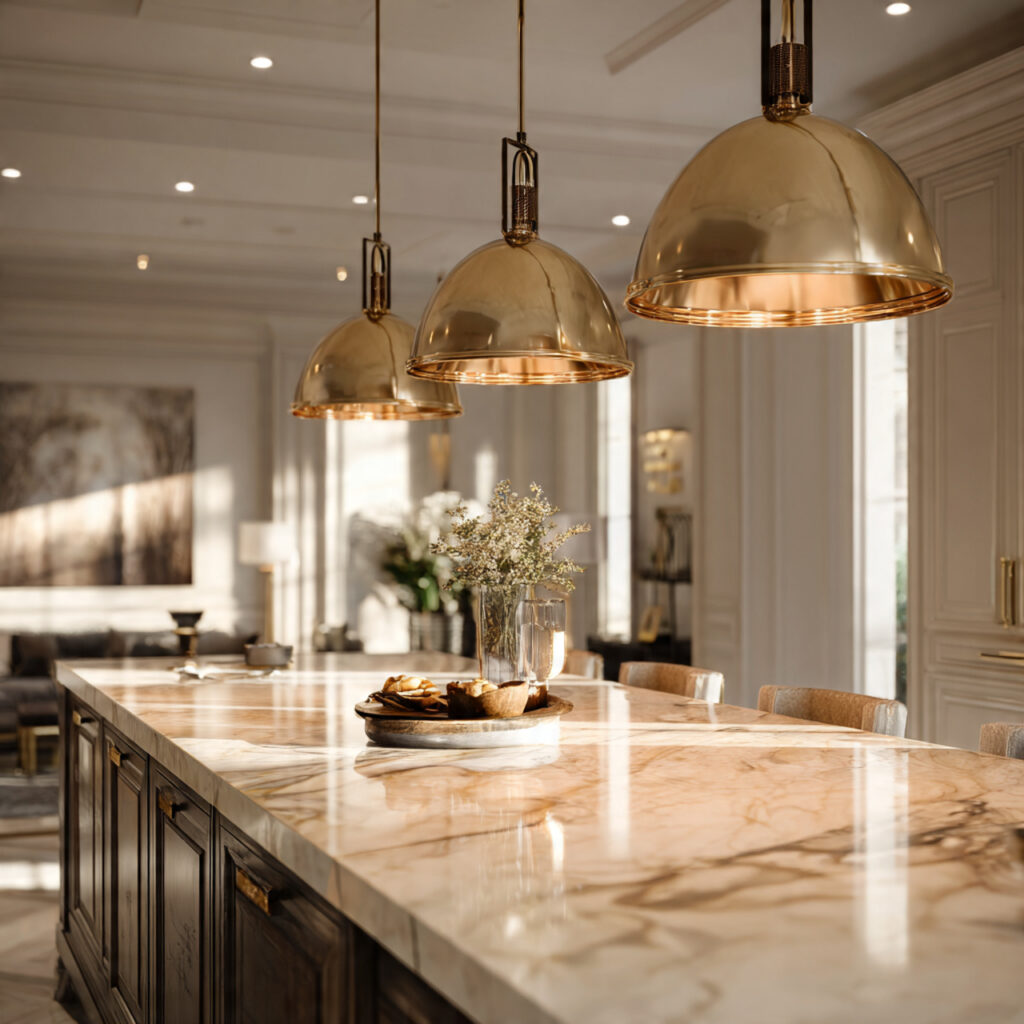
Selecting the right kitchen island lighting is crucial for both task performance and creating an inviting atmosphere in the heart of your home. Large pendant lights are a popular choice as they provide direct illumination for chopping and cooking while adding a decorative element.
Ensure that your light fixtures are hung at the correct height, typically 30 to 36 inches above the countertop, to avoid obstructing views across the room. Using dimmer switches allows you to transition from bright, functional work light to soft, ambient lighting for evening entertaining.
Kitchen With Island
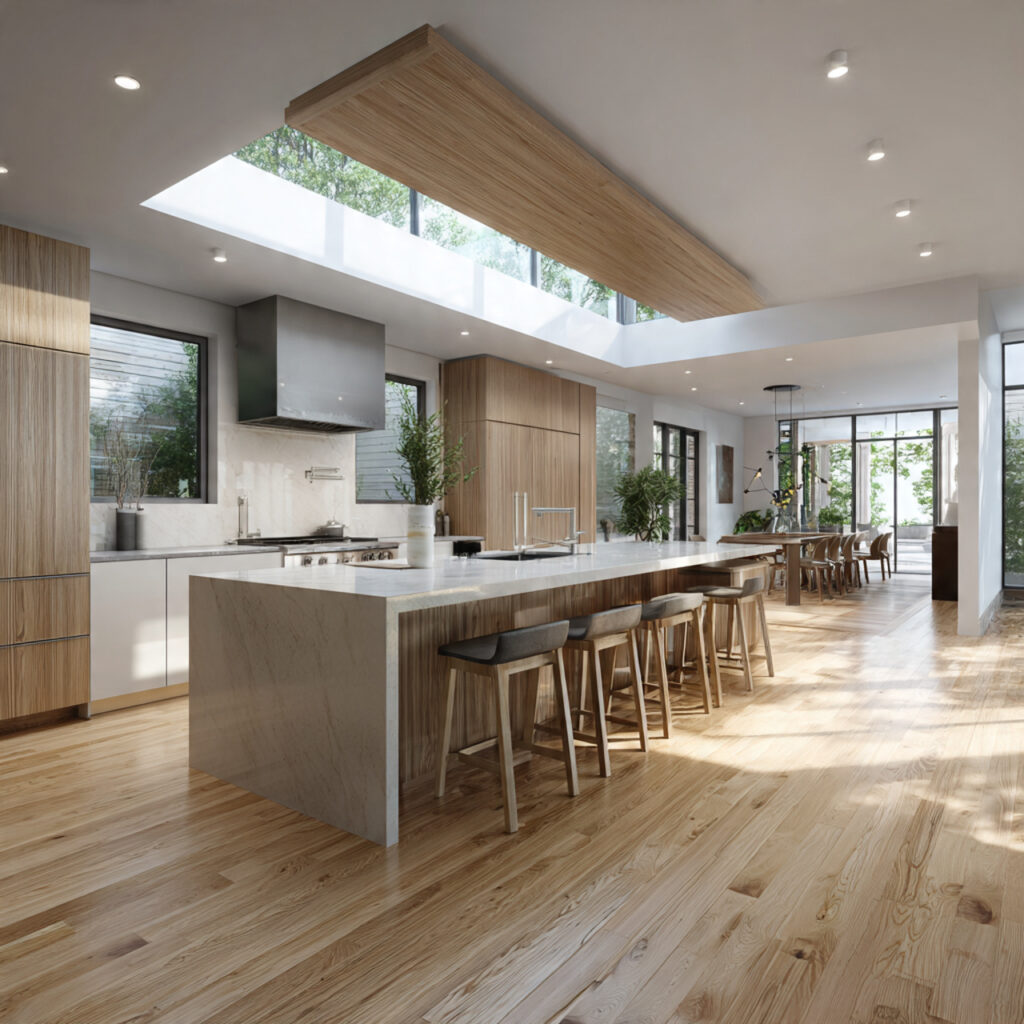
A kitchen with island layout offers unparalleled flexibility, especially in open-floor plans where the kitchen flows directly into the dining or living area. This configuration allows for better traffic management, preventing guests from entering the primary cooking zone while still keeping them nearby.
In larger homes, this setup can even include dual islands—one dedicated to meal prep and the other reserved for seating and serving. This separation of functions ensures that the messy work of cooking is kept away from the clean, social area where guests congregate.
Kitchen Layout Ideas With Island
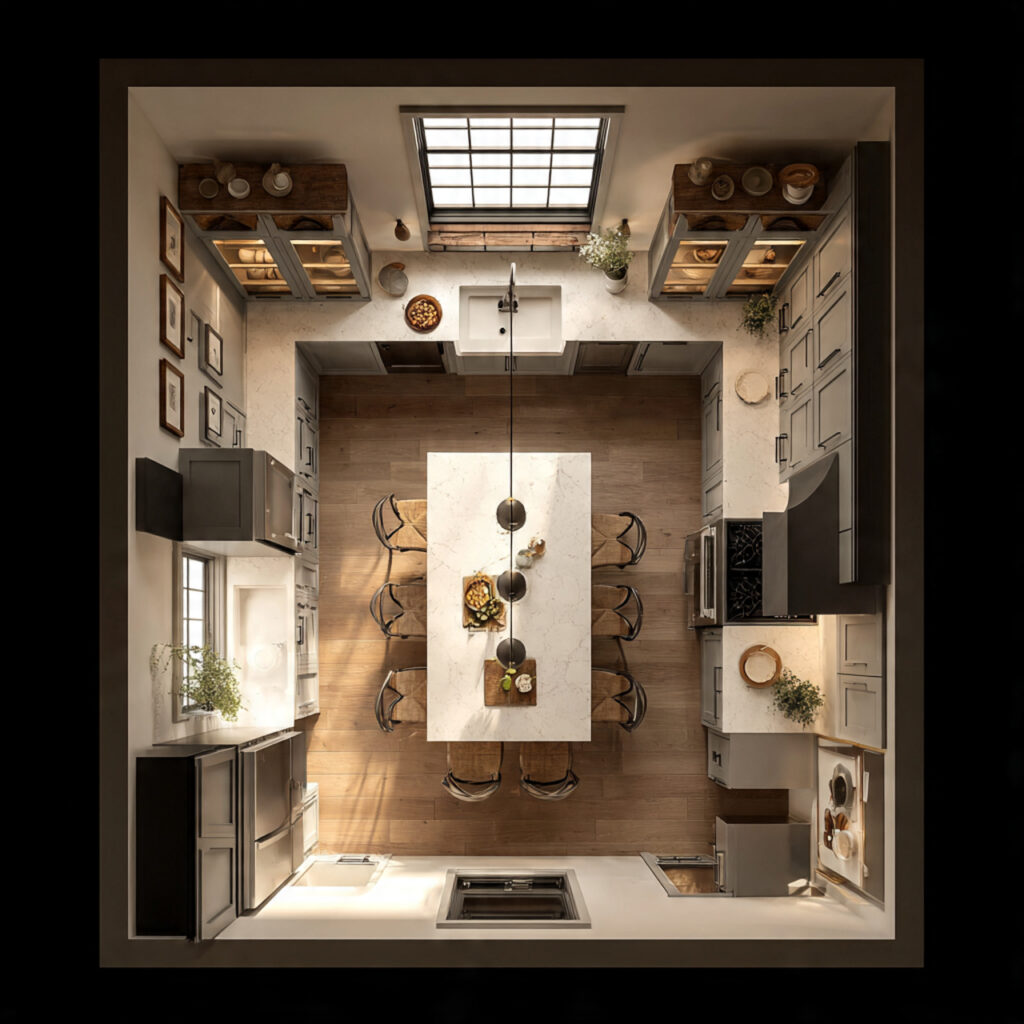
The best kitchen layout ideas with island integration focus on maintaining a clear “walkway” of at least 36 to 42 inches around all sides of the unit. This ensures that cabinet doors and dishwasher racks can be fully opened without hitting the central structure or blocking the path.
L-shaped or U-shaped kitchens particularly benefit from a central unit as it fills the large void in the middle of the room. This turns a potentially awkward, empty space into a highly productive zone that shortens the distance between the various workstations.
Kitchen Peninsula
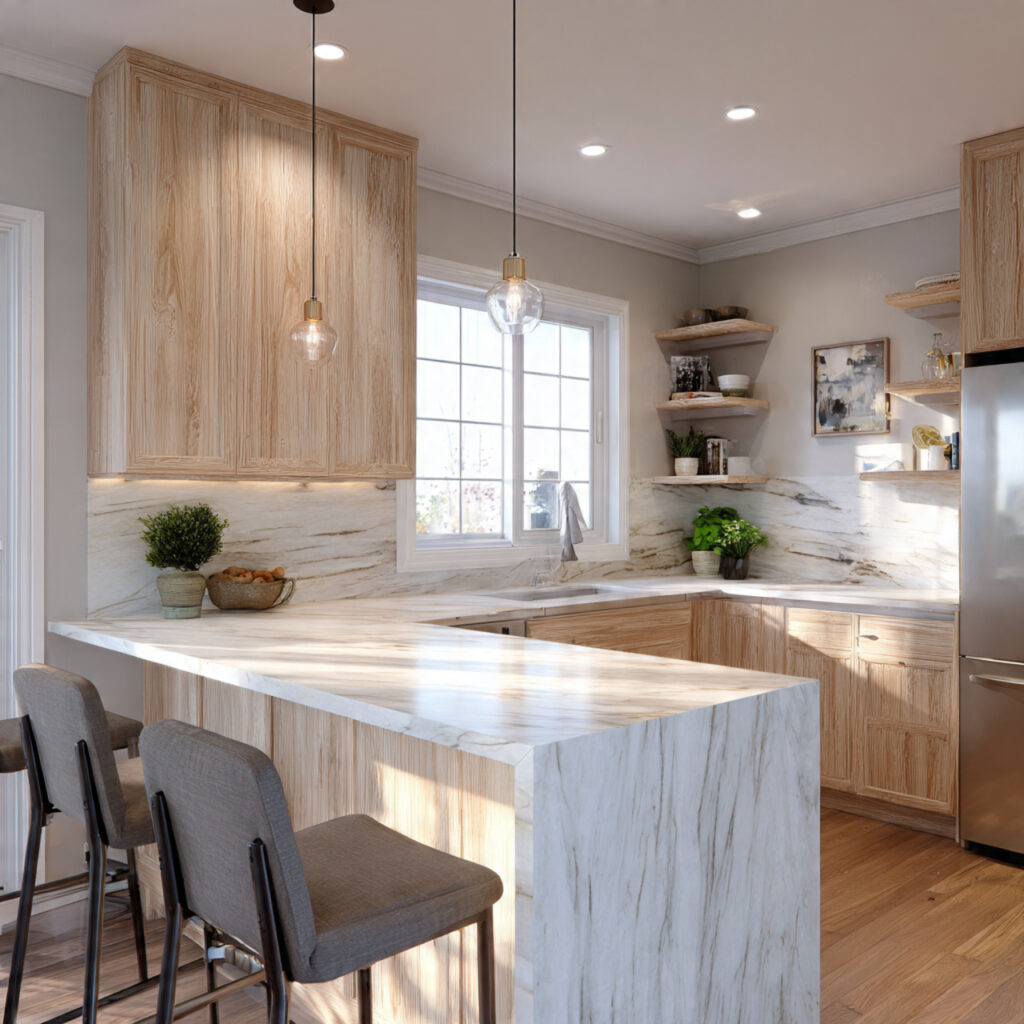
A kitchen peninsula is an excellent alternative for homeowners who have a smaller footprint but still desire the extra counter space of a traditional unit. Unlike a freestanding island, a peninsula is attached to a wall or existing cabinetry, making it an efficient “end-cap” for the kitchen.
This design is perfect for creating a breakfast bar in narrow rooms where a full island would block traffic. It provides the same benefits of extra storage and seating while maintaining a more compact footprint that works within the constraints of many older homes.
Small Kitchen Island Solutions
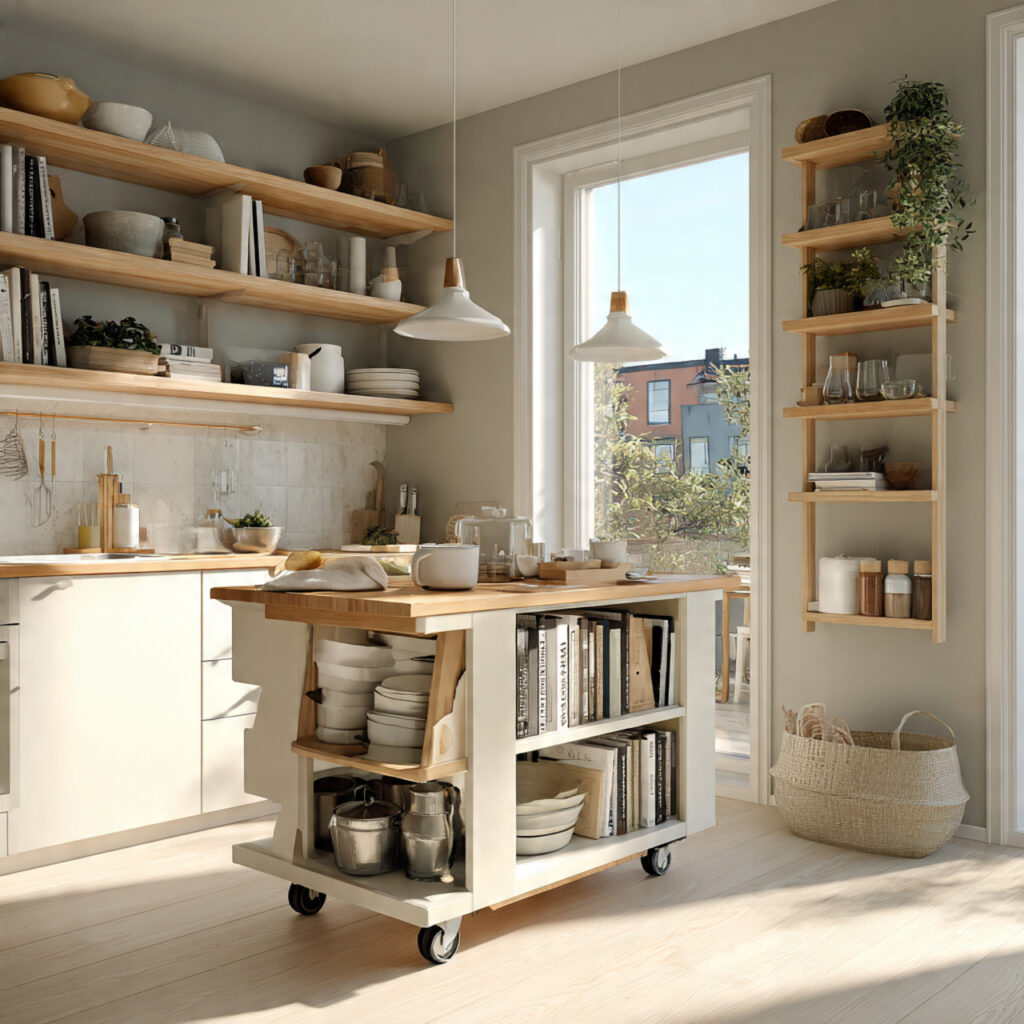
For those with limited square footage, small units or “islands on wheels” can provide the necessary surface area without permanently cramping the room. These compact solutions often feature drop-leaf extensions that can be raised when extra prep space is needed and tucked away later.
Choosing a unit with an open shelf design rather than heavy cabinetry can help a small room feel more spacious and airy. This prevents the center of the kitchen from feeling visually heavy while still providing a dedicated spot for cookbooks or frequently used appliances.
Modern Kitchen Island Styles
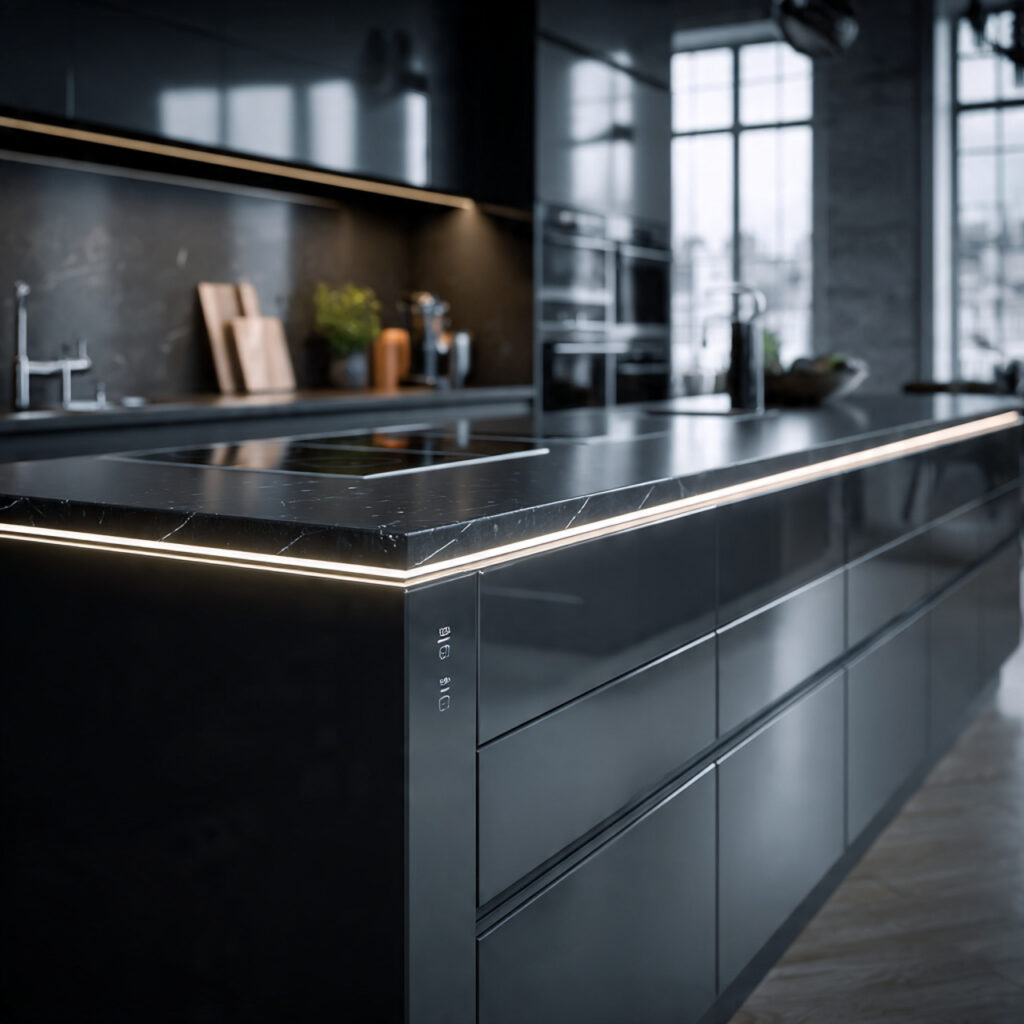
Modern designs often emphasize clean lines, handle-less cabinetry, and monochromatic color schemes to create a sleek and sophisticated appearance. High-gloss finishes and integrated LED toe-kick lighting can give the unit a “floating” effect that complements contemporary architecture.
Using a single slab of quartz or porcelain for the countertop and sides creates a seamless look that is both durable and easy to maintain. This minimalist approach focuses on the quality of the materials, allowing the natural patterns of the stone to become the primary decorative element.
Kitchen Island With Seating
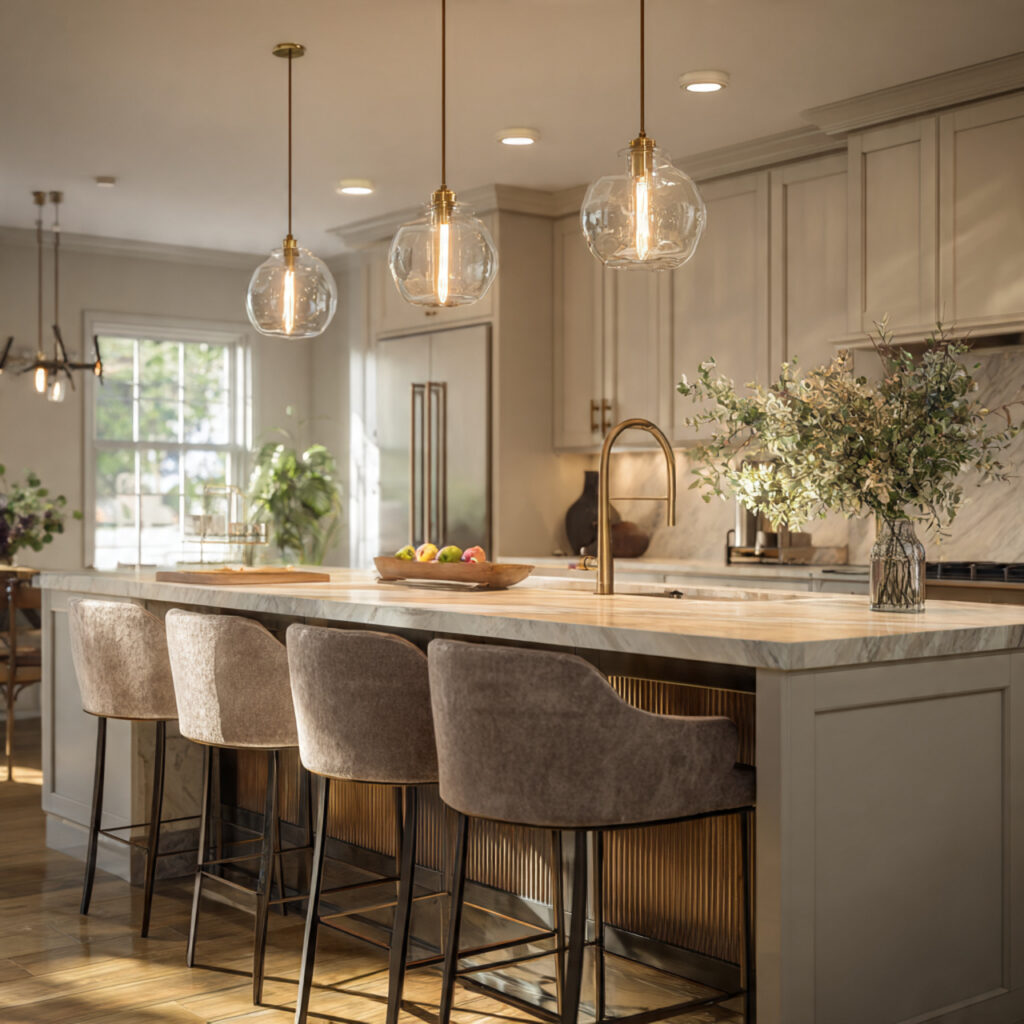
Incorporating a kitchen island with seating is one of the most effective ways to make your kitchen the social hub of the household. Overhanging countertops allow for bar stools to be tucked underneath, providing a comfortable place for kids to do homework or friends to chat.
It is important to allow for roughly 24 inches of width per person to ensure that diners have enough elbow room. Choosing stools with backs can make the area feel more like a dining table, encouraging people to stay longer and enjoy casual meals in the kitchen.
Rustic Wood Kitchen Island
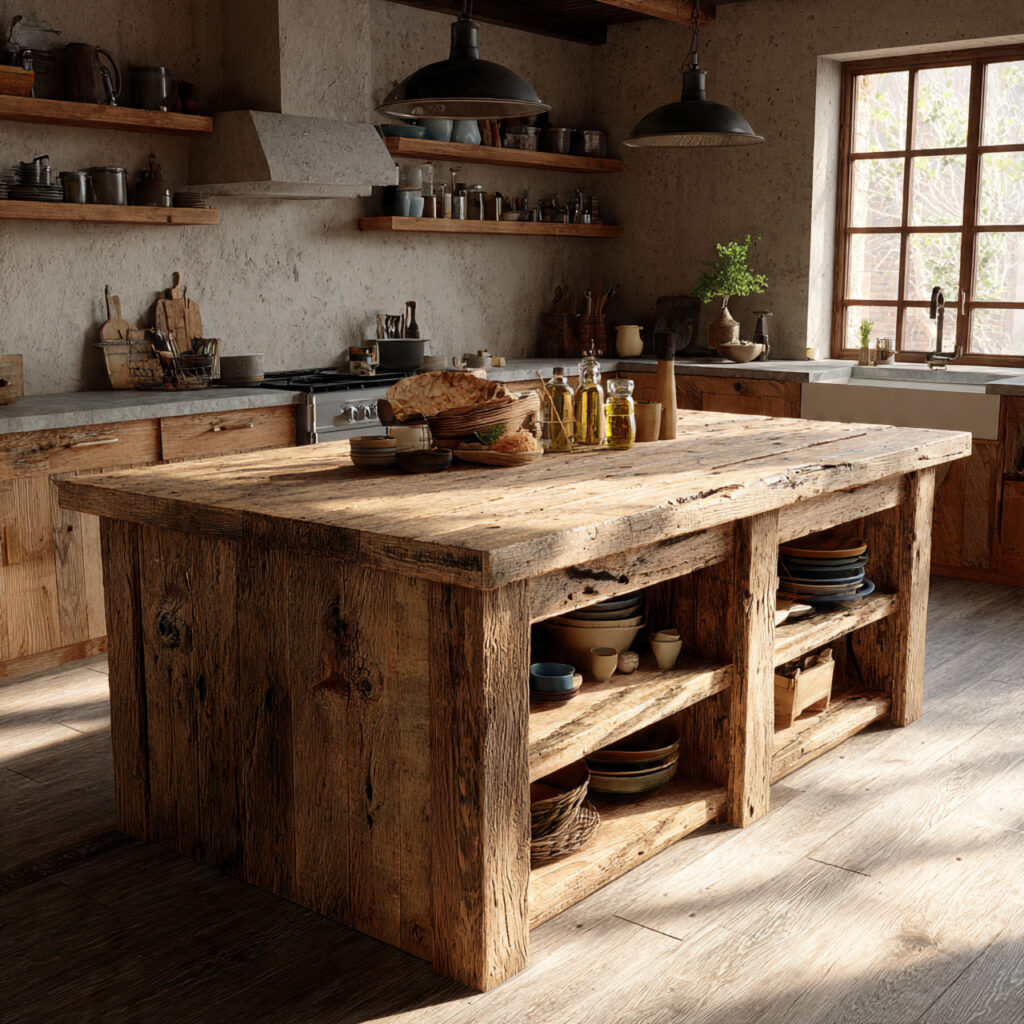
A rustic wood design brings a sense of history and organic warmth to a kitchen, contrasting beautifully with cold stainless steel or tile. Using reclaimed timber or distressed oak adds texture and character that can soften the look of a very modern or white kitchen.
These units often feature chunky legs and open slatted shelves, reminiscent of a traditional farmhouse worktable. To protect the wood from moisture and stains, it is essential to use a high-quality sealant or food-safe oil, especially if the surface will be used for prep.
Portable Kitchen Island Options
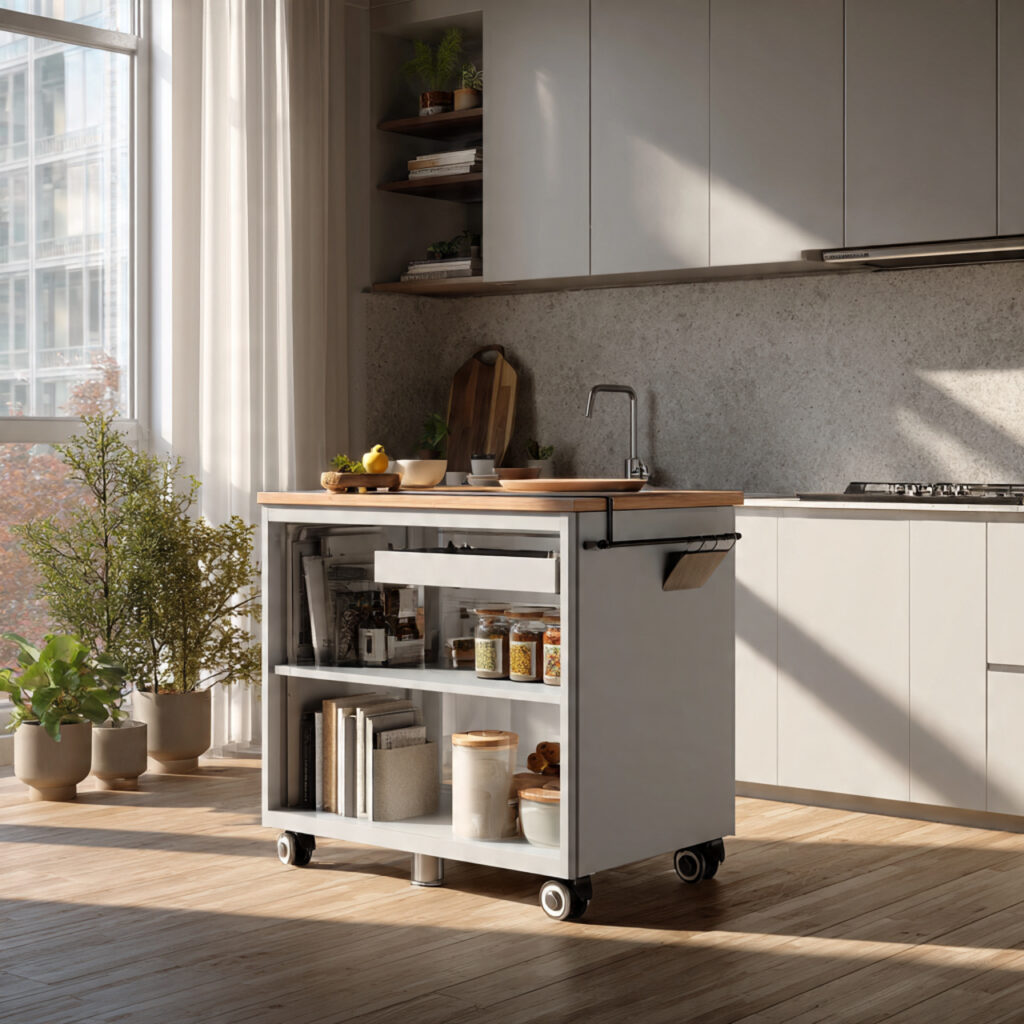
Portable units offer the ultimate in kitchen flexibility, allowing you to move your workspace wherever it is needed most. These are ideal for renters or those who occasionally host large gatherings and need to clear floor space for better guest movement.
Many portable options come with locking casters to ensure stability while you are cutting or mixing ingredients. They often include side towel racks and spice tiers, packing a significant amount of functionality into a very small, mobile footprint.
Marble Kitchen Island Countertops
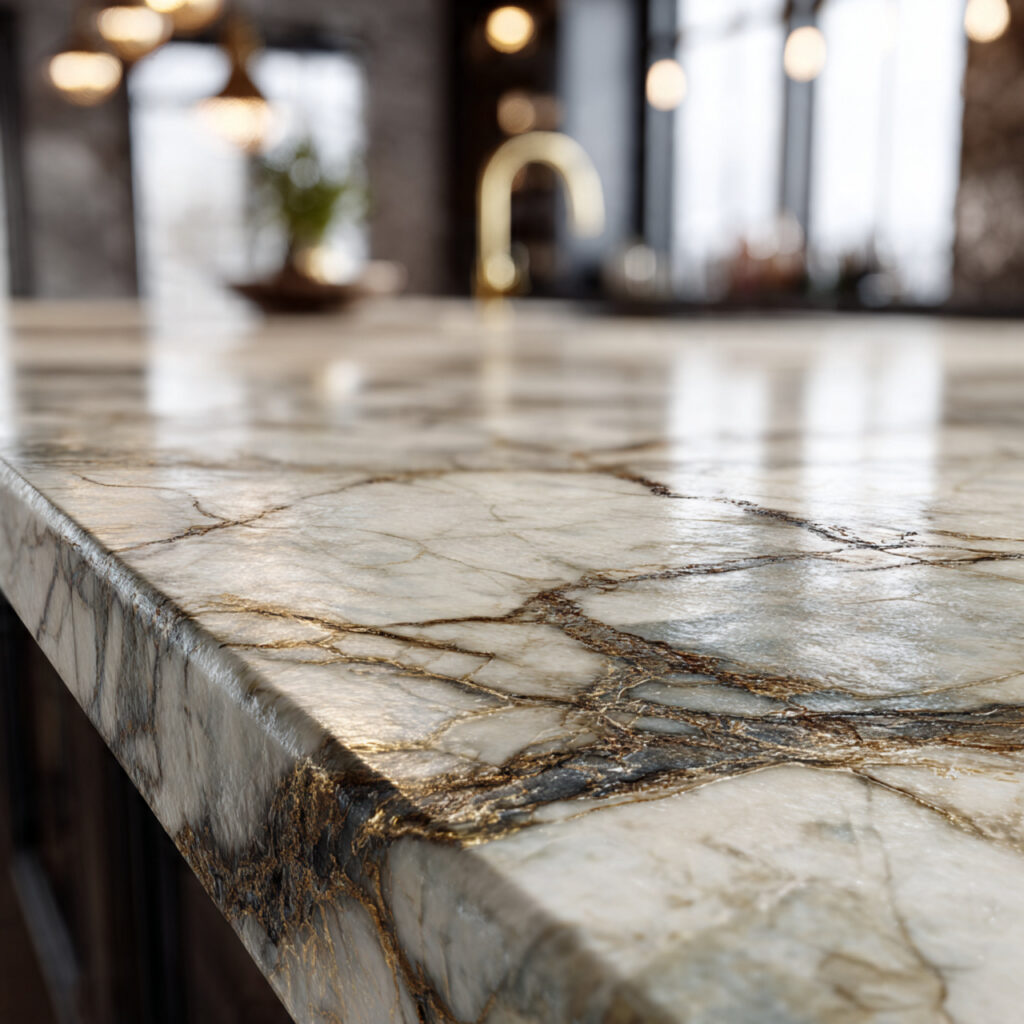
Marble remains one of the most luxurious choices for a countertop, prized for its unique veining and cool-to-the-touch surface. It is particularly popular among bakers because it provides an ideal temperature for working with pastry and dough.
While marble is beautiful, it is a porous stone that requires regular sealing to prevent staining from acidic foods like lemons or wine. Many homeowners choose marble for the island alone to create a “jewelry piece” effect while using more durable quartz for the high-traffic perimeter counters.
Kitchen Island With Sink
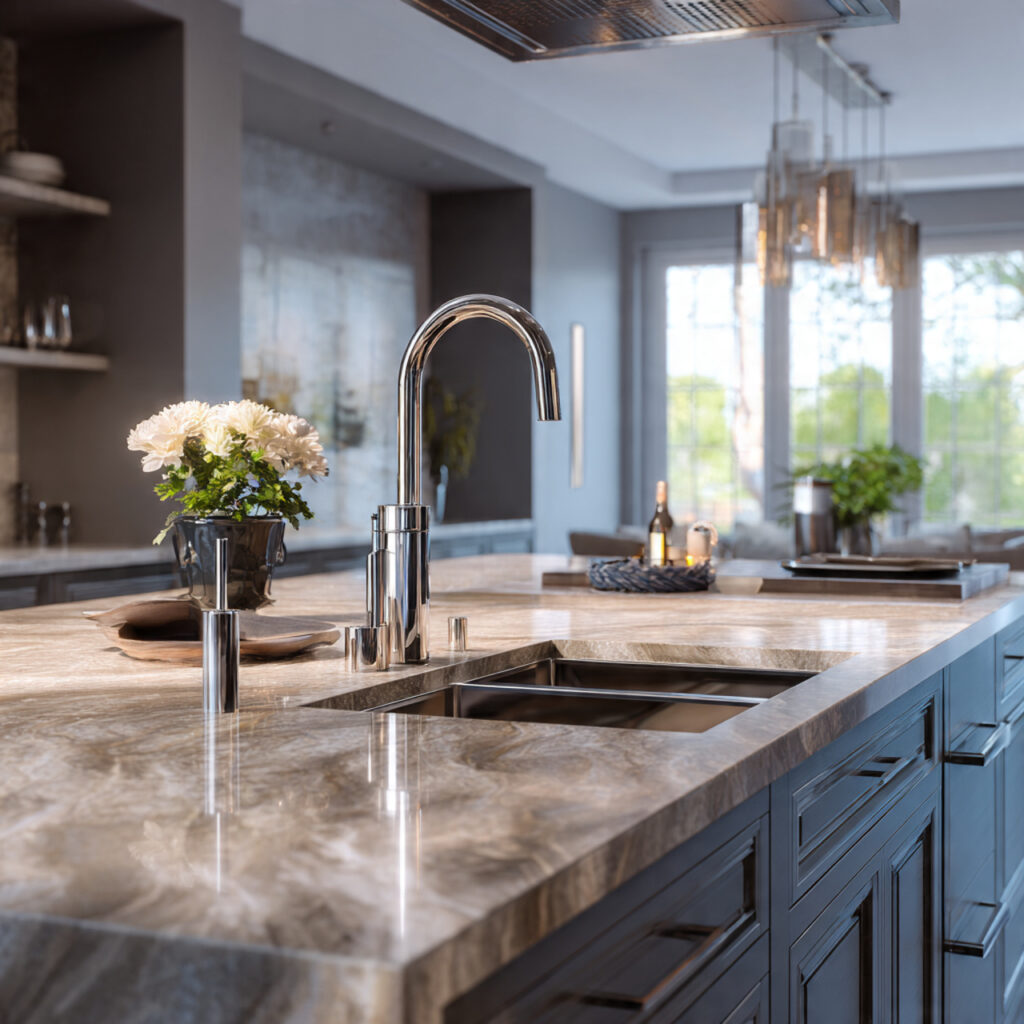
Placing a sink in your central unit allows the person washing dishes or prepping vegetables to face the rest of the room rather than a wall. This is a game-changer for parents who need to keep an eye on children or hosts who want to engage with their guests.
When installing a sink, you must also consider the plumbing requirements and the potential for splashes on the seating side. Installing a “stepped” or “tiered” countertop can help hide the sink area from the dining side, keeping the view of the kitchen looking clean.
Butcher Block Kitchen Island
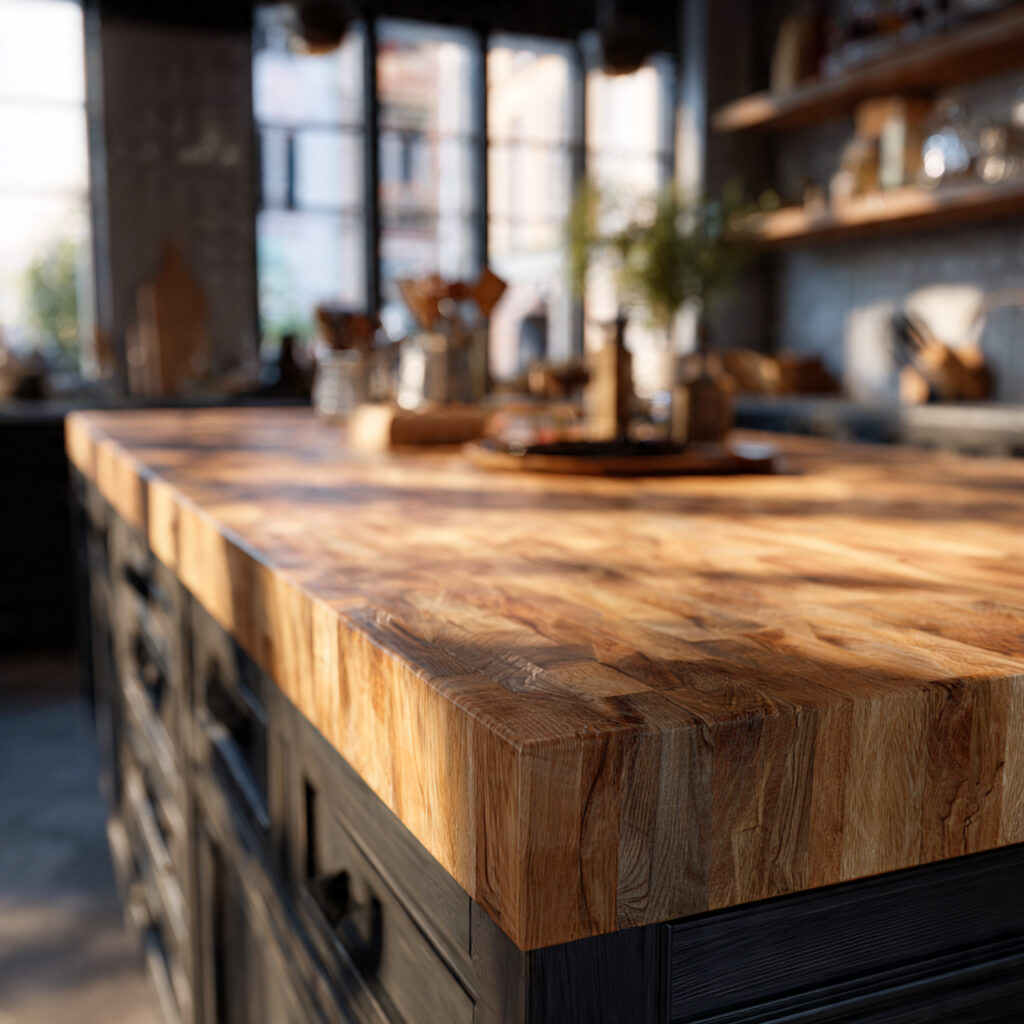
A butcher block top transforms your island into a massive, functional cutting board that is as practical as it is visually appealing. Typically made from hard woods like maple or walnut, these tops add a warm, professional “chef’s kitchen” vibe to the home.
Maintenance is key for butcher blocks; they need to be oiled regularly to prevent the wood from drying out and cracking. However, the beauty of this material is that it can be sanded down and refinished if it ever becomes too scarred from years of heavy use.
Waterfall Kitchen Island Designs
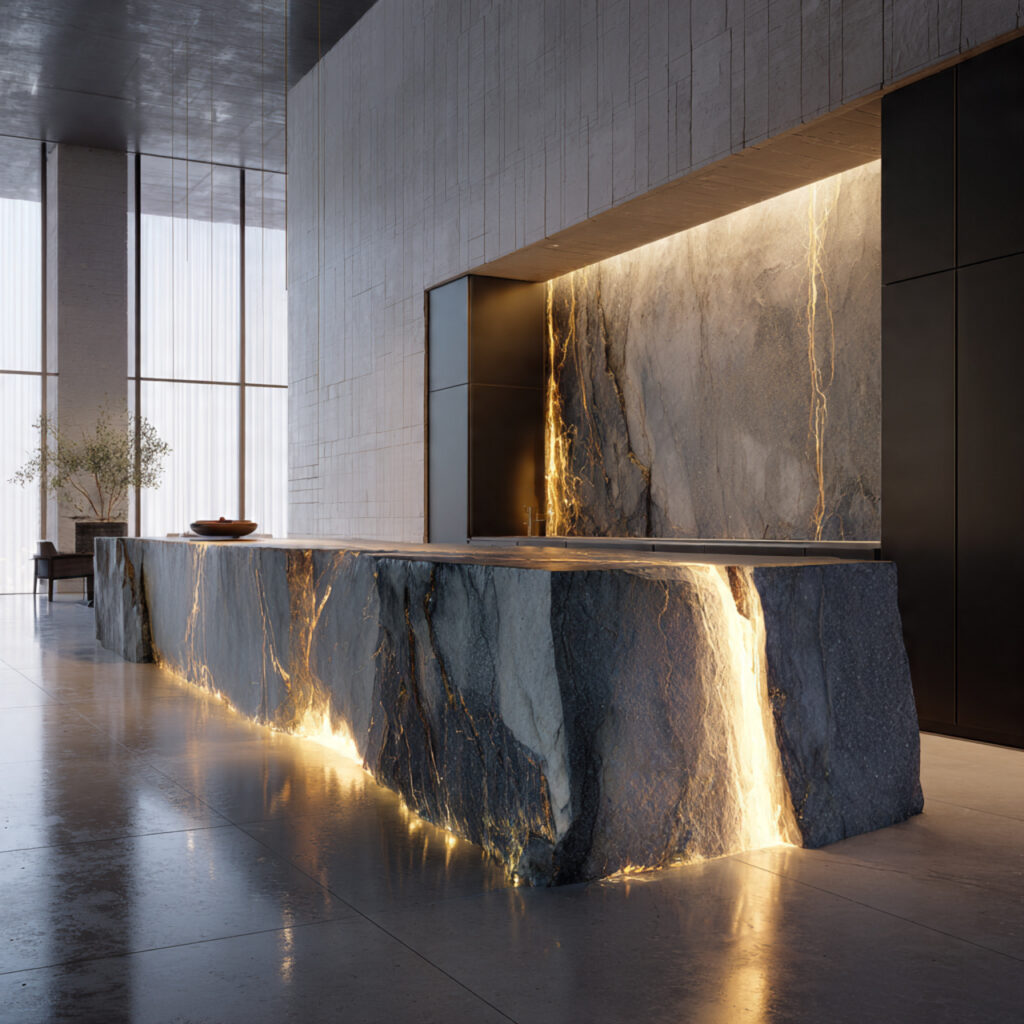
The waterfall edge is a dramatic design choice where the countertop material continues vertically down the sides of the island to the floor. This creates a continuous flow of stone that acts as a stunning visual frame for the cabinetry beneath.
This style is most effective with stones that have bold, linear veining, as the pattern can be matched to flow seamlessly over the edge. It is a premium design feature that instantly elevates a kitchen’s status, making it look like a custom architectural installation.
DIY Kitchen Island Projects
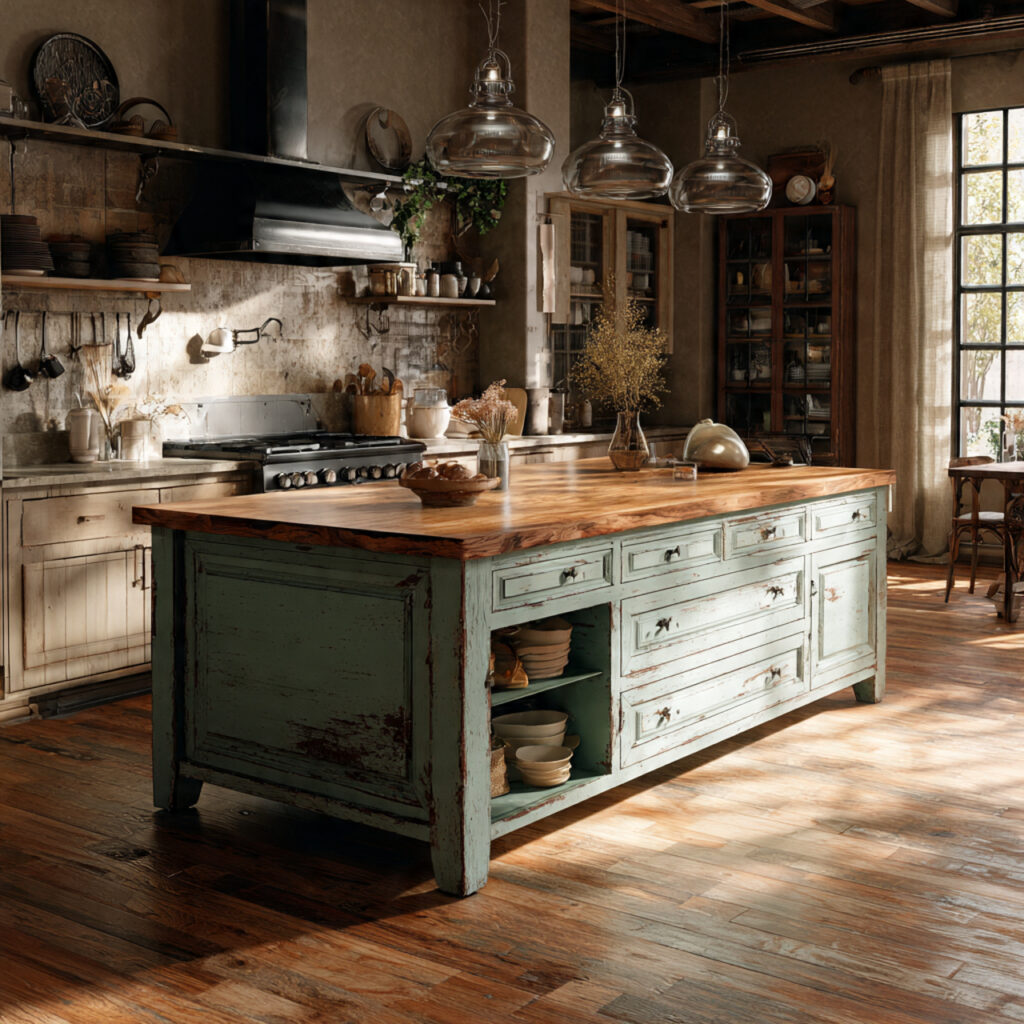
Creating a custom unit from repurposed furniture, such as an old dresser or a sturdy dining table, is a popular project for budget-conscious decorators. With a fresh coat of paint and a new top, an antique piece can be transformed into a one-of-a-kind functional focal point.
DIY projects allow for complete customization of height and storage, ensuring the unit fits your specific needs perfectly. Adding heavy-duty casters and decorative hardware can give a handmade project a professional and polished finish that rivals store-bought models.
Farmhouse Kitchen Island Inspiration
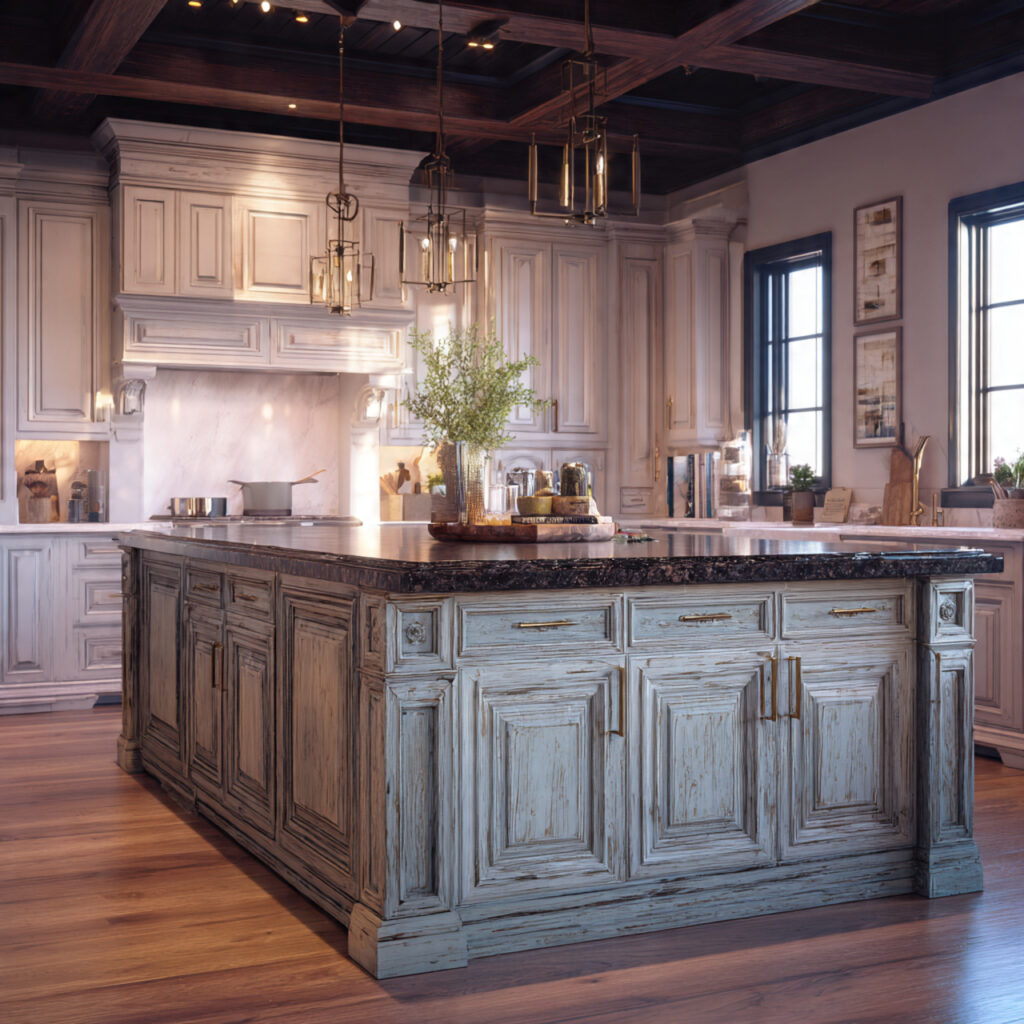
Farmhouse styles often feature large, sturdy bases with plenty of drawer storage and a traditional white or soft grey paint finish. Often topped with dark wood or honed granite, these units provide a cozy, lived-in feel that is perfect for large families.
Common decorative elements include “X” detailing on the side panels and large, cup-style drawer pulls in oil-rubbed bronze or brass. This aesthetic is all about comfort and durability, creating a space where the family feels invited to sit down and relax.
Luxury Kitchen Island Features
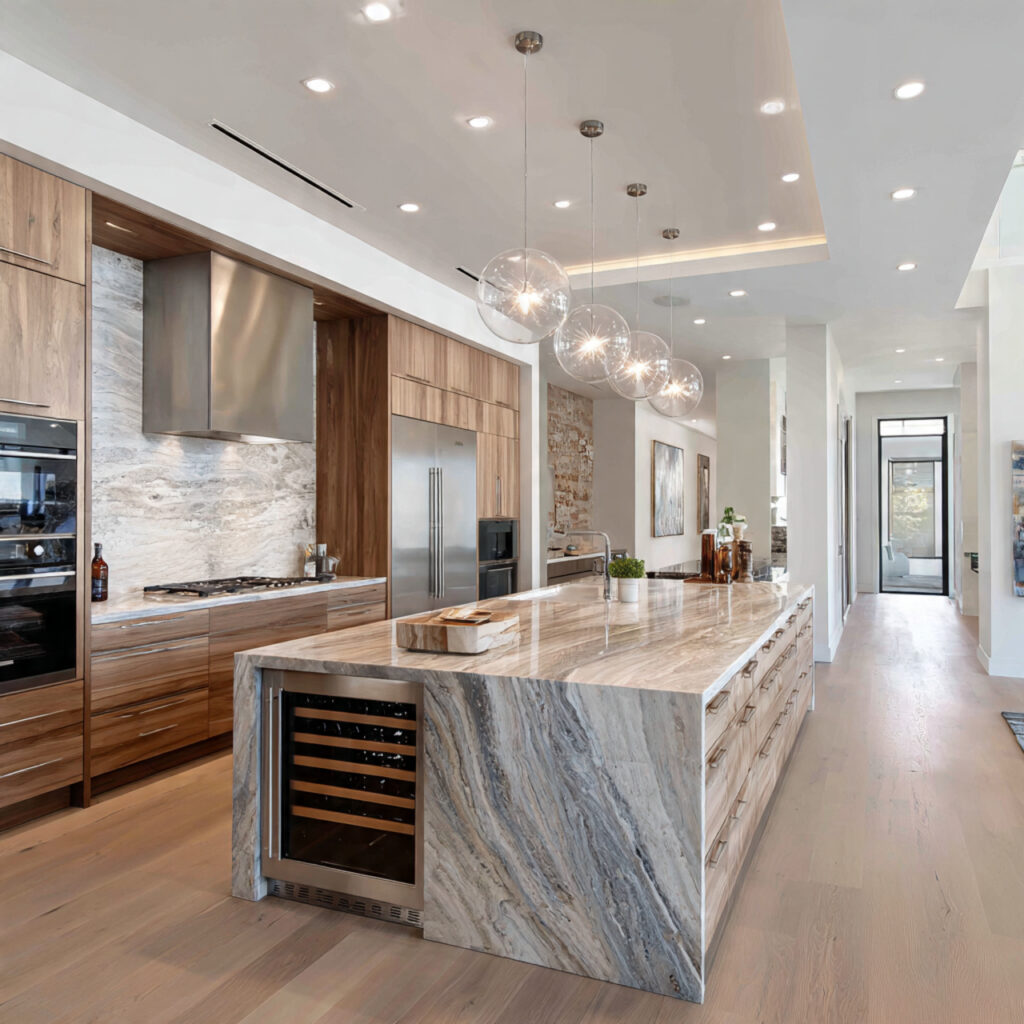
High-end islands can include advanced features like built-in wine fridges, microwave drawers, and even integrated compost systems hidden beneath the counter. Some luxury designs also incorporate pop-up electrical outlets that remain hidden when not in use to maintain a clean surface.
Custom cabinetry with velvet-lined drawers for silverware and specialized dividers for spices ensures that every inch of the unit is maximized. These features turn the island from a simple table into a sophisticated piece of machinery that handles the bulk of the kitchen’s tasks.
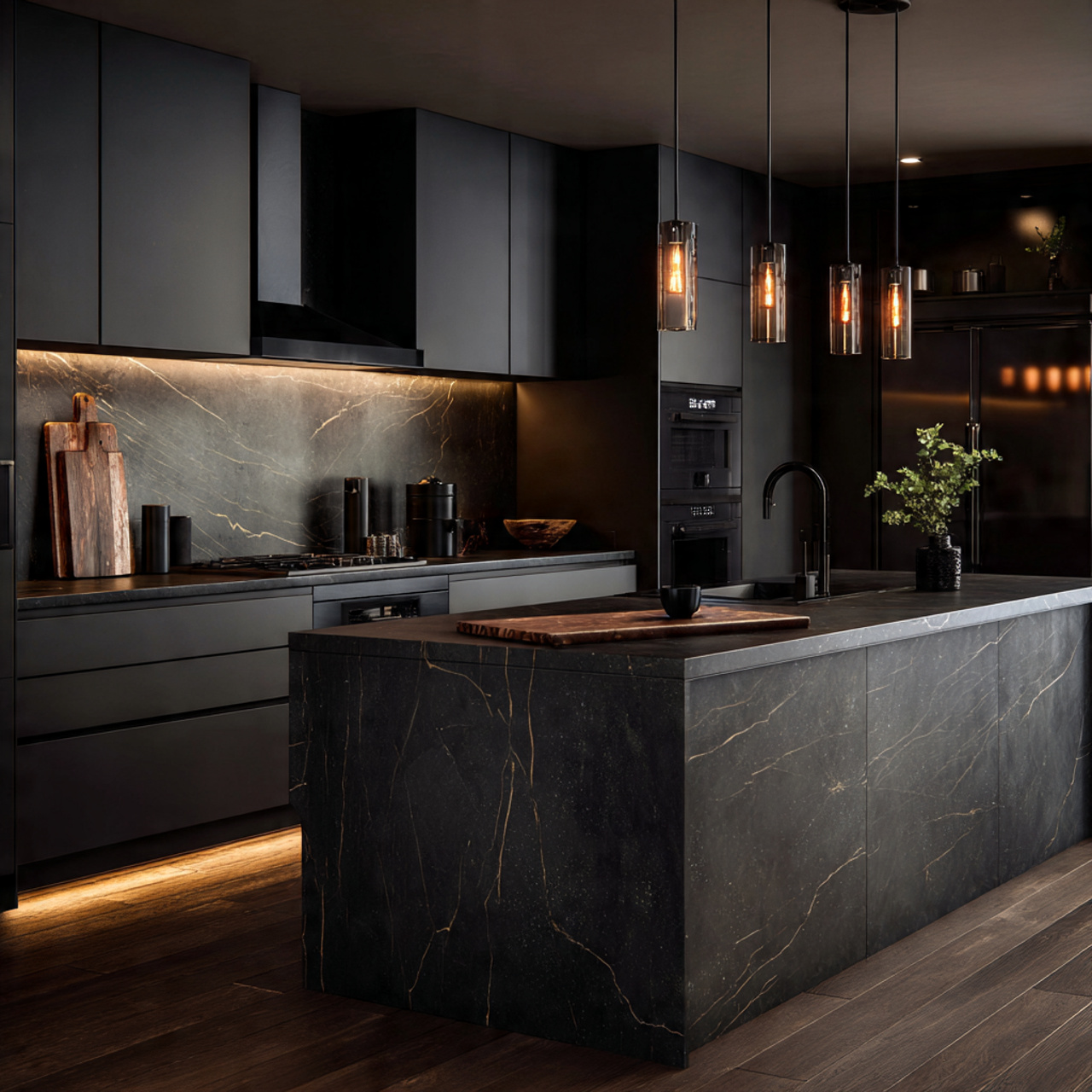
Black Kitchen Island Accents
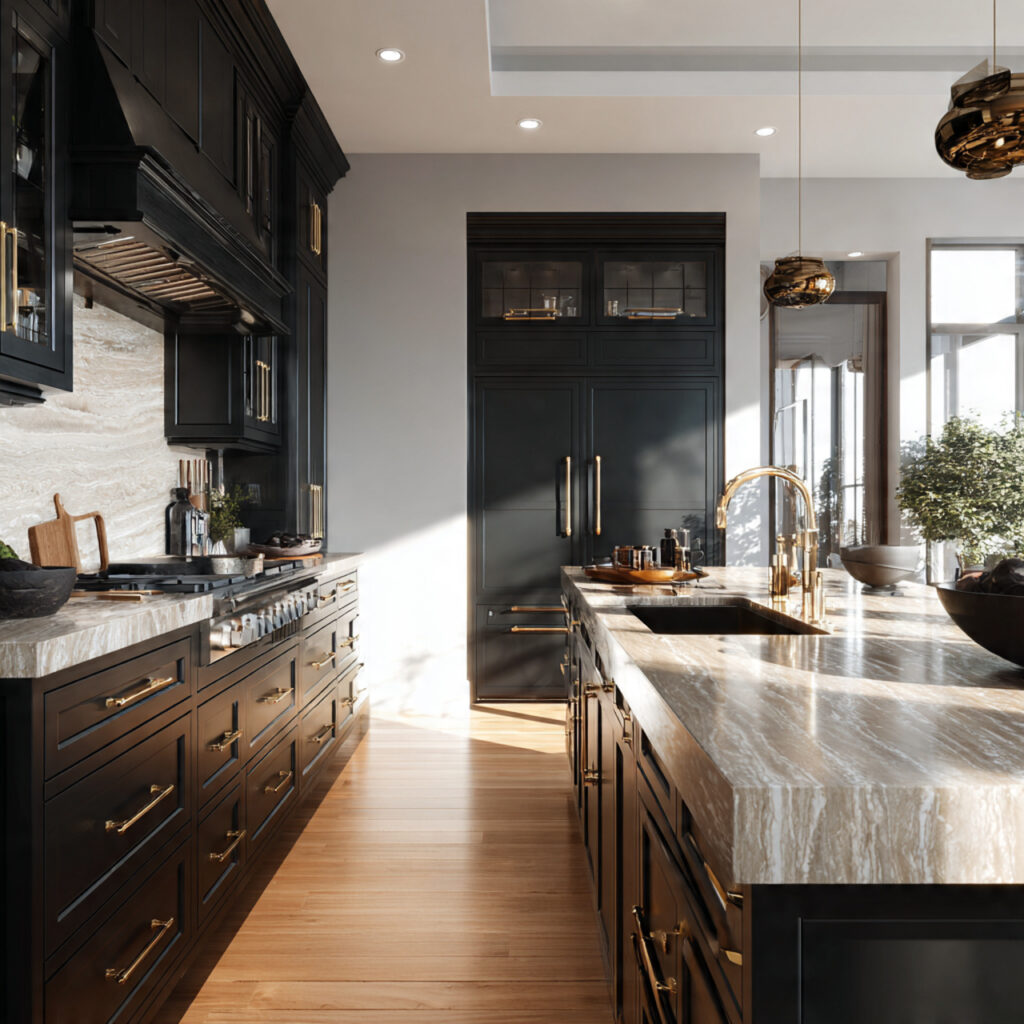
Using a deep black or charcoal finish for your island can create a bold, sophisticated contrast in a kitchen with lighter walls or cabinets. This dark anchor point provides a sense of drama and helps to define the center of the room in large, open spaces.
Black cabinetry pairs exceptionally well with gold or brass hardware, giving the kitchen a high-end, contemporary feel. It also hides scuffs and kicks from stools better than lighter colors, making it a practical choice for high-traffic households with pets or children.
White Kitchen Island Aesthetics
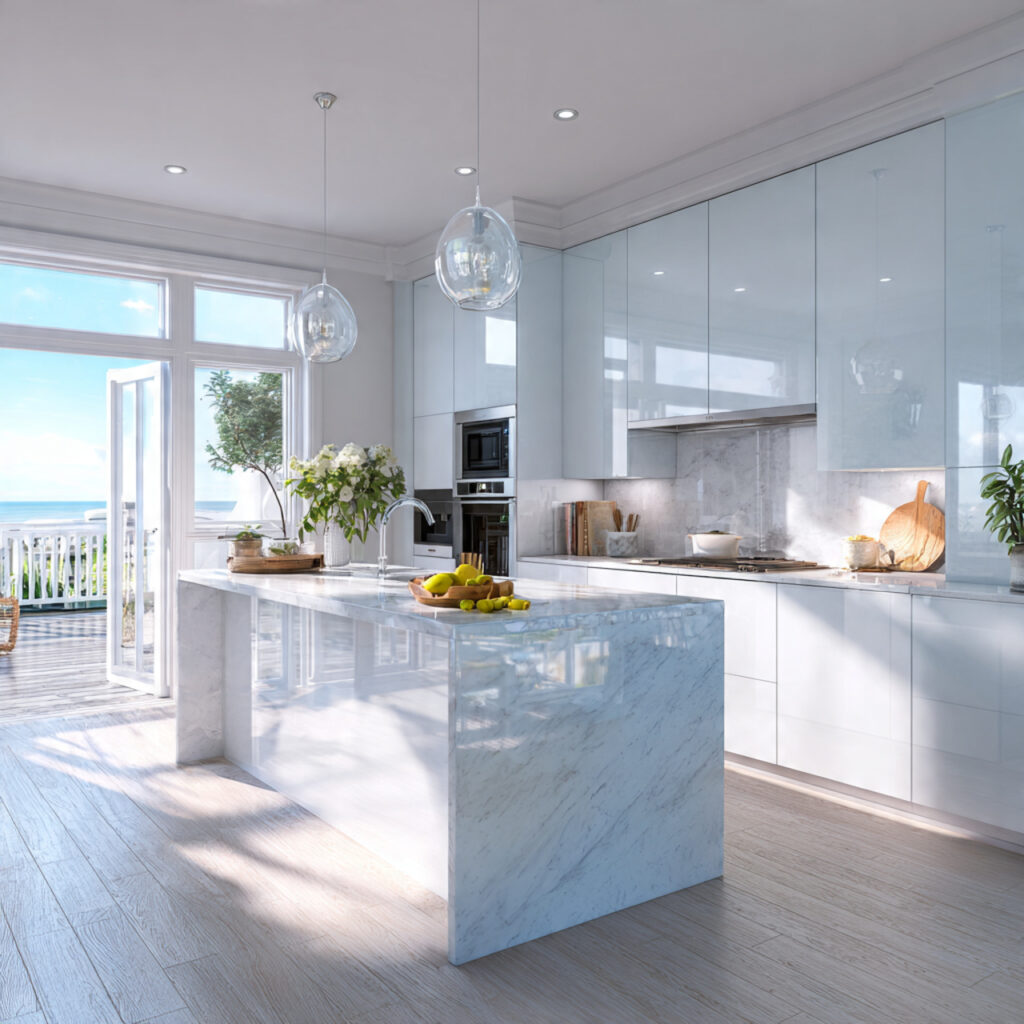
A white island is a timeless choice that keeps a kitchen feeling bright, clean, and spacious regardless of its actual size. It reflects light beautifully, which is especially beneficial in homes that may not have a lot of natural windows in the cooking area.
To keep a white unit from looking too clinical, you can add texture through a subway tile backsplash on the rear or by using a countertop with subtle grey marbling. This “all-white” look is a staple of Scandinavian and coastal designs because of its refreshing and calm energy.
Blue Kitchen Island Colors
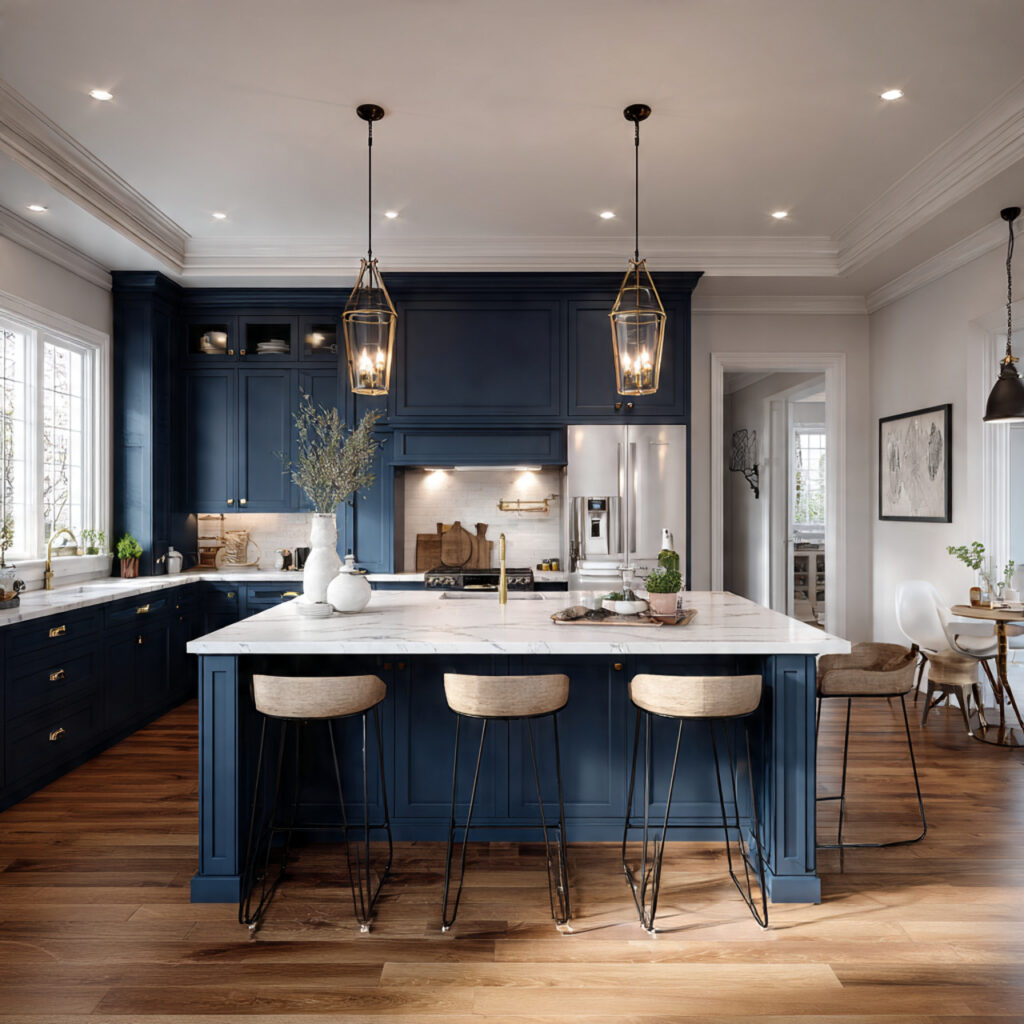
Navy or dusty blue has become a “new neutral” for kitchen islands, offering a pop of color that still feels sophisticated and grounded. It provides a nautical or classic traditional vibe that pairs perfectly with white quartz countertops and warm wood floors.
Blue is a versatile color that can lean either modern or traditional depending on the style of the cabinet doors and the hardware used. It is an excellent way to introduce personality into a home without committing to a trend that might feel dated in a few years.
Narrow Kitchen Island for Tight Spaces
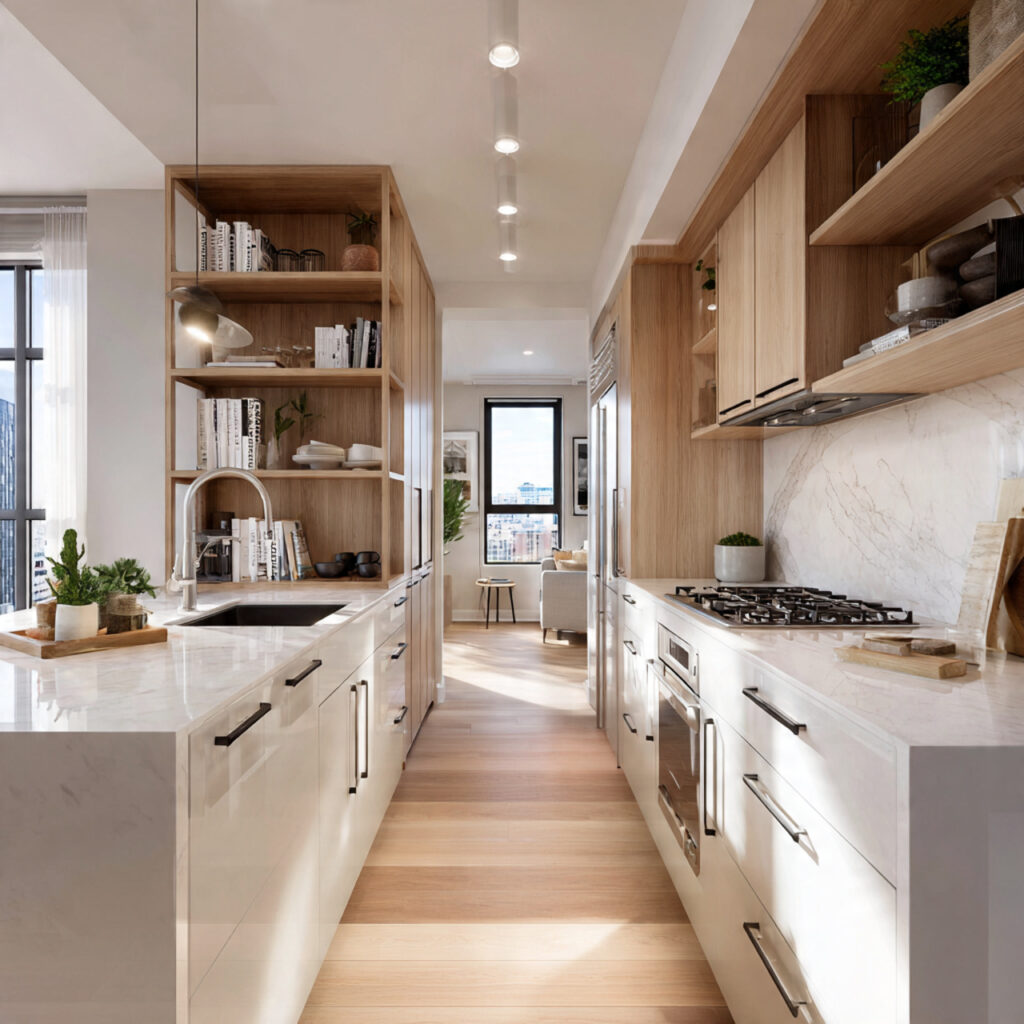
If your kitchen is long and thin, a narrow island (sometimes called a “galley island”) can provide extra counter space without blocking movement. These units are typically only 18 to 24 inches wide, making them more of a prep ledge than a full dining station.
Even a narrow unit can provide significant storage improvements by including shelving for pots and pans or a row of thin drawers for utensils. This ensures that every inch of a “challenging” kitchen layout is used efficiently to improve the homeowner’s cooking experience.
Kitchen Island With Storage
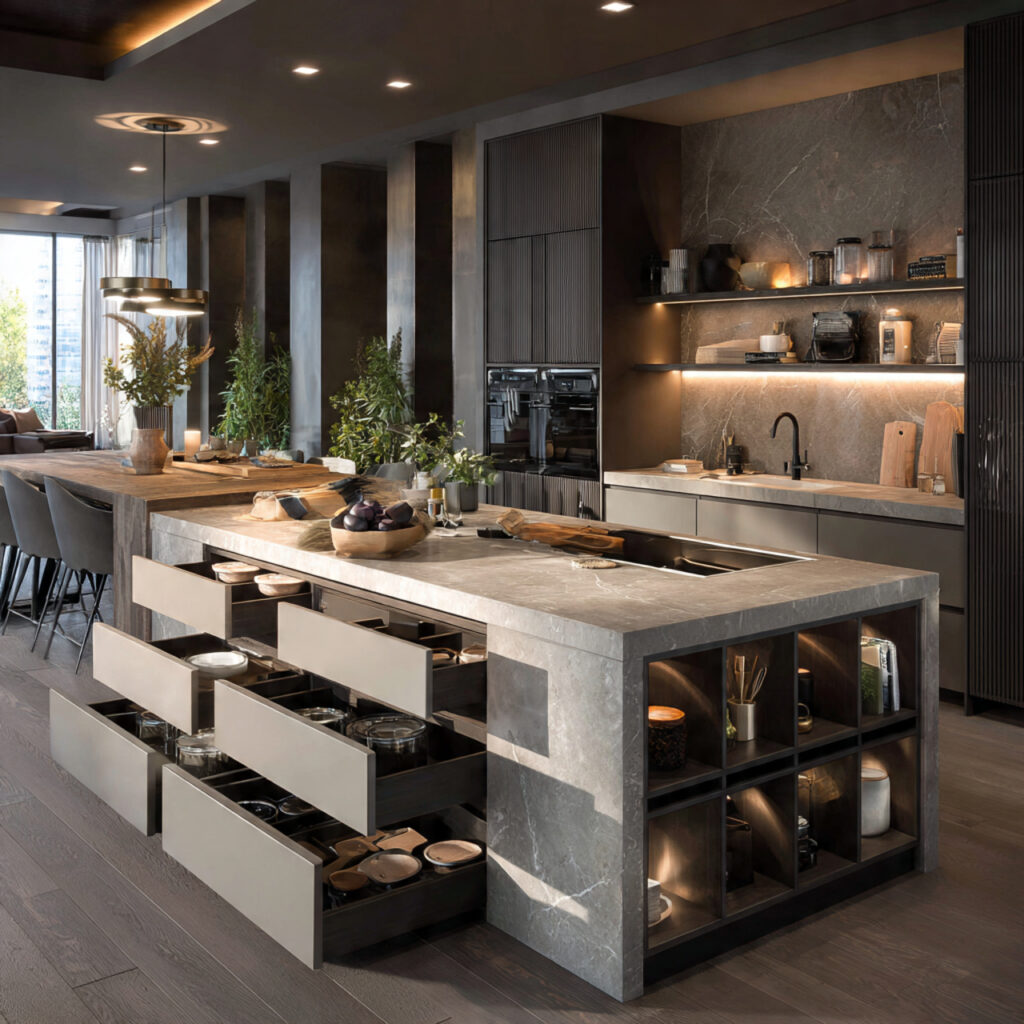
Maximizing storage is often the primary goal when adding an island, especially in homes where wall cabinets are limited by windows. Deep drawers are often preferred over standard cabinets because they allow you to easily see and reach items stored at the very back.
You can also incorporate specialized storage, such as built-in trash and recycling bins, to keep unsightly waste containers hidden from view. Open cubbies on the ends of the island can be used to display colorful cookbooks or decorative bowls, adding a personal touch to the room.
Industrial Kitchen Island Vibes
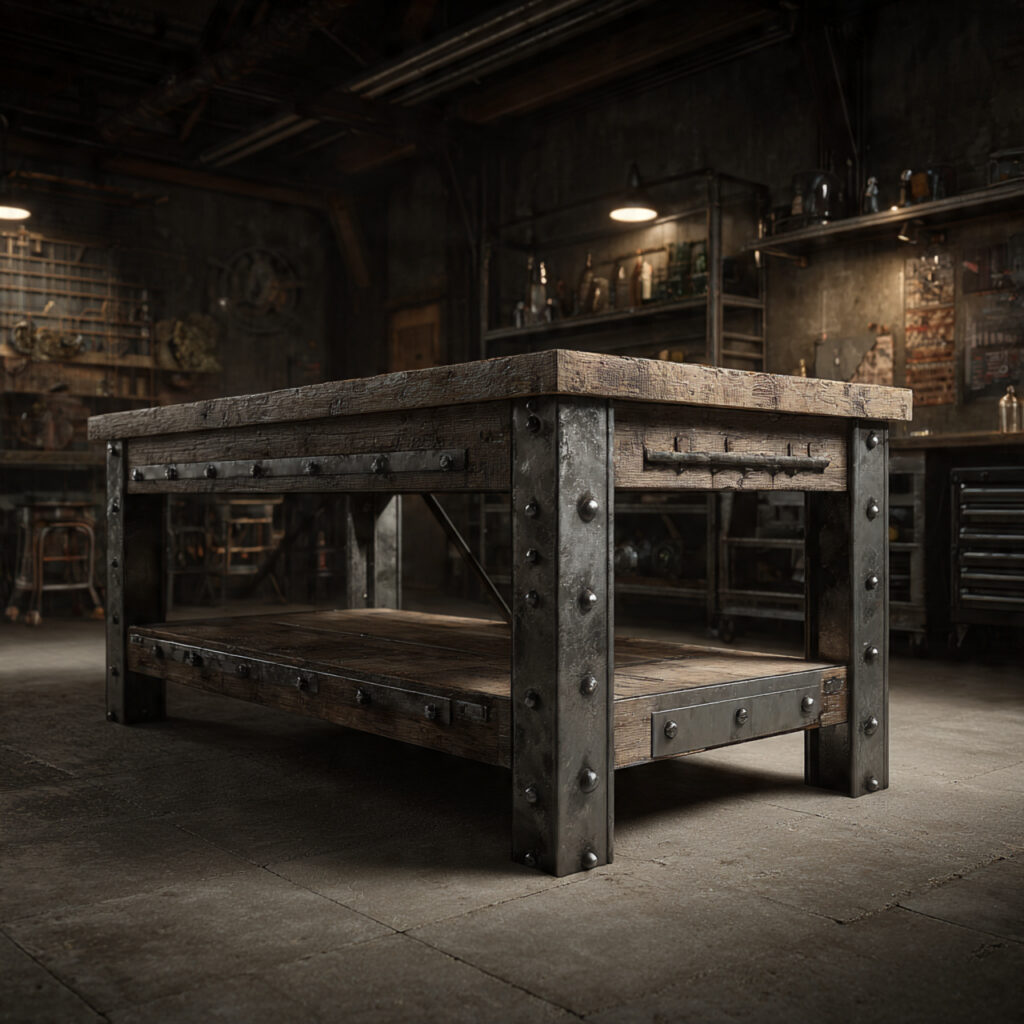
Industrial designs utilize raw materials like reclaimed wood, matte black metal, and concrete to create a “loft-style” look. These units often feature open metal frames rather than solid cabinetry, which keeps the kitchen looking rugged and edgy.
Large, heavy-duty wheels and exposed bolts are common design elements that add to the industrial charm of the piece. This style is perfect for homeowners who want a durable, low-maintenance kitchen that can handle heavy use without showing wear and tear.
Breakfast Bar Island Configurations
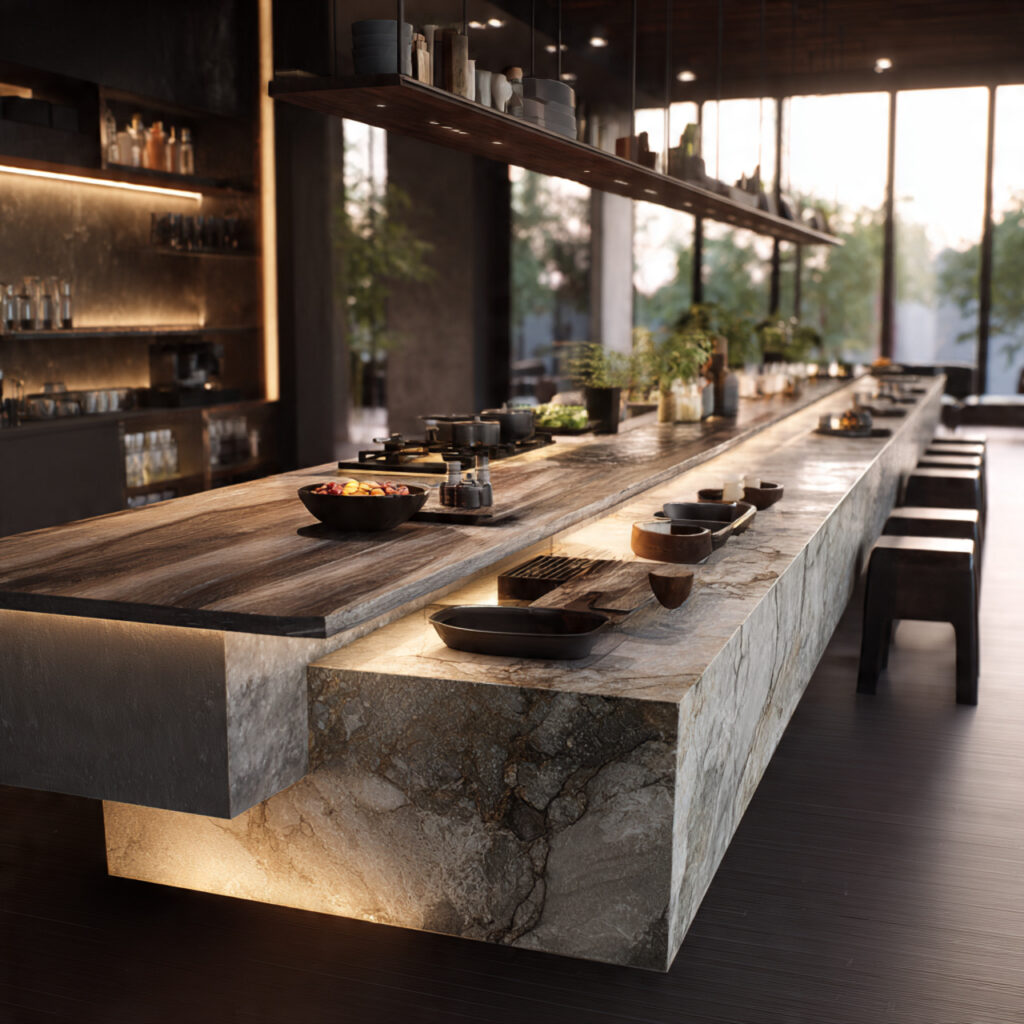
A breakfast bar configuration typically features a tiered countertop where the cooking surface is at one height and the dining surface is slightly higher. This effectively hides the “mess” of food preparation from people sitting at the bar, providing a cleaner dining experience.
This setup also provides a safety barrier, keeping guests or children away from hot stoves or sharp knives on the lower prep level. It is a classic design that has remained popular because it clearly defines the different zones of the kitchen while maintaining a social atmosphere.
Minimalist Kitchen Island Layouts
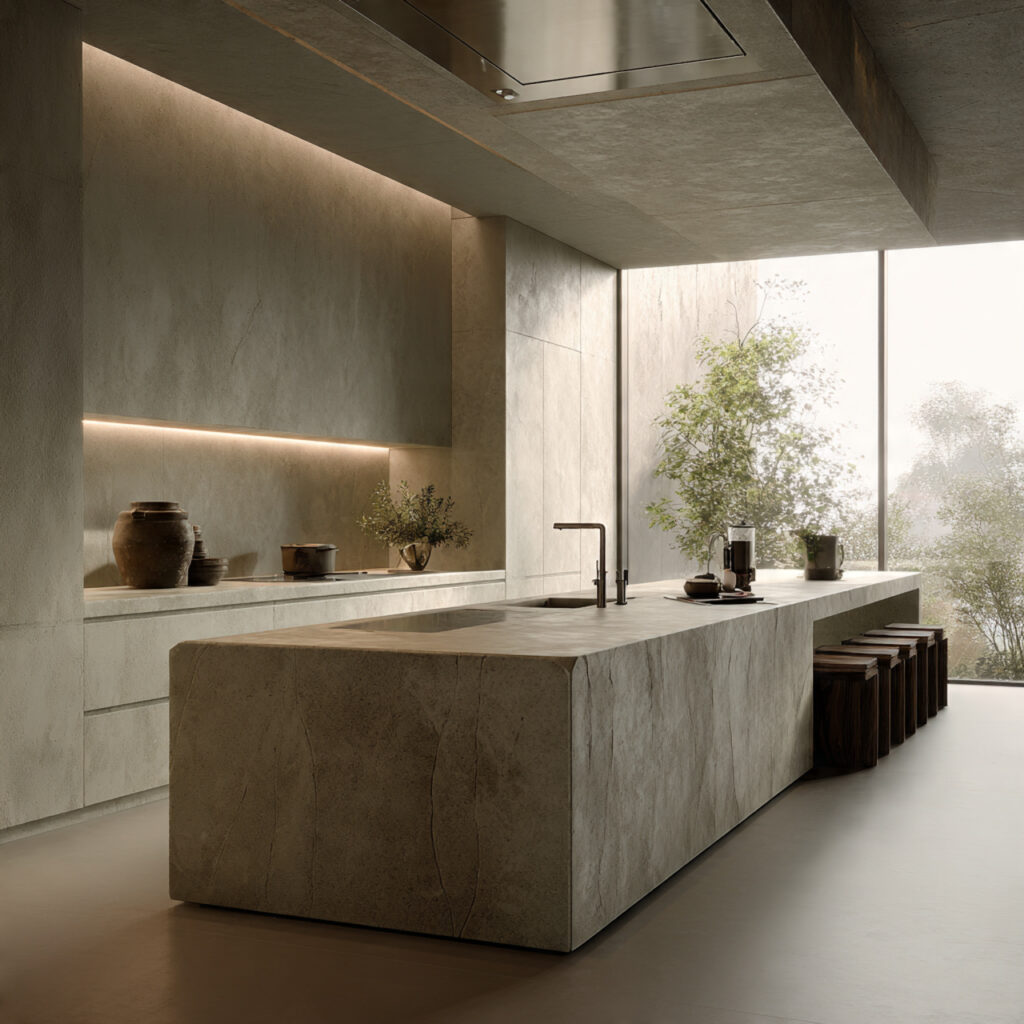
In minimalist design, the island is stripped back to its most basic form, often appearing as a solid block of a single material. There are no visible handles, ornaments, or clutter, allowing the architecture of the kitchen to speak for itself.
These islands often hide appliances behind “seamless” panels that match the cabinetry perfectly. The goal is to create a serene and organized environment where the functional elements of the kitchen disappear when they are not in use, creating a calm living space.
Integrated Appliances in a Kitchen Island
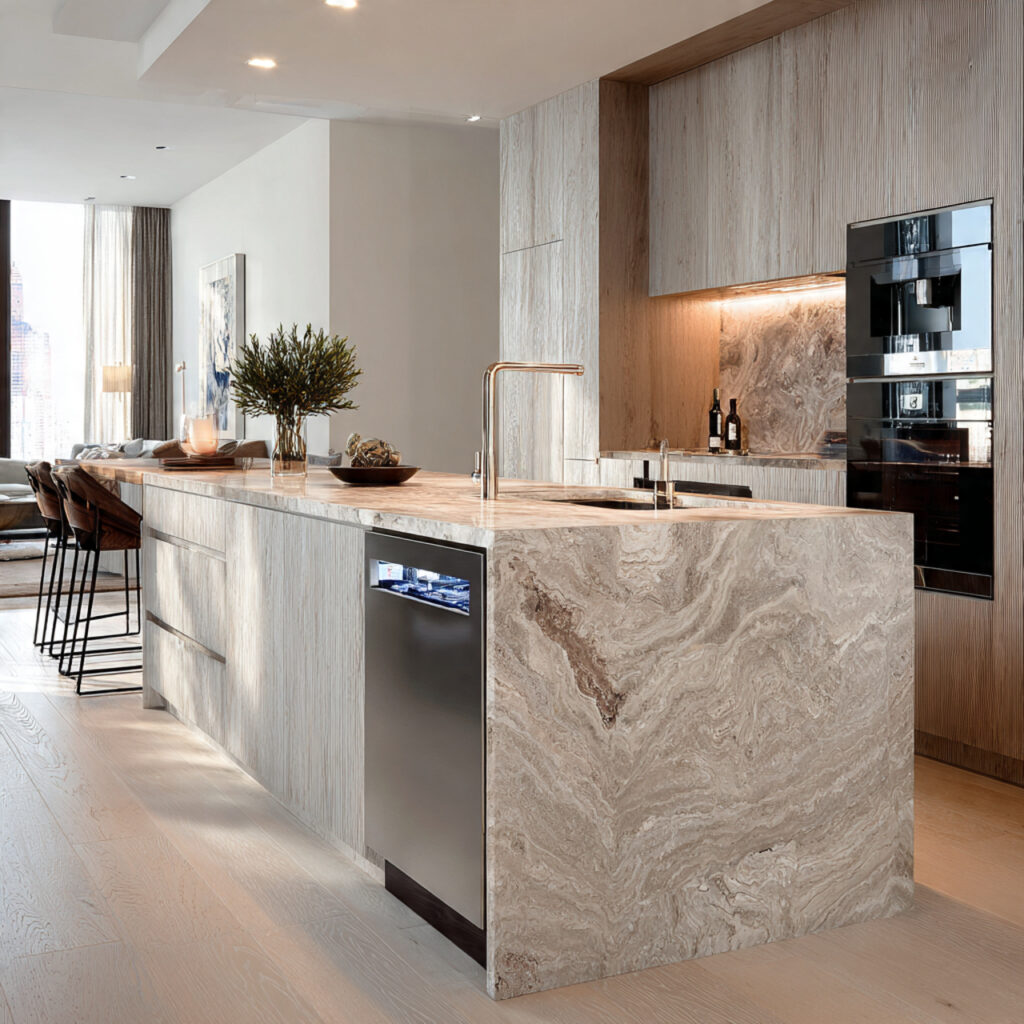
The trend of moving heavy appliances into the island helps to free up wall space for more windows or decorative shelving. Dishwashers, microwave drawers, and even under-counter refrigerators can be tucked away into the central unit for easy access.
Installing a cooktop in the island is also popular, though it requires specialized ventilation like a downdraft vent or a decorative ceiling hood. This setup allows the cook to remain facing the room and their guests while preparing hot meals, making the process much more inclusive.
FAQs About Kitchen Island
What is the ideal size for a kitchen island in a standard home?
The ideal size depends heavily on the dimensions of your kitchen, but a general rule is that an island should be at least 4 feet long and 2 or 3 feet deep. This provides enough surface area for meaningful food preparation while still allowing for a small seating area if the countertop is extended.
Larger kitchens can accommodate islands that are 7 feet or longer, but it is important not to make the unit so large that it becomes difficult to clean the center. You should always maintain a balance where the island feels proportional to the rest of the room’s features and cabinetry.
How much clearance is needed around a kitchen island for comfortable movement?
For a kitchen to feel functional and safe, you should aim for a minimum of 36 inches of clearance on all sides of the island. This “aisle space” allows for one person to move comfortably past another or for a cabinet door to be opened without hitting a person’s legs.
In a high-traffic kitchen where multiple people cook, a clearance of 42 to 48 inches is highly recommended for the best workflow. This extra space is especially important in front of major appliances like the dishwasher or refrigerator, where doors often swing out quite far into the walkway.
Does adding a kitchen island significantly increase property value?
Yes, a well-designed island is one of the most sought-after features for home buyers and can provide a high return on investment. It signals that the kitchen is modern, functional, and equipped for entertaining, which are top priorities for most people looking to purchase a home.
Beyond the immediate financial value, it increases the “lifestyle value” of the home by creating a more organized and social environment. Real estate experts often note that a kitchen with a high-quality island is frequently the deciding factor that helps a property sell faster in a competitive market.
Can you safely install a stove or cooktop on a kitchen island?
Installing a cooktop is perfectly safe as long as you have the proper ventilation and gas or electrical lines installed by a professional. It is important to leave at least 12 to 18 inches of “landing space” on either side of the stove so you have a place to set down hot pans or prep ingredients.
You must also consider the safety of those sitting at the island; a raised backsplash or a wide countertop can prevent grease from splashing onto diners. Providing a clear buffer zone ensures that the cooking area remains functional without becoming a hazard for children or guests sitting nearby.
What are the most durable materials for a high-traffic kitchen island?
Quartz is widely considered the most durable material for a high-traffic island because it is non-porous, scratch-resistant, and never requires sealing. It can withstand the rigors of daily meal prep, spilled liquids, and heavy use without losing its luster or staining.
For those who prefer natural stone, granite is a very tough alternative that can handle high heat and sharp knives better than marble or wood. If you choose a wood or butcher block top, be prepared for more maintenance, though these materials offer a warmth and softness that stone cannot replicate.
Conclusion
In conclusion, a kitchen island is much more than just an extra piece of furniture; it is a vital component of a high-functioning modern home. By adding significant storage, seating, and prep space, it solves many of the common frustrations associated with traditional kitchen layouts while providing a beautiful aesthetic focal point.
Whether you choose a sleek modern design or a rustic farmhouse style, the right unit will enhance your cooking experience and bring your family closer together. Investing in a high-quality kitchen island ensures that your kitchen remains the heart of your home for many years to come, offering both style and utility in equal measure.