Farmhouse Design Ideas for a Cozy Timeless Home
Farmhouse living has surged in popularity, offering a blend of rustic charm and modern comfort that resonates with homeowners seeking a cozy, unpretentious aesthetic. This enduring style moves beyond mere décor; it embodies a lifestyle rooted in simplicity, community, and connection to nature.
This comprehensive guide will explore the defining characteristics of farmhouse design, from architectural elements to interior choices. We’ll uncover why the appeal of a farmhouse remains so strong and provide inspiration across twenty-seven key areas, helping you embrace this classic, versatile design in your own home.
Unveiling the Enduring Charm of the Farmhouse Style
The appeal of the farmhouse aesthetic lies in its comfortable, welcoming atmosphere. It champions practical, durable materials, creating spaces that feel lived-in and authentic, whether you are in a rural setting or a bustling urban environment.
This style successfully merges old and new, pairing vintage finds and architectural salvage with modern amenities and clean lines. By focusing on natural textures and a light, airy color palette, a true farmhouse design achieves a relaxed elegance that is both timeless and deeply personal.
Rustic Farmhouse Kitchen

A rustic farmhouse kitchen serves as the heart of the home, prioritizing function and warmth above all else. It often features open shelving, displaying everyday dishware, and substantial, classic cabinetry painted in light, muted colors.
Incorporating natural wood countertops or butcher block islands adds to the authentic, hard-working feel of this farmhouse space. Consider using exposed beams and traditional hardware to further enhance the cozy, practical atmosphere.
Modern Farmhouse Exterior

The modern farmhouse exterior updates the classic barn silhouette with cleaner lines and often a dramatic, contrasting color scheme. Think crisp white board-and-batten siding paired with black trim and windows, offering a striking, sophisticated look.
Large, expansive porches and metal roofing are common elements that maintain a connection to traditional farmhouse architecture. This contemporary approach ensures the design feels both current and deeply rooted in the historical style.
Classic Farmhouse Décor

Classic farmhouse décor relies on a foundation of neutral colors, especially whites, creams, and light grays, which create a bright and airy feel. This palette is grounded by wood accents and touches of iron or galvanized metal.
Accessories include vintage-inspired signs, wire baskets, and items with a history, which lend a sense of character and narrative to the farmhouse setting. The goal is to make the space feel collected and comfortable, never stiff or overly formal.
DIY Farmhouse Furniture

Creating your own DIY farmhouse furniture allows for customization and budget-friendly design, adding unique pieces to your home. Simple plans for console tables, benches, or shelves often involve using reclaimed lumber or distressed finishes.
These handcrafted items introduce a raw, imperfect texture that perfectly complements the farmhouse aesthetic’s emphasis on utility and age. The satisfaction of a self-made piece enhances the personal, homey feel of the space.
Farmhouse Bathroom Vanity

A farmhouse bathroom vanity often features an open-shelf design or a repurposed antique dresser, moving away from sleek, built-in cabinetry. This adds visual interest and a sense of history to a typically modern space.
Pairing the vanity with a vessel sink or a simple white porcelain sink maintains the clean farmhouse look. Incorporate rustic wood finishes and simple metal fixtures for a perfect blend of old-world charm and functionality.
Open-Concept Farmhouse Layout

An open-concept farmhouse layout promotes ease of movement and sociability, reflecting the style’s focus on family and gathering. Kitchens, dining areas, and living rooms often flow seamlessly into one another.
This design maximizes natural light and makes even smaller homes feel more expansive and connected. The cohesive flow is achieved by using consistent farmhouse materials and color schemes across all shared spaces.
Farmhouse Dining Table

The farmhouse dining table is typically a large, substantial piece of furniture, often made from heavy, distressed wood. It is designed to accommodate large family gatherings and is meant to be used daily, not just for special occasions.
A key feature is its simple, sturdy construction, often incorporating trestle or pedestal bases. Pairing this rustic table with mixed seating, like benches and classic chairs, enhances the welcoming, informal farmhouse feel.
Vintage Farmhouse Lighting

Vintage farmhouse lighting plays a crucial role in setting the mood, often featuring fixtures made of wrought iron, distressed metal, or galvanized steel. Pendants and chandeliers should have a recognizable, utilitarian shape.
Look for fixtures that resemble old barn lights, industrial pendants, or simple glass jars over Edison bulbs. The right lighting is essential for casting a warm, inviting glow throughout the entire farmhouse home.
Farmhouse Wall Art

Farmhouse wall art leans toward simple, meaningful pieces that evoke rural life, family, and nature. Common themes include rustic signs with comforting typography, botanical prints, and sketches of animals or landscapes.
Gallery walls often incorporate mixed media, such as wooden signs, mirrors with distressed frames, and small, functional shelves. This art should complement, not overwhelm, the overall relaxed farmhouse aesthetic.
Shiplap Farmhouse Accent Walls

Shiplap has become virtually synonymous with the farmhouse style, providing a clean, textured backdrop that instantly adds character. While historically functional, today it is primarily used for its distinctive visual appeal.
It’s frequently used to create accent walls in living rooms, bedrooms, or even ceilings, usually painted a crisp white. Shiplap adds subtle dimension and reinforces the cozy, casual atmosphere of the farmhouse design.
Farmhouse Bedroom Ideas

A farmhouse bedroom should feel like a peaceful retreat, achieved through soft textiles and a minimalist approach to décor. The bed is often the focal point, utilizing a simple metal or reclaimed wood headboard.
The color scheme should remain light and soothing, relying on layers of linen, cotton, and knitted blankets for warmth. This simplicity ensures the farmhouse bedroom fosters a restful and uncluttered environment.
Coastal Farmhouse Style

Coastal farmhouse successfully merges the comfort of the rural style with the light, airy feeling of beach living. It maintains the rustic wood elements but brightens them with a palette of blues, seafoam greens, and bright whites.
Natural fibers like jute and rattan replace some heavier iron elements, and décor often incorporates subtle nautical motifs. This hybrid style creates a relaxed yet sophisticated atmosphere perfect for a breezy farmhouse retreat.
Farmhouse Flooring Options

The best farmhouse flooring options are those that are durable, low-maintenance, and lend an authentic, aged appearance. Wide-plank wood flooring, often lightly stained or reclaimed, is the top choice for its warmth and character.
Alternatively, large-format, light-colored tiles or concrete floors can be used in kitchens and bathrooms for a more modern farmhouse feel. Rugs are often simple, natural-fiber mats or vintage-style runners.
Industrial Farmhouse Elements

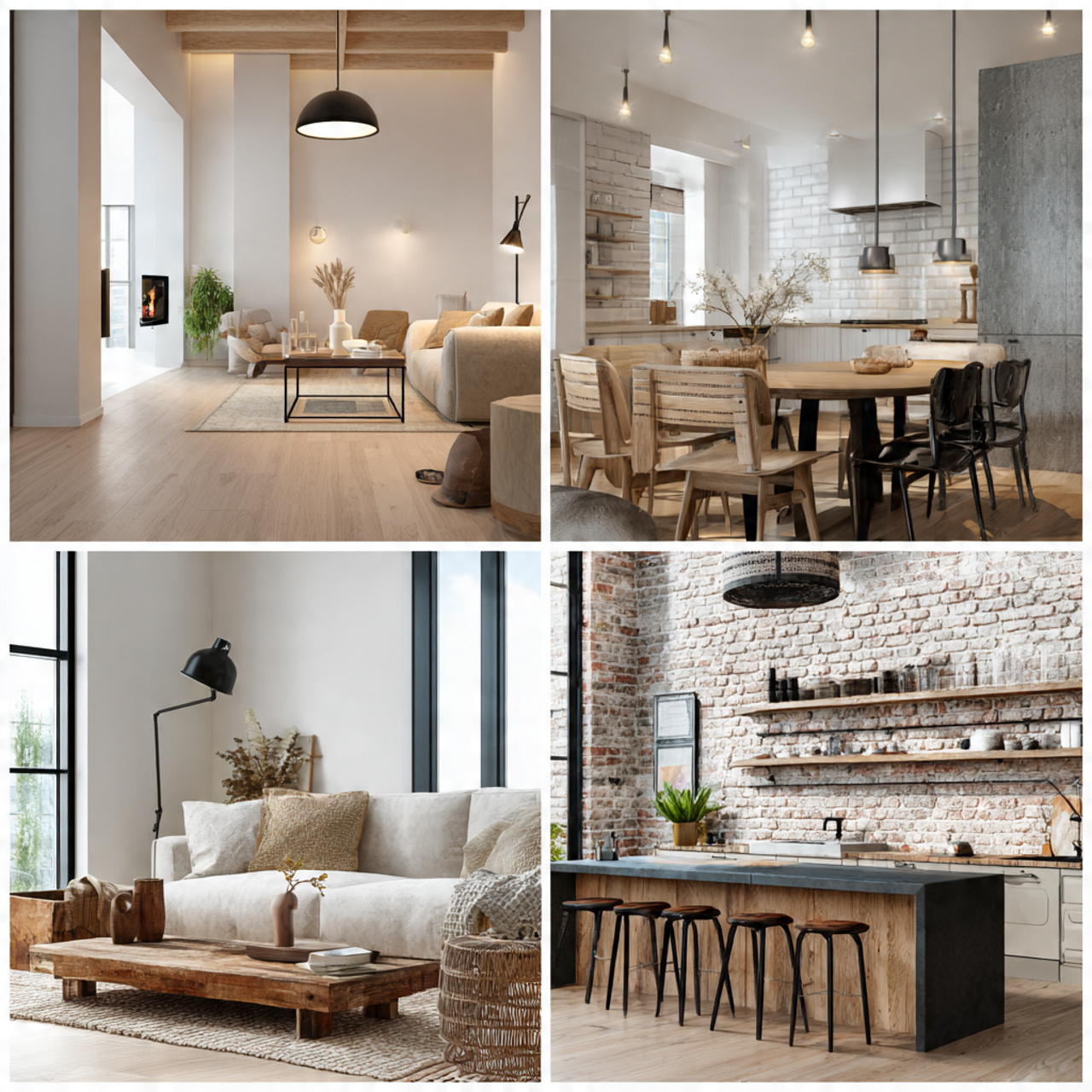
Industrial farmhouse design is achieved by blending the rustic textures of wood and linen with raw, utilitarian materials like exposed ductwork, black metal pipes, and cage light fixtures. This creates a balanced, edgy look.
Black metal accents, such as chair frames or cabinet hardware, are key to this fusion. The industrial elements add a modern, robust feel that keeps the traditional farmhouse from becoming too soft or overly romantic.
Farmhouse Mudroom Design

A farmhouse mudroom must be highly functional, serving as the primary transition space between the outdoors and the living area. It features built-in bench seating, durable tiled floors, and plenty of storage cubbies.
Hooks and open shelves are essential for organizing coats, bags, and shoes, ensuring the space remains tidy and practical. A well-designed mudroom reinforces the efficient, sensible nature of the entire farmhouse home.
Affordable Farmhouse Style

Achieving an affordable farmhouse look involves sourcing items creatively, utilizing flea market finds, and implementing DIY projects. Focus on painting existing furniture white and swapping out hardware for a cohesive change.
Shiplap can be recreated with inexpensive plywood boards cut into strips, offering a huge visual impact for a low cost. The essence of the farmhouse style is about comfort and function, which doesn’t require expensive pieces.
Small Farmhouse Living Room

In a small farmhouse living room, maximizing light and space is paramount. Use fewer, more substantial pieces of furniture instead of many small ones, and keep the color palette predominantly light and neutral.
Wall-mounted shelves and built-in storage can help declutter and keep the space feeling open. A single, dramatic focal point, like a simple fireplace or a reclaimed wood coffee table, grounds the cozy farmhouse room.
Farmhouse Porch Design

The farmhouse porch is a defining feature, often wide and covered, serving as an outdoor extension of the home’s living space. It is designed for relaxation, featuring comfortable seating like rocking chairs or a porch swing.
Simple, oversized planters with greenery and a durable, light-colored floor tie the porch to the home’s exterior aesthetic. This welcoming space enhances the home’s curb appeal and promotes the leisurely farmhouse lifestyle.
Cozy Farmhouse Textiles

Cozy farmhouse textiles are essential for adding softness and warmth, contrasting with the often hard surfaces of wood and metal. Linens, cottons, and wool are preferred, often with subtle patterns like stripes or checks.
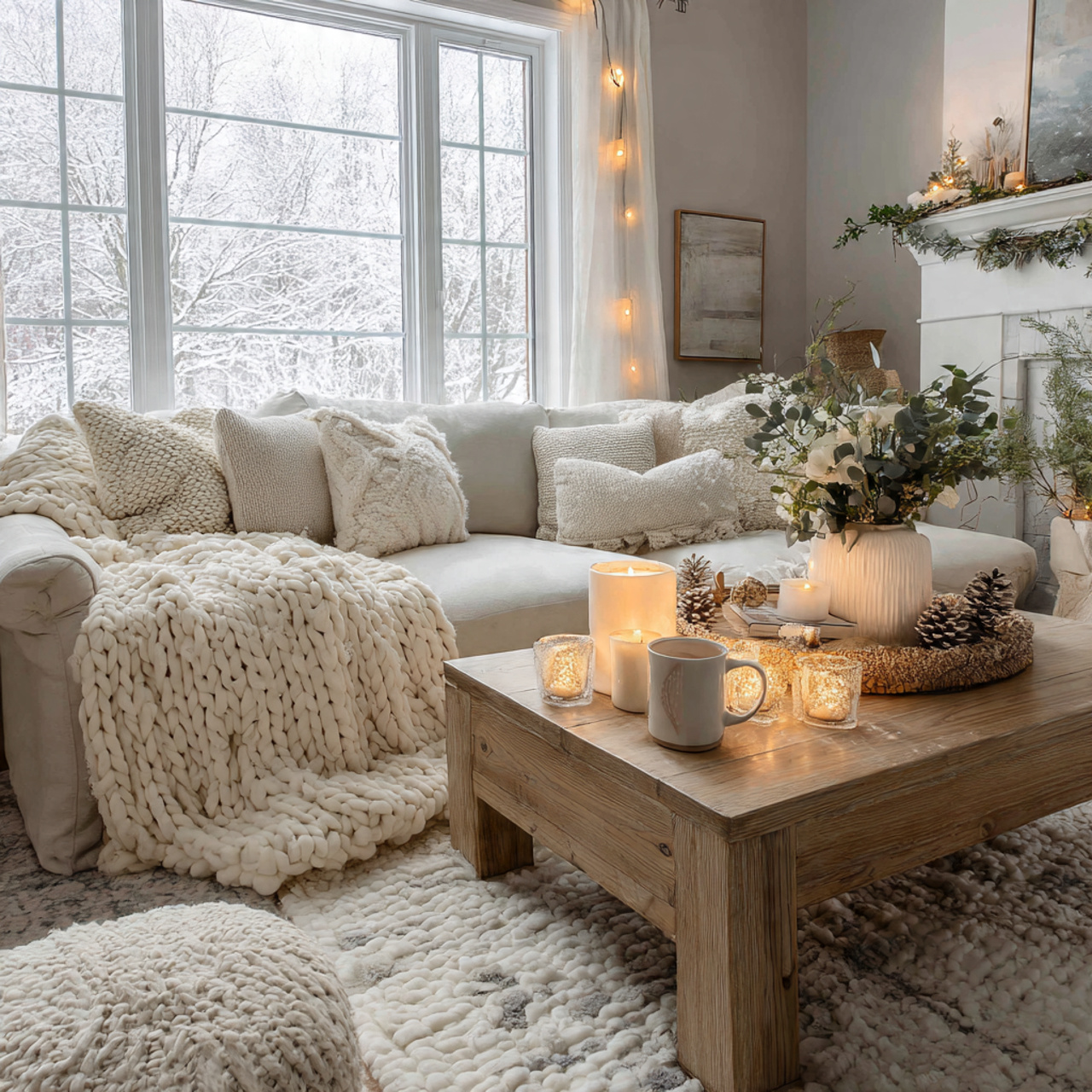
Layering is key, with throw blankets draped over sofas and pillows plumped on chairs. This use of texture is crucial for creating the inviting, comfortable environment characteristic of any true farmhouse interior.
Black and White Farmhouse Palette

The black and white farmhouse palette is a modern interpretation that provides a clean, high-contrast look while retaining rustic elements. White dominates the walls and shiplap, acting as a bright canvas for the design.
Black is used sparingly but effectively in window trim, hardware, light fixtures, and furniture accents, adding visual depth. This simple yet sophisticated color scheme is a hallmark of contemporary farmhouse architecture.
Farmhouse Sink Guide

The farmhouse sink, also known as an apron-front sink, is a deep, large basin that is both highly practical and aesthetically central to the kitchen. It is designed to handle large pots and stacks of dishes easily.
While classic white fireclay is the most iconic material, copper, stainless steel, or even black granite options are available for a modern twist. The choice of sink is a key decision when designing a functional farmhouse kitchen.
Storage Solutions for a Farmhouse

Effective storage solutions in a farmhouse design blend practicality with rustic appearance. Open shelving is popular for displaying everyday items, while antique hutches and glass-front cabinets offer stylish closed storage.
Wire baskets, woven bins, and wooden crates are often used in open spaces to organize clutter while adding texture. Good storage maintains the clean, functional look that is so valued in farmhouse living spaces.
Farmhouse Fireplace Mantels

A farmhouse fireplace mantel is typically a large, simple beam, often made of rough-hewn or reclaimed wood, serving as a powerful focal point. The surround itself is often simple stone, brick, or white shiplap.
The mantelpiece is usually adorned simply with a large mirror, a piece of art, or a collection of simple white pitchers and greenery. This feature adds undeniable warmth and tradition to any farmhouse living area.
Achieving Farmhouse Curb Appeal

To achieve strong farmhouse curb appeal, focus on simple, classic architectural elements like a gabled roof, board-and-batten siding, and a prominent front porch. Landscaping should be neat but not overly manicured.
A clearly defined walkway, a pair of simple lanterns flanking the front door, and a traditional mailbox complete the look. These elements convey the comfortable and welcoming nature of the farmhouse from the street.
Sustainable Farmhouse Practices

Modern farmhouse design is increasingly incorporating sustainable practices, reflecting the style’s roots in practicality. This includes using reclaimed or locally sourced lumber and selecting durable, long-lasting materials.
Energy efficiency is key, often achieved through large windows that maximize natural light and minimize the need for artificial lighting. Embracing sustainability aligns perfectly with the sensible, enduring values of the original farmhouse concept.
Farmhouse Garden Inspiration

A farmhouse garden is typically informal and productive, often including a mix of flowers, herbs, and vegetables. Raised wooden garden beds and simple fencing define the space without being overly ornate.
The landscaping should feel integrated with the home, featuring classic plantings like hydrangeas, lavender, and simple cottage roses. The garden reflects the self-sufficient, nature-loving spirit of the farmhouse lifestyle.
The Future of Farmhouse Design

The future of farmhouse design points toward an even greater emphasis on the “modern” side of the equation, with cleaner lines and a richer mix of textures like concrete and black steel. The core comfort remains, but the execution becomes sleeker.
Personalization will be key, with homeowners moving away from highly uniform designs and incorporating more unique, artisan pieces. This evolution ensures the farmhouse style stays relevant and deeply customized for years to come.
FAQs About Farmhouse
What are the defining characteristics of a modern farmhouse design?
The modern farmhouse blends traditional rustic elements with contemporary finishes, focusing on clean lines, open floor plans, and high-contrast color palettes like white and black. It minimizes clutter and emphasizes function, offering a refreshed, streamlined take on the classic style while maintaining the cozy, welcoming feel of a traditional farmhouse.
How does the farmhouse style differ from rustic or country styles?
While they share elements, the farmhouse style is characterized by a balance of old and new, and it prioritizes light, bright neutrals (especially white). Rustic style leans heavily on unrefined, darker natural materials, and country style often incorporates more busy patterns, florals, and vibrant, traditional colors.
What are the most essential materials used in farmhouse construction and décor?
The most essential materials for a genuine farmhouse aesthetic include natural woods (often reclaimed or distressed), shiplap, durable textiles like linen and cotton, and metal finishes such as black iron, bronze, or galvanized steel. These materials contribute to the style’s emphasis on durability and natural charm.
Is the farmhouse trend declining, or is it a timeless style?
The farmhouse style is proving to be a timeless aesthetic, not a declining trend. While specific elements like overly distressed wood or aggressive shiplap may evolve, the core principles of comfort, natural materials, and simplicity will endure. Its adaptability, demonstrated by styles like modern and coastal farmhouse, ensures its longevity.
What budget-friendly tips can transform a regular home into a farmhouse?
To achieve a farmhouse look affordably, focus on painting walls and cabinetry a crisp white, adding simple shiplap or beadboard accents, and utilizing salvaged or DIY furniture. Replacing hardware with vintage-look pulls and incorporating inexpensive accessories like mason jars, wire baskets, and linen throws can instantly capture the farmhouse feel.
Conclusion
The farmhouse style, with its comforting blend of nostalgia and contemporary functionality, is more than a fleeting trend; it’s a design philosophy. Its emphasis on durability, simplicity, and warmth ensures its continued relevance in the world of interior design, offering a welcoming retreat for anyone seeking a grounded, beautiful home. The enduring appeal of the farmhouse lies in its ability to evoke a sense of history and hearth, a perfect antidote to the demands of modern life.