27 Genius White Living Room Ideas for Cozy, Chic Spaces
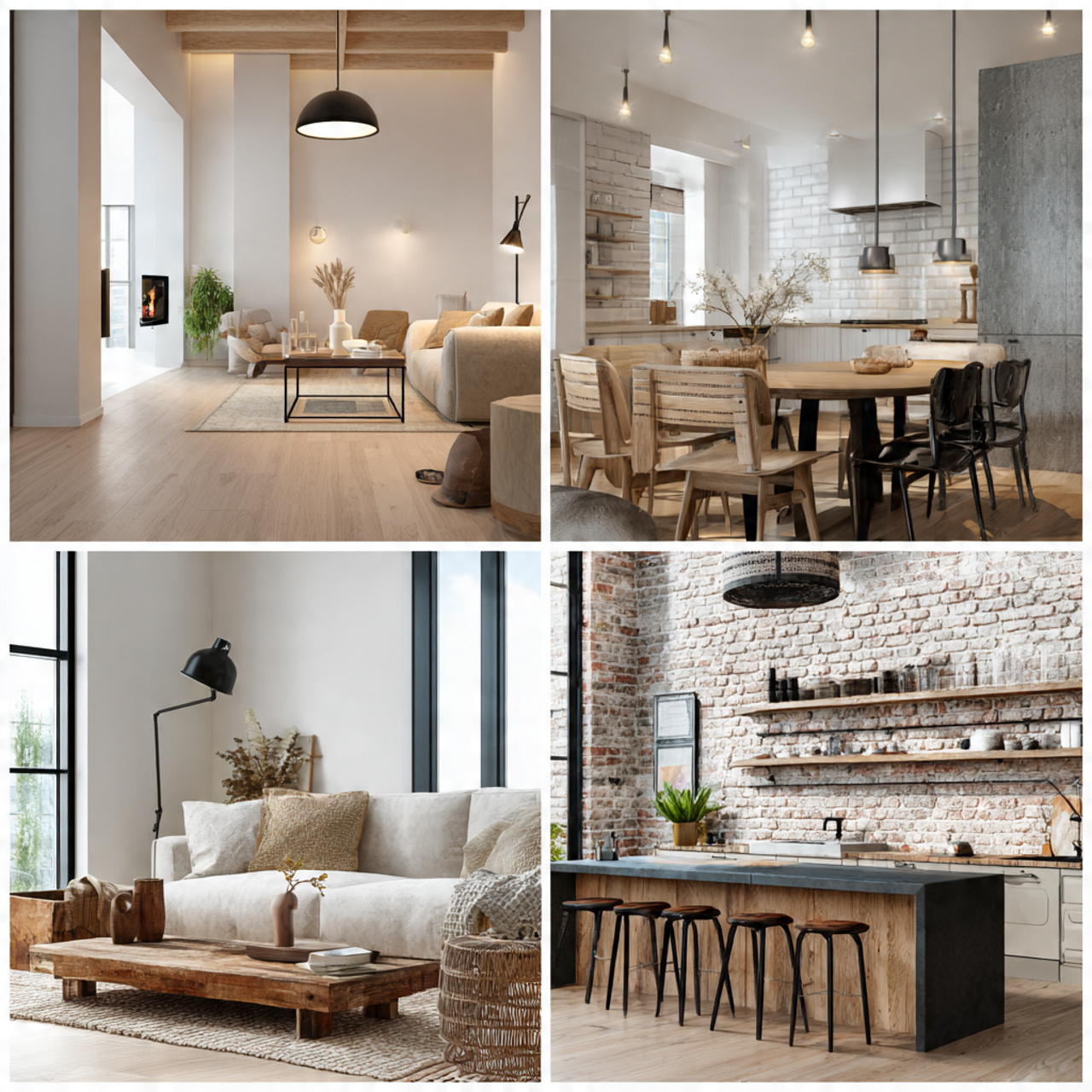
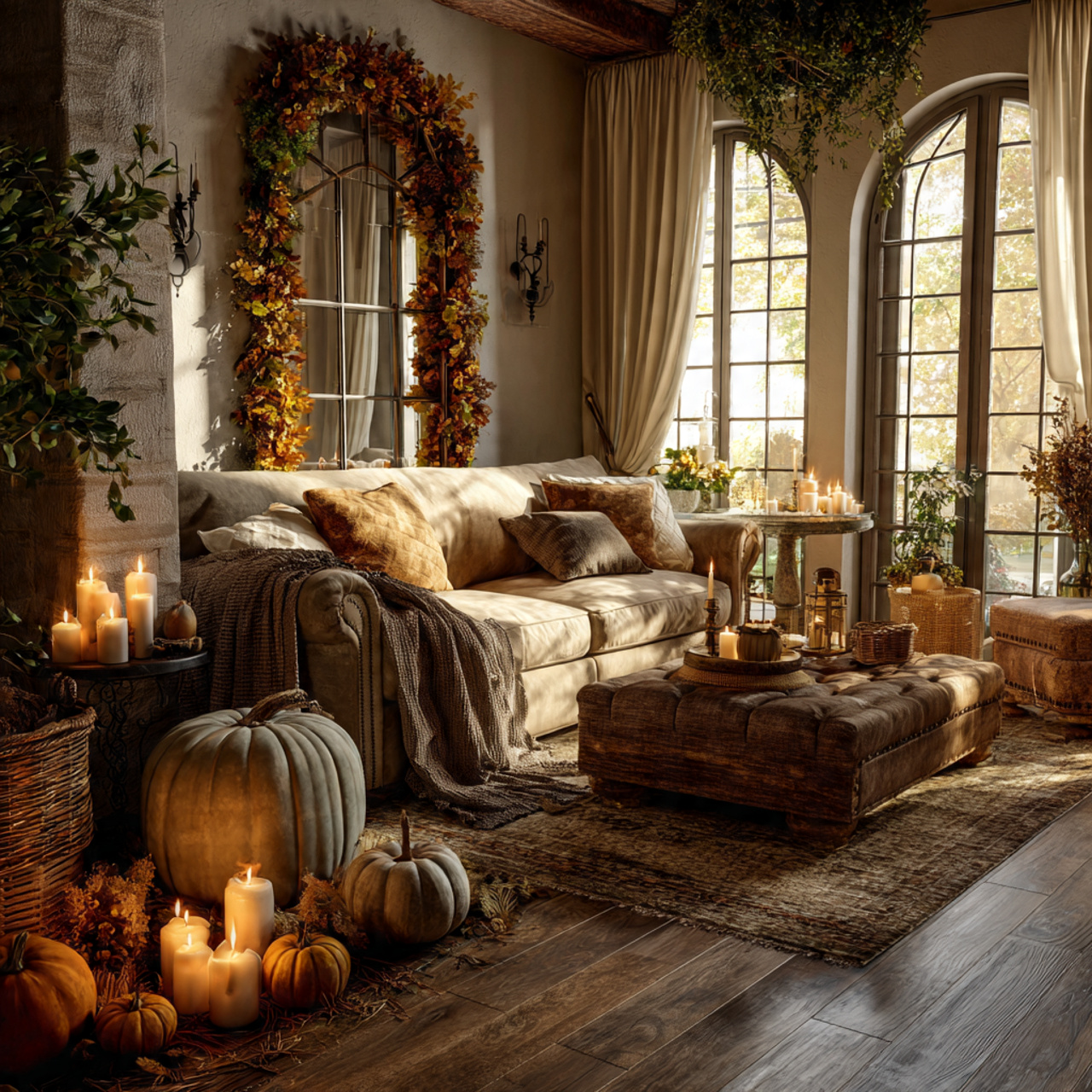
White Living Room Ideas offer homeowners an unparalleled canvas for design, creating spaces that feel instantly larger, brighter, and more serene. This timeless aesthetic moves far beyond simple neutrality, providing a sophisticated backdrop that can be adapted to virtually any design style, from ultra-modern minimalism to cozy farmhouse charm. Learning how to properly layer textures, introduce subtle color variations, and strategically place accents is key to ensuring the room feels welcoming rather than sterile.
Embracing an all-white palette is a powerful design choice that reflects light and promotes a feeling of cleanliness and calm. Whether you are tackling a full renovation or simply seeking to refresh your current decor, the strategies outlined below will help you maximize the potential of a bright, beautiful living area. Let’s dive into the essential components that bring this refreshing aesthetic to life.
The Allure of White Living Room Ideas
The core appeal of incorporating white living room ideas stems from their inherent ability to manipulate light and space. White surfaces reflect up to 80% of the light that hits them, making even the smallest or darkest rooms feel expansive and airy. This color choice provides a sophisticated, almost gallery-like setting that allows furniture and decorative objects to take center stage, elevating their perceived value and artistry.
Furthermore, white offers unmatched design longevity. It serves as a true neutral base, meaning you can completely overhaul your seasonal decor or accent color scheme without ever needing to repaint the walls or replace major furniture pieces. This flexibility makes white an economical and stylish choice for homeowners who enjoy keeping their spaces feeling fresh and contemporary year after year.
Layering Texture in an All-White Space
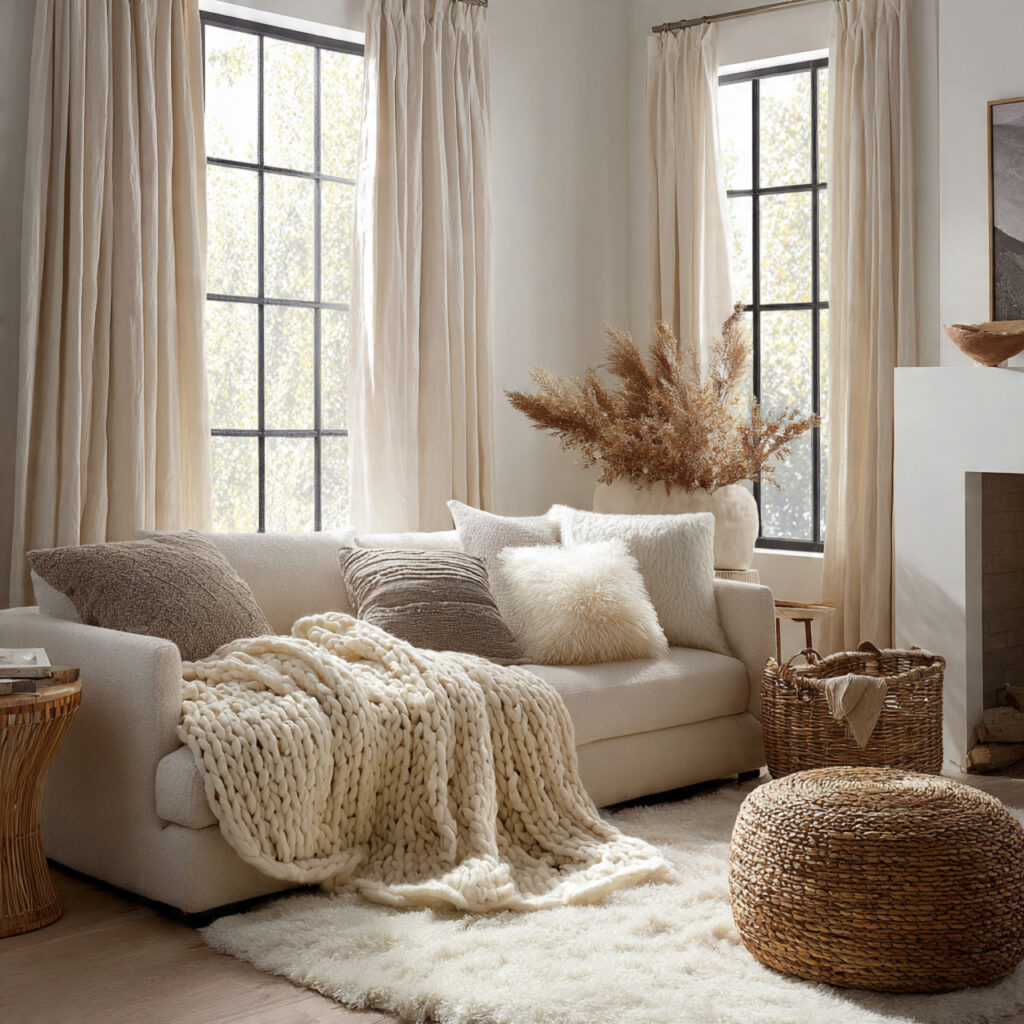
The secret to avoiding a sterile or bland white room lies in the careful layering of diverse textures. Utilize materials like chunky knit throws, plush sheepskin rugs, ribbed velvet pillows, and matte linen slipcovers to create visual and tactile depth. When colors are minimal, texture becomes the primary element of interest, inviting interaction and softening the overall aesthetic.
Consider incorporating natural fibers like rattan, jute, or sisal into the space, as these subtly introduce earthy tones while emphasizing touchable surfaces. By intentionally mixing hard, reflective surfaces (like glass coffee tables) with soft, absorbing surfaces (like a deep boucle sofa), you achieve a dynamic tension that makes the white palette feel rich and complex.
Incorporating Warm Wood Tones
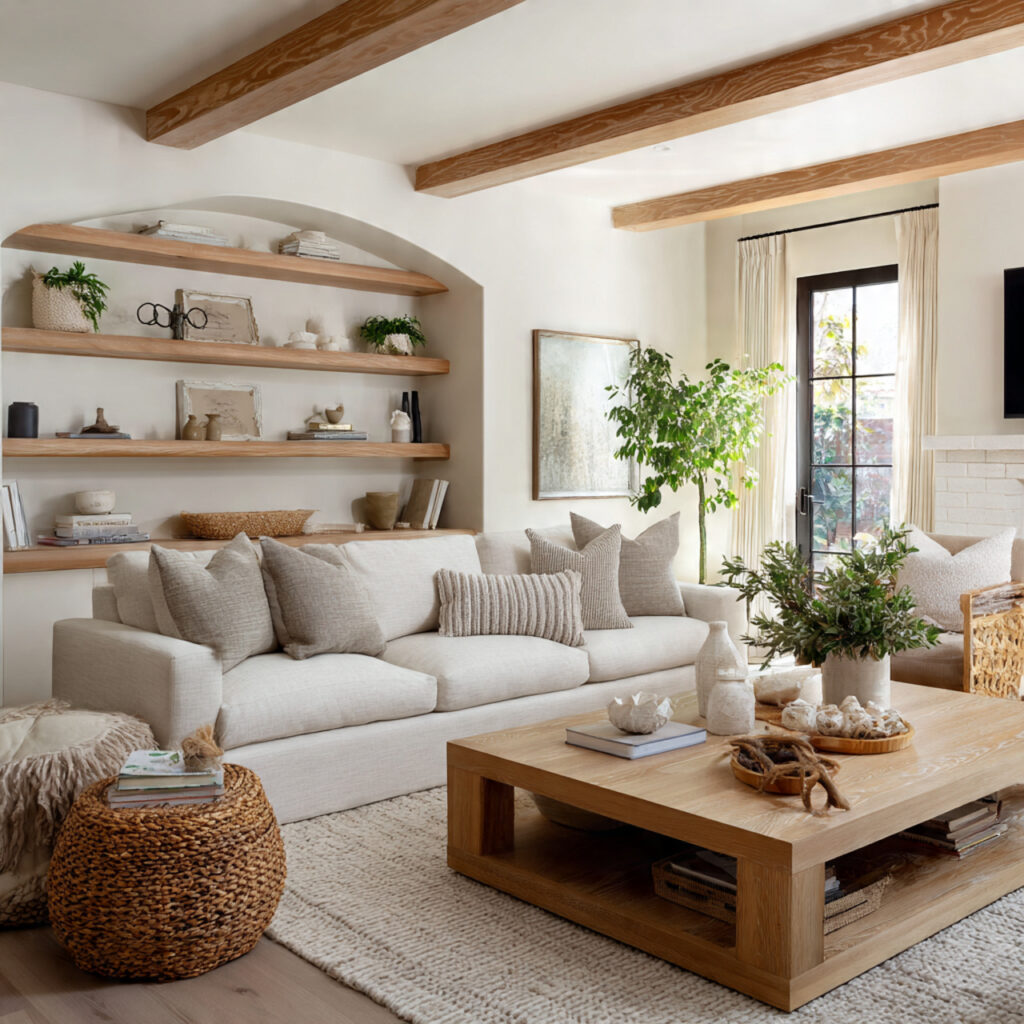
To ground a predominantly white setting and prevent it from feeling too cold, warm wood tones are indispensable. Introduce elements like a light oak console table, floating shelves made from reclaimed wood, or a distressed mahogany side table. The natural grain and inherent warmth of the wood act as a counterpoint to the starkness of the white walls.
The ratio of white to wood is crucial for striking the perfect balance; use wood on large surfaces, such as flooring or beams, or as key accent pieces to ensure its effect is noticeable. These organic elements bring a vital sense of nature and history into the space, making the entire room feel immediately more comfortable and lived-in.
Using Metallic Accents for Glamour
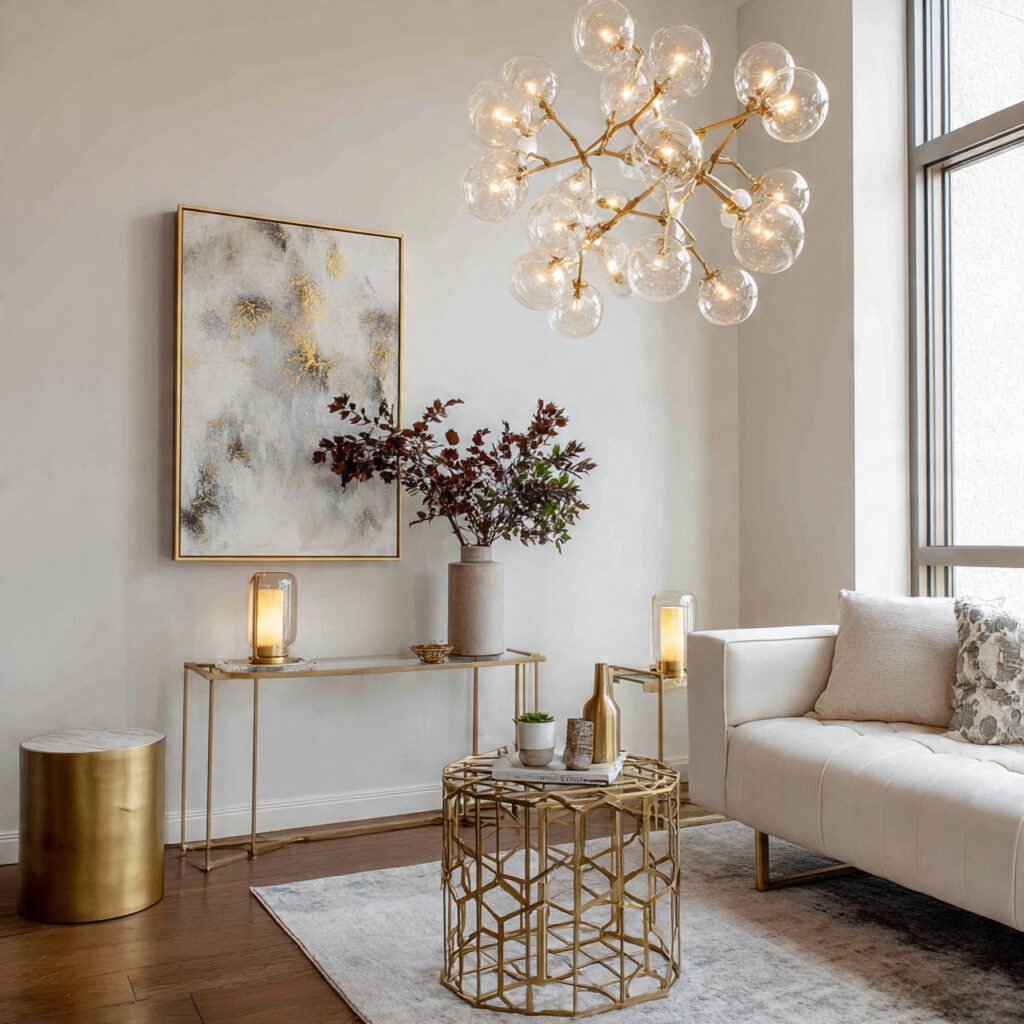
Metallic accents are a fantastic way to introduce luxury and sparkle to white living room ideas. Finishes like brushed brass, polished gold, or shimmering copper lamps and hardware catch the light and add depth through reflection. These accents should be used sparingly but intentionally, acting as jewelry for the room.
Consider placing a cluster of small gold-framed mirrors on a wall, or using a large, sculptural copper floor lamp next to your sofa. The choice of metal can also steer the style: silver and chrome lean modern and cool, while gold and bronze create a warmer, classic, or art deco feel.
The Best Rugs for White Floors
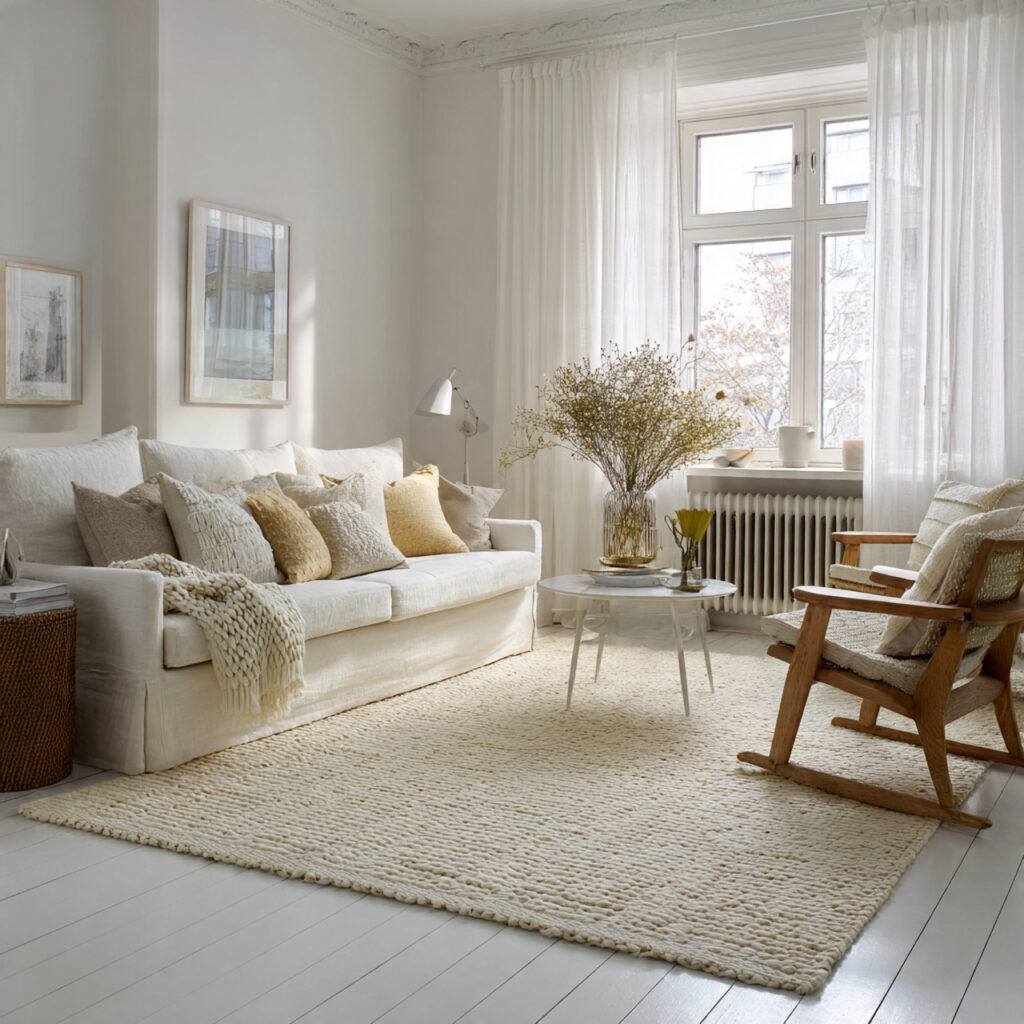
When styling white floors, rugs are essential for defining zones, adding comfort, and preventing the space from feeling monotonous. Jute and natural fiber rugs are perfect for adding rough, earthy texture while maintaining a light neutral palette. They provide an organic contrast that pairs beautifully with white furniture.
Alternatively, look for subtle patterns like thin stripes, abstract monochrome designs, or tone-on-tone textures, such as a sculpted white wool rug. For a grounding effect, select a rug with very light gray or beige undertones—these slight shifts in color temperature prevent the floor from blending entirely with the walls.
Adding a Pop of Color with Artwork
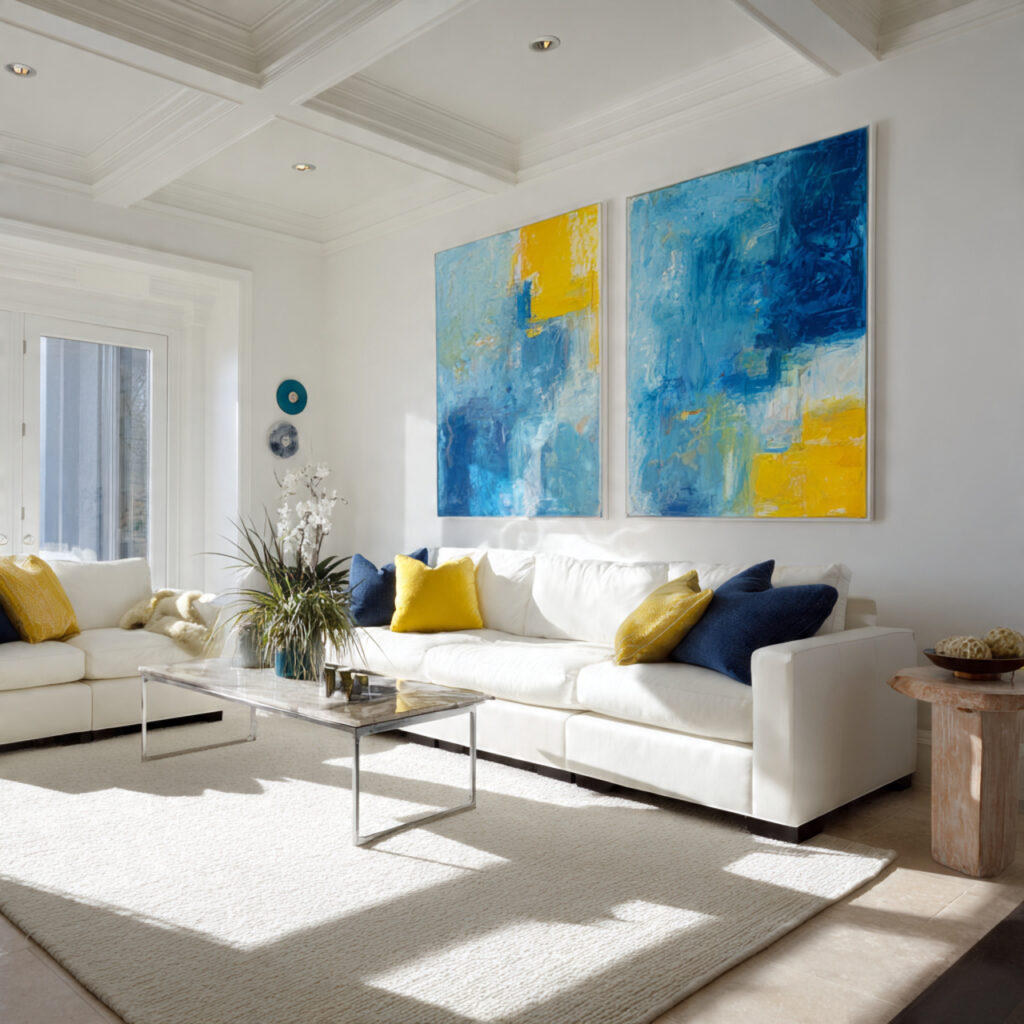
Artwork is the easiest and most impactful way to introduce a vibrant pop of color without committing to painting an entire wall. A single, oversized piece of abstract art featuring bold blues, reds, or yellows can serve as the focal point of a white living room. Since the walls are a clean canvas, the art truly commands attention.
If you prefer a more curated look, a gallery wall with smaller, brightly colored prints or photographs can work equally well. The beauty of this approach is its flexibility; you can swap out pieces as your personal taste evolves or with the changing seasons, keeping the room dynamic.
Choosing the Right Shade of White Paint
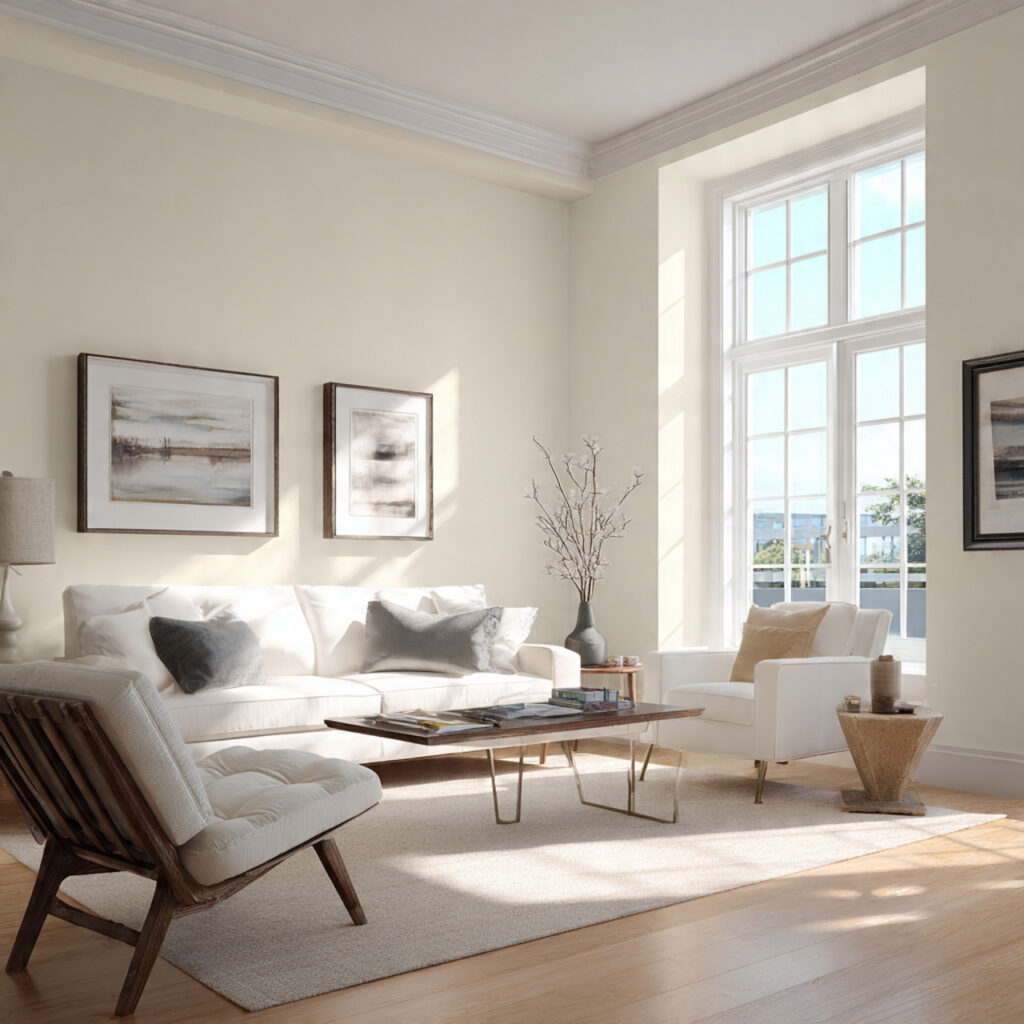
Not all white paints are created equal, and selecting the correct shade is the most critical decision for successful white living room ideas. Whites with a touch of yellow, beige, or red pigment are considered “warm” and help prevent the room from feeling stark or cold, especially in spaces that don’t receive much natural light.
In contrast, whites mixed with blue or gray undertones are “cool” whites and are ideal for contemporary or minimalist designs, especially in sun-drenched rooms where they help soften intense light. Always test large swatches on your walls to see how the color changes throughout the day before committing to a final shade.
Styling White Living Room with Navy Blue
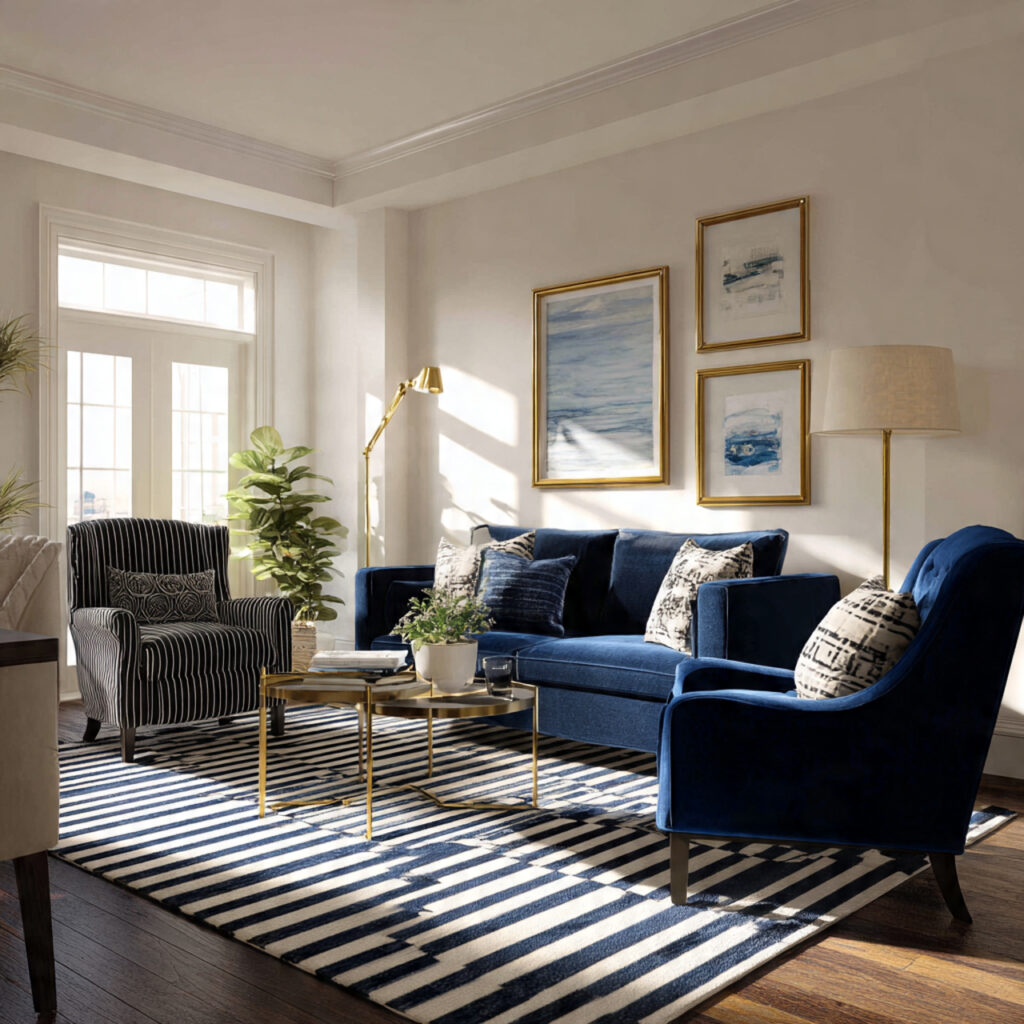
The combination of white and navy blue is a timeless classic, offering a sophisticated, high-contrast maritime feel. Use navy strategically on upholstery, such as a pair of velvet accent chairs, or through heavy, textured curtains. Navy provides an essential anchor and depth that white spaces often need.
For smaller accents, incorporate navy through graphic throw pillows, ceramic lamps, or oversized coffee table books. This deep, rich color prevents the white from dominating the visual field and adds an element of traditional elegance that feels both clean and dramatic.
Modern Minimalist White Design
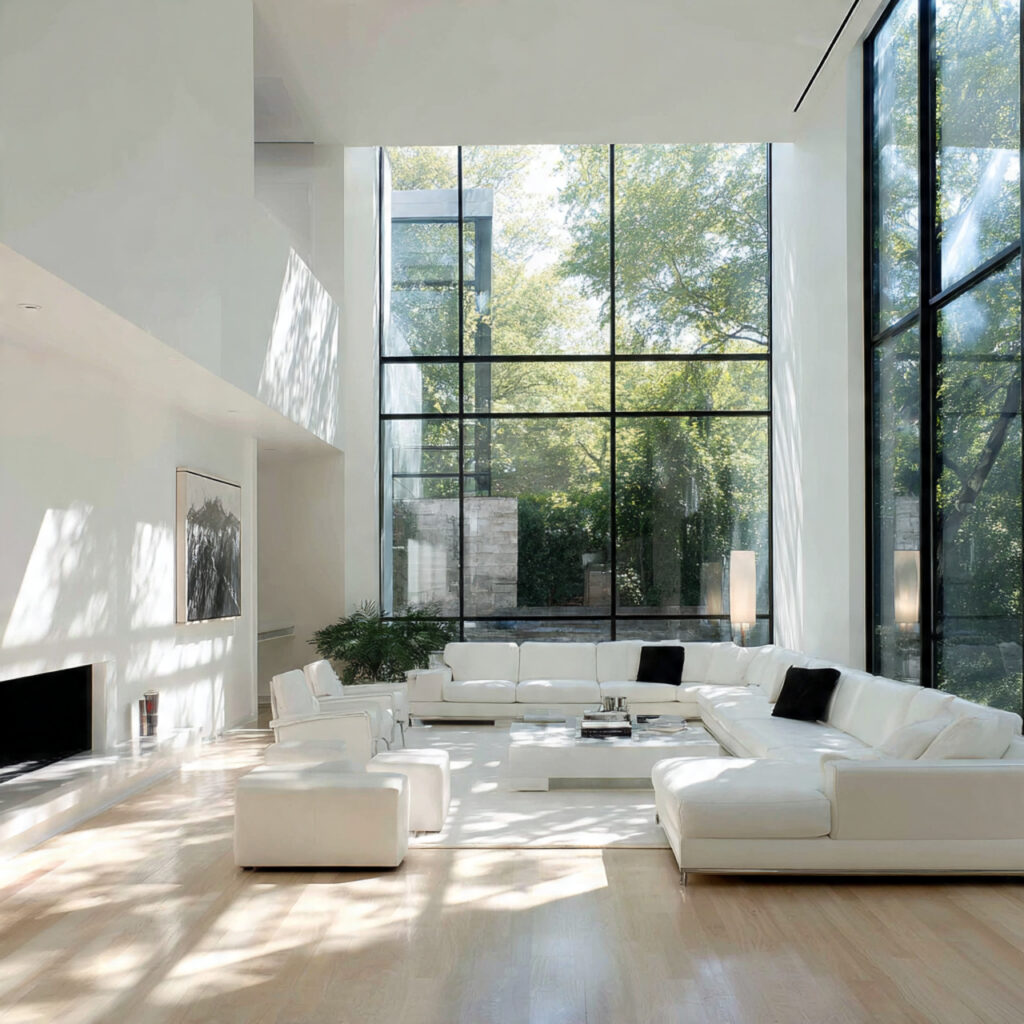
Achieving a modern minimalist aesthetic relies on discipline, focusing on clean lines, simple forms, and negative space. Select low-profile sofas and chairs with exposed, angular legs and use furniture pieces that double as storage to reduce clutter. Every item in the room should serve a clear purpose.
The palette should be a crisp, pure white, often paired with sharp black or gray to emphasize geometry and precision. Keep accessories to a minimum, letting the architectural structure and the quality of the materials speak for themselves in the serene environment.
Bohemian Touches in a Bright Room
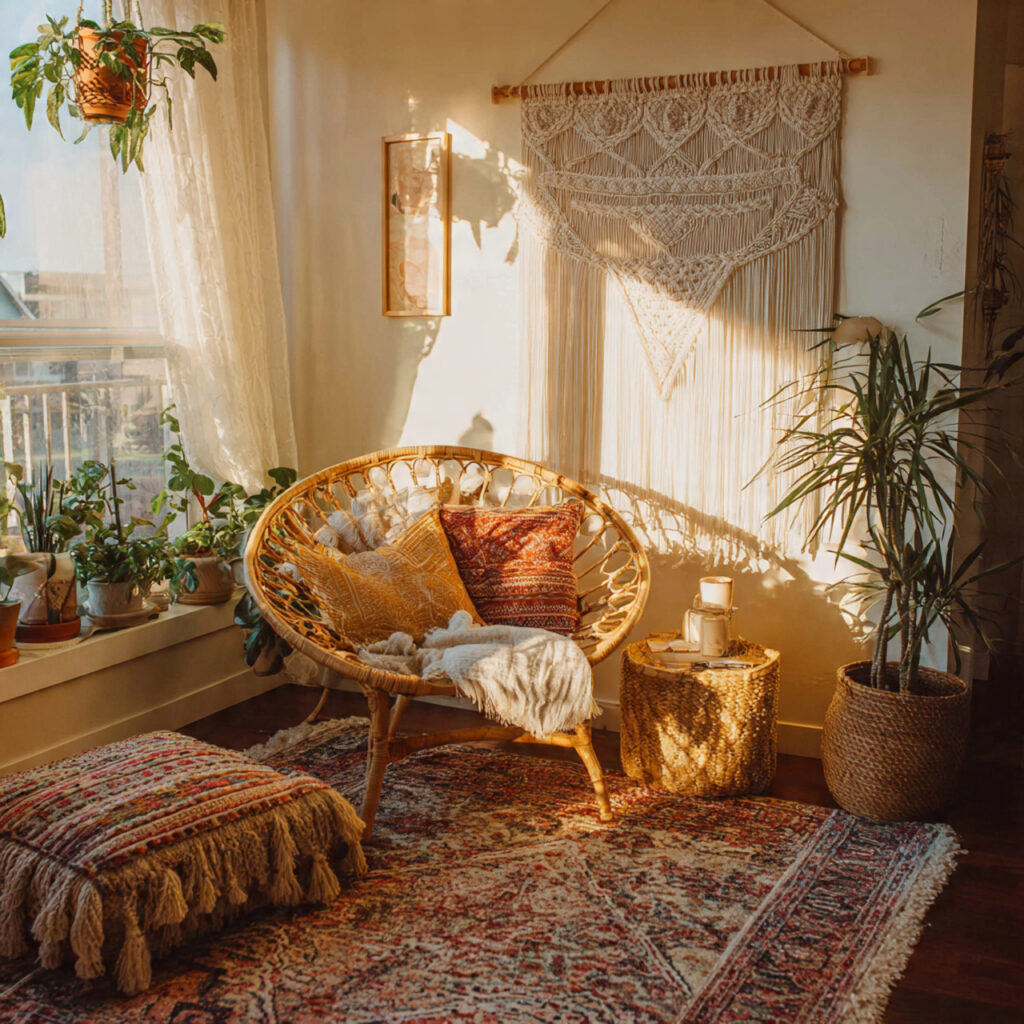
Bohemian style thrives on texture and global influences, which perfectly complements a white canvas. Incorporate handcrafted elements like macrame wall hangings, tasseled pillows, and textured floor poufs made of woven wool or chunky cotton. The white background allows these unique pieces to shine without the room feeling cluttered.
Introduce rattan or wicker furniture, along with plenty of floor pillows, to enhance the relaxed, earthy vibe. The key is to select natural, untreated materials that bring warmth and character, transforming the crisp white into a cozy and well-traveled haven.
Coastal and Nautical White Theme
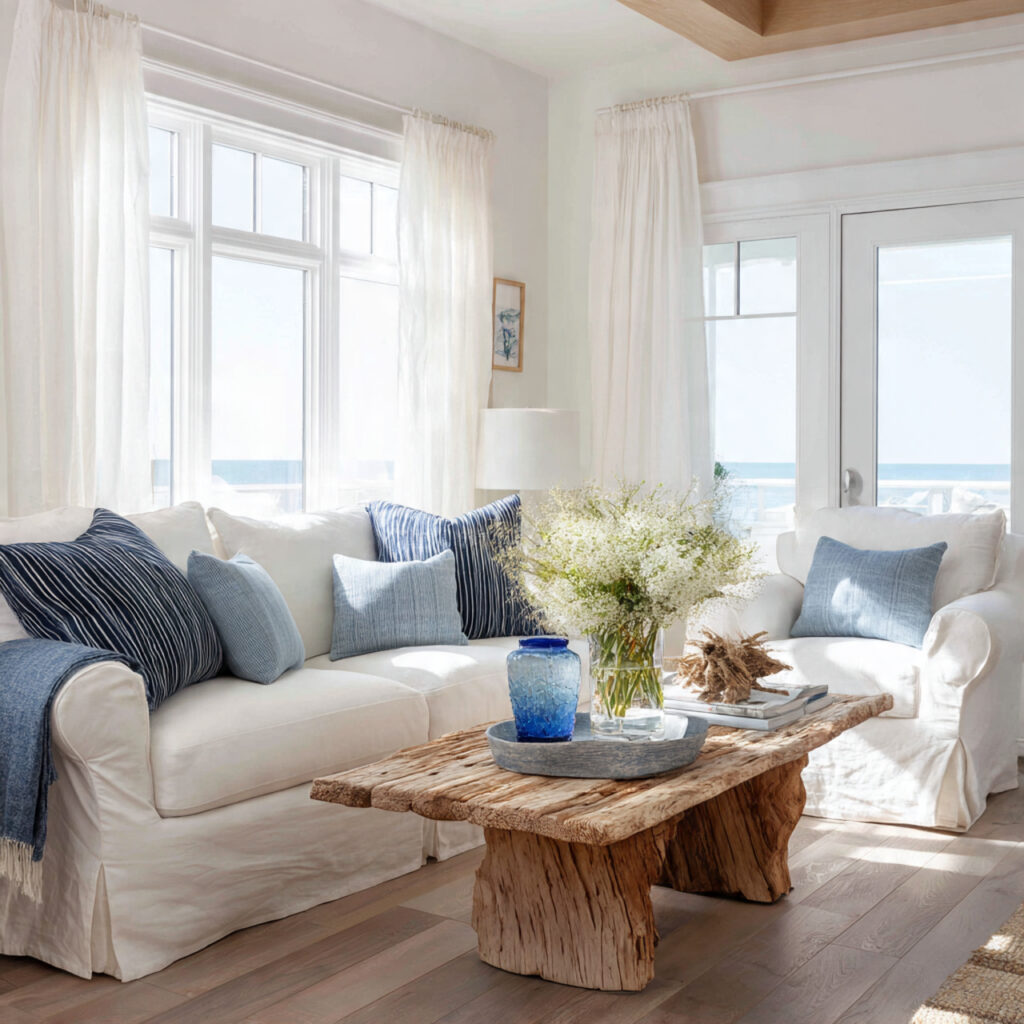
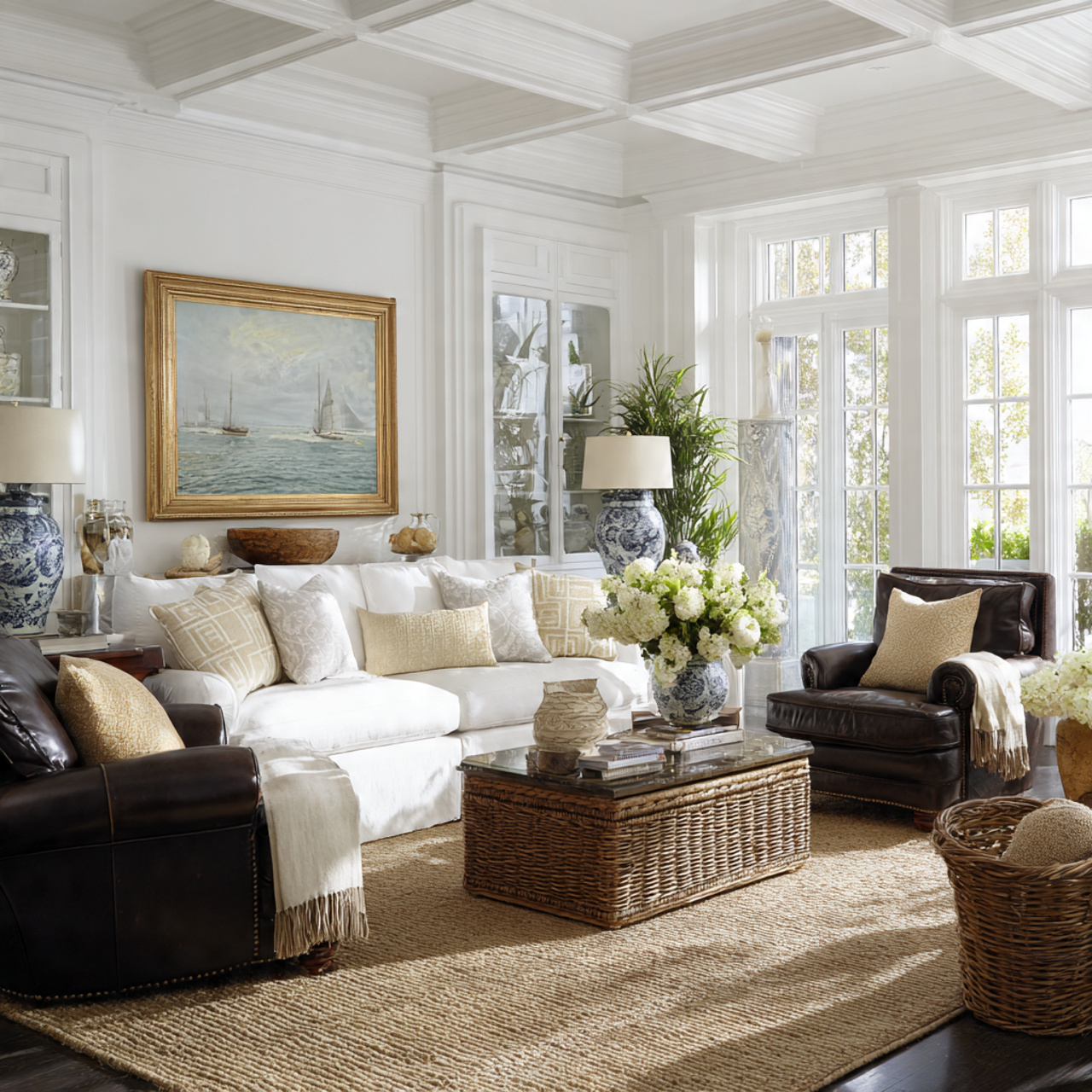
A coastal theme leans into the natural light-reflecting quality of white to evoke a breezy, seaside feel. Utilize soft, flowing linen curtains that let filtered light through, and opt for slipcovered furniture in a slightly off-white or cream shade. The overall feeling should be relaxed and sun-washed.
Accents are where the nautical aspect comes in; incorporate weathered driftwood pieces, glass vases filled with sea glass, or subtle patterns like thin navy stripes. Light, natural wood finishes on coffee tables and shelves reinforce the effortless elegance of the beach aesthetic.
Lighting Fixtures that Enhance White Walls
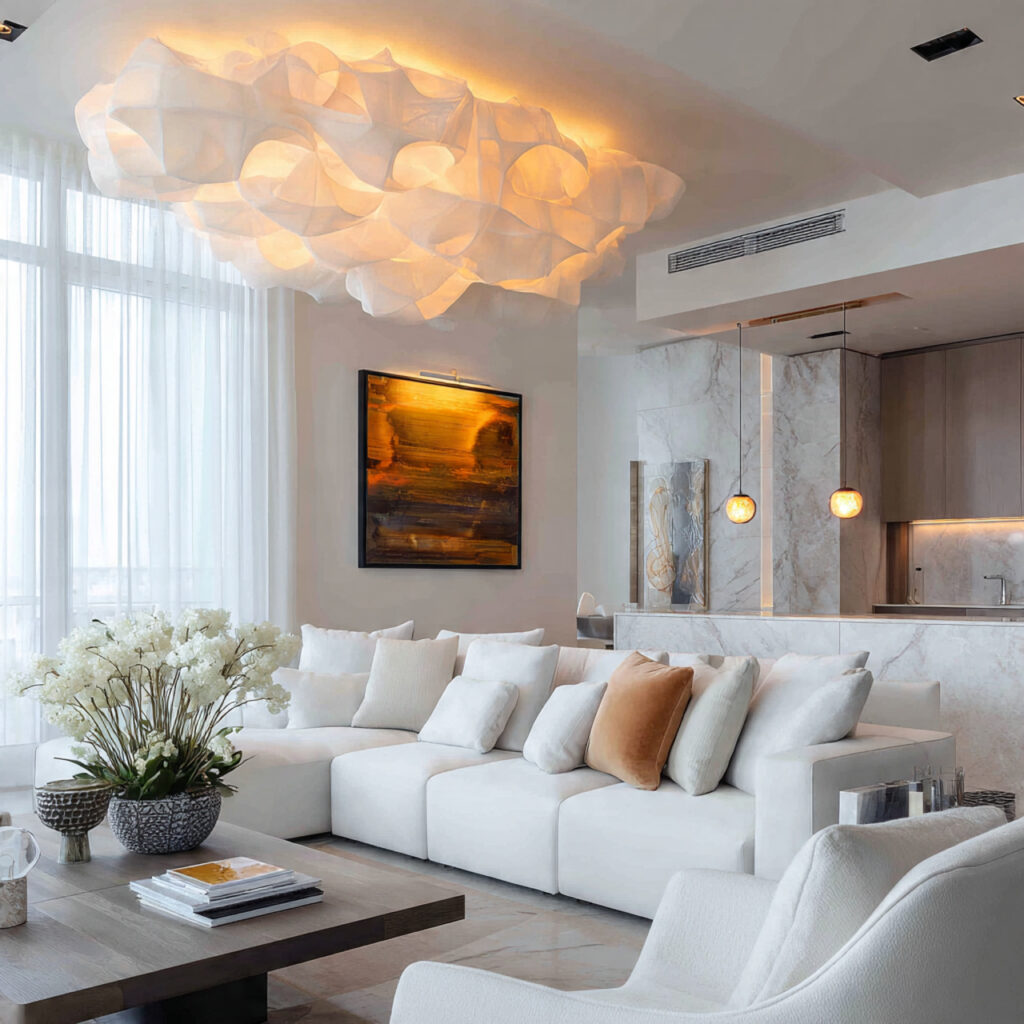
Lighting in a white room is a critical design element, as it can drastically alter the perception of the paint color. Opt for statement lighting fixtures, such as sculptural chandeliers or oversized pendant lights, to serve as focal points above the seating area. These fixtures often double as pieces of art.
It is vital to use warm-toned light bulbs (2700K to 3000K) to emit a soft, inviting glow. Cool-toned bulbs (above 4000K) will make the white walls appear harsh and blue, undermining the goal of creating a cozy space. Layering floor lamps, table lamps, and overhead lights ensures versatility.
Creating Contrast with Black Furniture
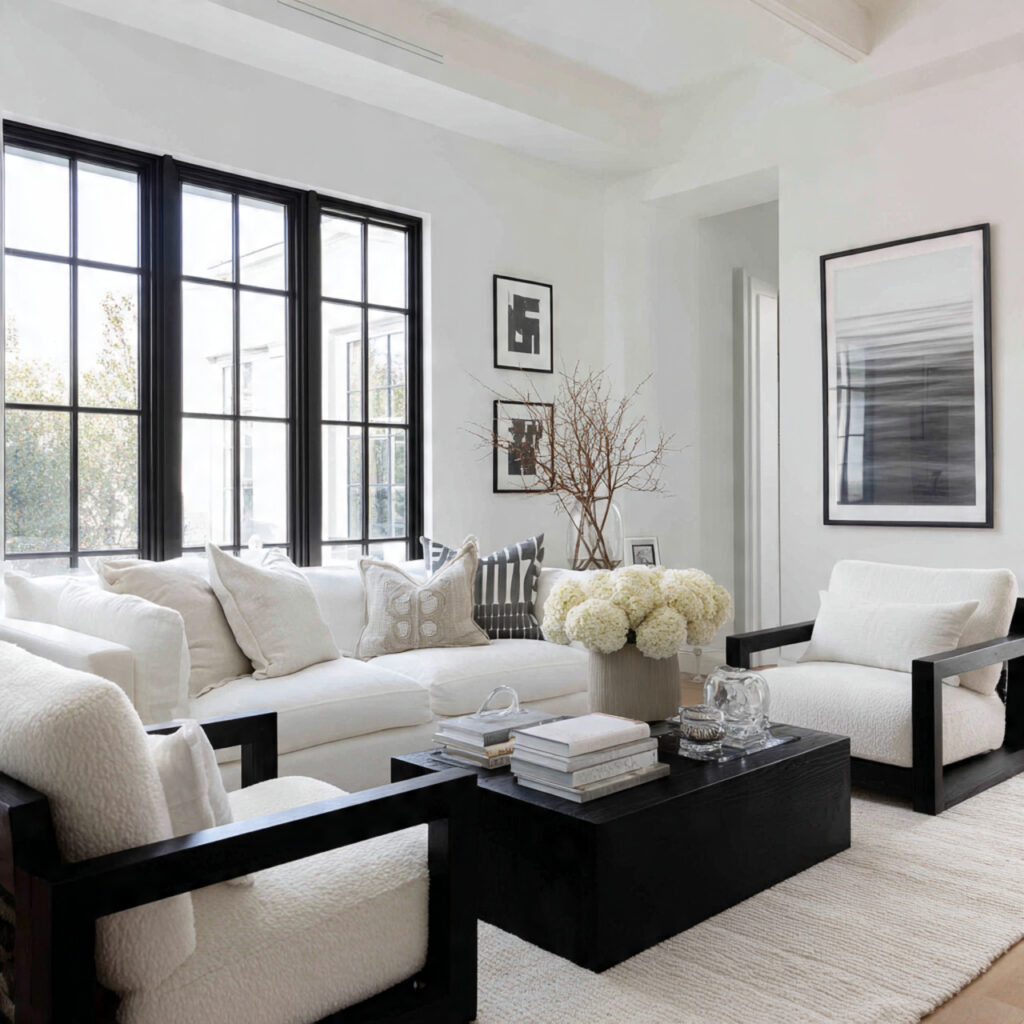
For an intentionally bold and graphic look, pair your white walls and accessories with high-contrast black furniture. A matte black framed mirror, a set of black metal accent tables, or a large charcoal area rug can anchor the room and add sophistication. This style is often used in modern, loft-style interiors.
The contrast should be deliberate: one or two significant black elements are more effective than scattered small pieces. Using black only on the legs of chairs or frames of artwork provides an elegant line drawing effect that maintains brightness while adding definition.
Designing a Cozy White Fireplace Mantel
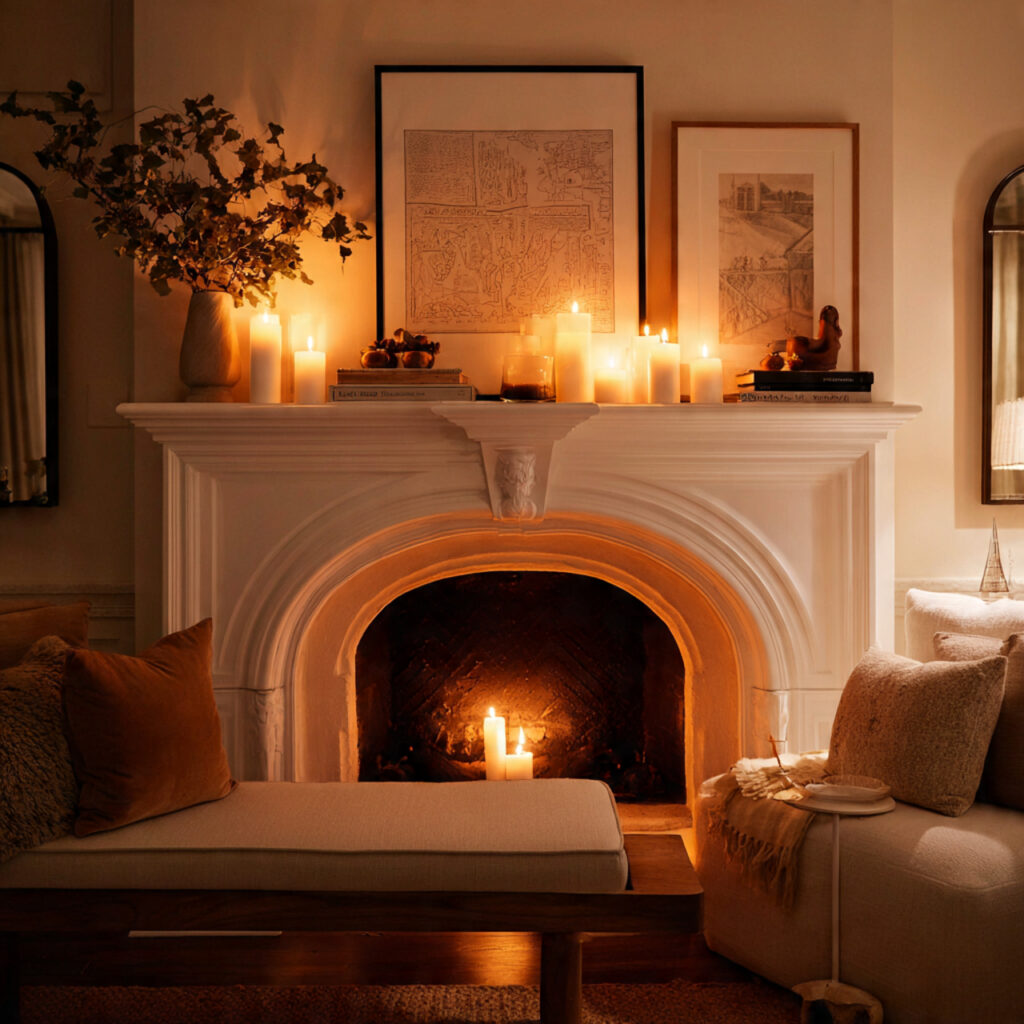
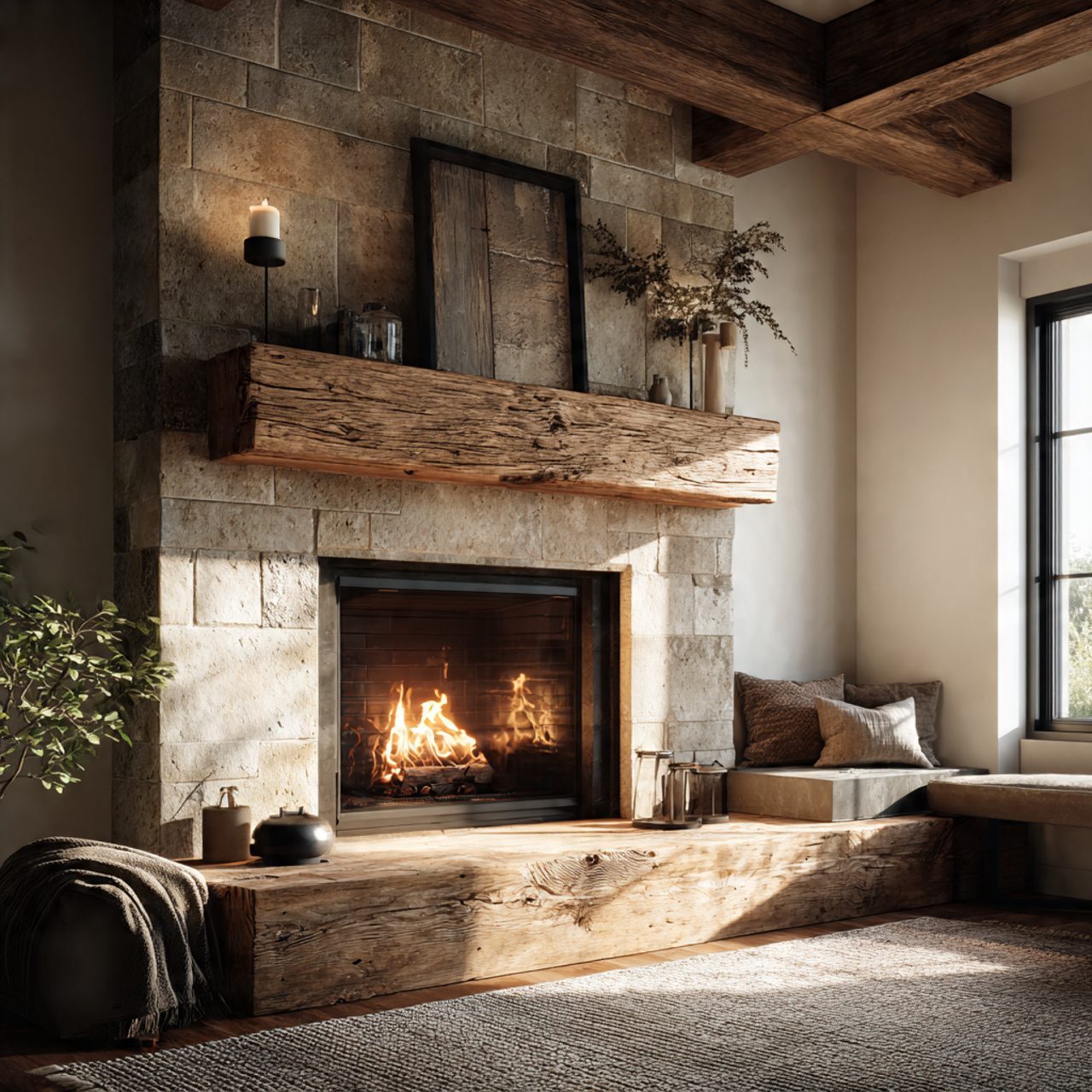
A white fireplace mantel offers a perfect opportunity for seasonal styling and decorative layering. To enhance its coziness, lean a large piece of art or a statement mirror against the wall above the mantel, rather than hanging it, which adds a relaxed, casual feel.
Stack natural wood logs neatly within the firebox, even if it’s non-functional, as this adds texture and a subtle, rustic color pop. Layer with a few carefully chosen items like minimalist white ceramic vases, taper candles, or a small collection of antique books to create a welcoming focal point.
Selecting Durable, Easy-to-Clean White Fabrics
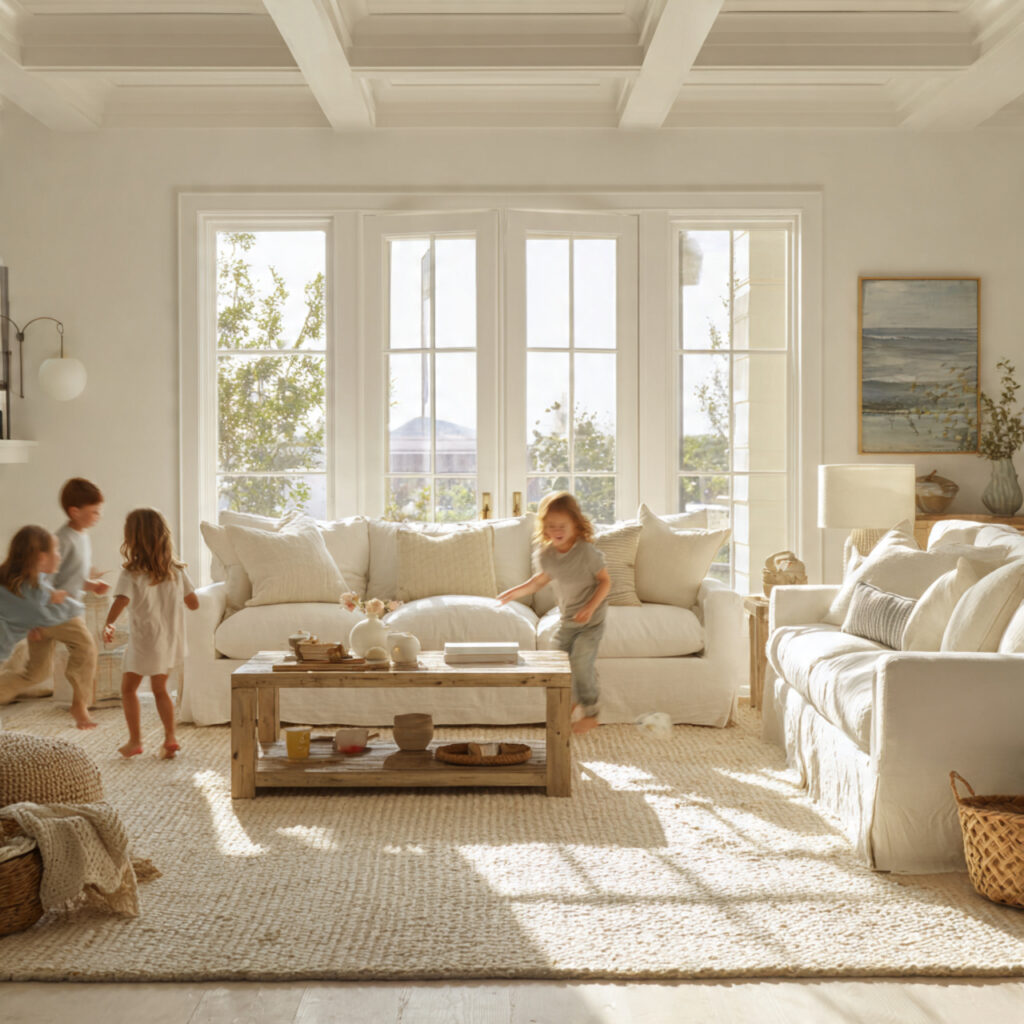
The worry about spills often deters people from embracing white living room ideas, but modern performance fabrics have solved this issue. Look for sofas and chairs upholstered in Crypton, Sunbrella, or other proprietary stain-resistant materials designed to repel liquids and resist fading.
Another practical solution is investing in removable, bleach-safe cotton or linen blend slipcovers. These allow you to maintain the white aesthetic while having the peace of mind that any major spills can be easily handled by washing and spot treating, making the furniture truly livable.
Visit Also : WHIMSICAL BEDROOM IDEAS
Using Greenery and Indoor Plants
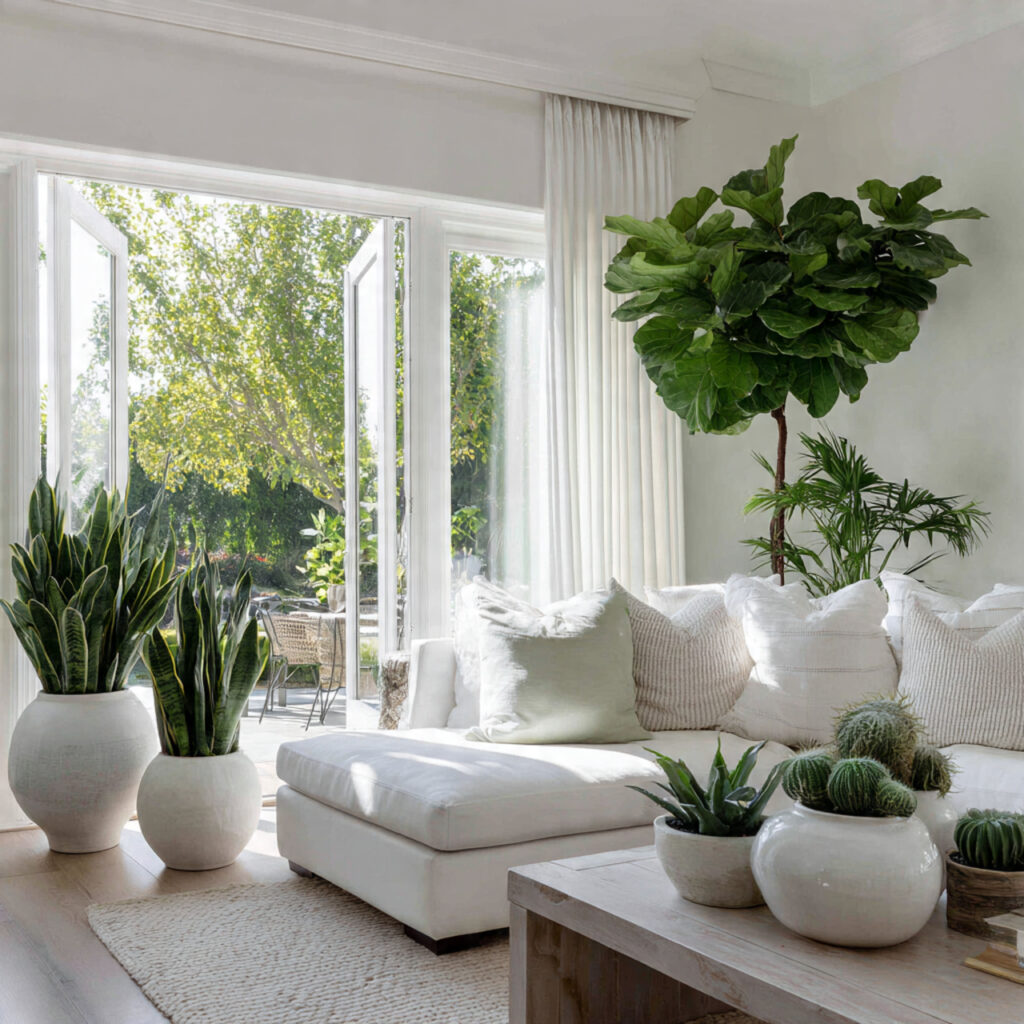
Introducing organic greenery is perhaps the quickest and most effective way to add life and warmth to an all-white space. The vibrant, deep green of indoor plants creates a visually soothing contrast against the white, instantly making the room feel fresher and more vibrant.
Place a large statement plant, such as a Fiddle Leaf Fig or a sculptural Snake Plant, in a white or terracotta planter. Smaller plants like succulents or trailing Pothos can be styled on shelves or coffee tables, bringing natural, organic shapes that disrupt the straight lines of modern furniture.
White Living Room Ideas for Small Spaces
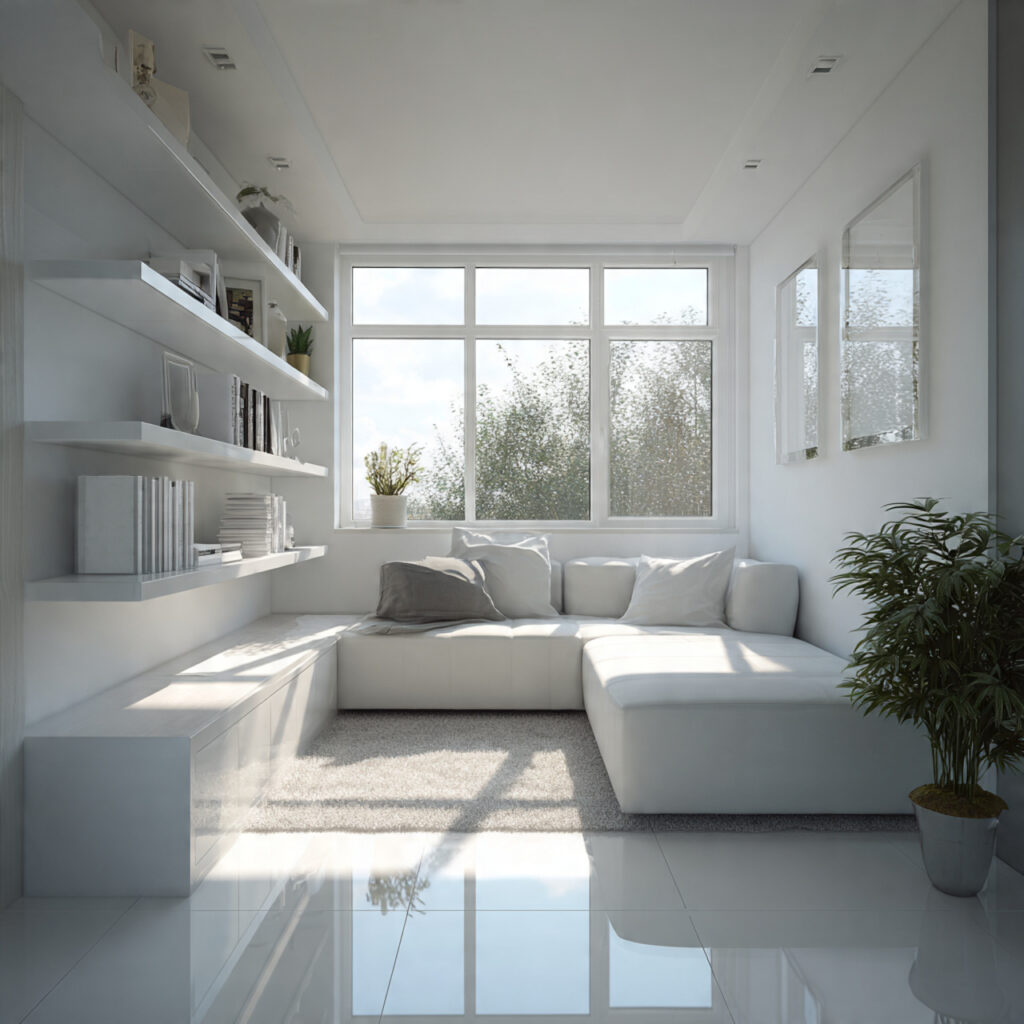
White is the best color choice for small living rooms because it maximizes the perceived sense of space. To amplify this effect, use furniture pieces that are elevated on thin legs to expose more floor space, making the room appear less cluttered. Avoid heavy, low-slung items.
Incorporate transparent or highly reflective materials, such as acrylic side tables or mirrored cabinets, which allow light to bounce around and give the impression that the object occupies less visual space. The goal is to keep the flow open and the sightlines long and uninterrupted.
Maximizing Natural Light
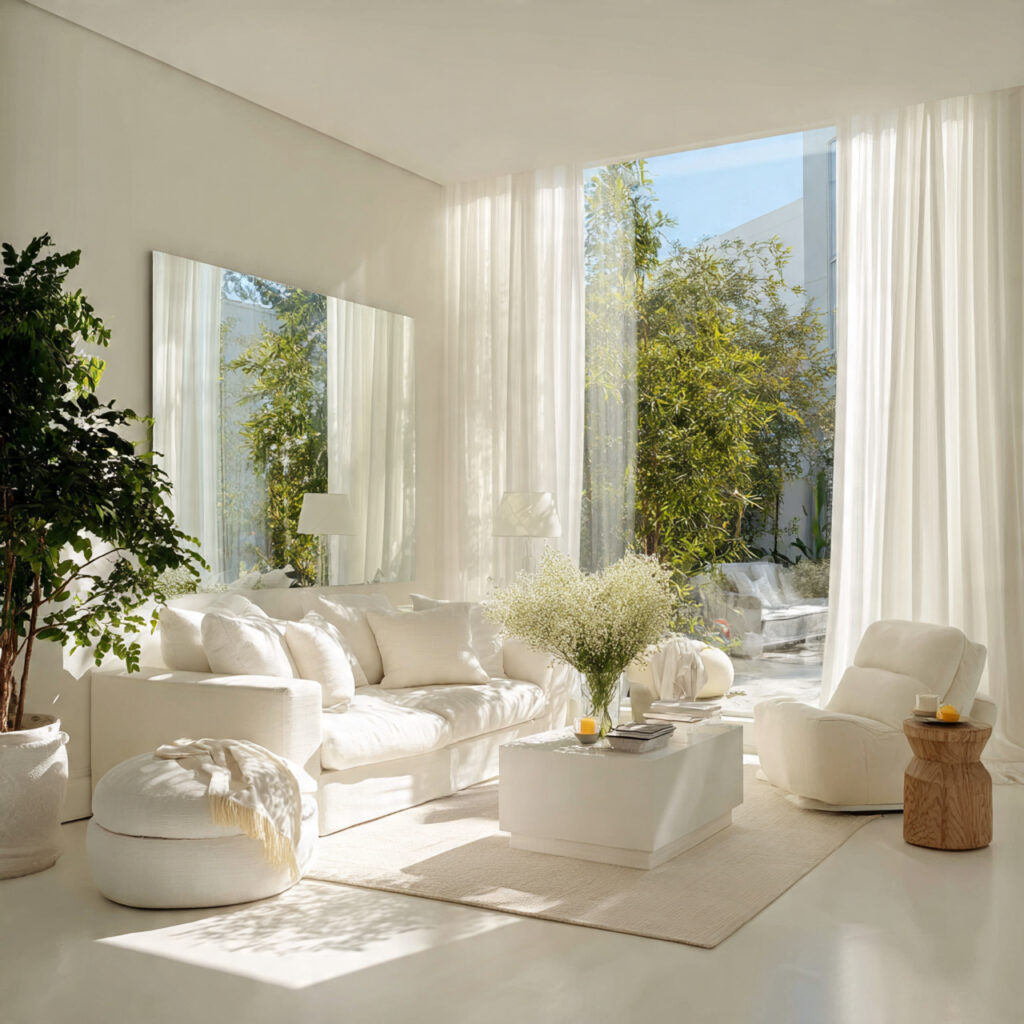
Since white is designed to reflect light, maximizing the incoming natural light is paramount for the most successful white living room ideas. Replace heavy drapes with sheer linen or cotton curtains that filter, rather than block, daylight. Keep window panes sparkling clean to ensure maximum transmission.
Strategic mirror placement can work wonders; position a large statement mirror directly across from the main window. This simple trick not only reflects light but also mirrors the outdoor view, visually extending the room and doubling the impact of the natural sunlight.
Utilizing Textured Wall Coverings
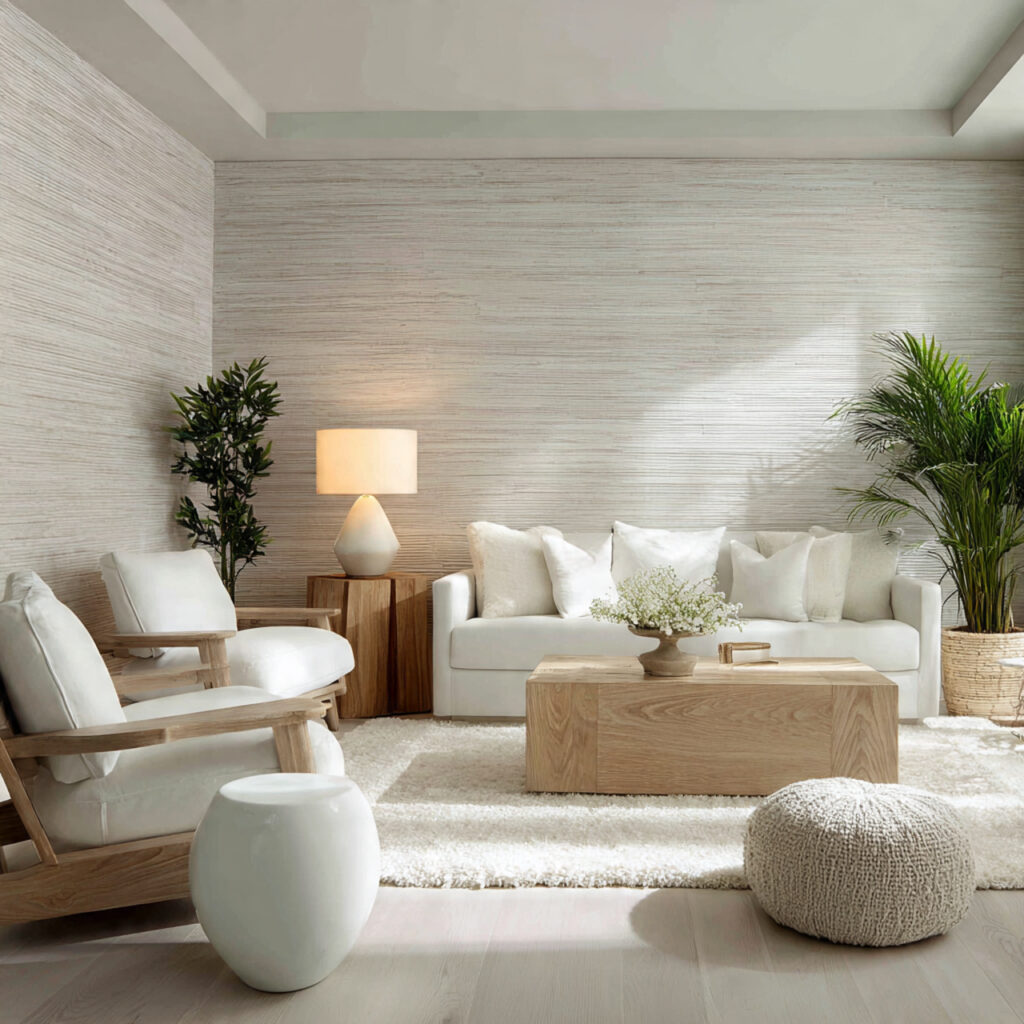
While painting the walls white is the standard approach, textured wall coverings provide a subtle, non-color-based way to add dimension. Consider hanging grasscloth wallpaper in a cream or very pale beige hue to introduce a natural, woven texture that softens the starkness of drywall.
Another popular choice is installing architectural paneling like shiplap or beadboard and then painting it pure white. The shadow lines created by the paneling add necessary depth and visual interest without disrupting the monochromatic palette, perfect for a modern farmhouse look.
Adding Leather Elements for Richness
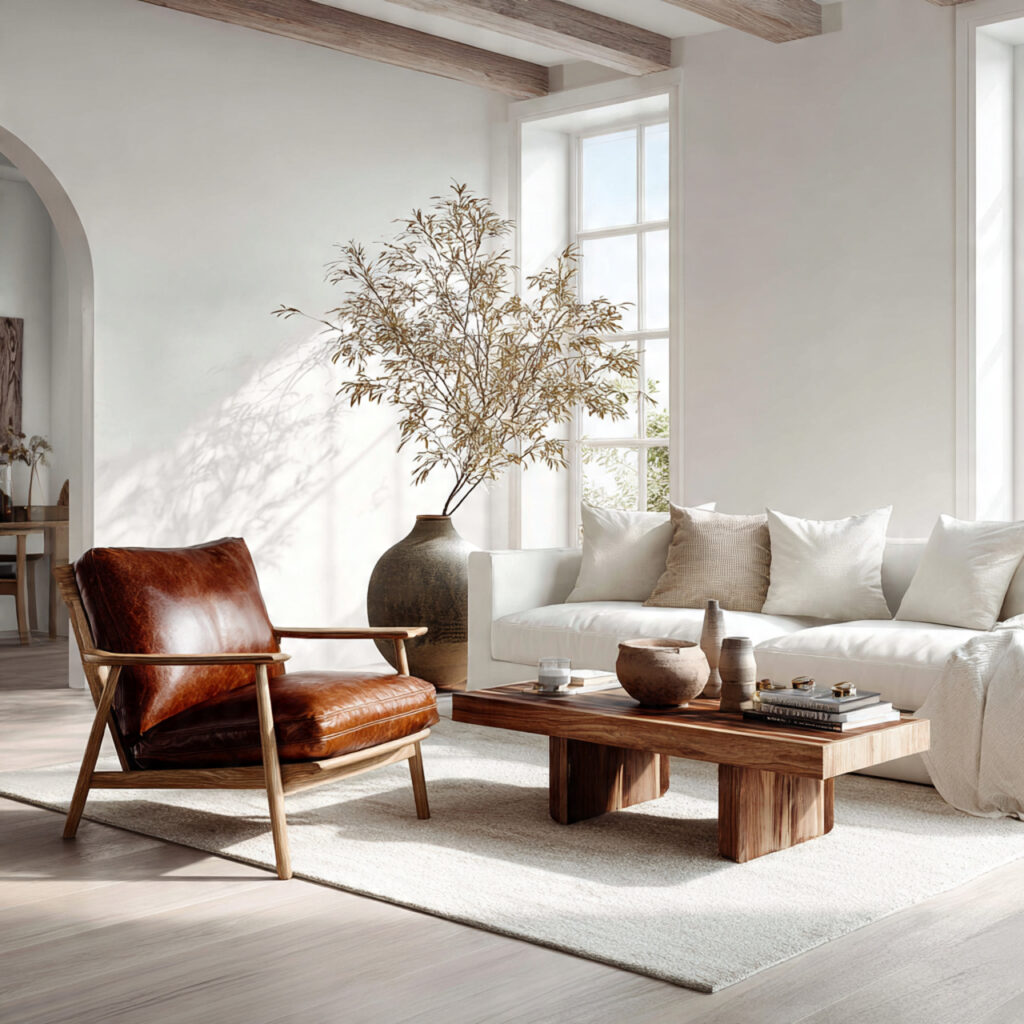
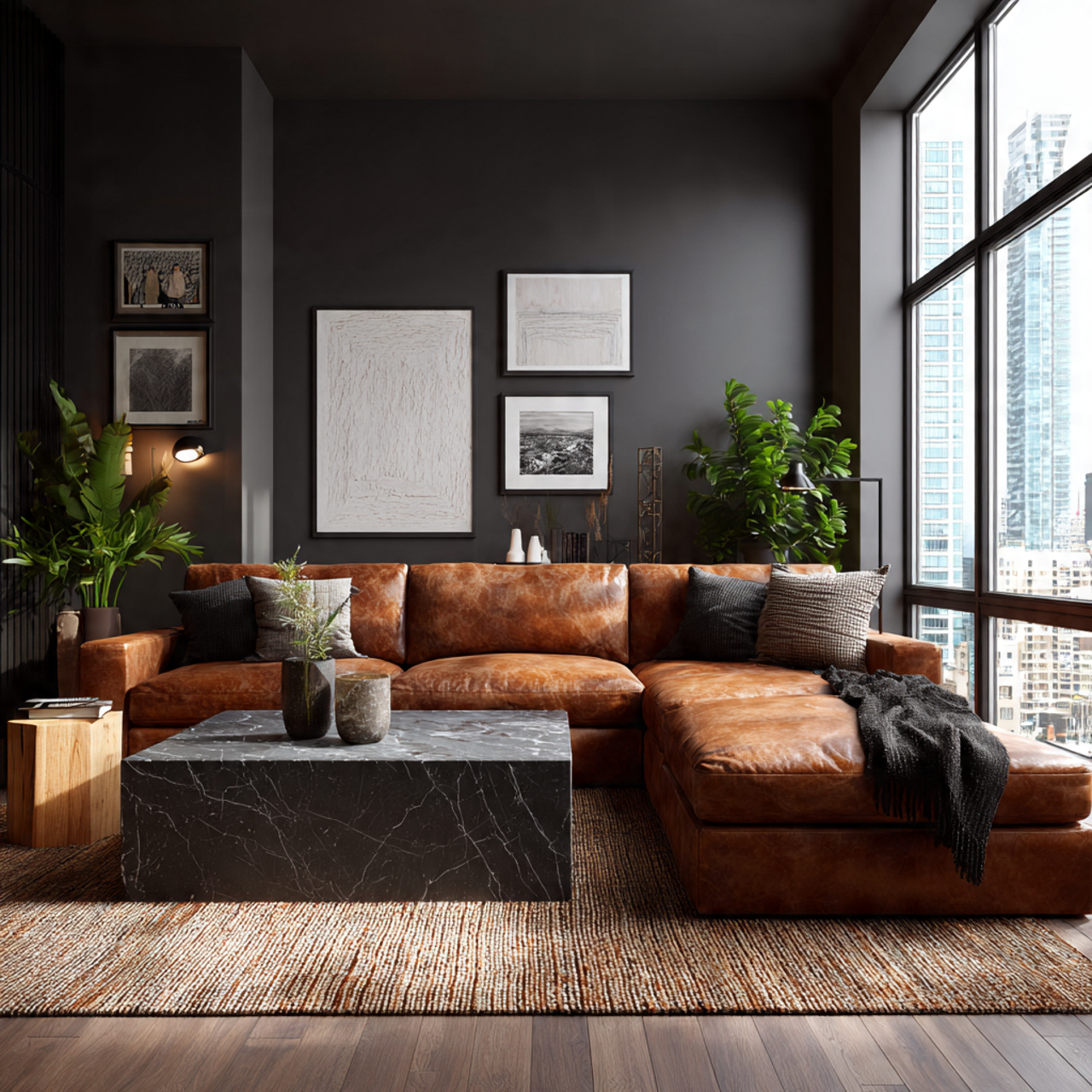
For a masculine, grounded, or slightly mid-century feel, introduce leather elements into your white living room. A rich cognac or distressed brown leather armchair immediately adds a deep, warm color and a smooth, appealing texture that contrasts nicely with soft white textiles.
If a full leather chair feels too heavy, consider using leather accents such as leather-strap handles on cabinet doors, a large leather ottoman that doubles as a coffee table, or even woven leather placemats or trays. These small details infuse the room with a sense of refined, rugged richness.
Scandinavian White Living Room Style
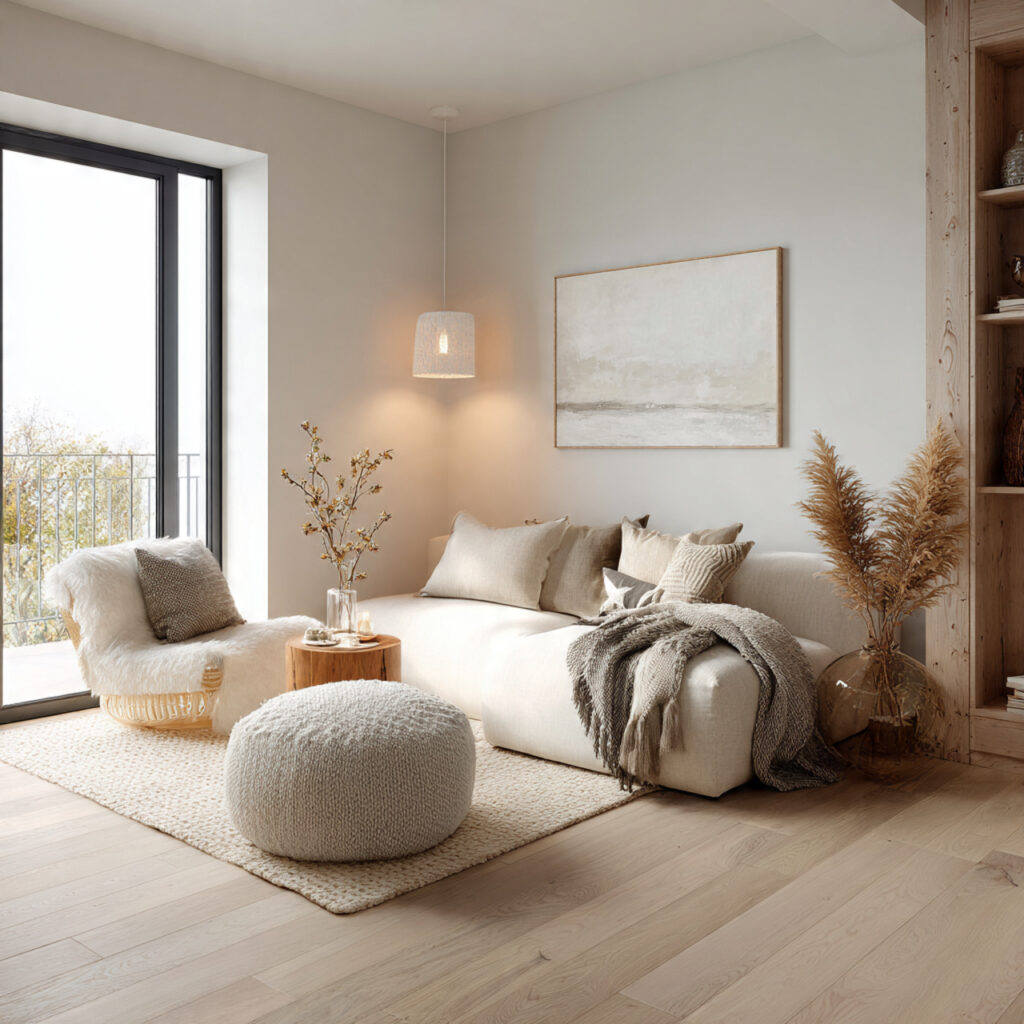
The Scandinavian aesthetic is perfectly synonymous with white, emphasizing function, minimalism, and hygge—a feeling of cozy contentment. This style relies on soft, warm whites paired with light, untreated wood and clean furniture silhouettes. Every object is useful and beautiful in equal measure.
To achieve this, focus on layering natural textiles like wool, sheepskin, and linen in muted, tonal shades of gray and cream. Keep window treatments simple or nonexistent to maximize daylight, and use functional storage to maintain the effortless, uncluttered look that defines Nordic design.
Patterned Throw Pillows for Depth
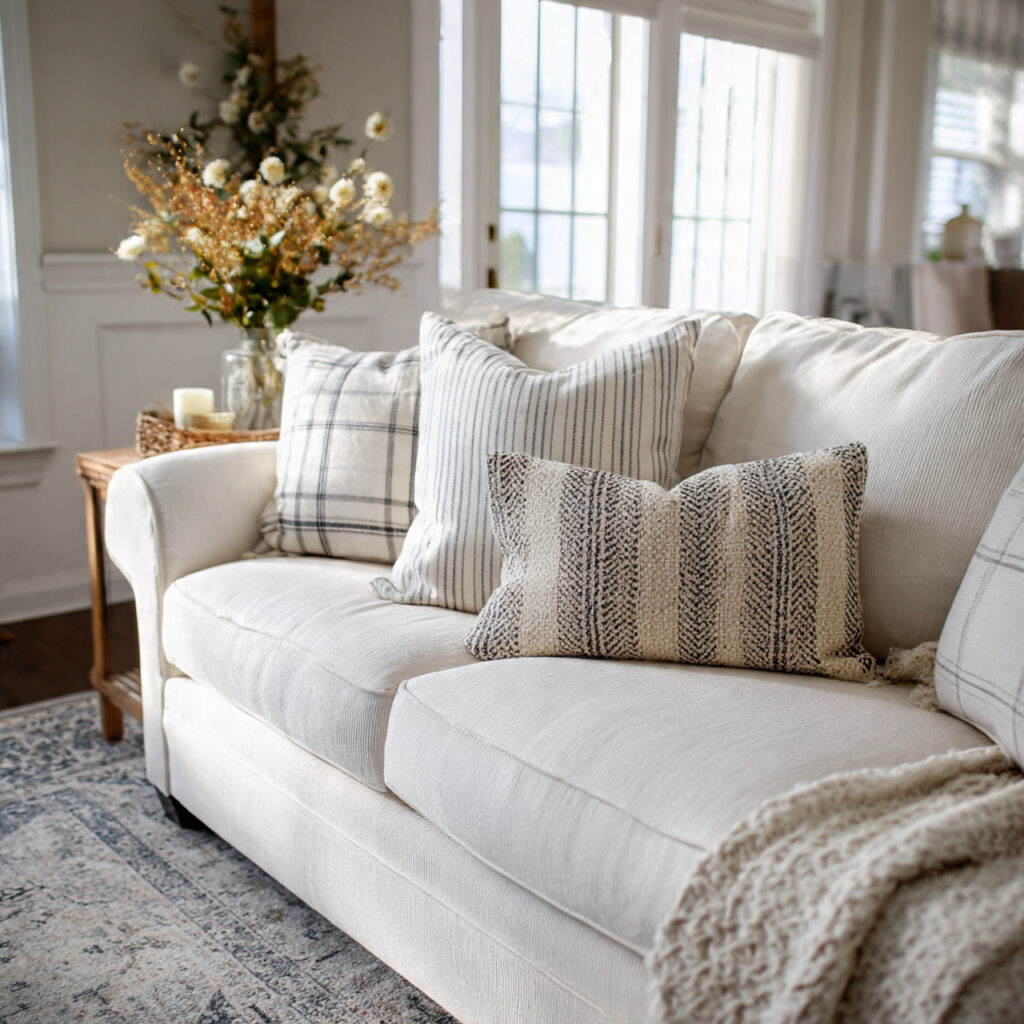
Even in an all-white scheme, texture and pattern are necessary for visual depth. Use throw pillows to introduce subtle, low-contrast patterns like thin stripes, hounds-tooth, or geometric designs in tonal shades of white, cream, and pale gray. The pattern is visible but doesn’t overwhelm the eye.
The variation in scale is important; pair one pillow with a large, chunky knit pattern with another featuring a tiny, woven repeat. This technique keeps the white palette interesting by constantly giving the viewer new elements to discover without breaking the room’s serene atmosphere.
Open-Concept White Living and Dining
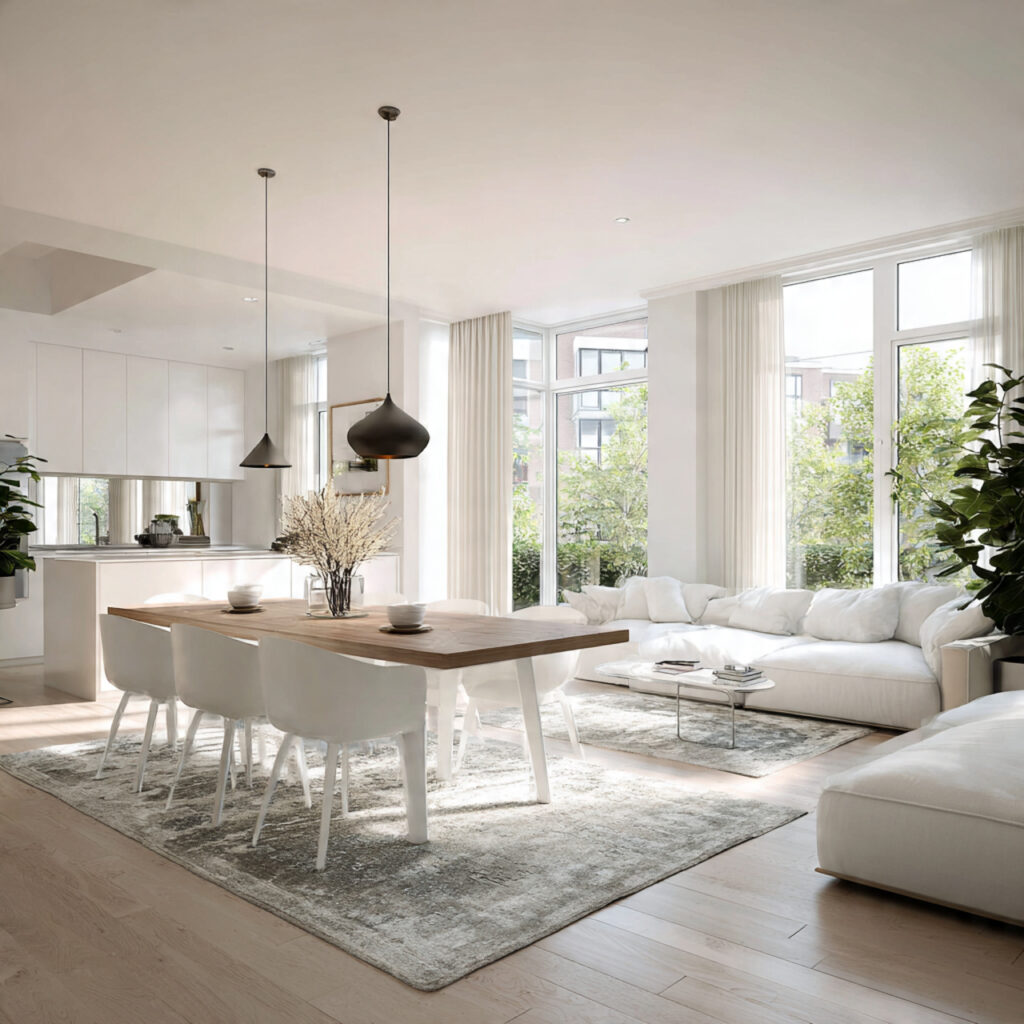
In open-concept floor plans, a white base is ideal because it creates seamless visual flow between connected zones, making the entire area feel larger. To prevent the spaces from blurring together completely, use the white palette strategically to define distinct areas without using physical barriers.
Achieve this by grounding the living room with a large area rug and positioning a statement lighting fixture directly over the dining table. While the walls and major furniture pieces remain white, the subtle shifts in texture and lighting clearly delineate the function of each segment of the space.
Architectural Details in a White Palette
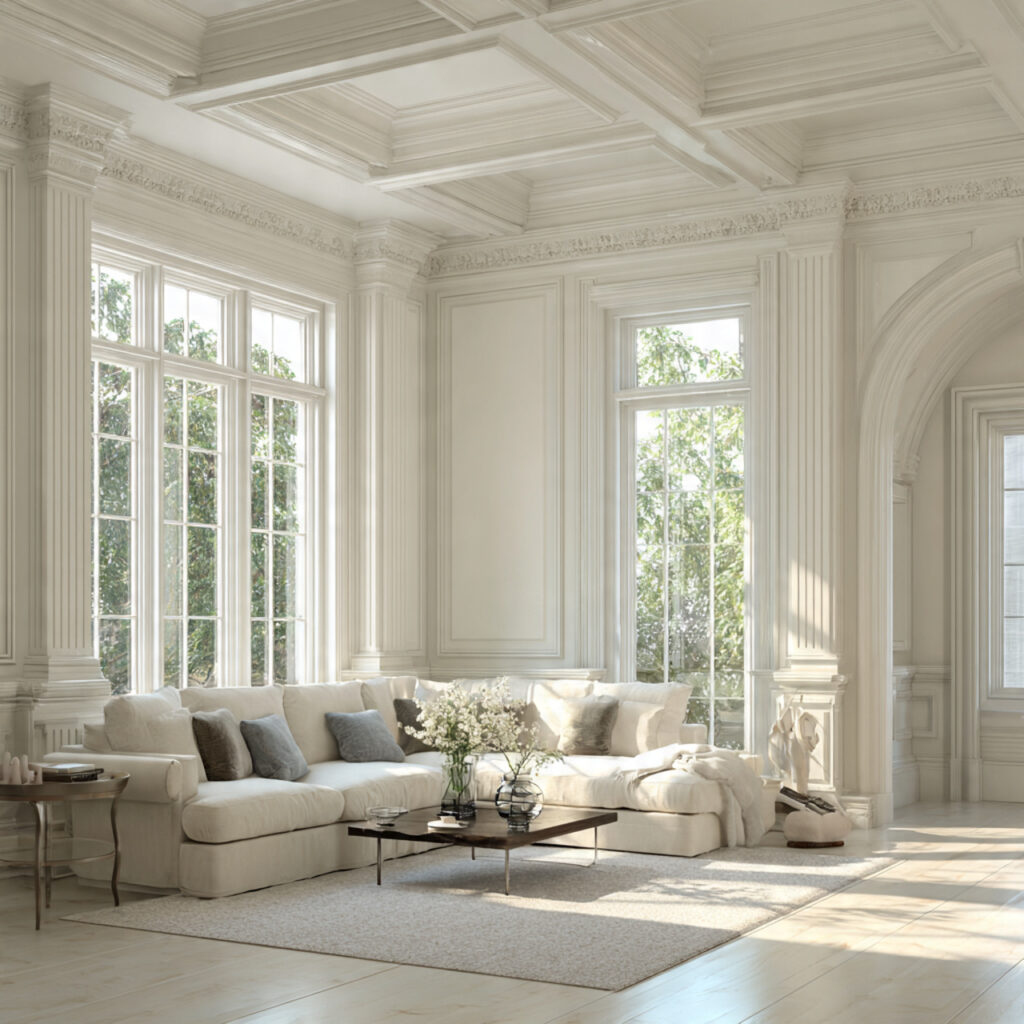
Highlighting a room’s architectural details is a subtle yet sophisticated way to enhance white living room ideas. Crown molding, picture rails, coffered ceilings, or detailed window casings should be painted a shade of white that is slightly different from the main wall color—perhaps a higher gloss or a cleaner, cooler tone.
The subtle variance in light reflection and shadow creates a beautiful, layered look without the need for additional color. This technique draws the eye to the craftsmanship of the room, adding a timeless elegance that requires minimal decorative effort.
Vintage Finds and Antiques
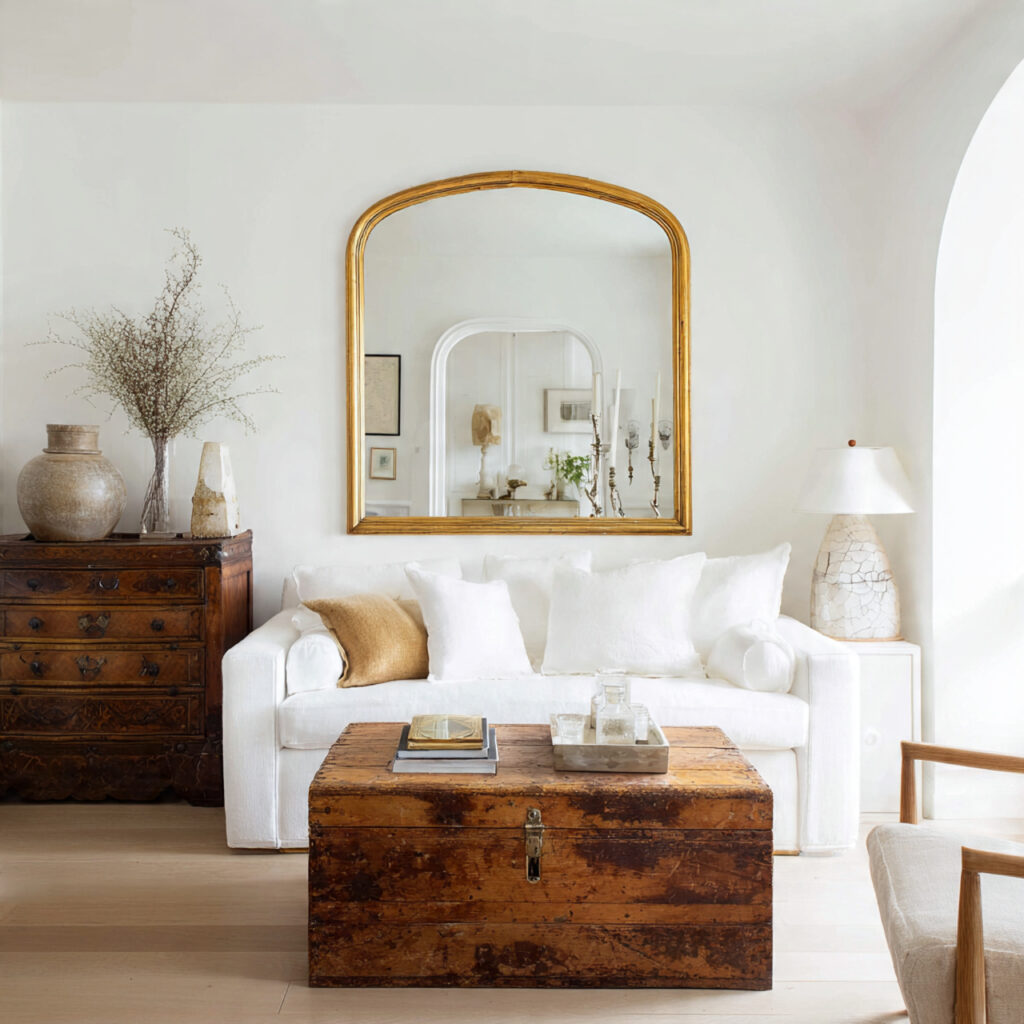
A touch of history adds undeniable warmth and character to a modern white space. Incorporate vintage finds like a distressed gold mirror, a beautifully carved wooden chest, or a pair of mid-century leather chairs. The patina and wear on these items naturally introduce subtle color variations and textures.
When selecting antiques, prioritize pieces with warm wood finishes or weathered metal that contrast with the crispness of the new white furniture. This juxtaposition of old and new creates a layered, curated look that tells a story and grounds the room with historical depth.
Child and Pet-Friendly White Decor
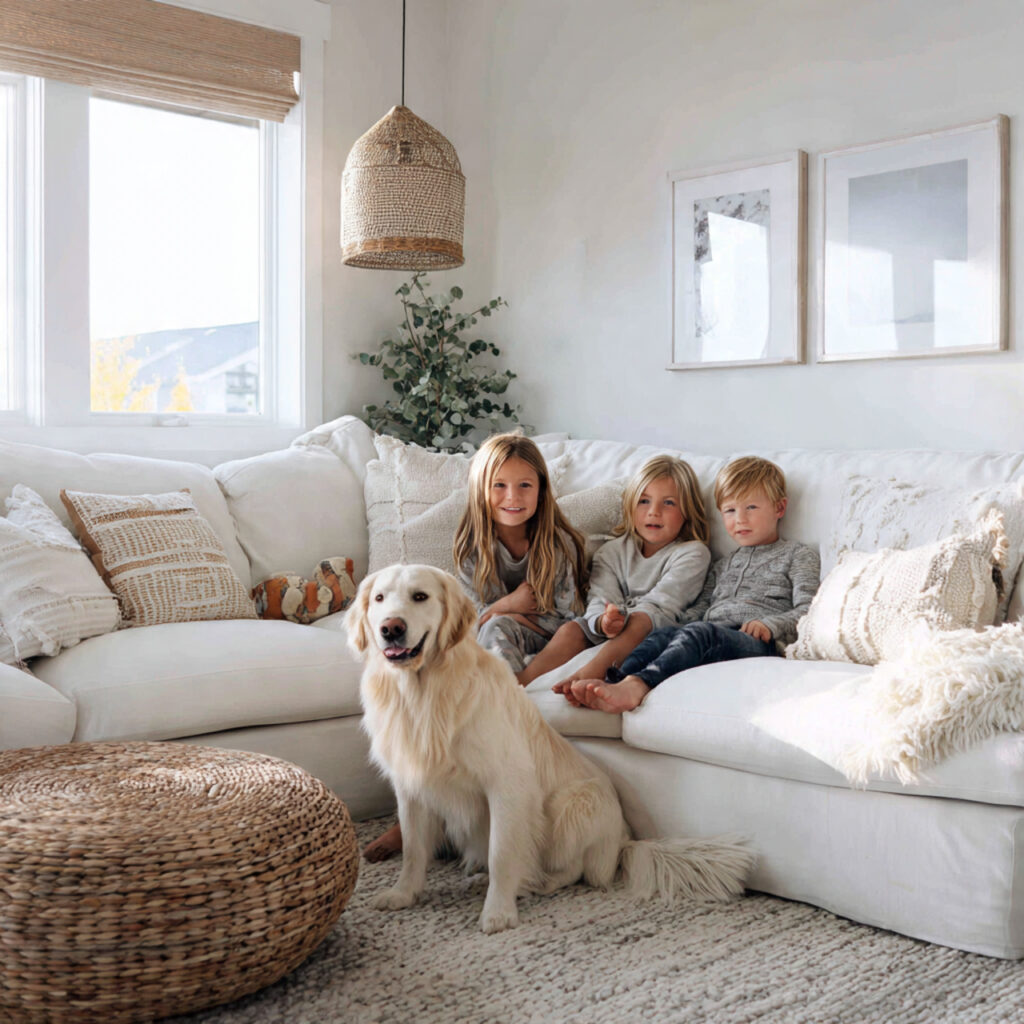
Contrary to popular belief, a white living room can be highly functional for families with children and pets, provided the materials are chosen wisely. Prioritize furniture with washable, bleach-safe cotton or linen slipcovers that can be easily stripped and cleaned after spills.
For rugs, choose low-pile, durable materials like wool or nylon that are resistant to heavy traffic and are easy to vacuum and steam clean. By focusing on utility and washability in your materials, you can enjoy the bright aesthetic without the constant stress of potential messes.
Mixing Tonal Grays with Pure White
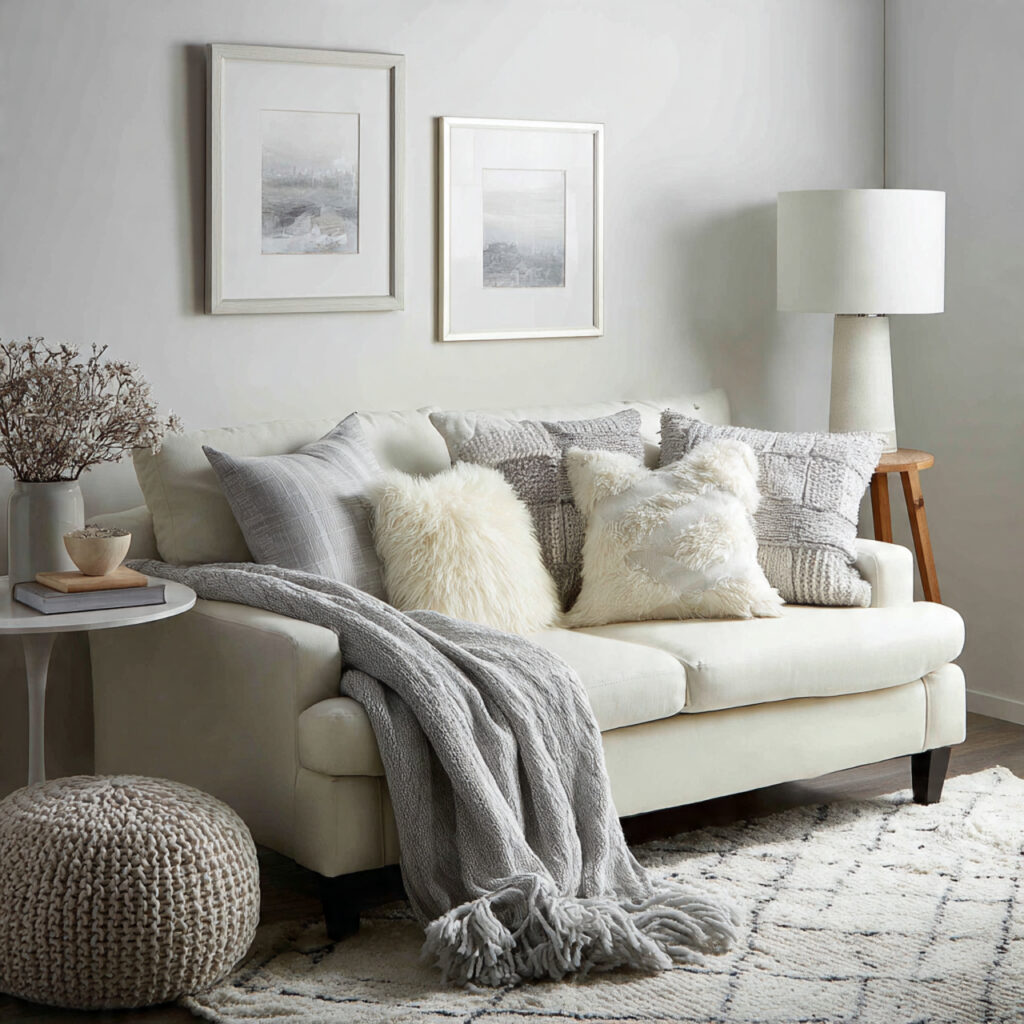
To add dimension and a sense of calm sophistication, integrate soft, light tonal grays alongside pure white. These pale grays work as a stepping stone between the stark white and any darker accents, adding a gentle transition and softening the overall look.
Use light gray on key texture points, such as a cozy cashmere throw blanket, a velvet accent pillow, or a gently striated area rug. This subtle blending of neutrals adds a layer of depth that keeps the room tranquil, chic, and far from overwhelming.
Statement Mirrors to Reflect Light
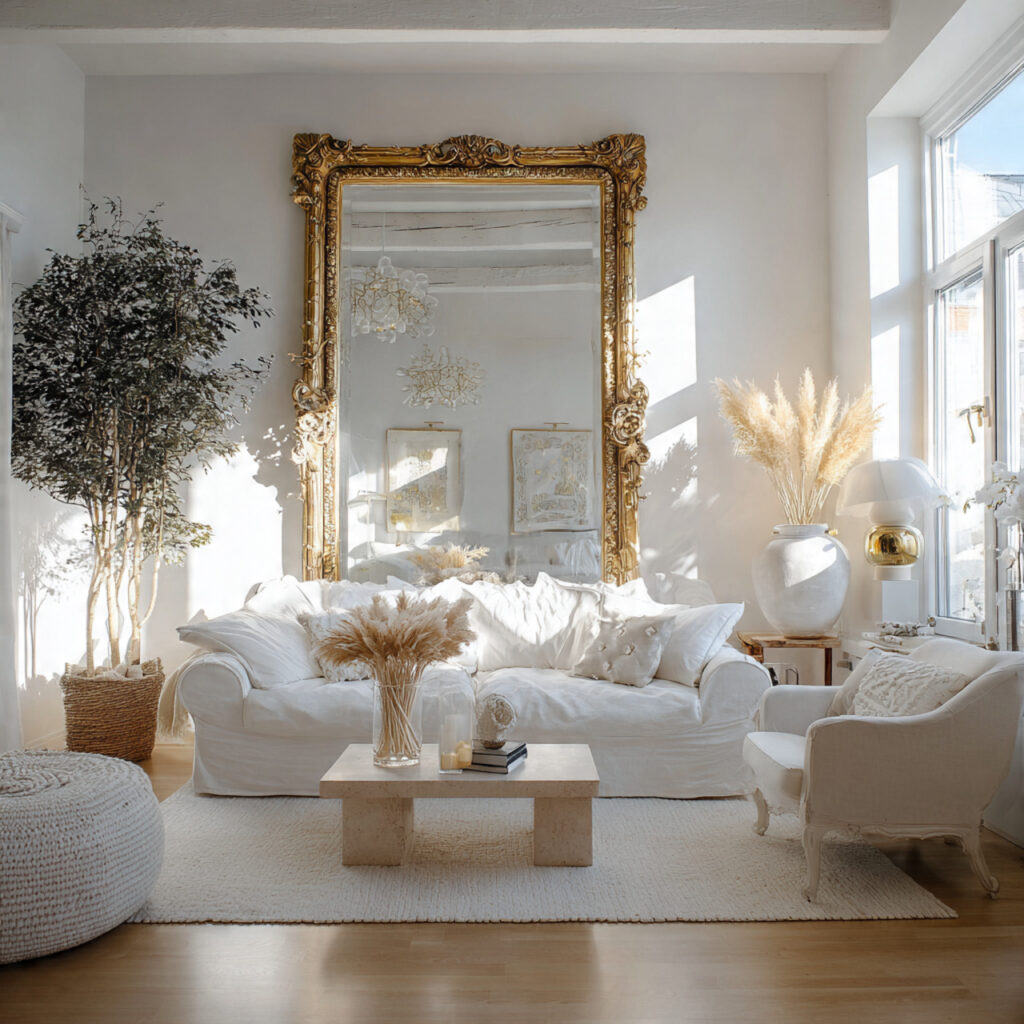
Beyond simply maximizing natural light, a statement mirror can serve as a primary artistic and decorative element in a white living room. An oversized mirror with an ornate, gilded frame provides a luxurious, vintage contrast to modern white walls, becoming an instant focal point.
Alternatively, a massive mirror with a clean, thin black frame leans into the minimalist aesthetic. Placed strategically, the mirror not only doubles the light and sense of space but also allows you to introduce sculptural interest without adding color.
FAQs About White Living Room Ideas
How do I make an all-white living room feel cozy and inviting?
To ensure an all-white living room feels cozy rather than cold, focus heavily on incorporating textural variety. This includes using thick knit blankets, plush faux fur, soft cotton velvet, and textured natural wood elements. Furthermore, the use of warm lighting is essential; swap out cool-toned bulbs for those in the 2700K to 3000K range, which emit a soft, yellow glow that simulates firelight.
What are the best colors to pair with a white living room for accents?
The best accent colors for a white living room provide necessary contrast and depth. Classic choices include Navy Blue or Charcoal Gray for a sophisticated, grounded look. For a softer, more contemporary feel, try using shades of Sage Green or Blush Pink, which introduce organic warmth. Incorporating pops of Black through frames and hardware creates a bold, minimalist contrast.
Is it practical to have a white sofa with kids and pets?
Yes, having a white sofa can be surprisingly practical with the correct fabric choice. It is crucial to invest in high-performance, stain-resistant fabrics like Crypton or Sunbrella, which are designed to repel liquids and stains. Alternatively, use a durable, washable white slipcover made of cotton or linen blend that can be easily removed and washed, often with a touch of bleach to maintain brightness.
Which type of flooring works best in a white living room?
Natural materials generally work best to ground a white living room. Light-colored hardwood flooring, such as white oak or bleached maple, maintains the airy feel while adding necessary texture and warmth. If you prefer tile, large-format polished concrete or light gray porcelain tiles can provide a clean, modern, and highly durable base that contrasts subtly with the walls.
How can I keep my white fabrics looking bright and stain-free?
The most effective strategy is proactive maintenance. Immediately treat any spills with a spot cleaner specifically designed for the fabric type. For washable items like slipcovers, wash them regularly with a brightener (like oxygen bleach) instead of chlorine bleach, which can yellow certain synthetic fibers over time. For non-washable upholstery, professional steam cleaning once or twice a year is recommended to maintain optimal brightness.
Conclusion
Embracing white living room ideas is a choice that prioritizes timeless style, light, and versatility over fleeting trends. By strategically layering textures, introducing warm elements like wood and metal, and being deliberate about the subtle shade of white paint you select, you can create a space that is effortlessly sophisticated. This foundational palette allows you the ultimate freedom to evolve your decor, ensuring your bright, beautiful living area remains fresh and inviting for years to come.