27 Best Popular Interior Design Styles
POPULAR INTERIOR DESIGN STYLES EXPLAINED are essential knowledge for anyone looking to refresh their living space or embark on a new home build. Understanding the core principles behind each aesthetic—from the clean lines of Minimalism to the rich textures of Bohemianism—provides the foundation necessary for a cohesive and personal environment. It helps you articulate your vision to designers and make confident choices on furniture and finishes.
Choosing a style isn’t just about following trends; it’s about crafting a space that reflects your personality and improves daily function. Whether you gravitate towards the sleek simplicity of modernism or the comfort of a rustic retreat, learning the vocabulary of POPULAR INTERIOR DESIGN STYLES EXPLAINED is the first step toward creating the home of your dreams.
Understanding Popular Interior Design Styles Explained
This comprehensive guide delves into the defining characteristics of the most sought-after aesthetics, providing clarity on how to distinguish one style from another. We will explore the historical context, key materials, color palettes, and unique furniture profiles that make each style distinct, ensuring you have a clear understanding of what elements combine to create a successful look.
Mastering the differences between, say, Traditional and Transitional, or Industrial and Modern, is key to successful decorating. By systematically breaking down the defining features of Popular Interior Design Styles Explained, you’ll gain the confidence to curate spaces that feel authentic, balanced, and perfectly tailored to your lifestyle needs.
Modern Minimalist Aesthetics
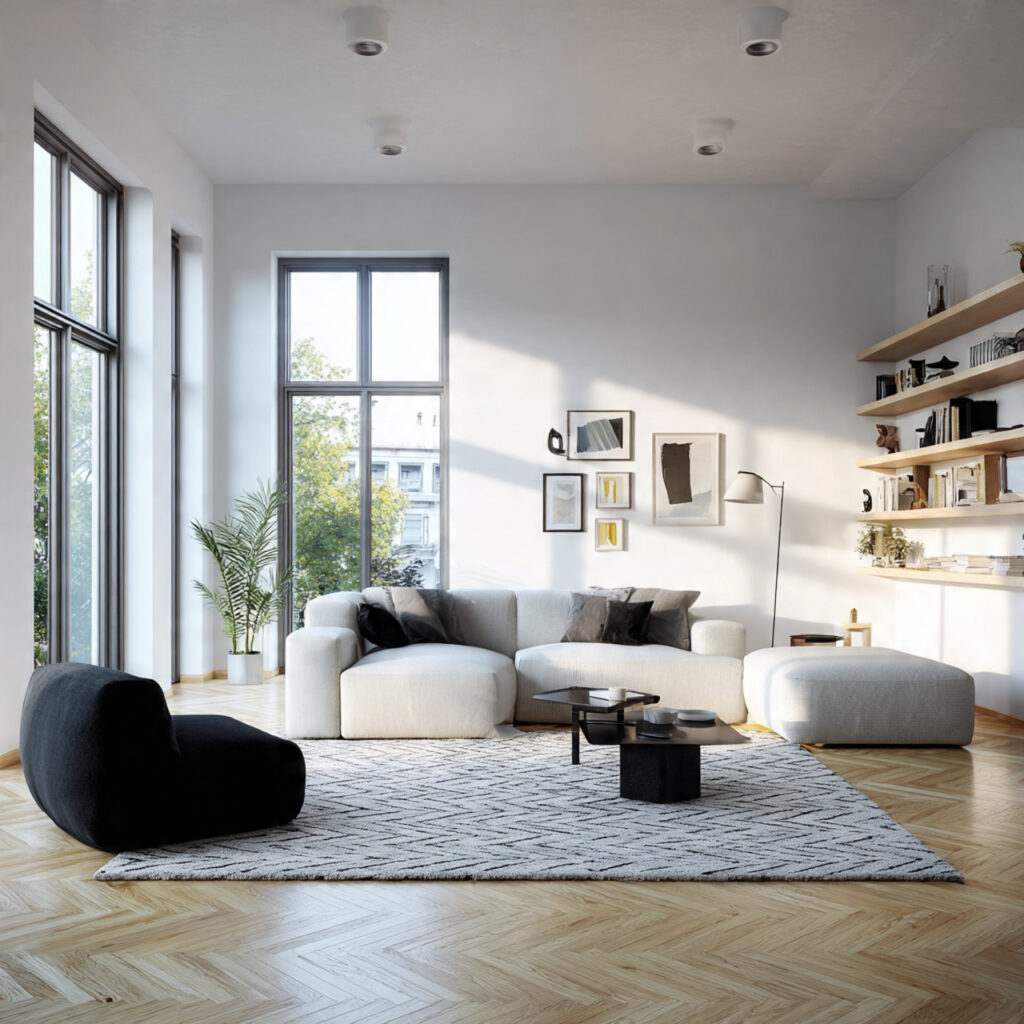
Minimalism champions the principle of “less is more,” focusing on essential elements to create a clean, uncluttered, and highly functional space. The aesthetic relies heavily on neutral color palettes—whites, grays, and blacks—and open floor plans, emphasizing light and form over decorative excess.
Key features include flat surfaces, strong vertical and horizontal lines, and the complete absence of ornamentation. Furniture is chosen for its simple form and practical purpose, often appearing sculptural in its simplicity, making every object count within the room’s composition.
Mid-Century Modern Elements
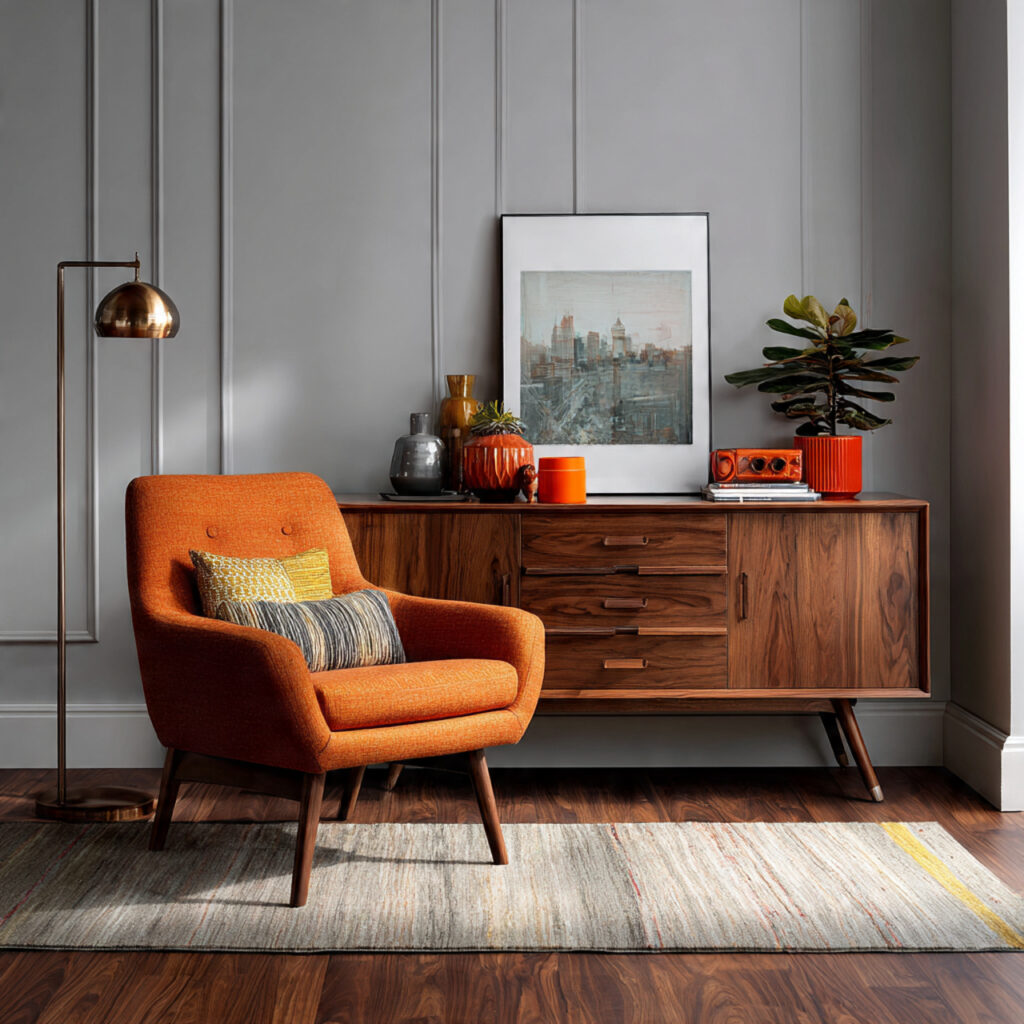
Originating roughly between the 1940s and 1960s, Mid-Century Modern is defined by its smooth lines, organic shapes, and a fusion of natural and man-made materials. It reflects a post-war optimism, blending functionality with innovative design concepts that remain timelessly stylish today.
Look for iconic pieces made from teak and walnut wood, tapered legs on furniture, and bright, optimistic accent colors like orange, avocado, and turquoise used sparingly against neutral backdrops. This style embodies relaxed elegance and accessible design principles.
Scandinavian Design Principles
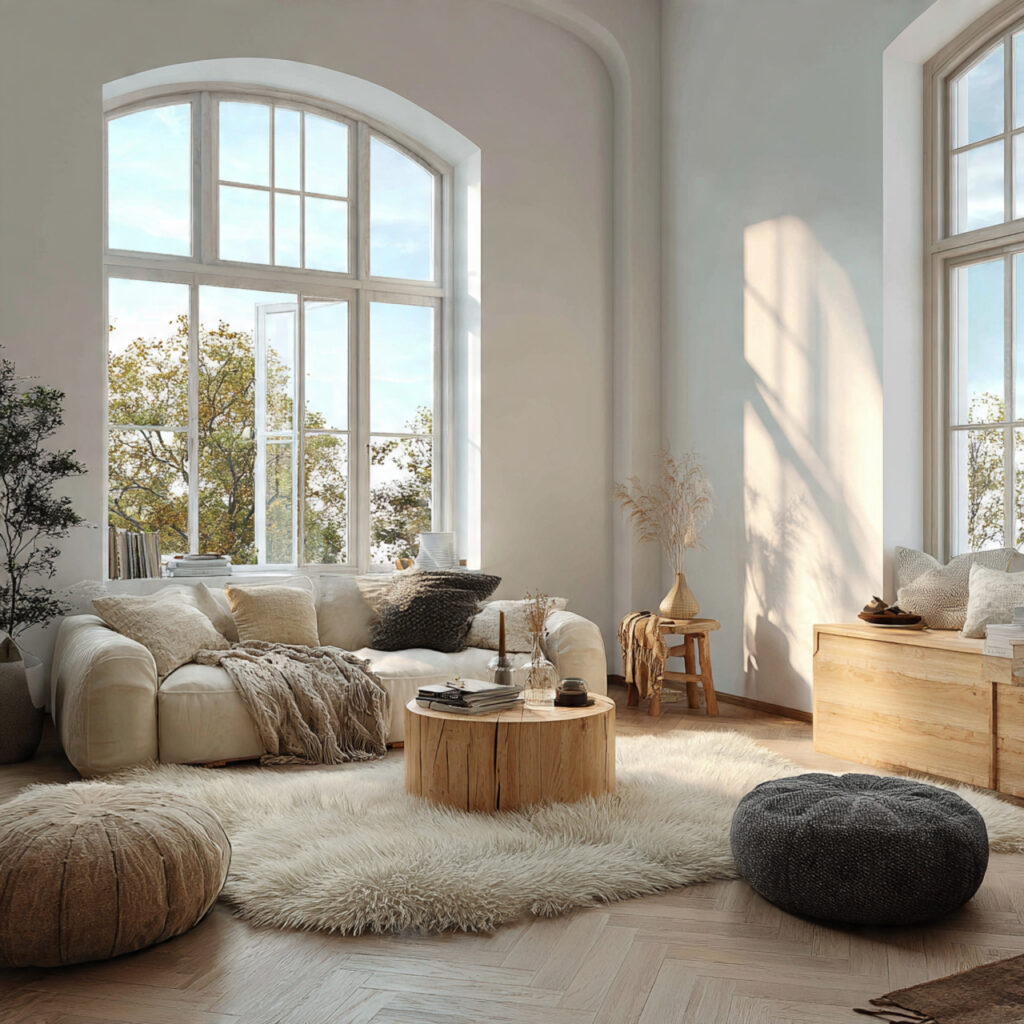
Scandinavian design, often simply called “Scandi,” prioritizes function, simplicity, and natural light, reflecting the long winters of Nordic countries. The core philosophy centers on hygge, or coziness and well-being, achieved through thoughtful, unpretentious design.
Materials like light-colored wood (birch, pine), wool, and cotton are essential, along with a bright, predominantly white and gray color scheme. This focus on natural textures and clean utility helps definePopular Interior Design Styles Explained that promote tranquility and calm.
Industrial Decor Characteristics
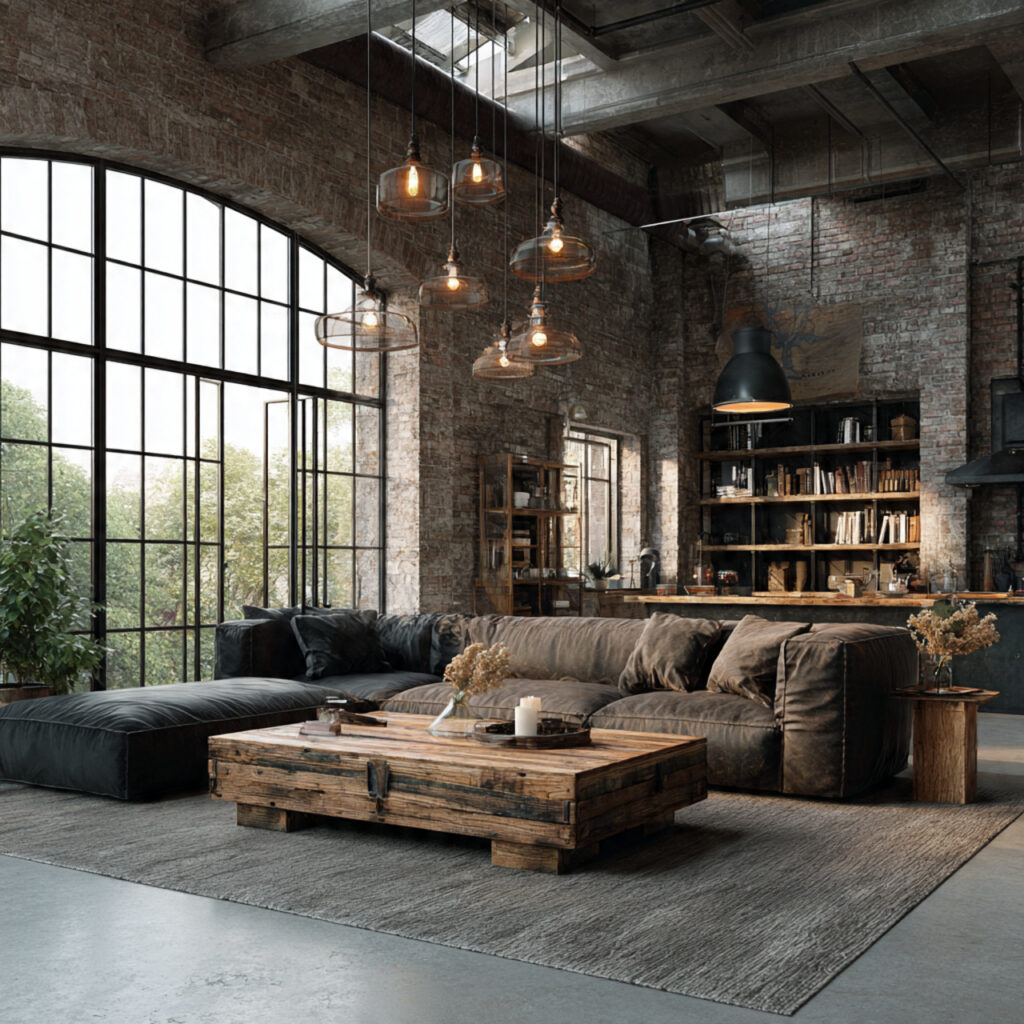
The Industrial style draws inspiration from old factories, warehouses, and urban lofts, celebrating raw, unfinished materials and structural elements. It deliberately exposes beams, pipes, and ductwork, turning utilitarian components into key design features.
Achieving this look requires a base palette of gray, black, and rust, complemented by materials like reclaimed wood, distressed leather, and exposed brick walls. These bold, utilitarian choices clearly demonstrate how impactful Popular Interior Design Styles Explained can be when borrowing from historical architecture.
Contemporary Design Features
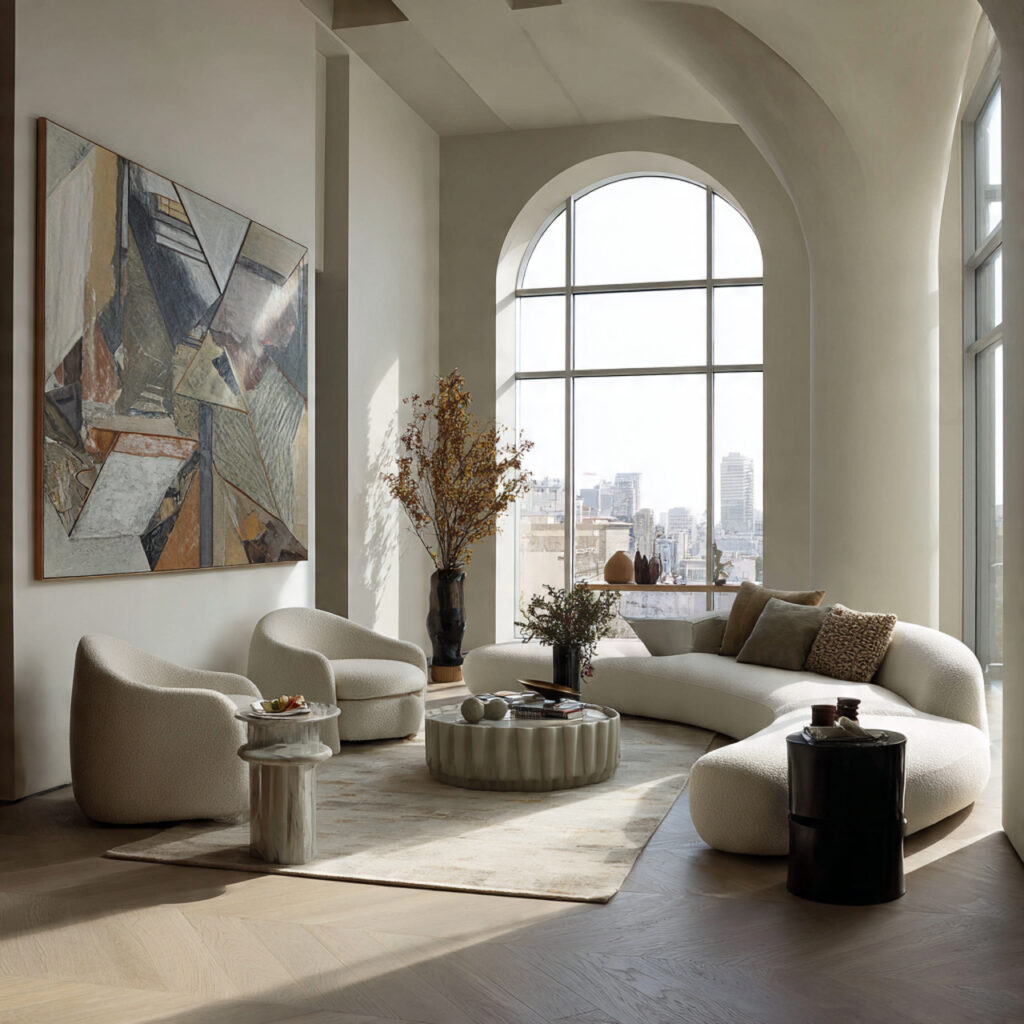
Contemporary design is often confused with modern, but it actually refers to what is currently popular and evolving in the design world, meaning it is fluid and not tied to one specific historical period. It favors curved lines and sleek, non-ornamental surfaces.
Current contemporary trends emphasize sustainable materials, large, impactful artwork, and softened edges. The color palette is usually neutral, but unlike true modernism, contemporary allows for more dramatic uses of color and texture as long as the overall feeling remains fresh and current.
Traditional Interior Concepts
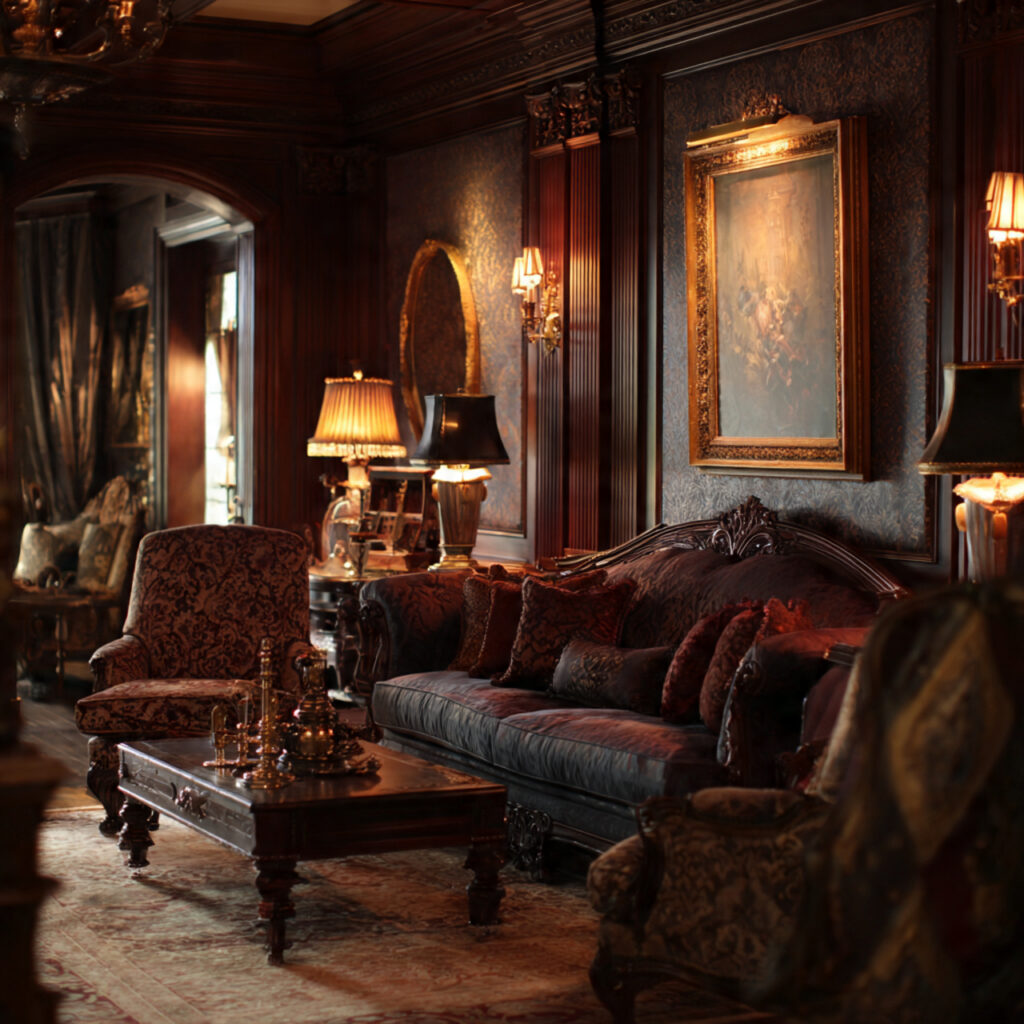
Traditional design is rooted in the classic European styles of the 18th and 19th centuries, focusing on symmetry, ornate details, and rich fabrics. It is a look of formality and comfort, where everything is perfectly balanced and deliberately placed within the room.
Key elements include dark wood furniture, velvet or silk upholstery, and complex patterns like damask or paisley. The style uses deep, warm color palettes, creating spaces that feel grand, established, and demonstrate the timeless appeal of Popular Interior Design Styles Explained.
Transitional Home Styling
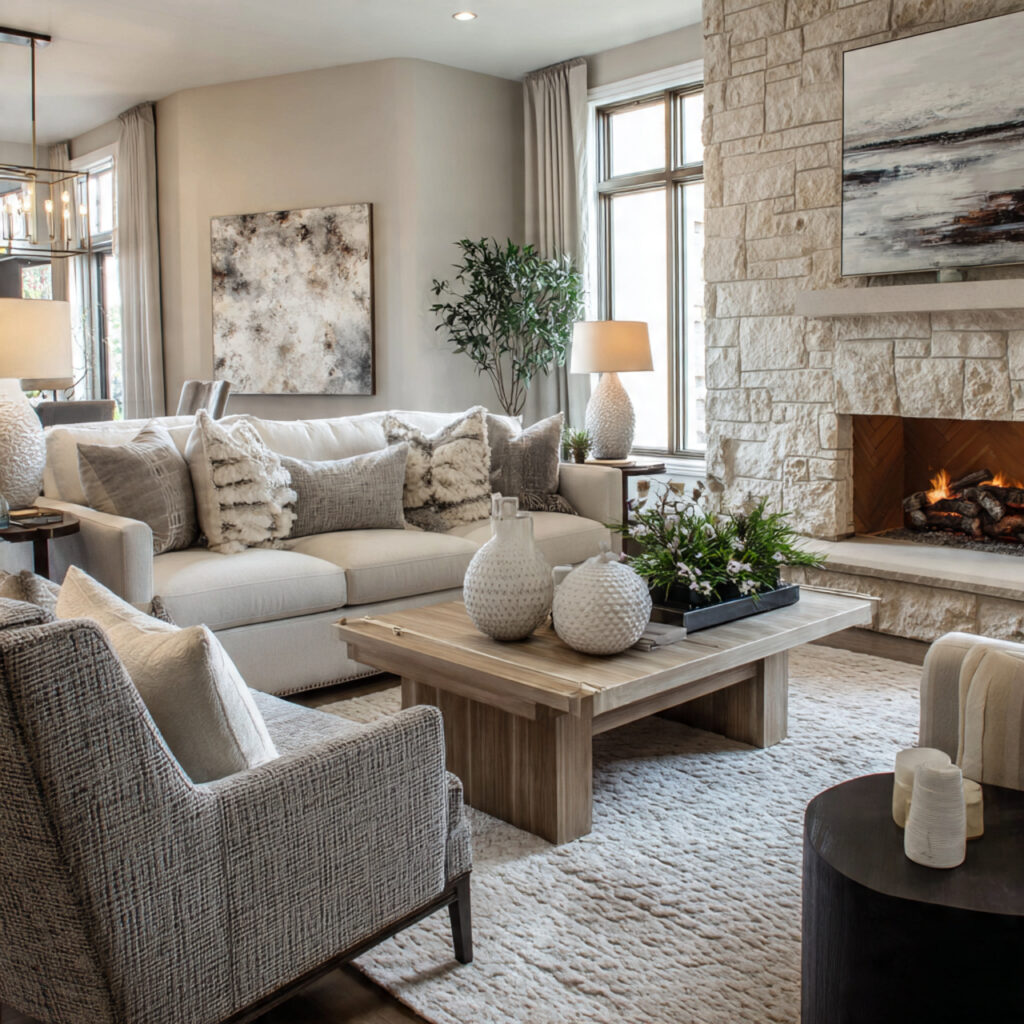
Transitional style elegantly bridges the gap between traditional and contemporary design, offering a refreshed, slightly modern take on classic comfort. It achieves balance by combining curved, plush furniture with clean, simplified lines.
The palette is typically neutral, relying on creams, tans, and grays, using texture instead of heavy pattern for visual interest. This style is incredibly versatile, appealing to those who want a home that feels both current and enduringly comfortable.
Rustic Farmhouse Charm
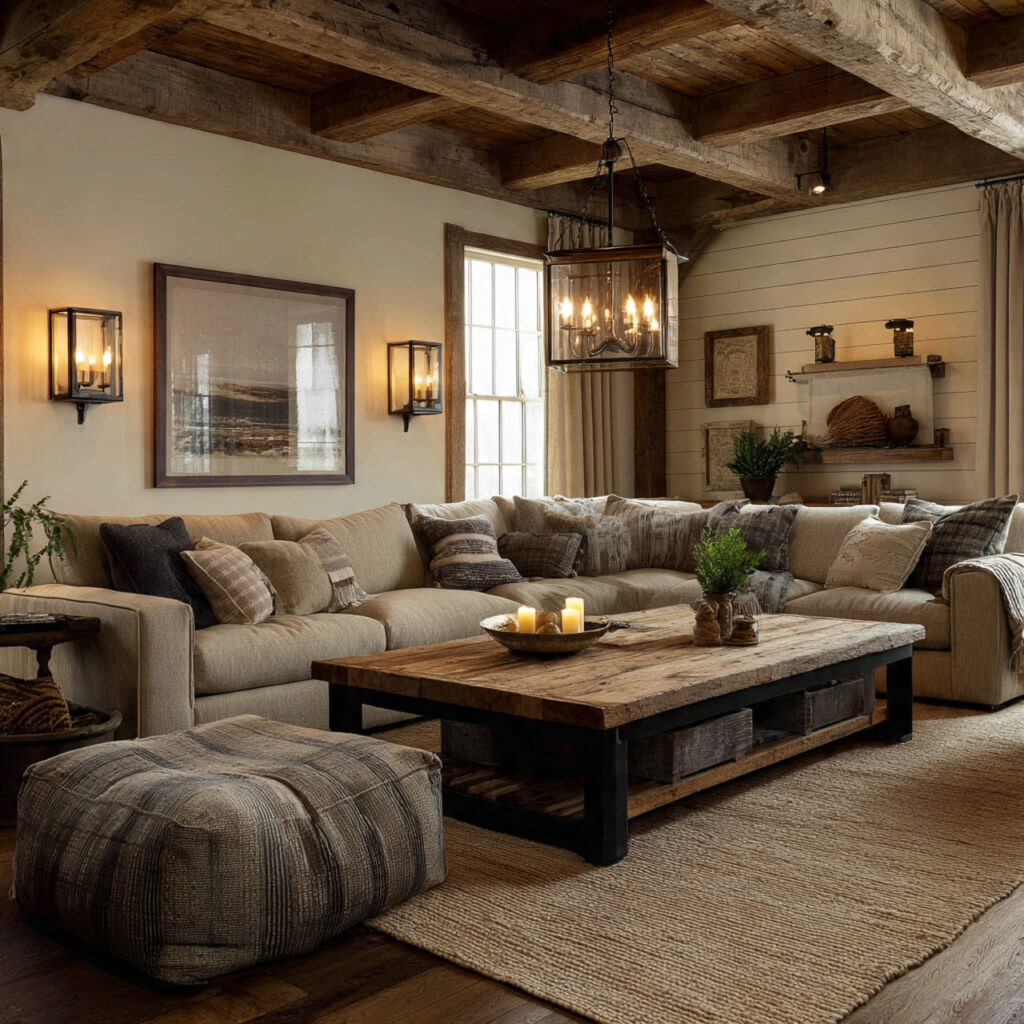
Rustic Farmhouse celebrates the simple, practical, and cozy aesthetic of rural life, often associated with Joanna Gaines and HGTV. It emphasizes reclaimed wood, worn textures, and a comfortable, unpretentious atmosphere.
Signature items include shiplap walls, oversized, slipcovered seating, and vintage accessories like galvanized metal and iron accents. This cozy, family-friendly approach is highly desirable among Popular Interior Design Styles Explained for its emphasis on warmth and history.
French Country Elegance
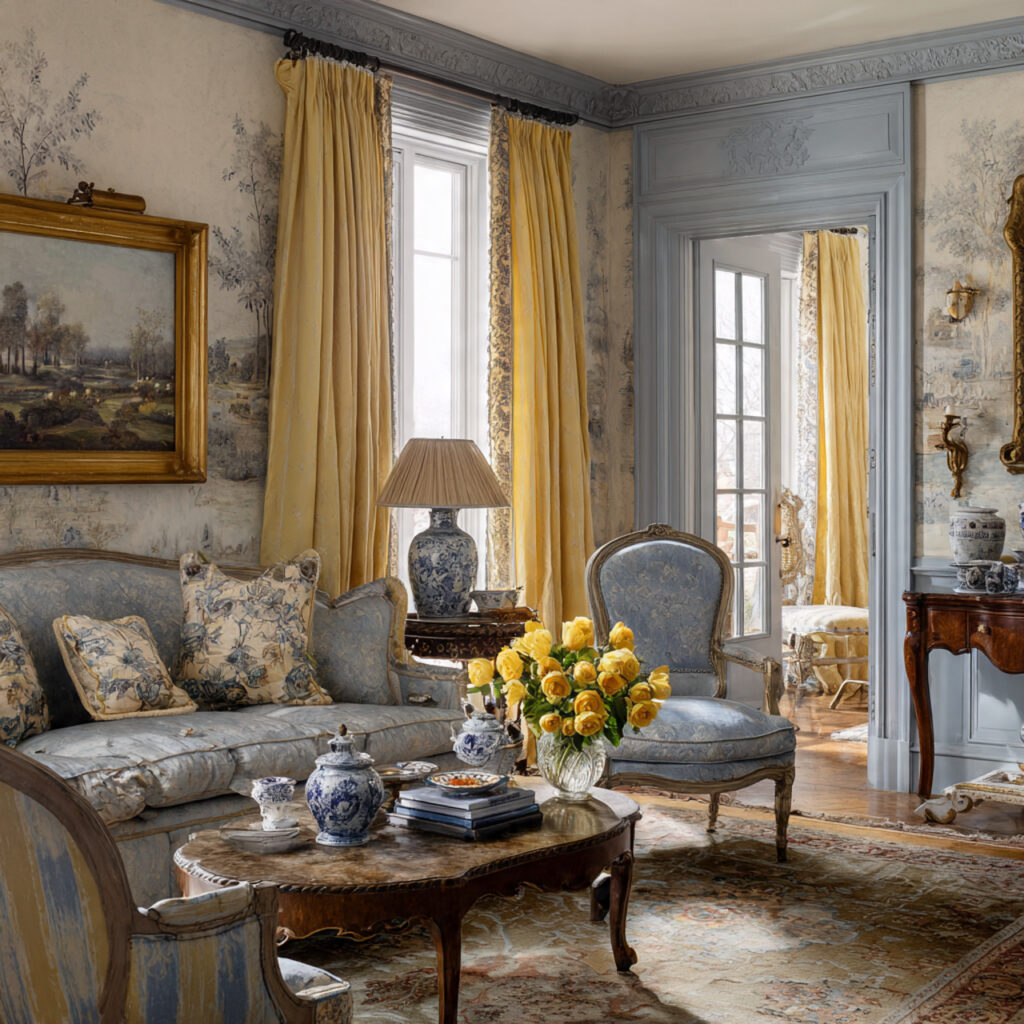
French Country marries the ornate elegance of rococo style with the rustic, natural elements of the French countryside. The look is casually sophisticated, blending distressed finishes with beautiful, slightly curved furniture silhouettes.
Common patterns include toile, florals, and stripes, often in a sunny palette of soft blues, yellows, and reds. Iron chandeliers, exposed wooden beams, and pottery accessories complete this charming, welcoming, and deeply romantic style.
Bohemian Chic Decor
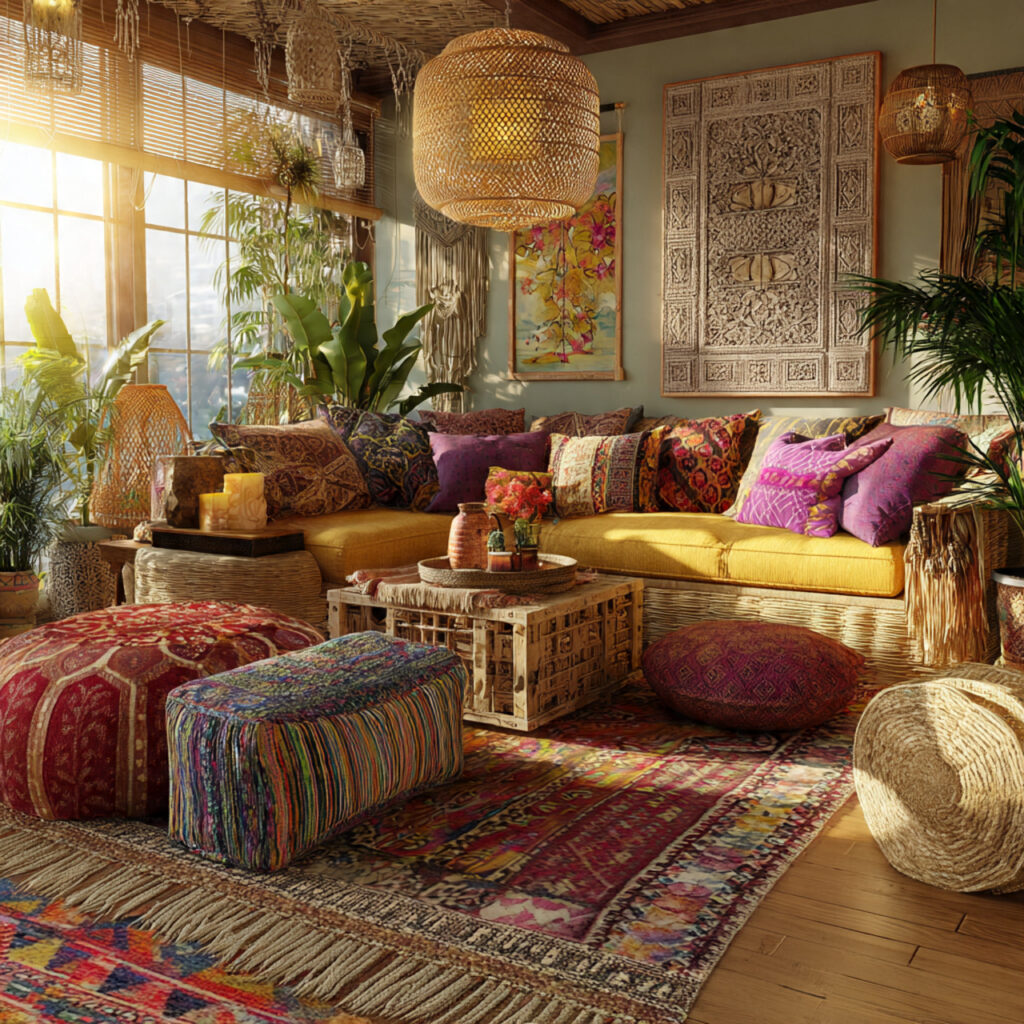
Bohemian (Boho) is free-spirited and unconventional, celebrating a carefree life, travel, and artistic expression. It features an intentional layering of patterns, textures, and colorful, globally inspired artifacts gathered from various sources.
Key components are natural, earthy materials like rattan, macramé, and woven textiles, often incorporating plants and low-slung seating. This highly personalized and relaxed style is one of the most vibrant of the Popular Interior Design Styles Explained today.
Coastal Living Atmospheres
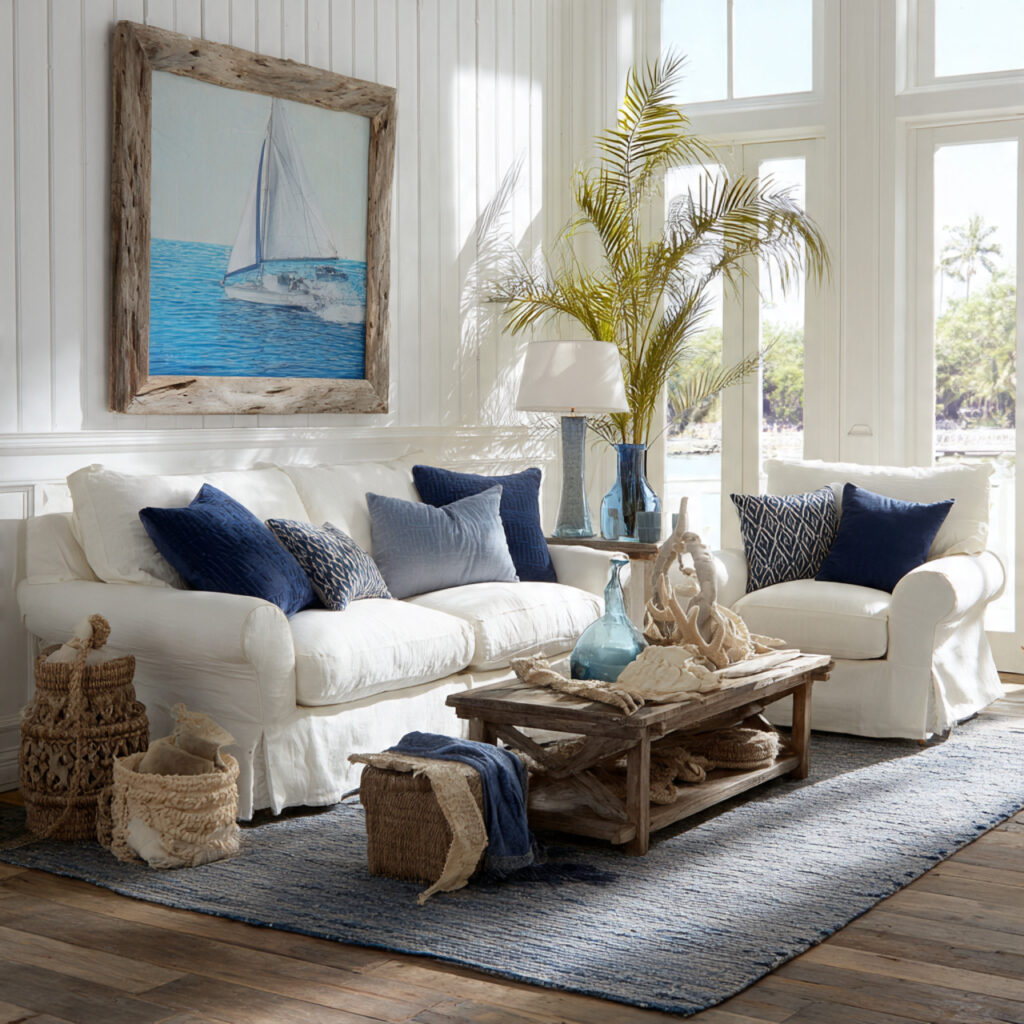
Coastal design aims to bring the tranquility and ease of the seaside indoors, utilizing light colors, natural textures, and simple, comfortable furnishings. It evokes a breezy, sun-drenched feel, whether the home is by the water or not.
The color scheme focuses on whites, light beiges, and various shades of blue and seafoam green. Materials like linen, weathered wood, rope, and glass are used to reflect the sand and ocean, ensuring a consistently serene environment.
Hollywood Regency Glamour
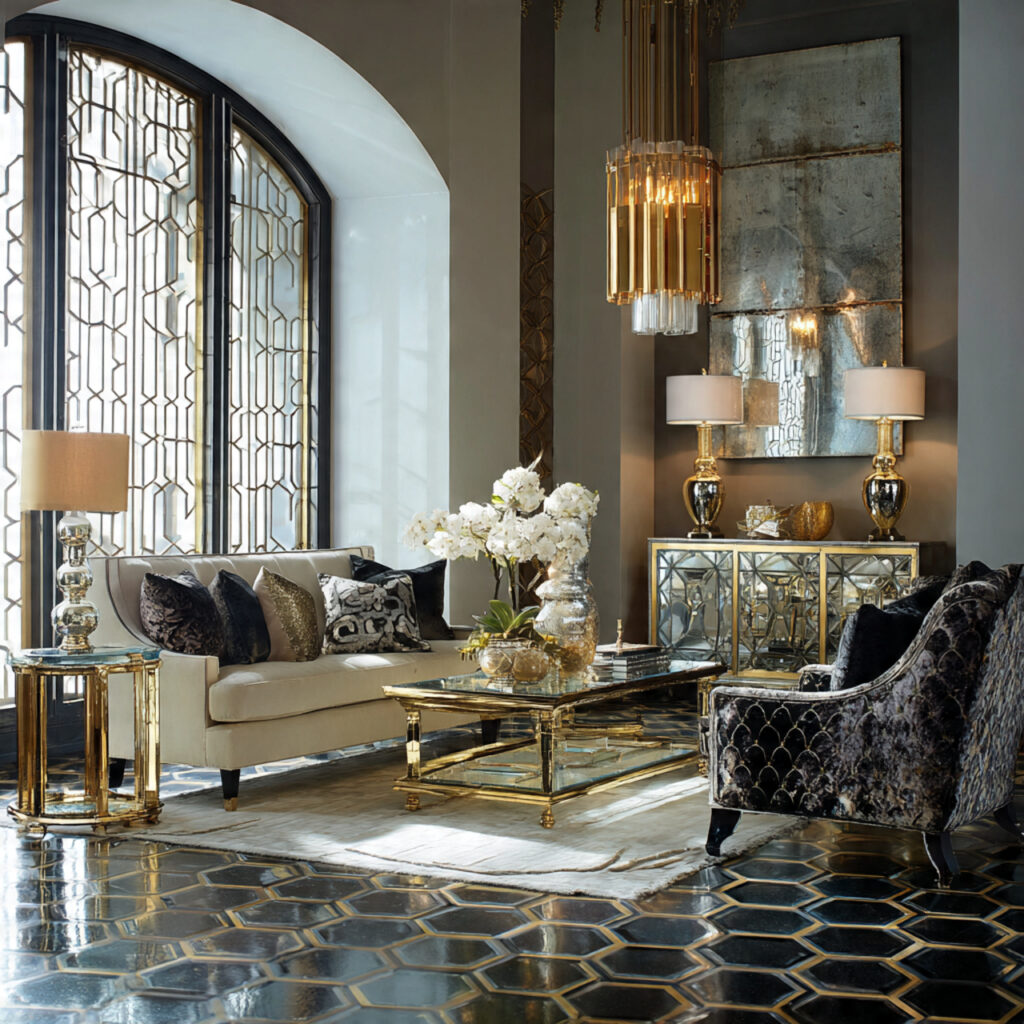
Hollywood Regency is a style rooted in the Golden Age of cinema, prioritizing drama, luxury, and high contrast. It is overtly glamorous, featuring bold furniture and decadent materials like mirrored surfaces and glossy lacquers.
Expect high-shine metallic accents (gold, chrome), geometric patterns, and rich velvet fabrics. This style is not subtle; it uses jewel tones like emerald and sapphire to create a feeling of opulence, making it a distinct subset of Popular Interior Design Styles Explained.
Southwestern Design Motifs
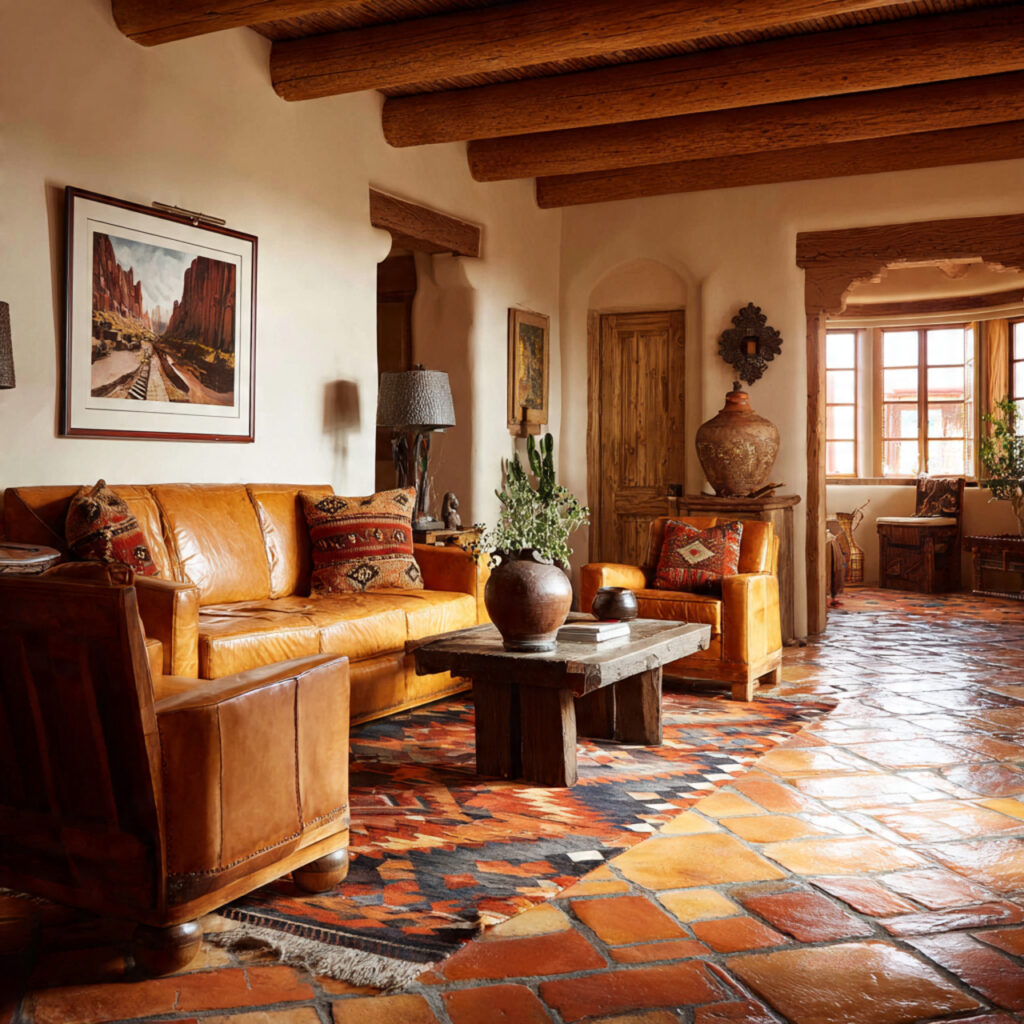
Southwestern style draws on the cultural influences of the American Southwest, incorporating the rustic aesthetic of Spanish colonial design and Native American textiles. It is known for its warm, desert-inspired color palette.
Materials often include wrought iron, leather, terracotta tile floors, and rough-hewn wood. Patterns feature geometric shapes derived from Navajo blankets, creating an earthy, textured, and culturally rich atmosphere.
Art Deco Influences
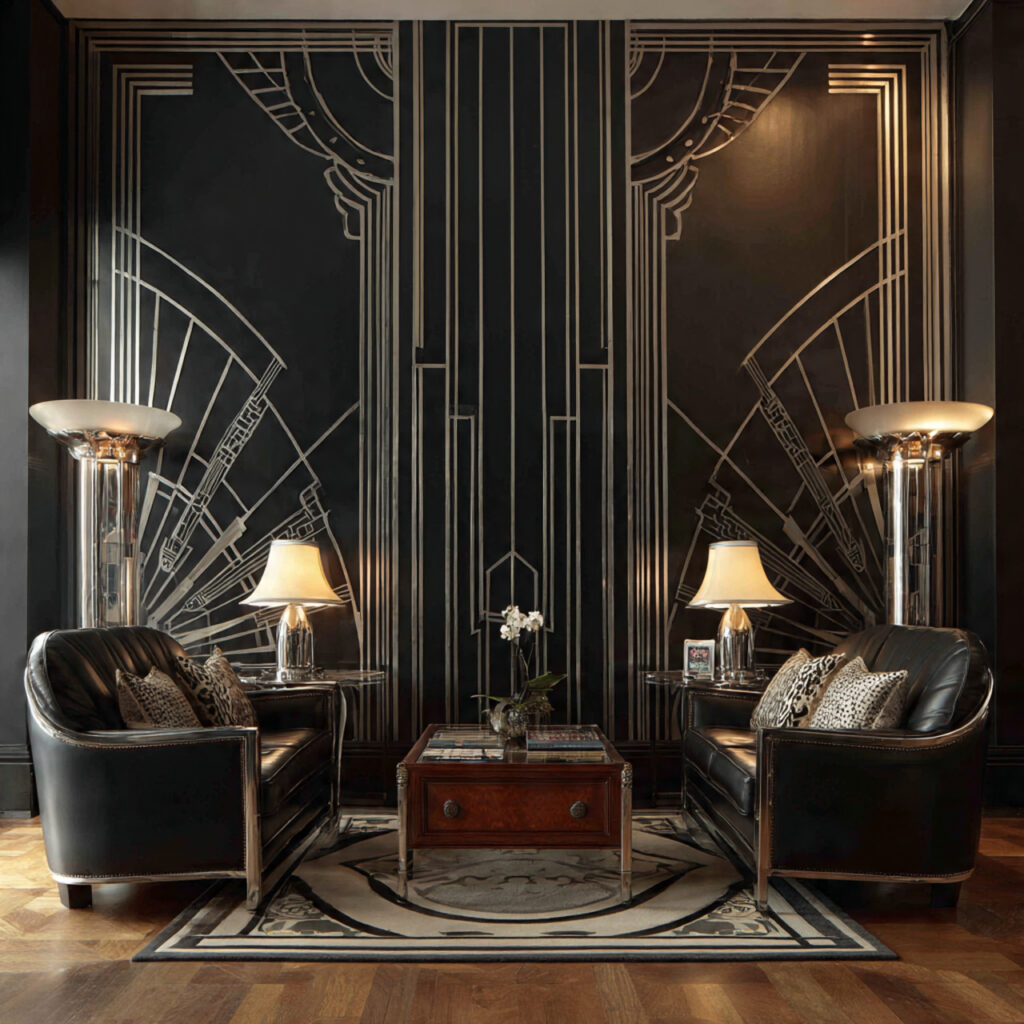
Originating in the 1920s and 30s, Art Deco is characterized by sleek, geometric forms, often with a sense of machine-age modernity and luxury. It embodies the high-style excitement and optimism of the early 20th century.
Look for stepped patterns, sunburst motifs, and streamlined, vertical lines, frequently executed in polished chrome, exotic woods, and black lacquer. This sophisticated and highly stylistic aesthetic is one of the most recognizable of the Popular Interior Design Styles Explained.
Victorian Era Architecture
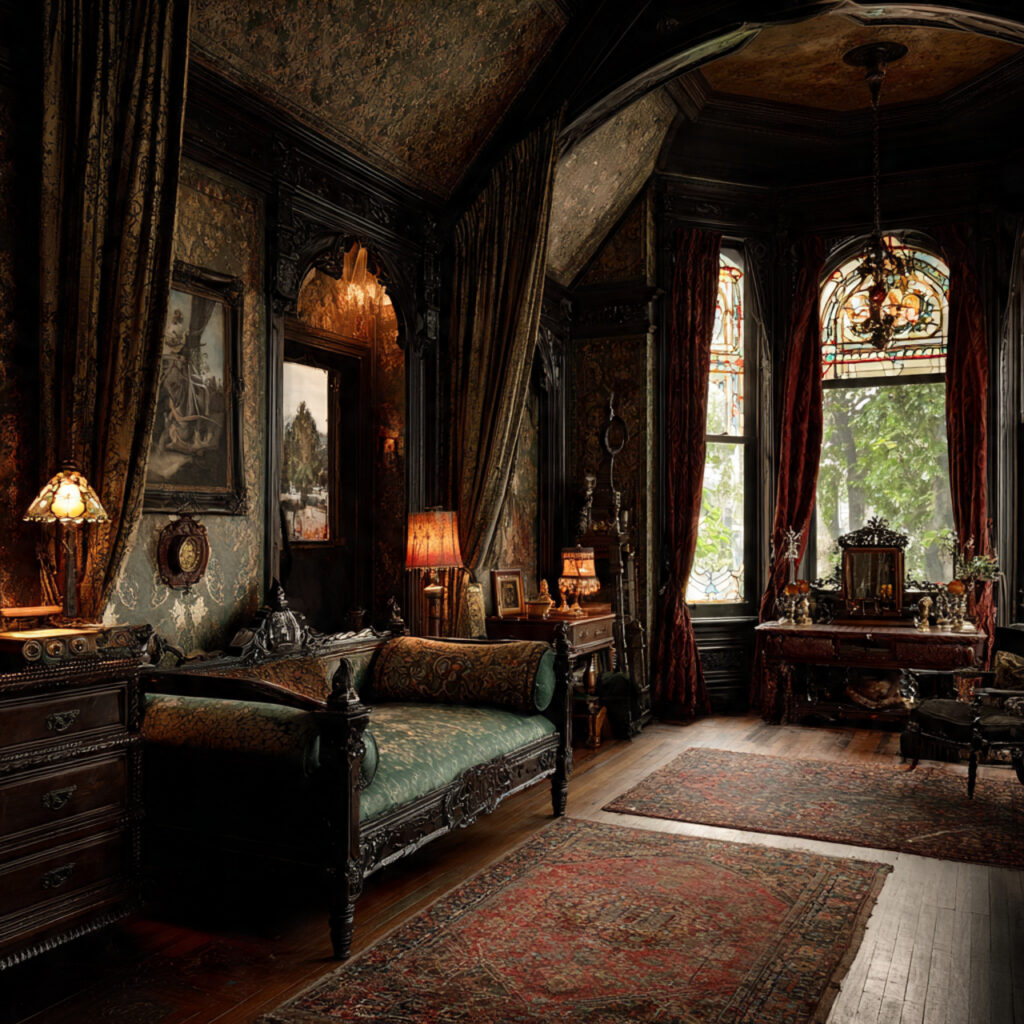
Victorian interior design is maximalist, heavy, and ornate, reflecting the industrial prosperity and social conventions of Queen Victoria’s reign. Every surface is often decorated, leading to rooms that feel lush, detailed, and densely layered.
Key elements include stained glass, rich, dark woods like mahogany and walnut, and elaborate fireplace mantels. Colors are often deep and moody, utilizing burgundies, forest greens, and deep blues to convey a sense of formality and wealth.
Shabby Chic Vintage
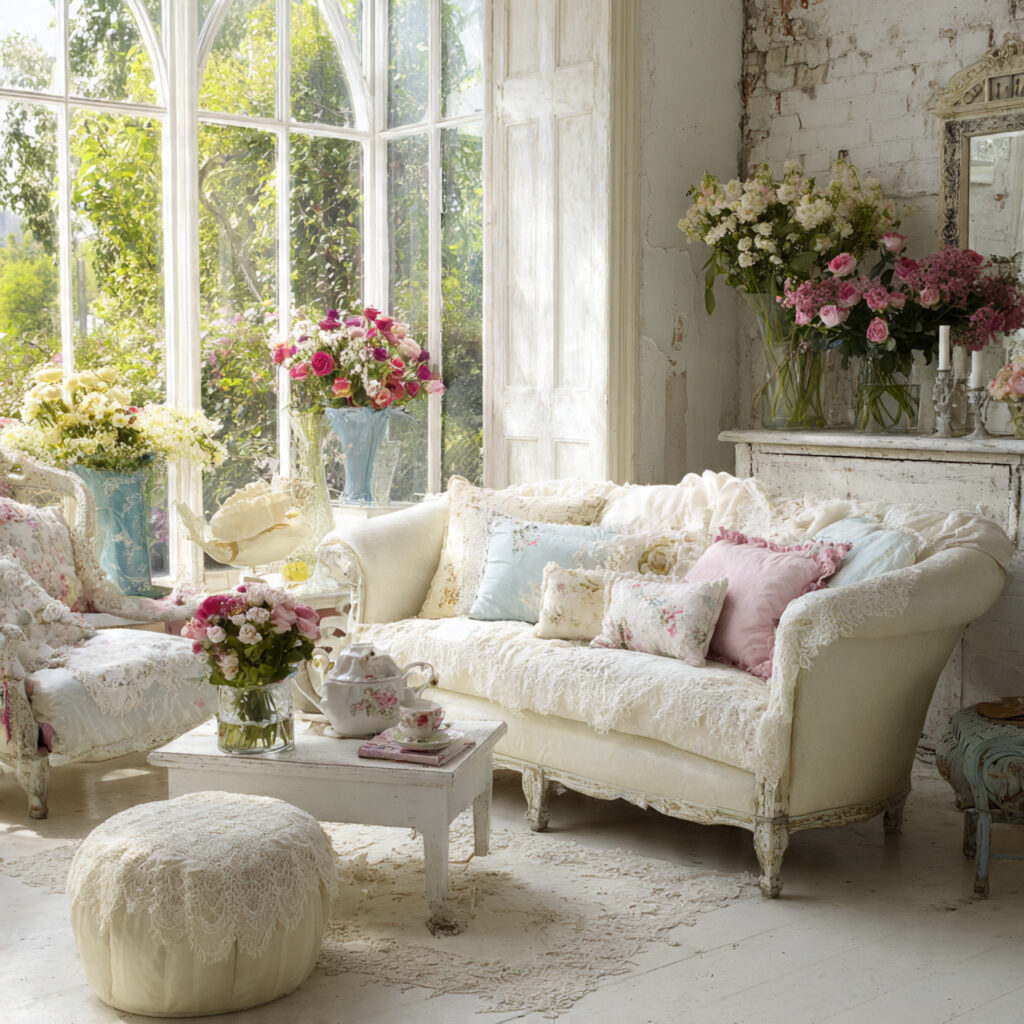
Shabby Chic is a soft, romantic style that intentionally uses furniture and finishes with a distressed, worn-in appearance to evoke a timeless, comfortable feel. It blends antique charm with feminine, soft color schemes.
The palette is dominated by pastels—mostly white, cream, and pale pink—accented by floral patterns and delicate fabrics like linen and lace. Its intentional imperfection makes it one of the most approachable Popular Interior Design Styles Explained.
Japandi Hybrid Style
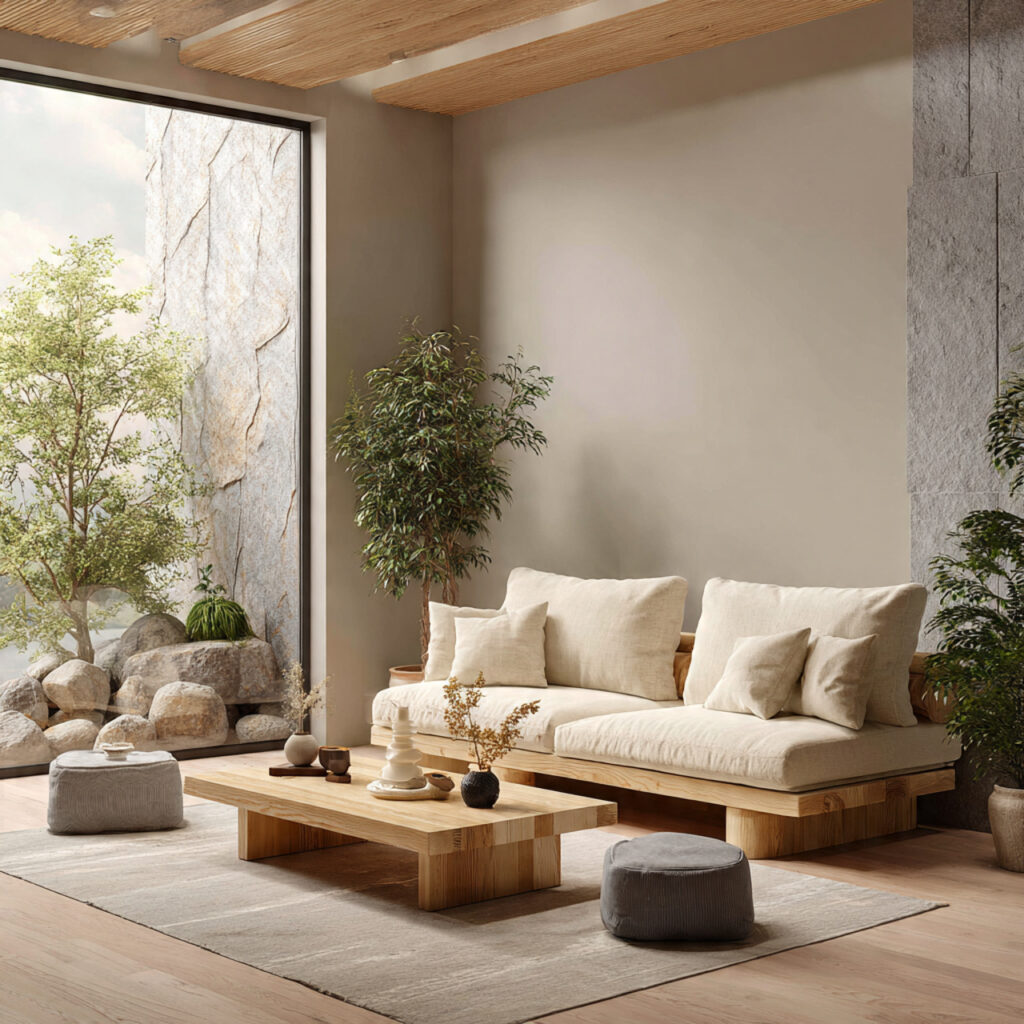
Japandi is a fusion of Japanese traditional aesthetics and Scandinavian functionality, combining the rustic minimalism of the two cultures. It creates a space that is impeccably neat, calming, and deeply rooted in natural materials.
The style features clean lines, handcrafted items, and a subdued palette of muted tones—think beige, oatmeal, and dark wood accents. The focus is on quality over quantity, promoting intentional living and visual harmony.
Mediterranean Villa Vibes
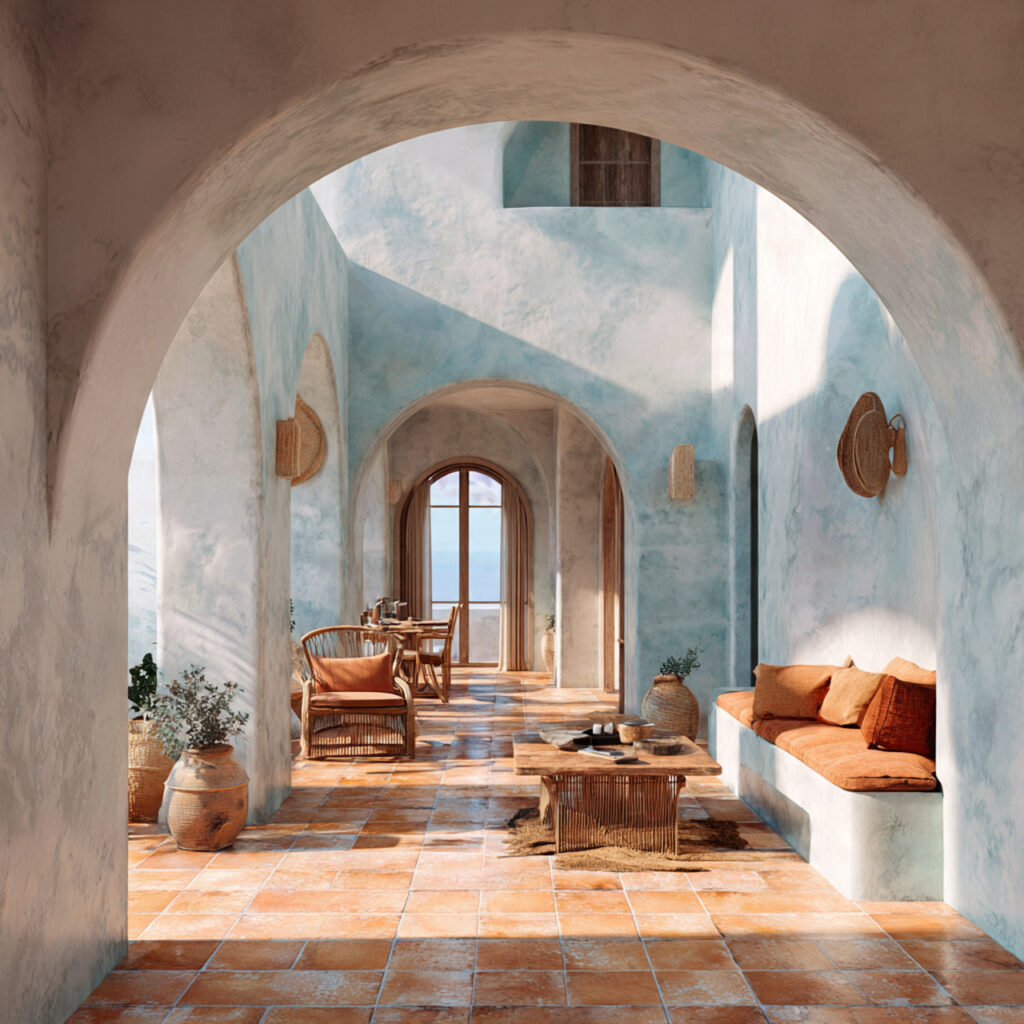
Drawing from coastal cultures in Spain, Italy, and Greece, Mediterranean design is characterized by light, airy spaces, arched doorways, and textured walls that mimic stucco or plaster. It aims for a casual, sun-drenched permanence.
Materials include terra cotta, iron, and rich, dark woods, often complemented by deep blues, greens, and ochre accents. When considering the range of POPULAR INTERIOR DESIGN STYLES EXPLAINED, this one is perfect for creating a relaxed, indoor-outdoor flow.
Visit Also : CHALKBOARD DESIGNS
Tropical Island Interiors
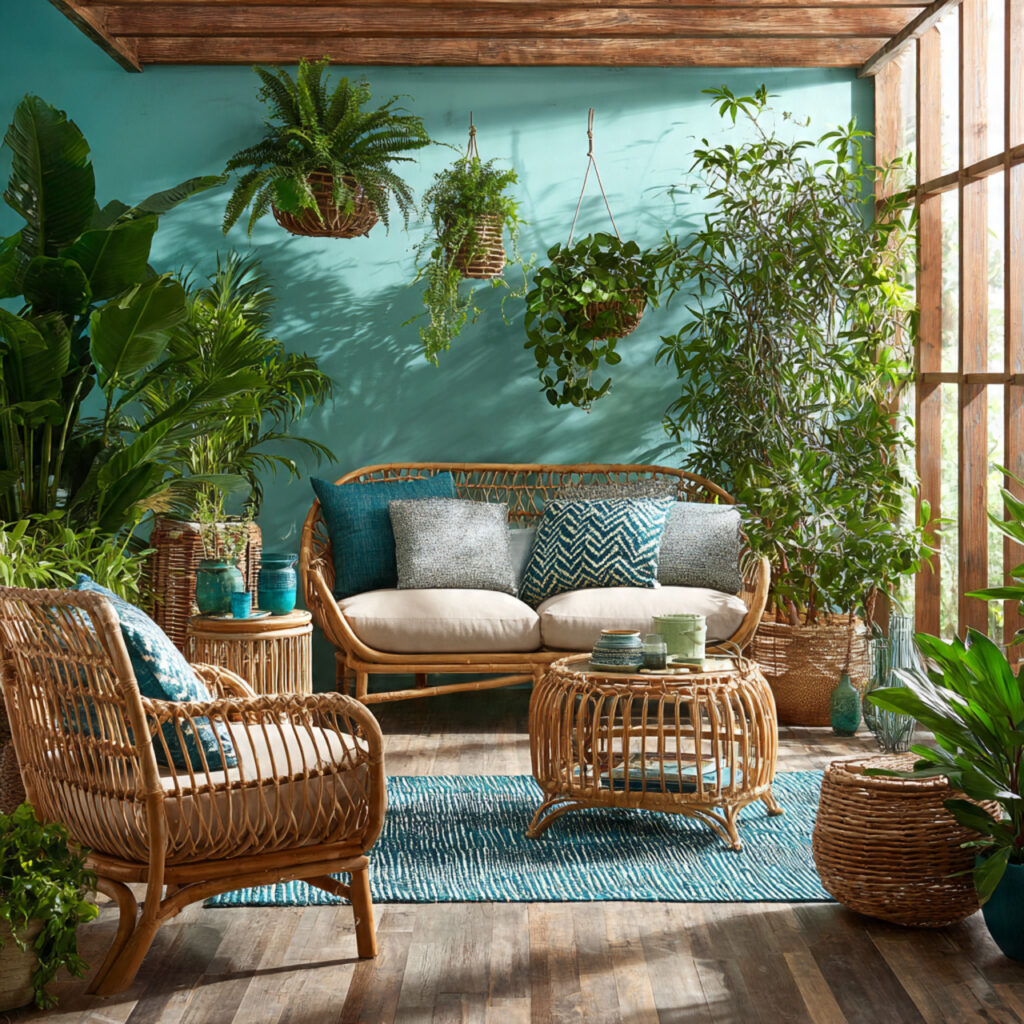
Tropical interiors are defined by a vibrant color palette and the use of natural, lush materials to bring the feel of a rainforest or beach resort indoors. It is inherently relaxing, focusing on ventilation and abundant greenery.
Woven rattan, bamboo, teak, and broad-leafed plants like palms are essential components. Colors include rich greens, turquoise, and coral, often offset by crisp white fabrics to keep the look clean and breezy.
Asian Zen Philosophy
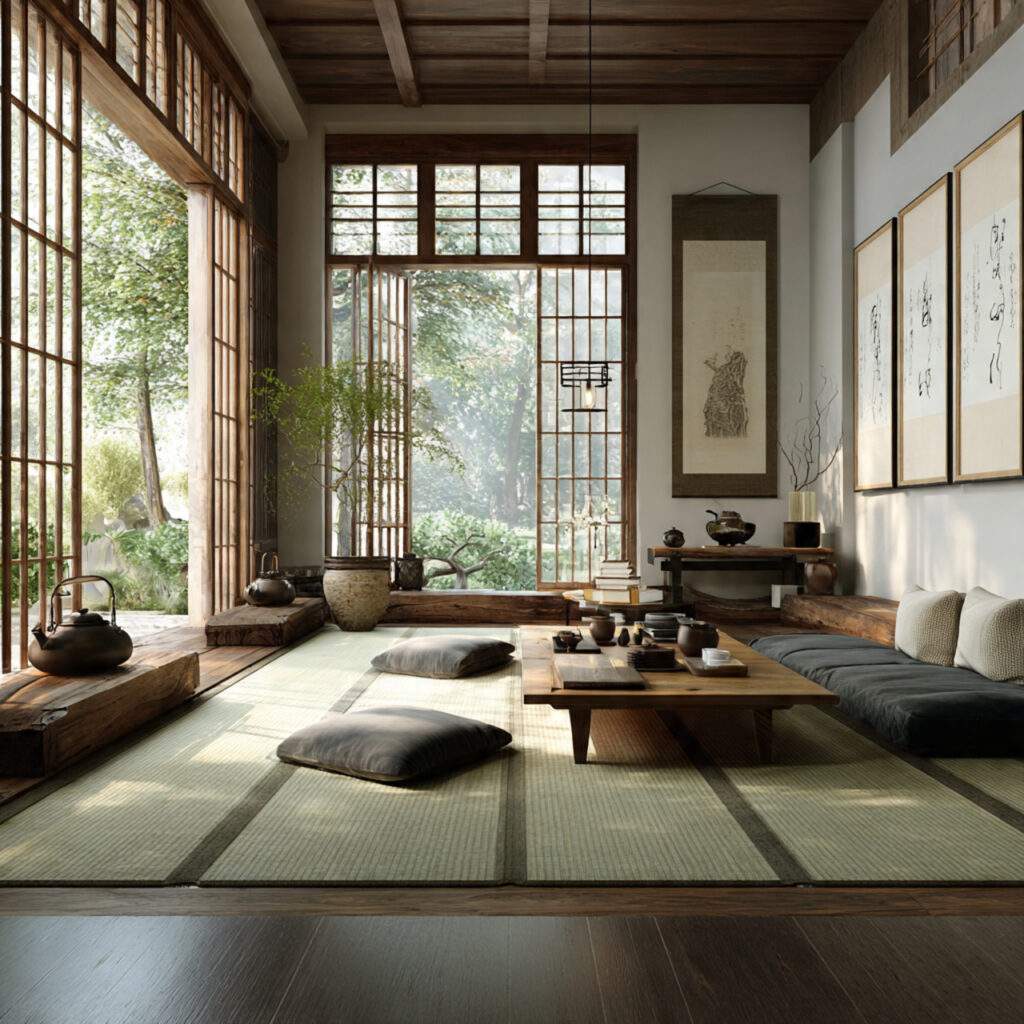
Rooted in Buddhist and Japanese design traditions, Zen interiors are centered on balance, harmony, and simplicity. They create a tranquil retreat through uncluttered spaces and a deep connection to nature.
This style emphasizes low-profile furniture, sliding partitions, and natural materials like bamboo and smooth stone. Understanding these principles is critical to mastering Popular Interior Design Styles Explained that focus on well-being.
Eclectic Mix and Match
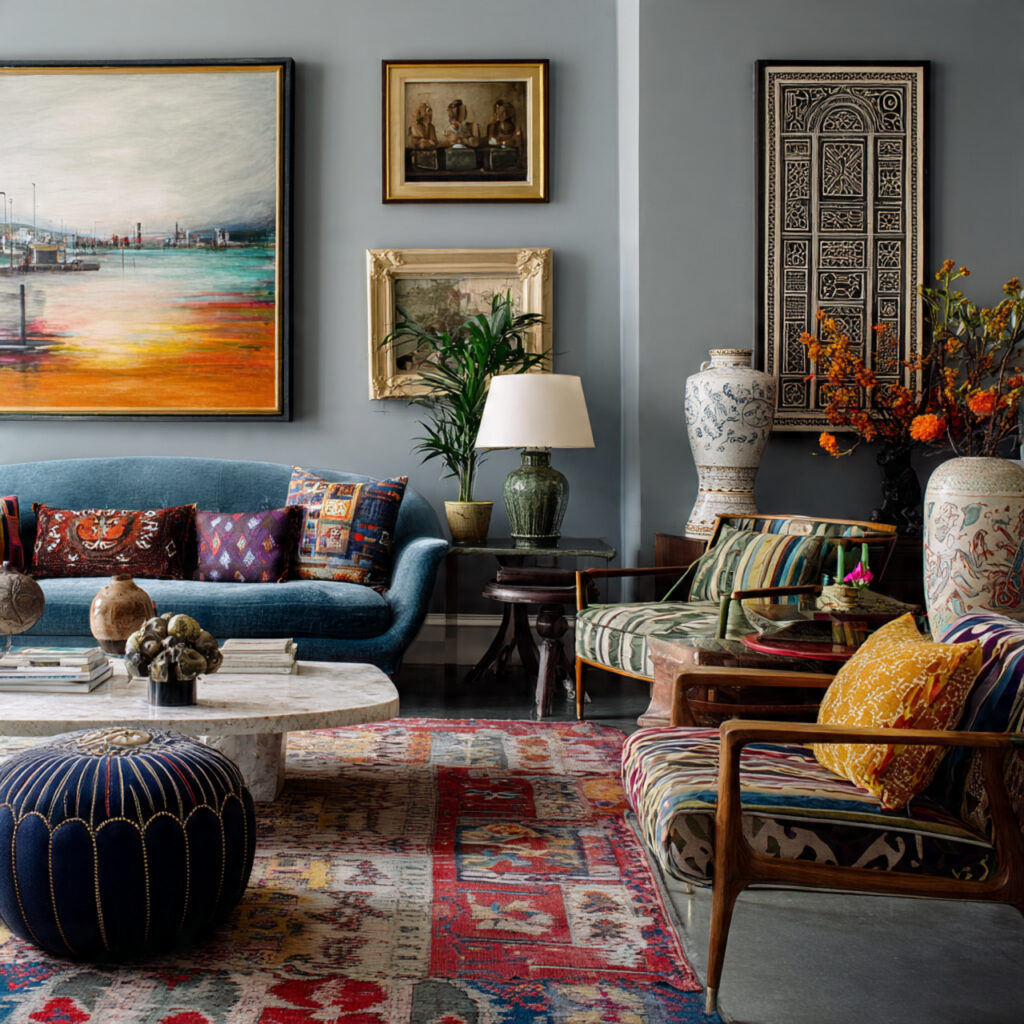
Eclectic design is the successful combination of elements from different design styles, periods, and origins, unified by a consistent color palette, texture, or shape. It requires a confident eye to prevent the space from looking chaotic.
It allows for immense personalization, where a modern sofa might sit next to an antique chest, but they share a common fabric or color, making the space feel curated and deeply reflective of the homeowner’s travels and taste.
Modern Country Living
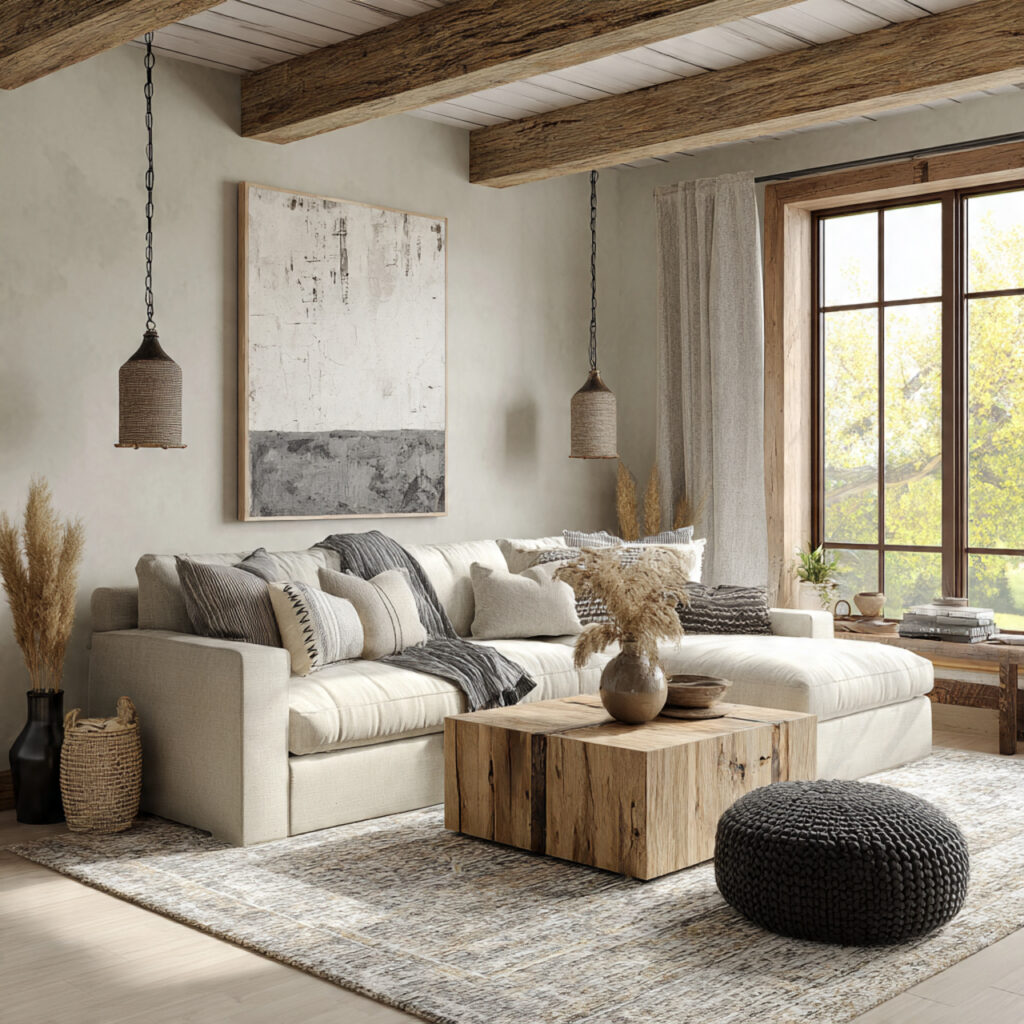
Modern Country blends the warmth and softness of traditional country style with the clean lines and neutral palette of modernism. It’s an updated, less cluttered version of the rustic aesthetic.
This style features natural wood tones, comfortable textiles, and a lack of excessive frill or ornamentation. It is an approachable style, representing a refined evolution among Popular Interior Design Styles Explained.
Gothic Revival Decor
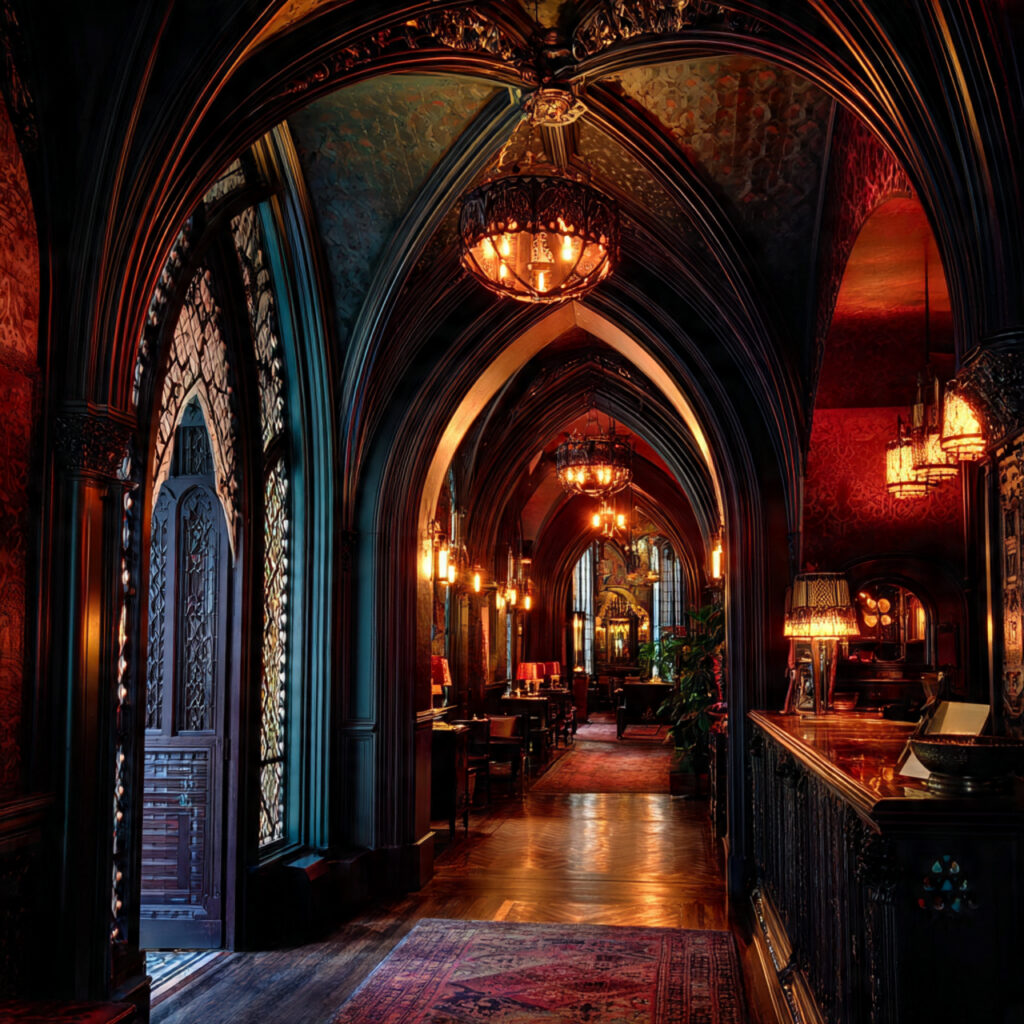
Gothic Revival is an architectural and design movement from the 19th century that draws inspiration from medieval cathedrals. It emphasizes dark, dramatic colors, pointed arches, and verticality in its design.
Interiors feature heavy carved wood furniture, deep jewel tones, heraldic motifs, and often dramatic lighting. The style is theatrical, moody, and intentionally evokes a sense of historical gravitas and grandeur.
Maximalist Bold Patterns
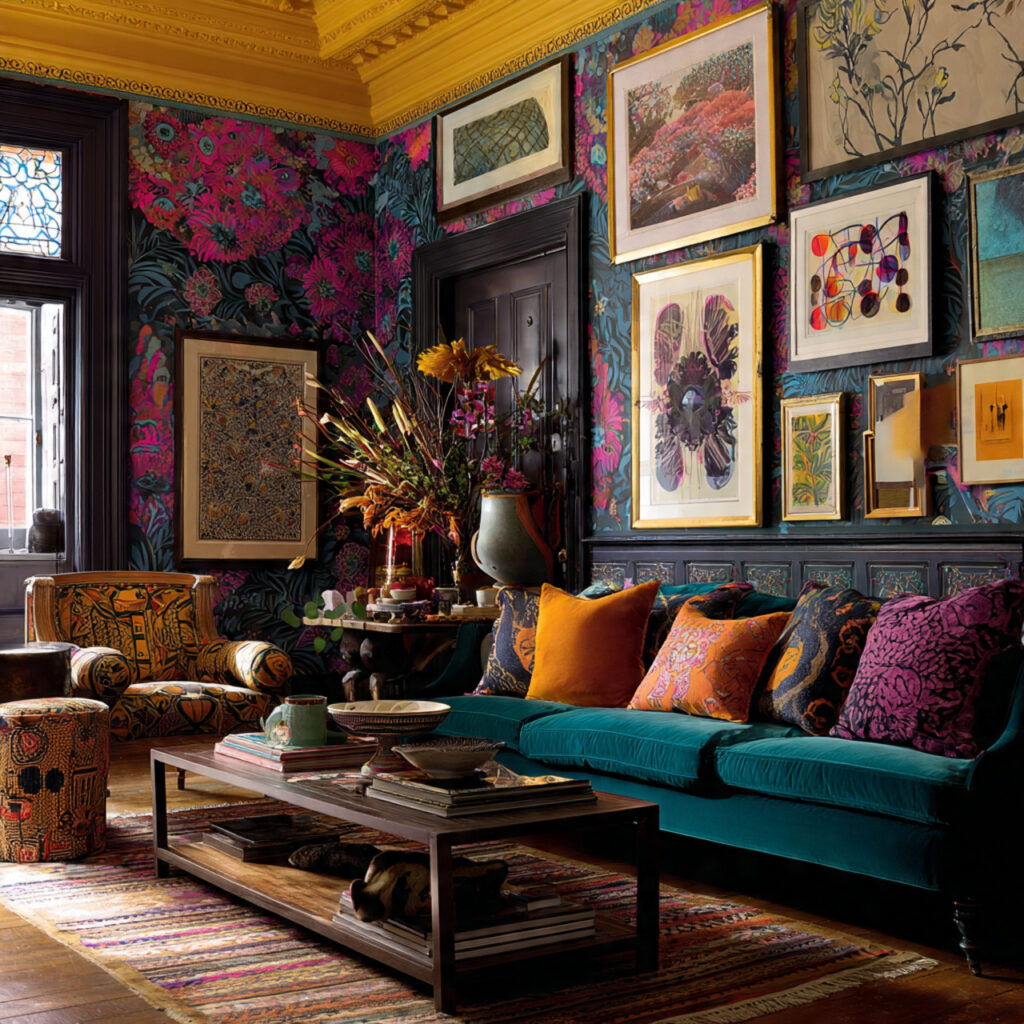
Maximalism is the antithesis of minimalism, celebrating “more is more” through the exuberant use of color, pattern, texture, and objects. It creates spaces that are vibrant, layered, and utterly unique.
The key is thoughtful layering; pieces are curated, not randomly collected, using bold wallpaper, diverse art, and clashing patterns that somehow work together. It’s an expressive option within Popular Interior Design Styles Explained.
Bauhaus Design Functionality
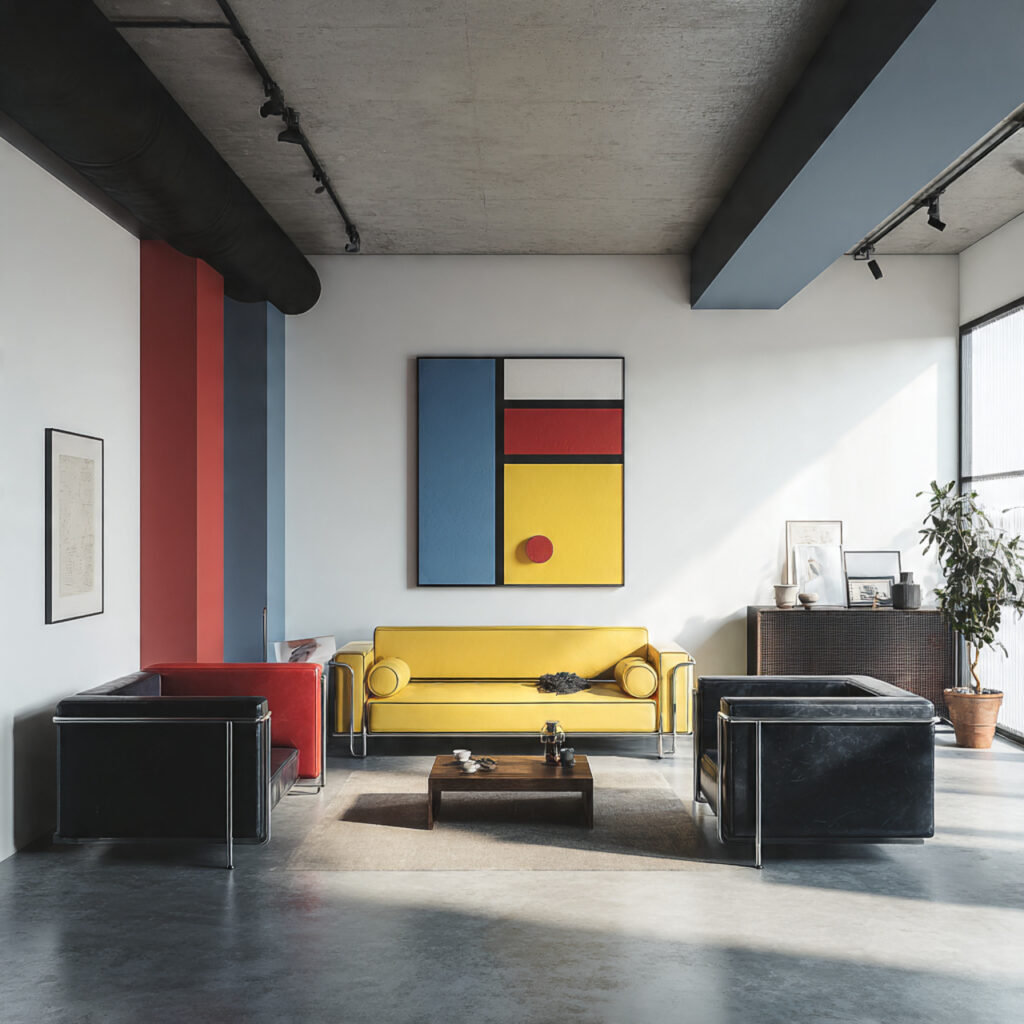
Emerging from the influential German design school of the early 20th century, Bauhaus focuses on form following function, emphasizing geometric purity and mass production suitability. It is a highly rational, no-frills approach.
Bauhaus style is defined by clean shapes, primary colors (red, yellow, blue) used sparingly, and materials like steel, glass, and leather. Its lasting influence is visible in almost all modern furniture design.
Organic Modern Textures
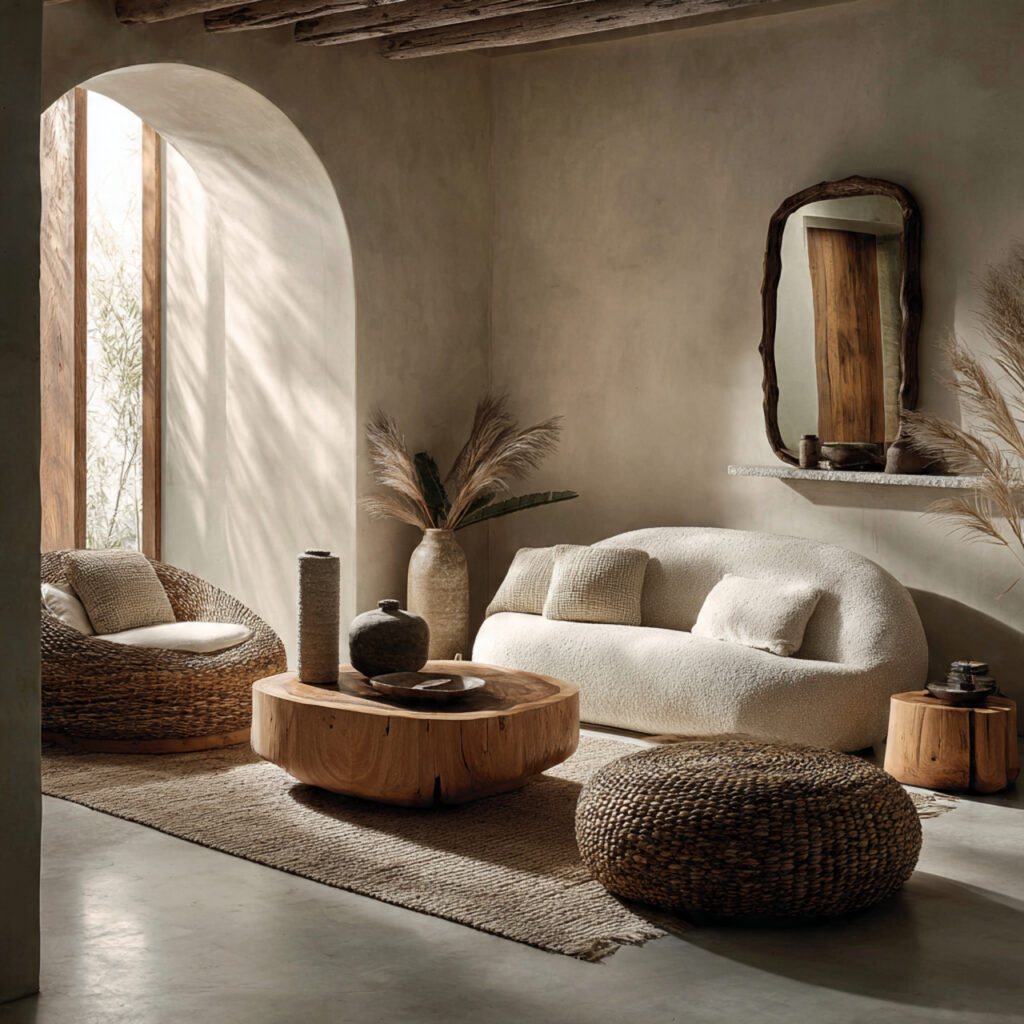
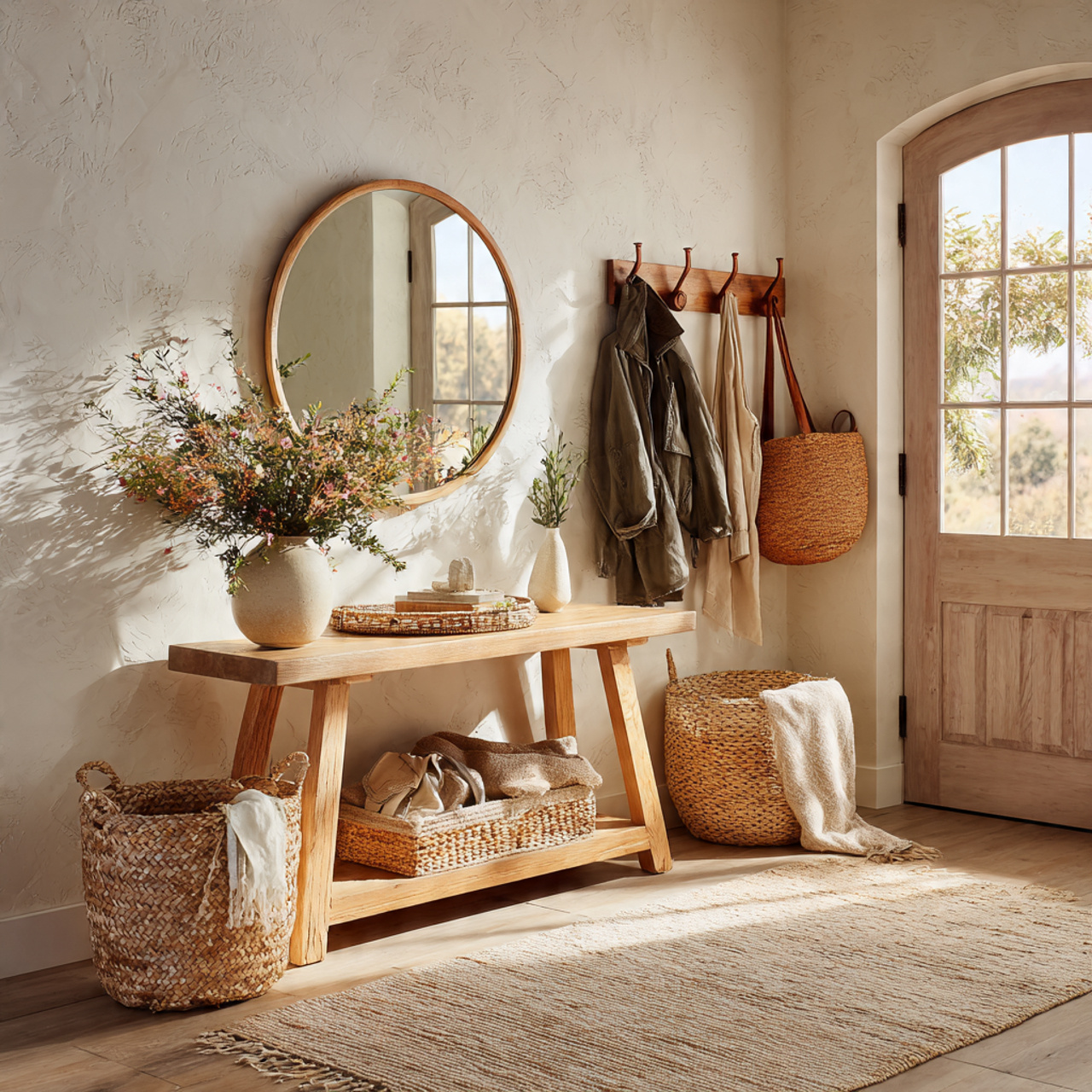
Organic Modern is a relaxed contemporary style that blends clean, modern lines with natural, tactile materials to create a soothing, nature-focused environment. It’s about softness without sacrificing sophistication.
The palette is earthy and neutral, incorporating rounded shapes, raw wood, linen, sheepskin, and stone. The intent is to feel simultaneously sleek and grounded, bridging the gap between nature and high design among Popular Interior Design Styles Explained.
Urban Modern Sophistication
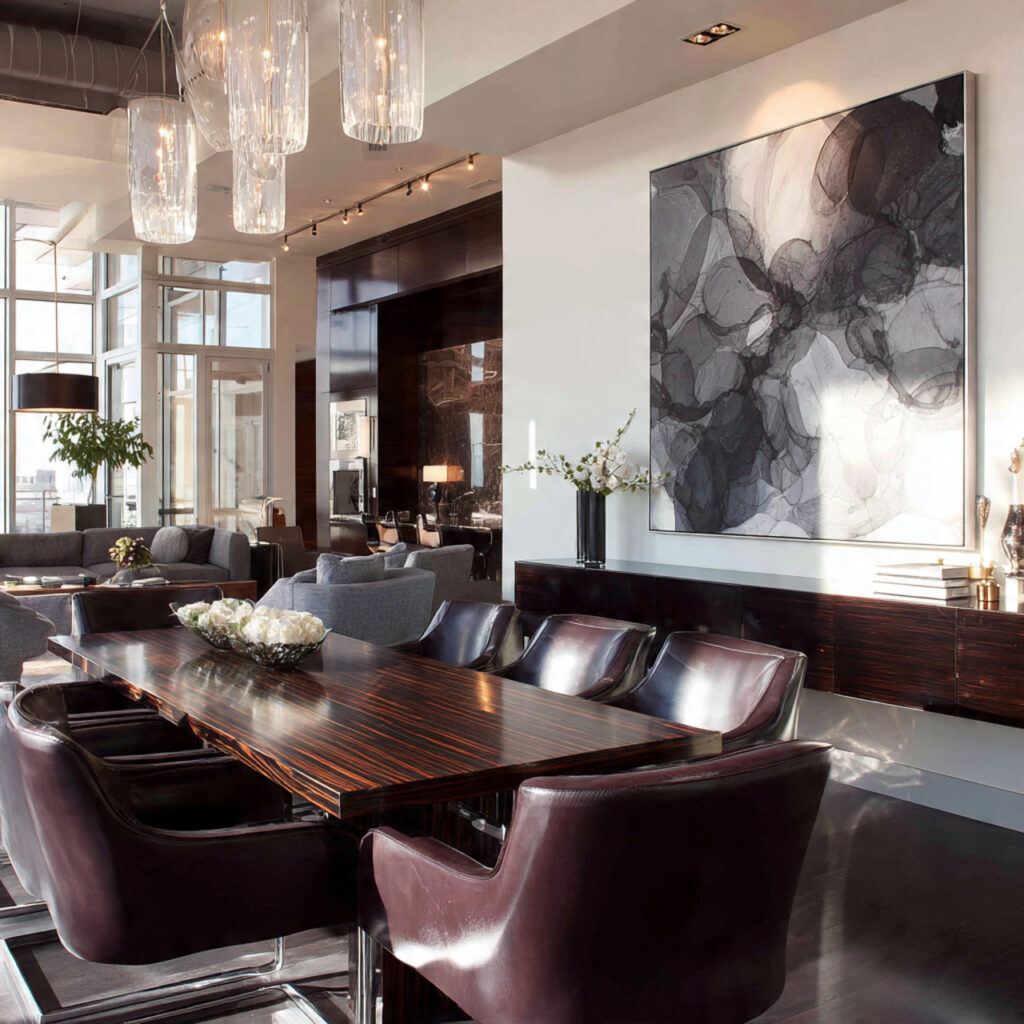
Urban Modern takes the comfort and sophistication of city penthouse living and translates it into an accessible style. It combines sleek furnishings with decorative elements that reflect cosmopolitan, high-end taste.
This style uses large-scale art, geometric patterns, and luxury finishes like high-pile rugs and chrome accents. It often features dark wood, plush textiles, and an overall ambiance of refined, curated luxury.
FAQs About Popular Interior Design Styles Explained
1. How do I choose the best design style for my home?
The best design style is the one that aligns with your practical needs, personal comfort level, and the architecture of your home. Start by gathering inspiration images and noting what features consistently attract you, whether it’s the warm wood of Mid-Century Modern or the white serenity of Scandinavian.
Then, filter those preferences through your actual living habits: if you have children and pets, an Industrial or Rustic style might be more forgiving and durable than a stark Minimalist one. Don’t be afraid to experiment with elements from various styles until you find a personal fit.
2. What is the difference between modern and contemporary design?
Modern design refers specifically to a movement that took place from the early to mid-20th century (think Bauhaus and Mid-Century). It is a fixed style defined by clean lines, natural materials, and an absence of ornamentation.
In contrast, Contemporary design is dynamic and refers to the styles that are popular right now. Contemporary is always changing, borrowing elements from different eras while favoring soft lines, sustainability, and large-scale art, making it an evolving category.
3. Can I mix different interior design styles together?
Absolutely, and this is the essence of the Eclectic and Transitional styles. The key to successful mixing is establishing a cohesive thread, often through a consistent, limited color palette or recurring material (like brass or dark wood).
By ensuring 70% of your furniture is from one era or style, and 30% from another, you create contrast and interest without crossing into visual chaos. This ratio helps maintain flow while allowing for personalization and unique expression.
4. Which interior design style is the most budget-friendly?
Minimalist and Industrial styles can often be the most budget-friendly because they celebrate raw, unfinished materials and require fewer pieces of furniture and decor. In Minimalist design, purchasing fewer, high-quality items is prioritized, reducing the total amount spent on accessories overall.
For Industrial design, you can use affordable materials like exposed pipes, concrete, and reclaimed wood, which look authentic to the style without demanding expensive, polished finishes. This reliance on structure and salvage keeps costs down.
5. How can I identify my personal decorating style?
Start by analyzing your current wardrobe, your favorite hotel lobbies, and the artwork you are drawn to. If you prefer tailored suits and monochromatic colors, you may lean Minimalist or Urban Modern. If you wear flowing fabrics and love travel souvenirs, Boho is likely your fit.
Create a mood board, either physical or digital, grouping images you like, and the common elements—be they color, line, or texture—will reveal your innate preference. This visual exercise is often the fastest way to pinpoint your true aesthetic.
Conclusion
This guide has provided a detailed look at the wide array of aesthetics that define today’s interior design landscape, from the disciplined restraint of Minimalism to the vibrant layering of Maximalism. Understanding the distinct vocabulary of each style is the fundamental step required to move from generic decorating to truly intentional, personalized design.
By carefully considering the elements that make up each of the POPULAR INTERIOR DESIGN STYLES EXPLAINED, you are equipped to make decisions that turn a house into a meaningful home. Whether you opt for a purist approach or choose to blend several aesthetics into a unique Transitional look, your informed choices will result in a space you genuinely love.