Wreaths: Stylish Seasonal Decor Ideas for Every Home
Wreaths are among the most timeless and versatile pieces of decor, offering a welcoming visual touch to any home’s exterior or interior. They serve as a powerful signal of the season, transitioning seamlessly from vibrant spring florals to cozy winter greenery. Understanding the foundational elements of wreath design helps you move beyond simple door hangers to create stunning, focal-point arrangements.
Whether you are crafting your own piece or shopping for the perfect store-bought item, the history and symbolism behind these circular decorations add depth to their aesthetic appeal. Their enduring popularity ensures that these beautiful accents remain a staple in both traditional and contemporary home styling, making them a wise investment for any decor enthusiast.
A Comprehensive Guide to Wreaths and Their Cultural Significance
The circular shape of the wreath inherently represents eternity, rebirth, and the cyclical nature of life, which is why they have been used in celebrations for millennia, from ancient Greek Olympic victories to modern holiday displays. This deep cultural history elevates the wreaths from mere decorations to meaningful symbols of continuity and welcome. It is this dual role—as both a beautiful ornament and a piece of cultural history—that makes them such an important topic in home design.
Beyond their symbolic meaning, contemporary wreaths provide an instant curb appeal upgrade, transforming a plain front door into a statement entryway. The variety available today is staggering, ranging from natural twig bases to elaborate, brightly colored synthetic creations designed to withstand all weather conditions. Choosing the right style allows you to personalize your home’s aesthetic instantly, showcasing your taste from the moment a visitor arrives.
Seasonal Decorating Trends
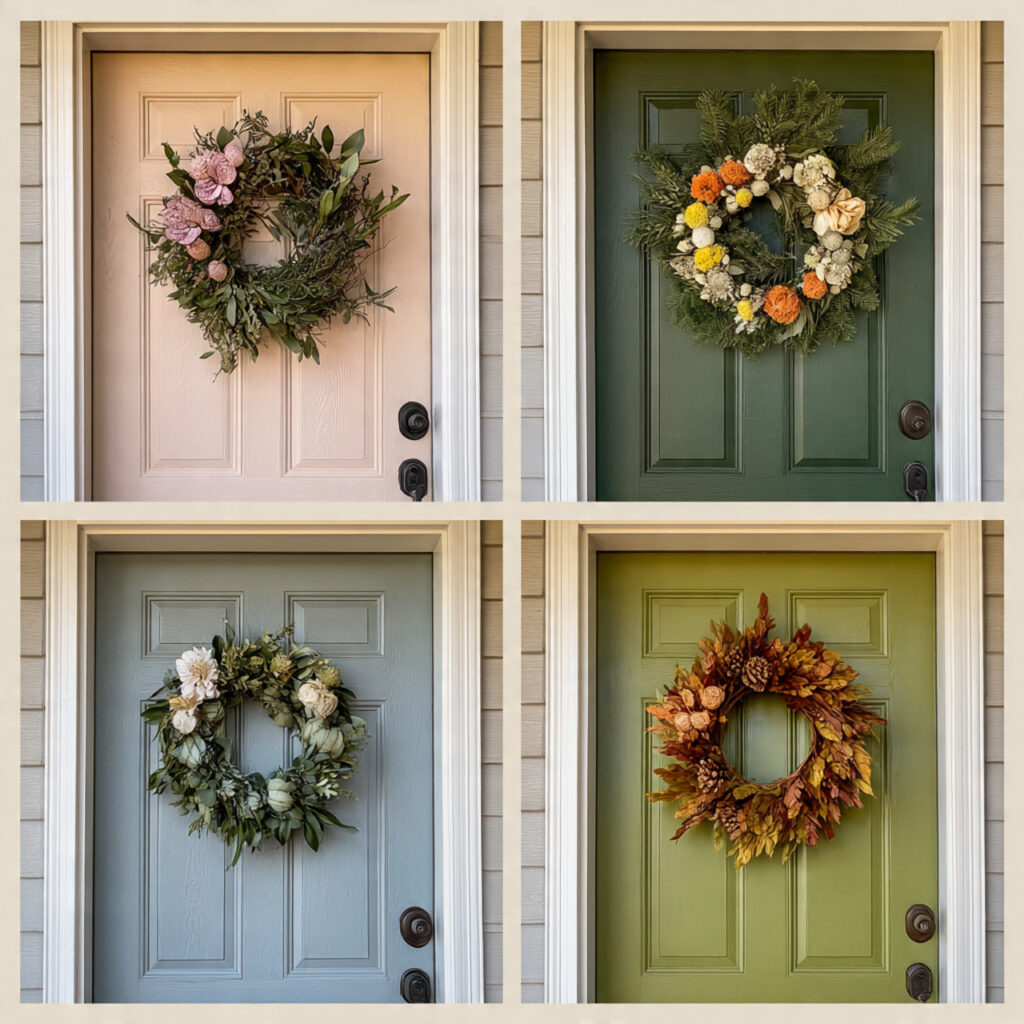
Decorating with wreaths provides an easy and effective way to refresh your home’s appearance as the year turns, matching the outdoor environment. Trends often follow natural cycles, with spring favoring light, airy pastels and delicate flowers, while winter is dominated by deep greens, reds, and metallic accents. Staying current with these trends helps keep your home feeling modern and intentional throughout the year.
The key to mastering seasonal changes is planning the design layers, starting with a base that can be easily modified with removable seasonal picks and ribbons. This interchangeable strategy not only saves storage space but also allows you to creatively reuse the core structure of your favorite pieces multiple times. This flexibility makes them a cost-effective and fun decor investment.
DIY Wreath Making Essentials
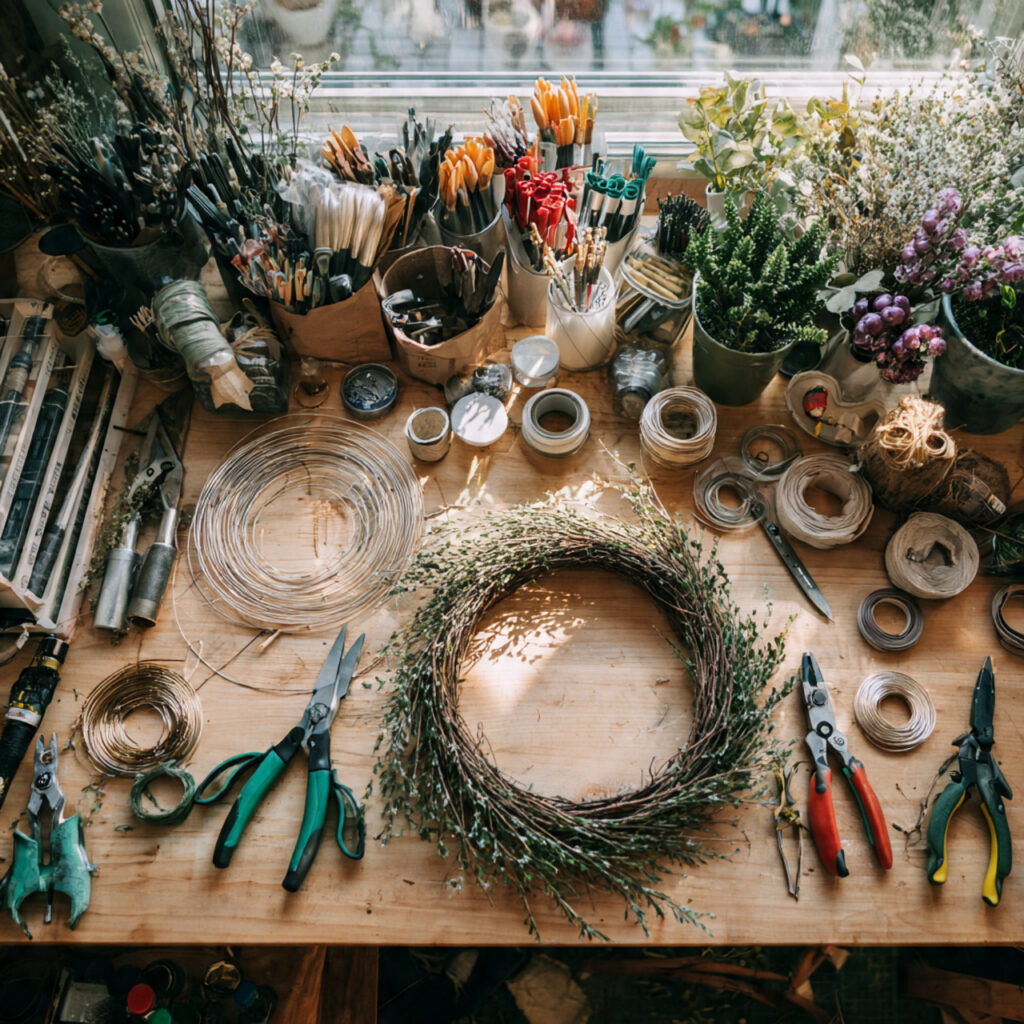
Creating a custom wreath allows for unmatched personalization and control over materials, colors, and overall theme. Before starting, gather essential tools like floral wire, sharp clippers, a reliable hot glue gun, and your chosen base material, such as grapevine or foam rings. Having these items organized streamlines the creation process and ensures a professional-looking finish.
The base material you select dictates the final look, with wire forms being best for highly structured designs like tinsel or mesh, and natural bases perfect for rustic or organic arrangements. Don’t be afraid to experiment with unusual elements like dried beans, small gourds, or even recycled paper to create a truly unique and memorable decorative piece.
The History and Symbolism of the Circle
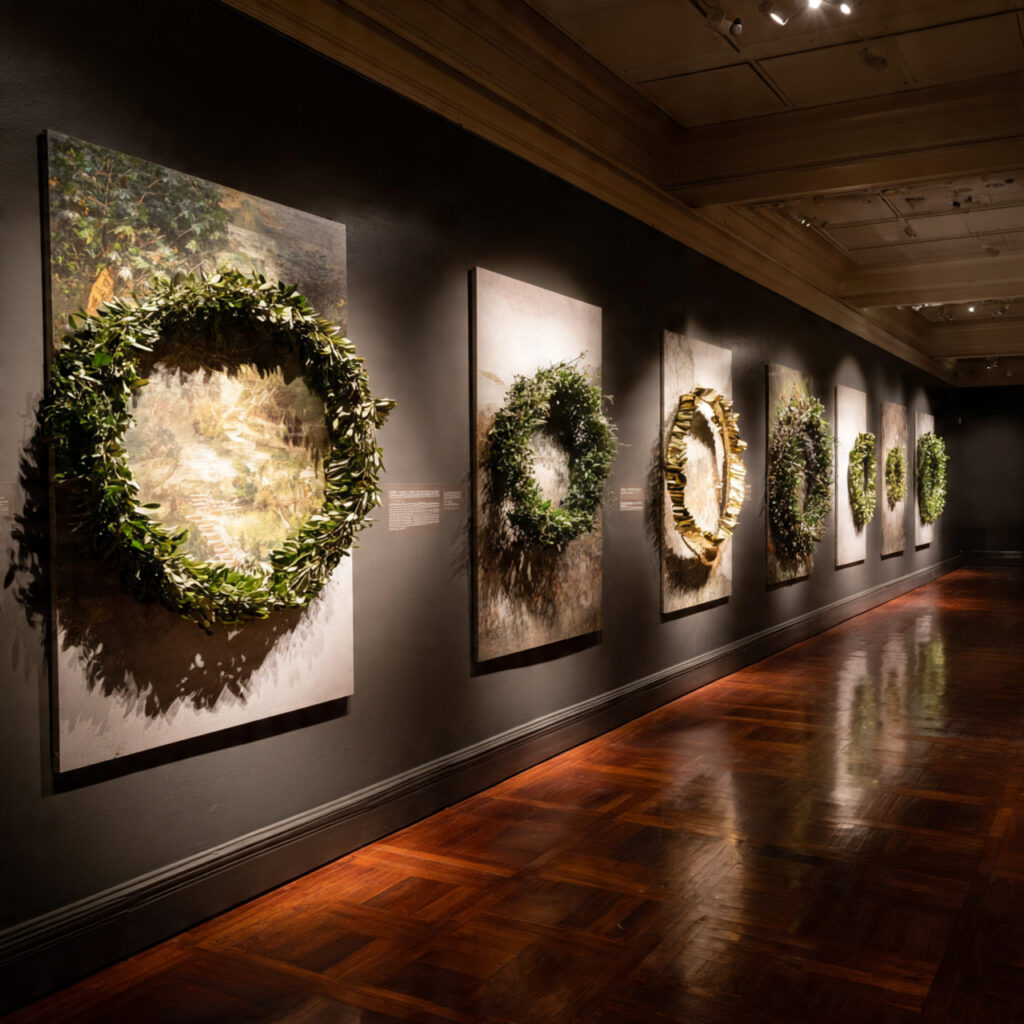
The circular shape itself carries immense symbolic weight across many cultures, representing wholeness, perfection, and the continuous flow of life without beginning or end. Early uses in antiquity included crowns of laurel and olive branches worn by victors and royalty, signifying status, achievement, and honor.
This long history is why the simple act of hanging a circular decoration on a door is so resonant; it’s an ancestral gesture of hospitality and ongoing life. Recognizing this symbolism can deepen your appreciation for your chosen decoration, connecting your modern home to ancient traditions of welcome and celebration.
Choosing the Right Materials for Outdoor Use
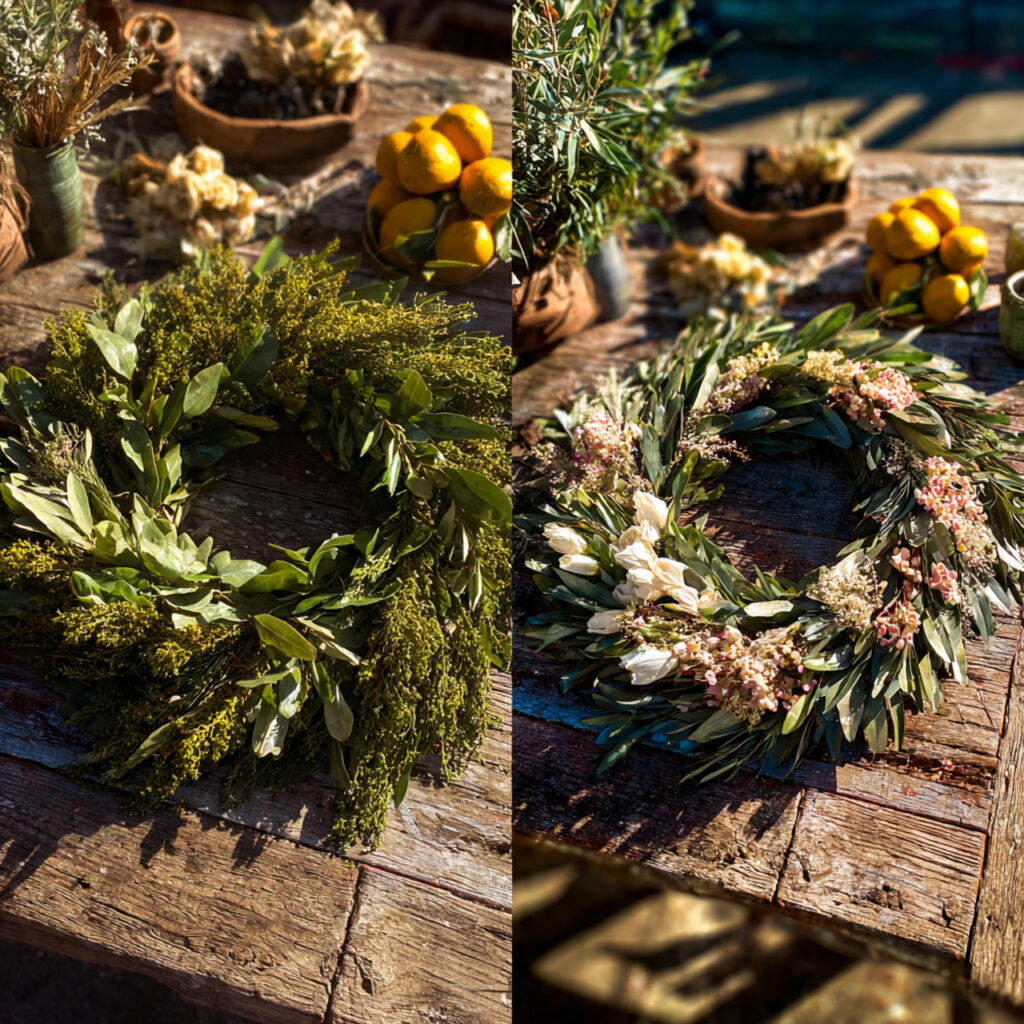
When decorating an exterior door or porch, selecting durable materials is crucial to withstand sun, rain, and humidity. Avoid items that fade quickly, like certain synthetic silks, and opt for UV-rated plastic greenery, treated wood, or preserved natural elements. A wreath designed for the outdoors should be able to look fresh throughout the entire season.
Checking the durability rating of any faux floral elements will ensure they don’t become brittle or discolored after a few weeks in direct sunlight. If using natural pieces, applying a protective clear sealant or floral preservative spray can help minimize shedding and extend the lifespan of the piece dramatically.
Faux Flowers vs. Real Greenery: A Comparison
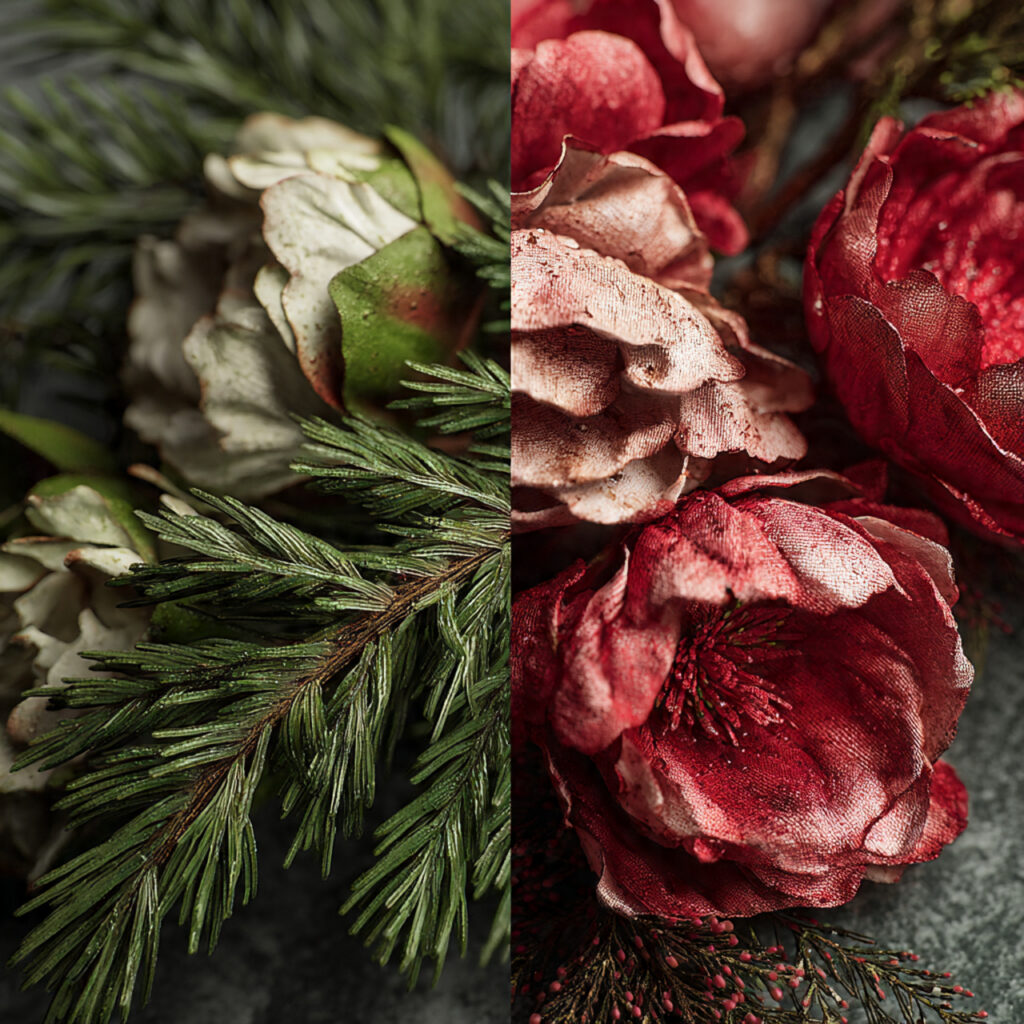
The debate between artificial and natural materials often boils down to maintenance versus scent and texture. Real greenery offers an unmatched organic look and a beautiful fragrance but requires careful watering or replacement every few weeks. This natural beauty is often prioritized for special events or the immediate Christmas season.
Conversely, a high-quality artificial wreath provides longevity and durability, maintaining its vibrant color and shape year after year with minimal effort. While lacking the natural smell, modern faux materials are incredibly realistic and are the preferred choice for year-round displays or extreme weather conditions.
Wreath Placement: Doors, Walls, and Tablescapes
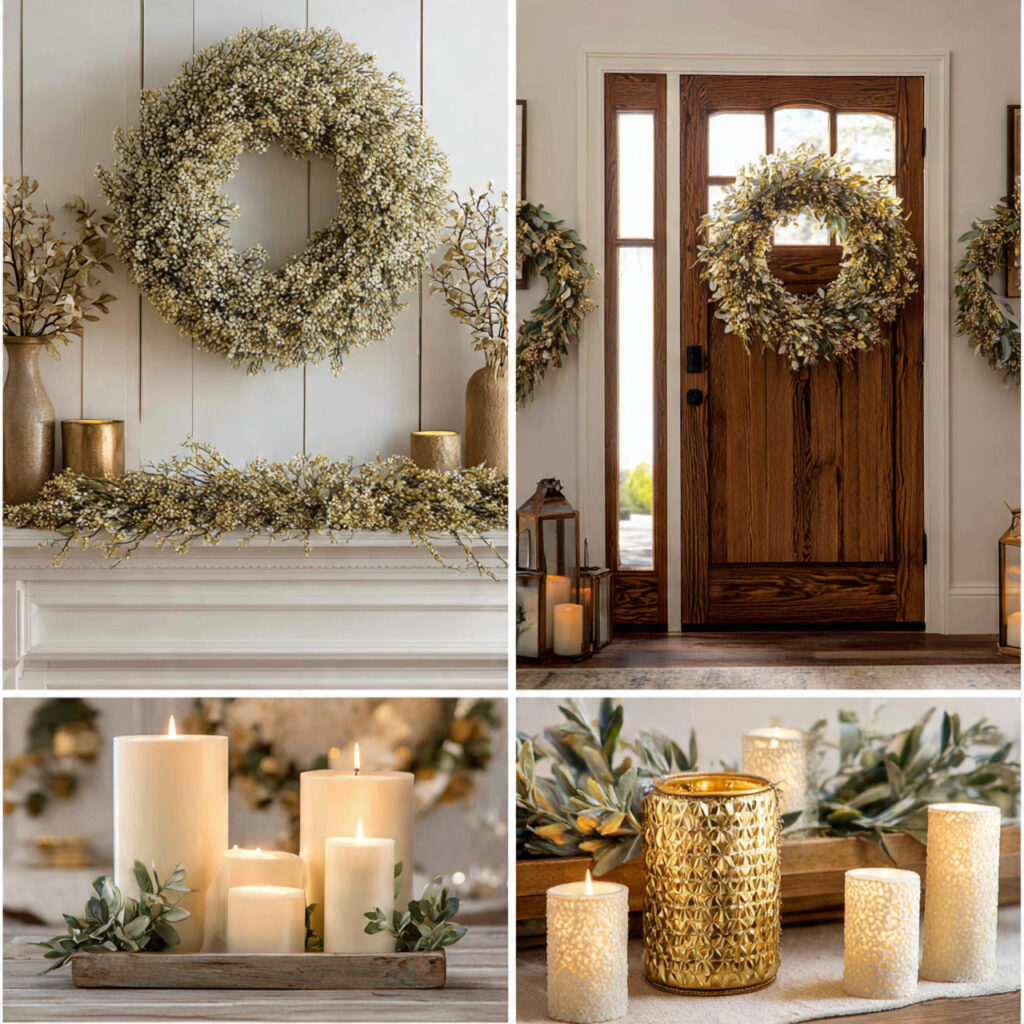
While the front door is the traditional location, these decorations can add charm to nearly any vertical or horizontal surface in your home. Try hanging smaller decorative pieces on interior pantry doors, kitchen cabinets, or even within a decorative wall mirror arrangement for added dimension.
For an elegant centerpiece, lay a wreath flat on a dining table and place a hurricane lamp or cluster of pillar candles in the center. This creates a beautiful, framed focal point that works wonderfully for dinner parties or holiday gatherings, offering a unique and festive tablescape design.
Crafting a Year-Round Welcome Display
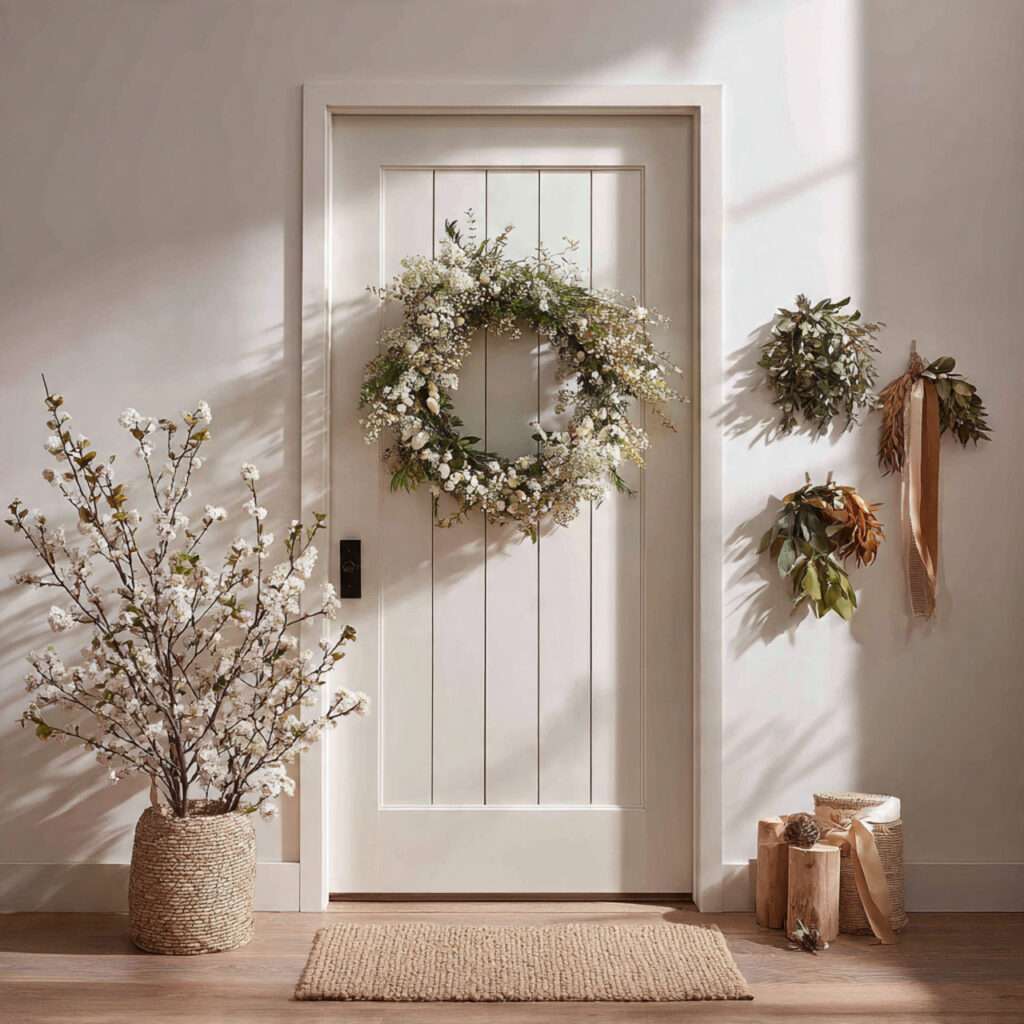
A truly versatile piece is one that features a neutral, durable base—such as a simple twig or boxwood—that remains up throughout all twelve months. The core design should be relatively simple and free of specific holiday motifs.
This neutrality allows you to easily switch out smaller elements to match the current season or holiday, like adding a bright sunflower pick in August or draping a small velvet ribbon in December. This flexible approach ensures your welcoming accent always feels relevant and refreshed.
Springtime Floral Designs
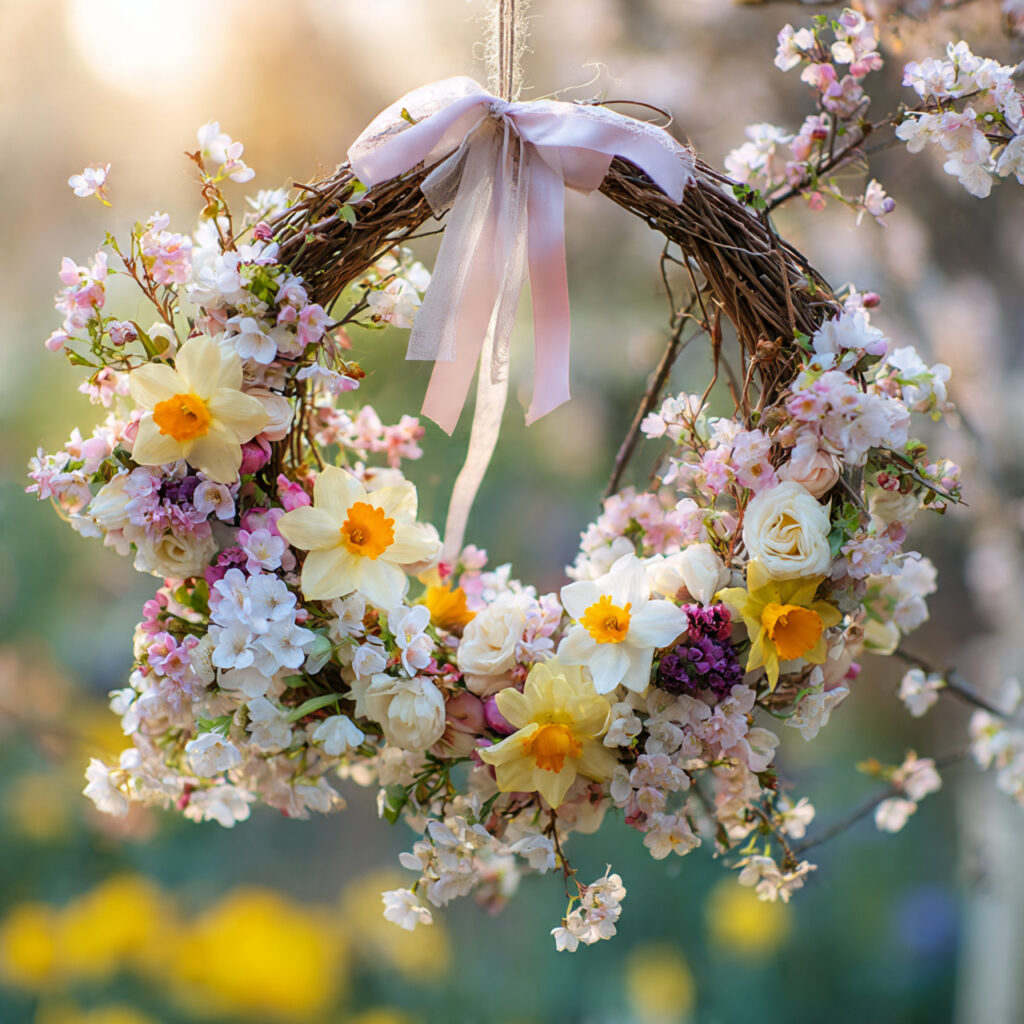
Spring designs should embody rejuvenation and growth, often featuring elements that suggest a garden blooming after a long winter. Common materials include cheerful yellow daffodils, pink cherry blossoms, and delicate pastel berries, often paired with light, airy ribbons.
Focus on creating an asymmetrical or loose arrangement that avoids a perfectly manicured look, favoring a more natural and organic flow. The use of thin, delicate greenery bases like willow or birch can enhance the overall light and fresh feel of these springtime arrangements.
Summer Beach-Themed Decor
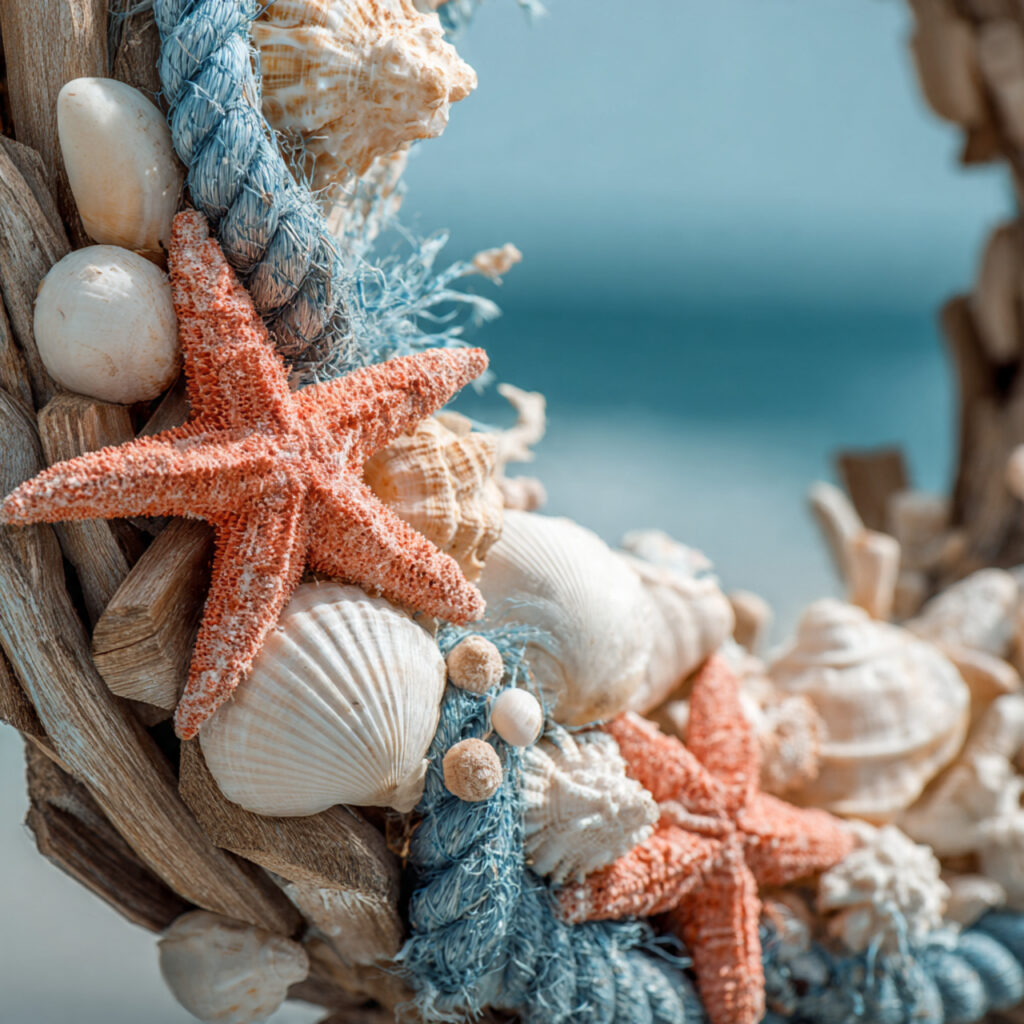
For summer, move away from heavy greenery and embrace motifs that evoke the seaside and warm weather. Consider using light blue and coral colors, incorporating elements like small seashells, starfish, and nautical rope. These designs instantly transport your entrance to a coastal paradise.
A unique option is a piece crafted entirely from natural driftwood or dried ornamental grasses, giving it a sun-bleached, relaxed texture. This provides a refreshing change from the traditional green and a great way to celebrate the warmer months.
Autumn Harvest and Foraged Elements
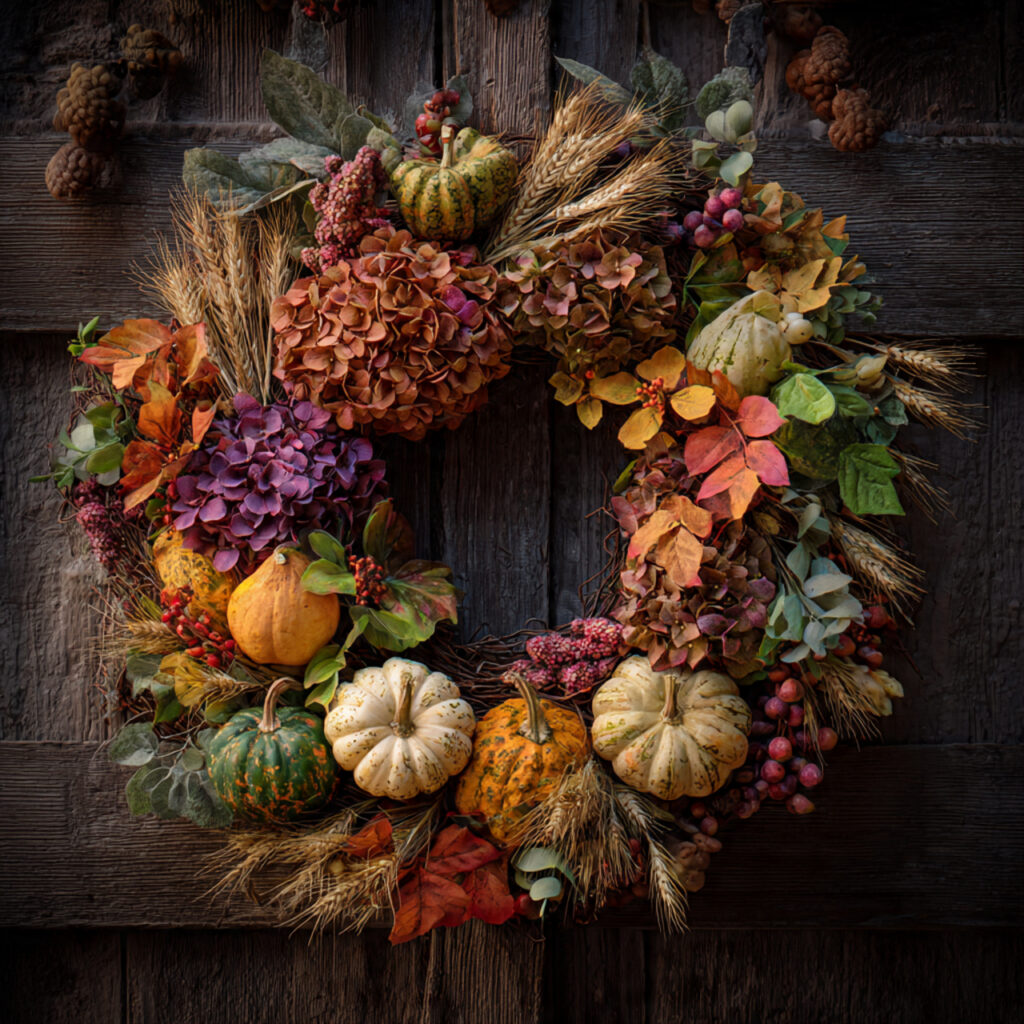
Autumn designs celebrate the bounty and rich colors of the harvest season, incorporating deep reds, burnt oranges, and golden yellows. The best examples use natural, textural elements like miniature gourds, dried corn husks, and bunches of wheat. This gives the wreath a substantial, cozy feel.
When foraging for materials, consider dried hydrangeas, fallen leaves that have been carefully pressed, and various types of ornamental grass. These natural finds, combined with a sturdy grapevine base, produce a rich and authentic look that beautifully reflects the transition to cooler weather.
Traditional Christmas Centerpieces
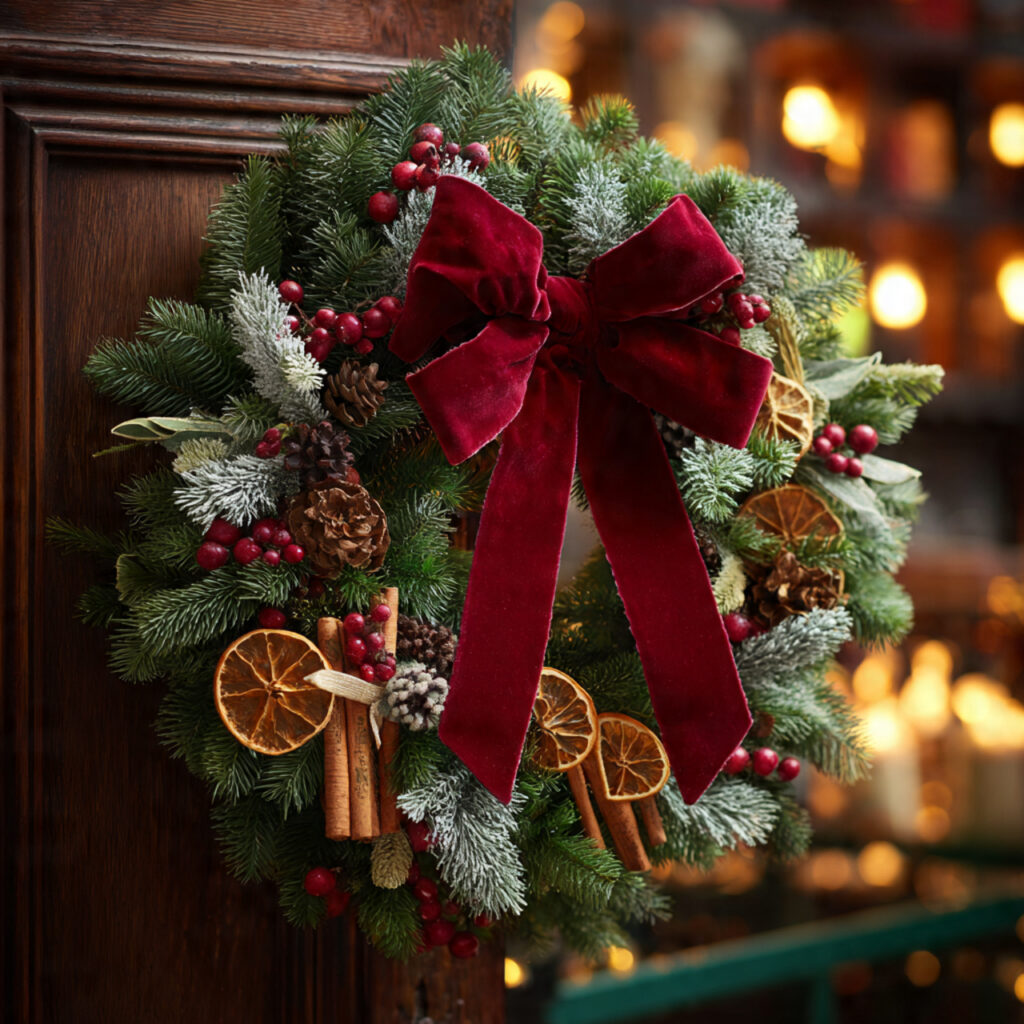
The classic Christmas wreath is typically built upon fragrant pine, spruce, or fir branches, adorned with timeless symbols like rich red velvet bows, holly berries, and polished ornaments. These pieces are often dense and full, creating a lush, festive look.
For a deeply traditional feel, incorporate natural elements like cinnamon sticks, dried orange slices, and small bundles of burlap. These not only add texture and visual appeal but also release subtle, warm scents that are evocative of the holiday season.
Modern Minimalist Styles
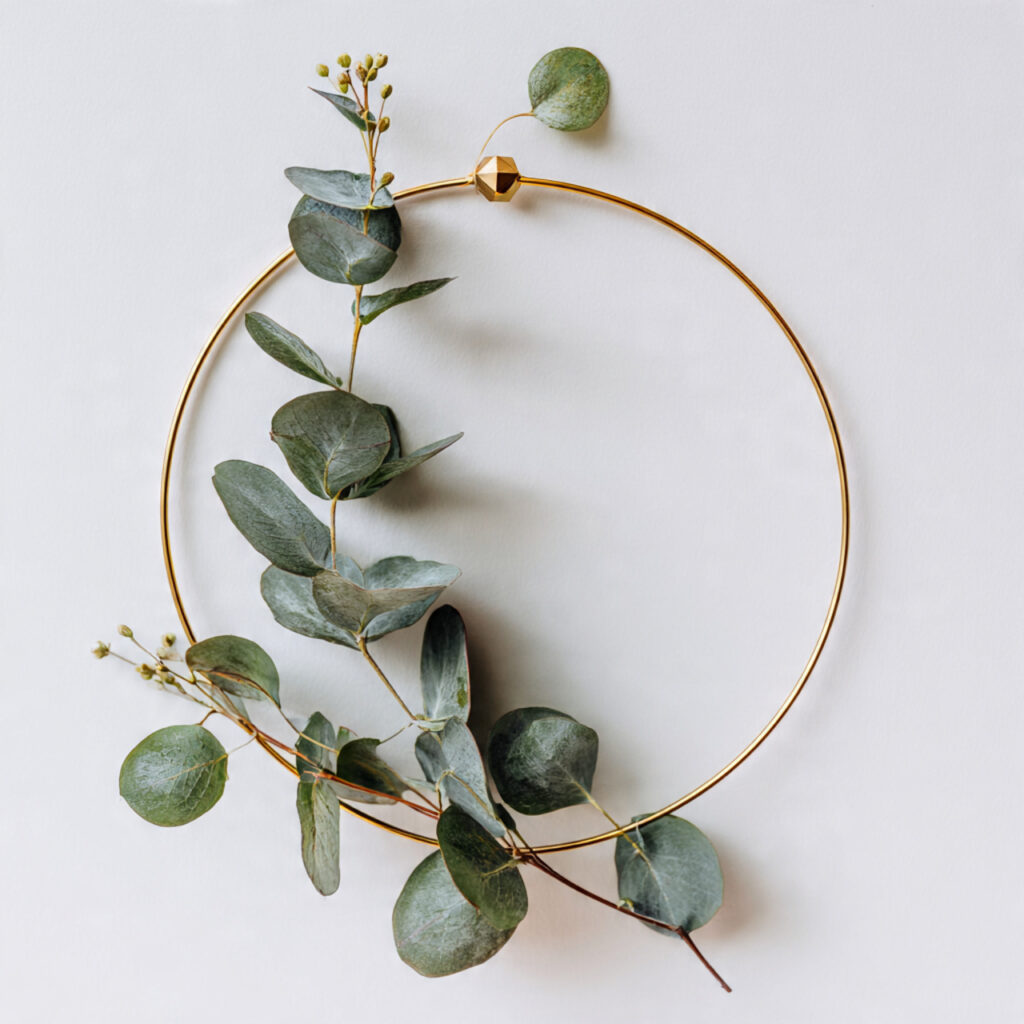
Minimalism in design often focuses on clean lines, monochrome palettes, and an emphasis on the negative space within the design. A modern piece might consist only of a simple metal hoop adorned with a single sprig of eucalyptus and a geometric accent.
The key is restraint; avoid overcrowding the piece and let the natural shape and texture of the few chosen elements speak for themselves. Popular materials include matte black metal, polished brass, and sparse, unadorned boxwood or rosemary branches.
Utilizing Ribbon and Bow Accents
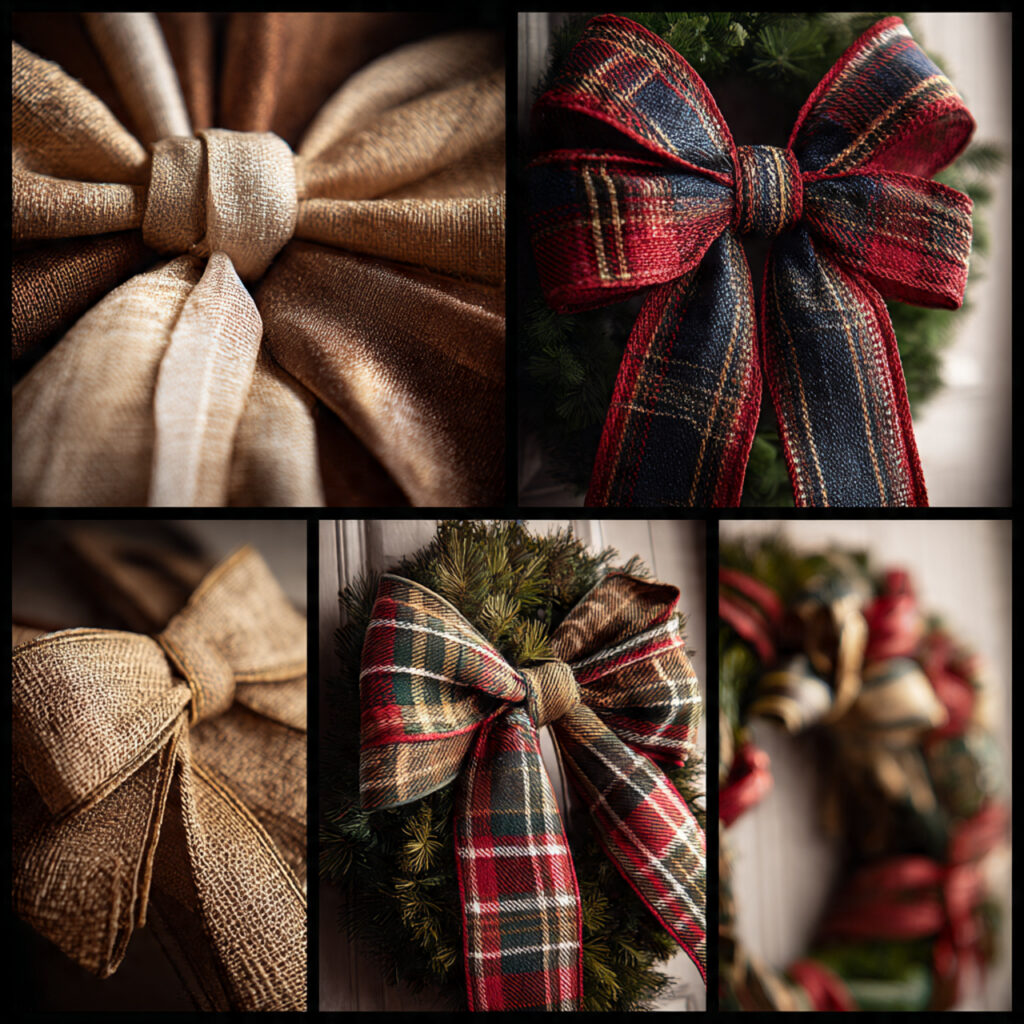
Ribbons and bows are arguably the most transformative element you can add, instantly dictating the formality and season of the decoration. A cascading bow made from wired satin ribbon offers a polished look, while burlap or plaid patterns lend a rustic charm.
When selecting your ribbon, consider the size and texture relative to the overall design; a small, delicate piece can be overwhelmed by an oversized, heavy bow. Experiment with tying the bow high and centered or lower on the side for different aesthetic effects.
Wreath Storage and Preservation Techniques
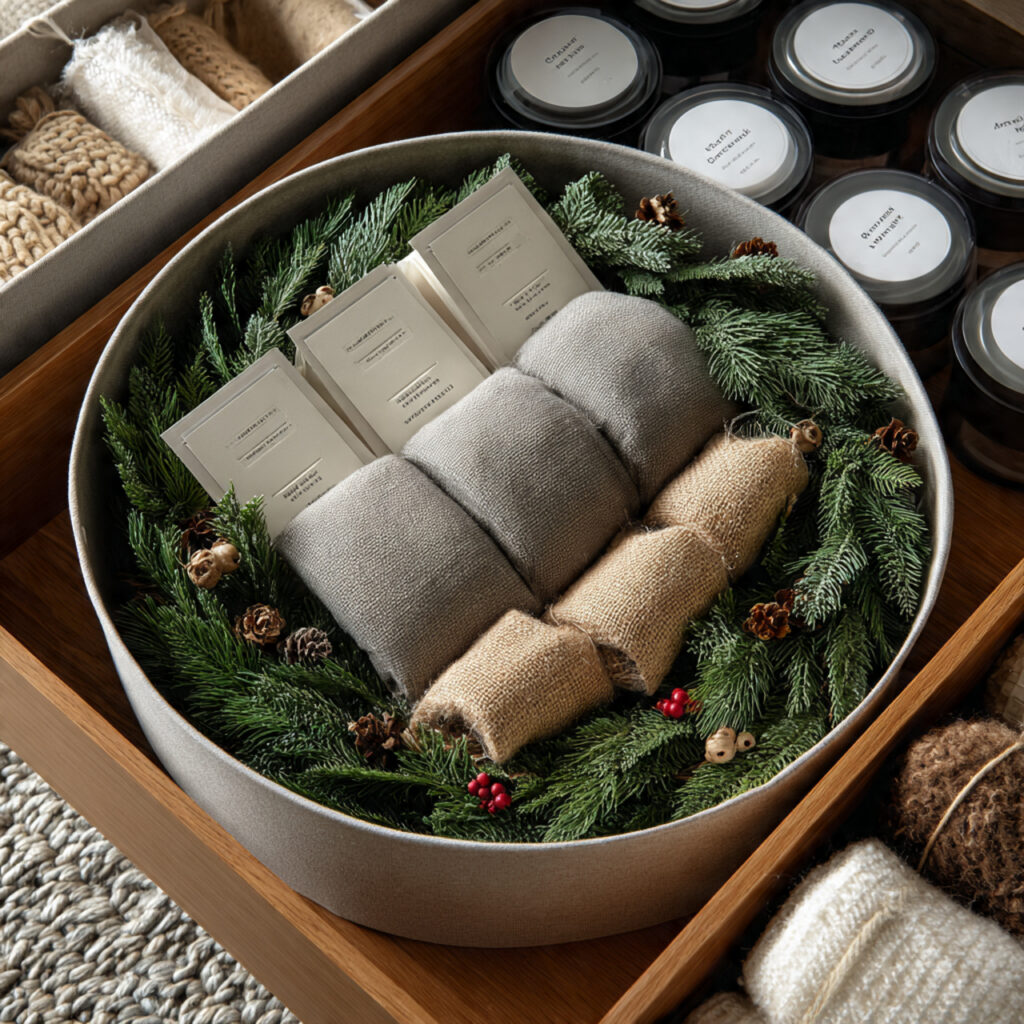
Proper storage is essential to maintain the shape and longevity of an investment piece, especially for delicate or elaborate Christmas wreaths. Always store them flat or in a dedicated storage box designed to protect the integrity of the design and prevent crushing the floral elements.
Before storing, gently dust or wipe down artificial pieces and ensure all attachments are secure, repairing any loose wires or broken elements. Placing a small sachet of cedar or lavender in the storage box can help keep it smelling fresh until the next season.
LED Lighting Integration for Evening Display
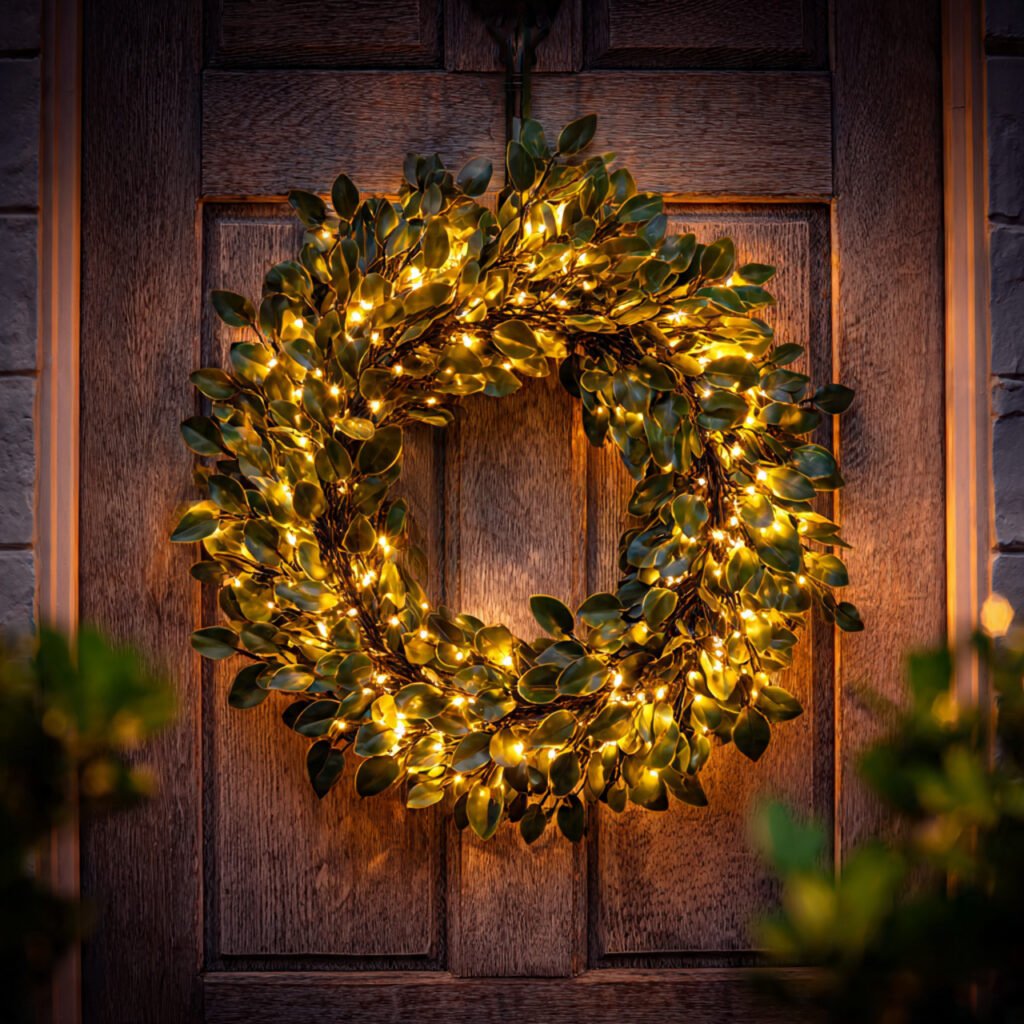
Integrating small LED lights can dramatically enhance the visibility and ambiance of an outdoor or indoor display after sunset. Choose warm white lights for a cozy glow or colored lights for a specific holiday effect. Many modern options come with built-in timers.
When adding lights, weave the wire deeply into the foliage so the lights themselves are visible but the battery pack and wiring remain completely hidden from view. This subtle integration ensures the focus remains on the beautiful decoration.
Monogrammed and Personalized Options
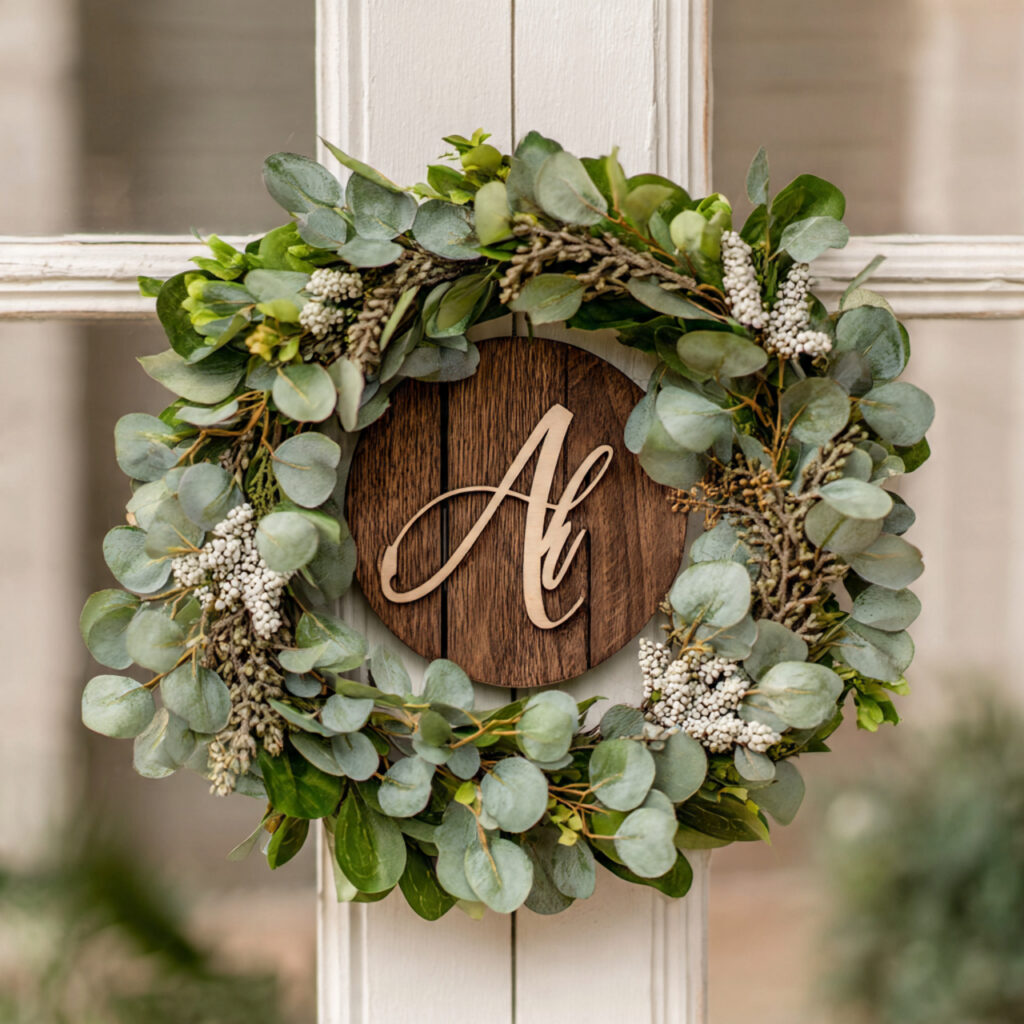
Personalizing a piece with a family initial, name, or established date transforms it from a generic decoration into a meaningful family heirloom or gift. These personalized accents are usually cut from wood or metal and attached securely to the center or lower edge.
Consider the font style of the monogram carefully; a script font works well for traditional or elegant styles, while a bold, block font complements modern or farmhouse aesthetics. This simple addition makes the decoration uniquely your own.
Visit Also : Winter Centerpieces
Sustainable and Eco-Friendly Concepts
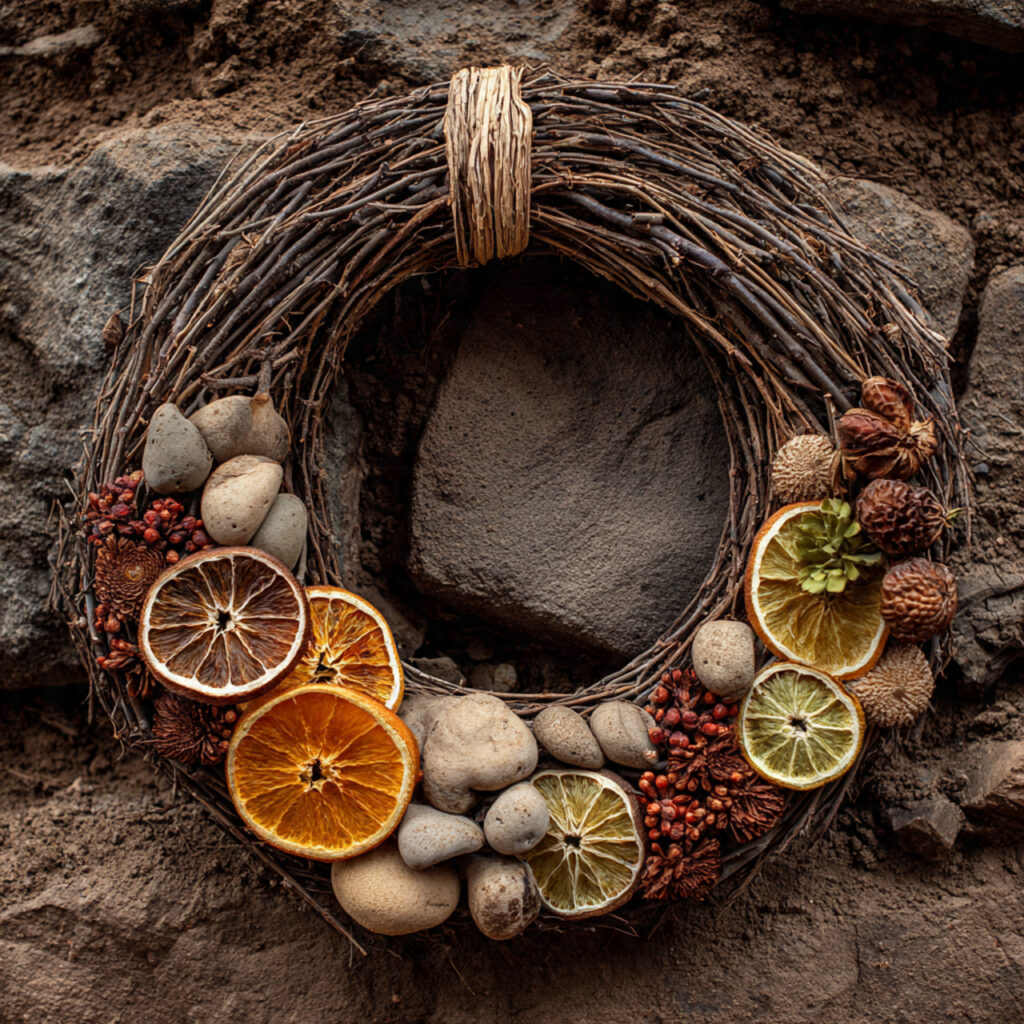
Eco-conscious decorating involves using materials that are biodegradable, sustainably sourced, or repurposed from older items. Bases can be constructed from reclaimed wood, cardboard, or natural twig bundles collected locally.
You can create a beautiful piece by using natural elements like dried citrus, whole nuts, or seed pods, which can be easily composted after the season is over. This mindful approach reduces waste without sacrificing visual impact or beauty.
Magnolia Leaf Crafting
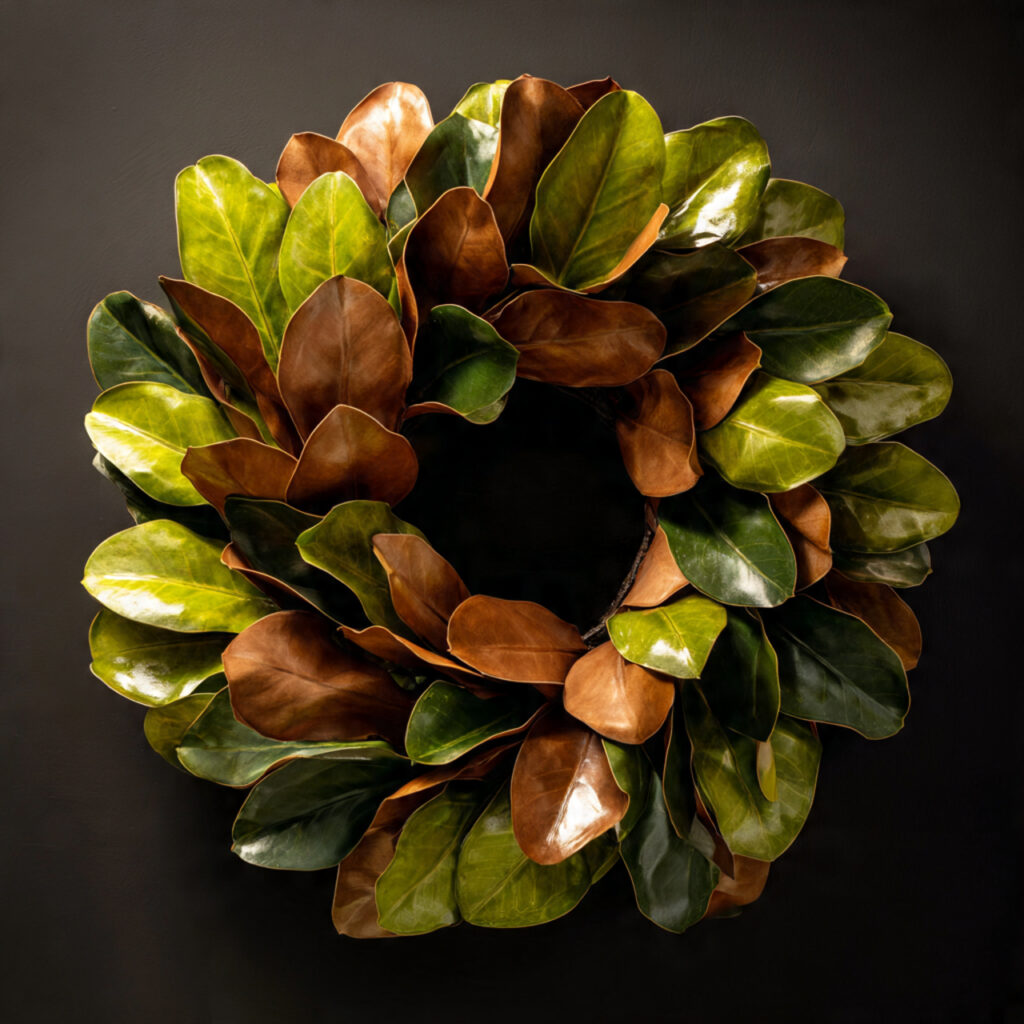
Magnolia leaves are prized for their unique two-toned appearance, featuring a glossy dark green on the top and a soft, velvety brown on the underside. This contrast adds a sophisticated depth and richness to any design, making them a Southern favorite.
To use magnolia leaves successfully, they should be wired individually or in small clusters to the base, ensuring both the green and brown sides are visible for maximum visual interest. Applying a clear gloss spray can help preserve their color and prevent the edges from curling.
Pinecone and Berry Arrangements
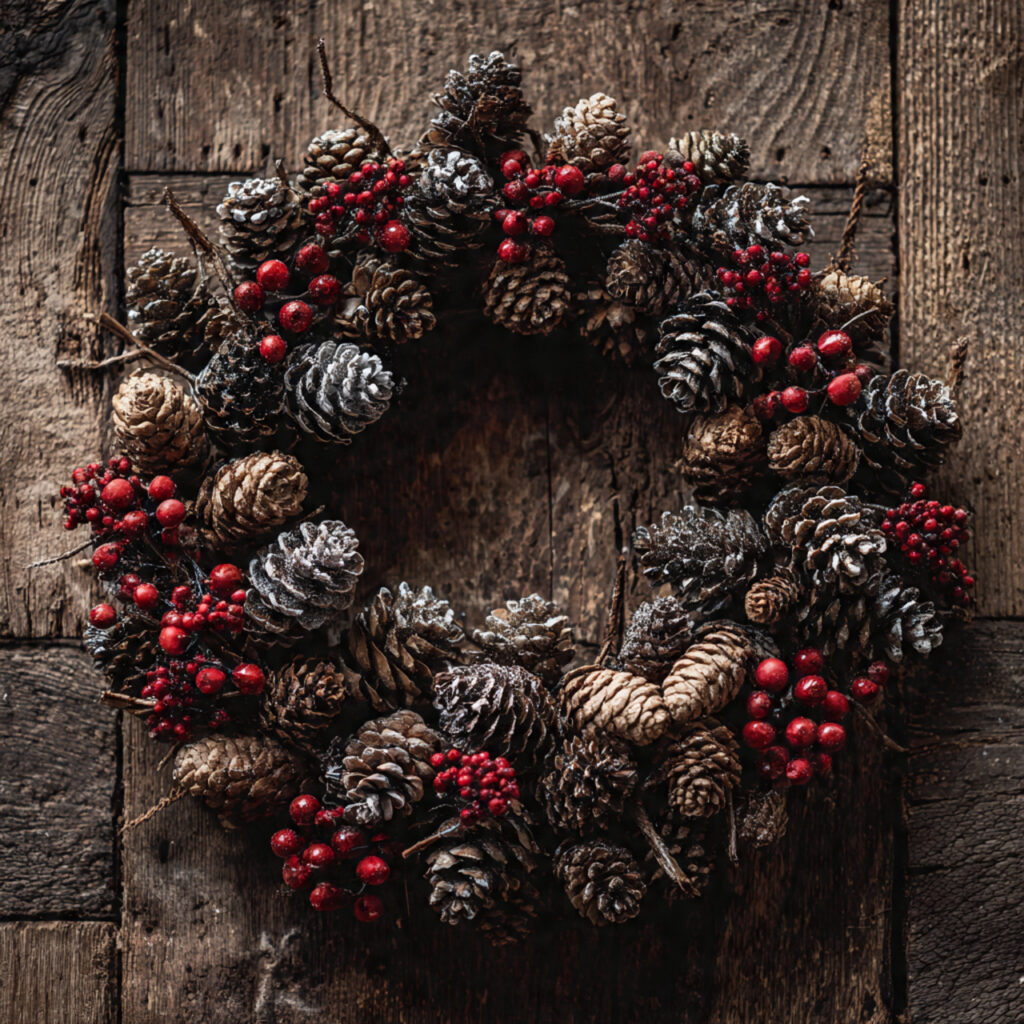
Pinecones and berries are traditional staples, particularly during the late autumn and winter seasons, providing essential texture and a pop of color against evergreen foliage. Varying the size and color of the berries adds dynamism.
When assembling, use larger pinecones and berry clusters towards the base and center of the piece, gradually using smaller elements towards the outer edge to create a sense of movement and scale. Ensuring the pinecones are fully dry before gluing is essential for a secure hold.
Grapevine Base Preparation
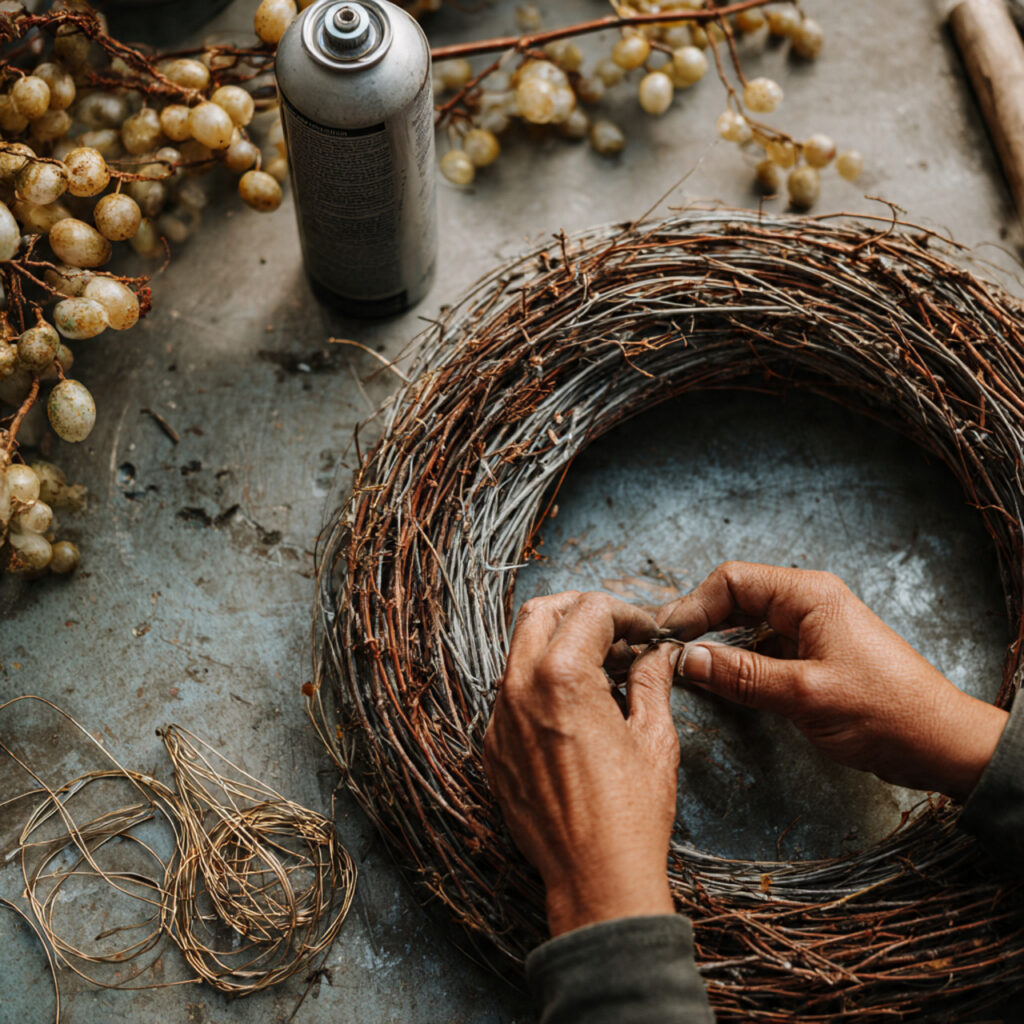
Grapevine bases are perhaps the most popular choice for DIY creators due to their inherent rustic look and strong, twisty structure. They are lightweight and durable, providing a perfect neutral canvas for nearly any style.
Before decorating, check the grapevine for any loose strands and gently mold it into the desired circular shape, reinforcing any weak spots with fine-gauge floral wire. A quick coat of brown or white spray paint can also be used to alter the base color if desired.
Themed Displays for Major Holidays
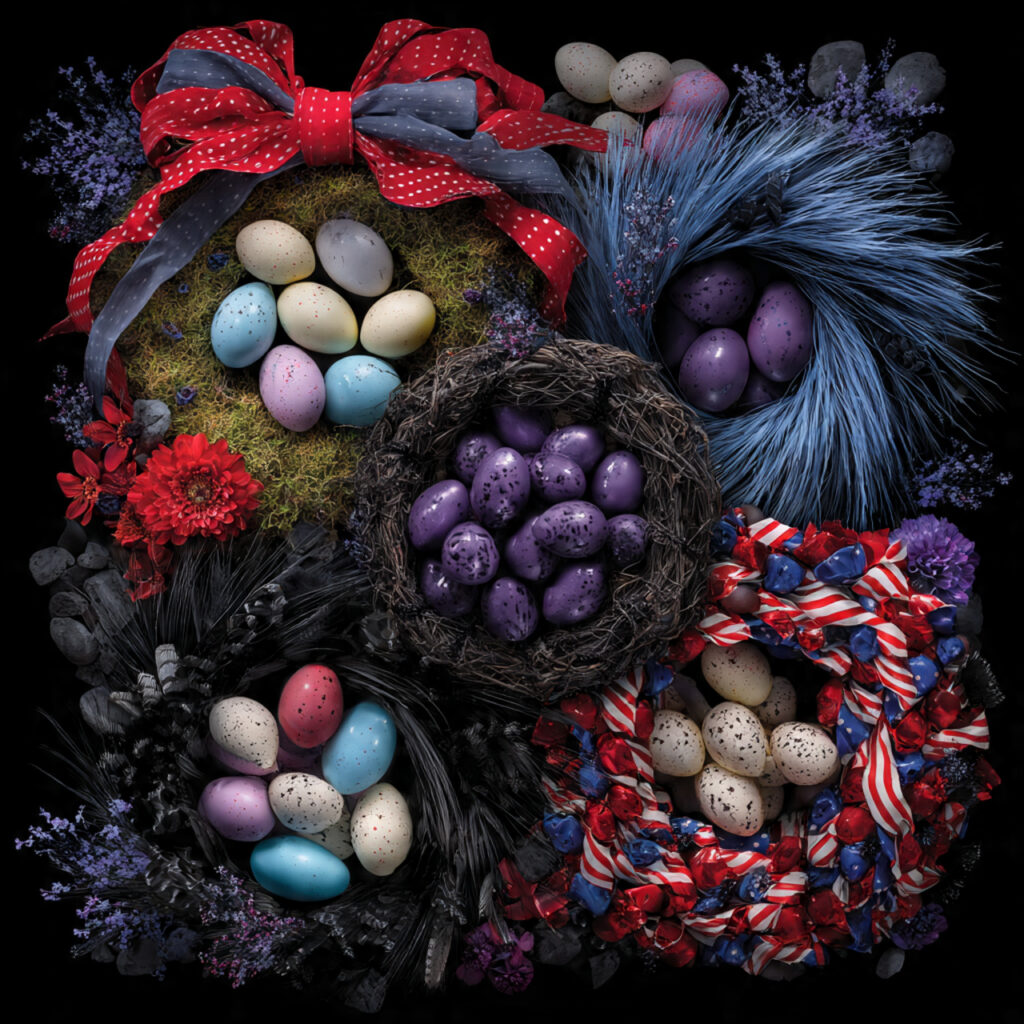
Creating specific pieces for major holidays like Easter, Halloween, or the Fourth of July allows you to fully lean into fun and sometimes whimsical themes. These pieces can be more elaborate and include novelty items or seasonal figurines. The best wreaths capture the celebratory mood.
For Easter, use moss, small speckled eggs, and pastel flowers; for Halloween, focus on spooky elements like black feathers, spiderwebs, and deep purples or oranges. Having a dedicated, themed display simplifies seasonal transition.
Using Mesh and Fabric for Volume
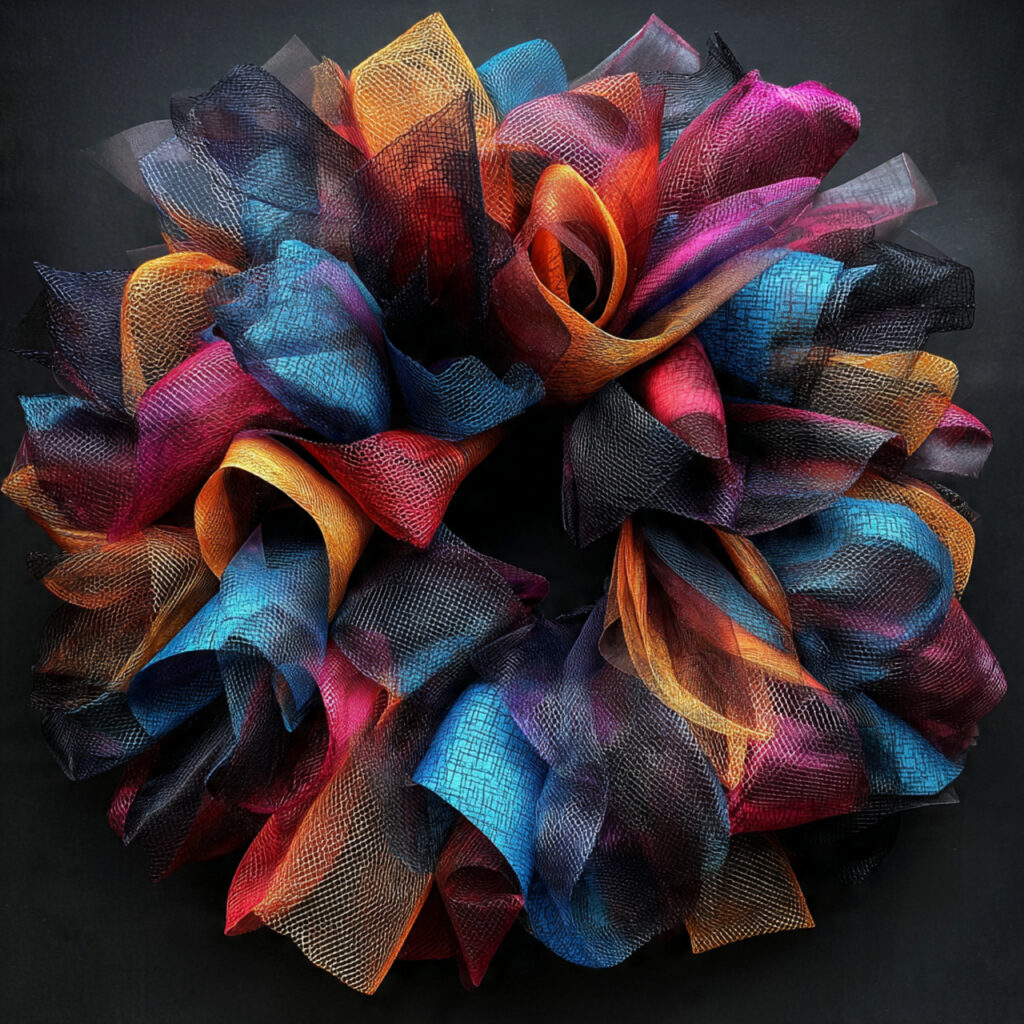
Deco mesh, tulle, or various types of fabric can be incorporated to add significant volume, texture, and a modern, often colorful, flair to a piece. Mesh is particularly popular for holiday designs because of its weather resistance and sheen.
The fabric is typically gathered, folded, or looped and then wired securely to the frame, building up layers around the base. This method is effective for creating extremely large, fluffy, and vibrant decorations that stand out from a distance.
How to Clean and Maintain Artificial Decor
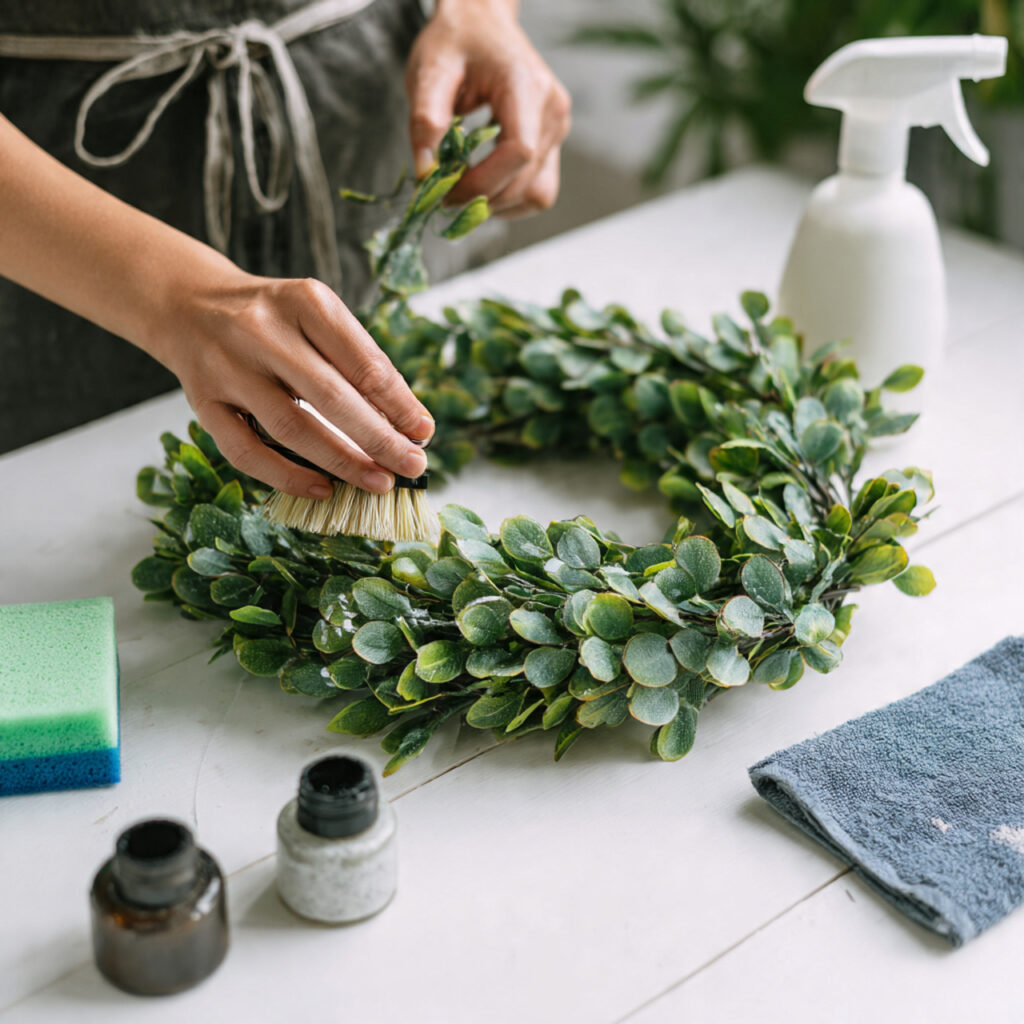
Artificial pieces require periodic cleaning to maintain their fresh appearance and prevent dust buildup, which can dull the colors. Use a soft brush, a can of compressed air, or a hairdryer on the cool setting to gently dislodge dust from the petals and leaves.
For more stubborn dirt, a lightly damp cloth with a mild dish soap solution can be carefully dabbed onto the non-fabric elements. Always ensure the piece is completely dry before hanging it back up or placing it into storage to prevent mold or mildew growth.
Decorating Mantels and Fireplaces
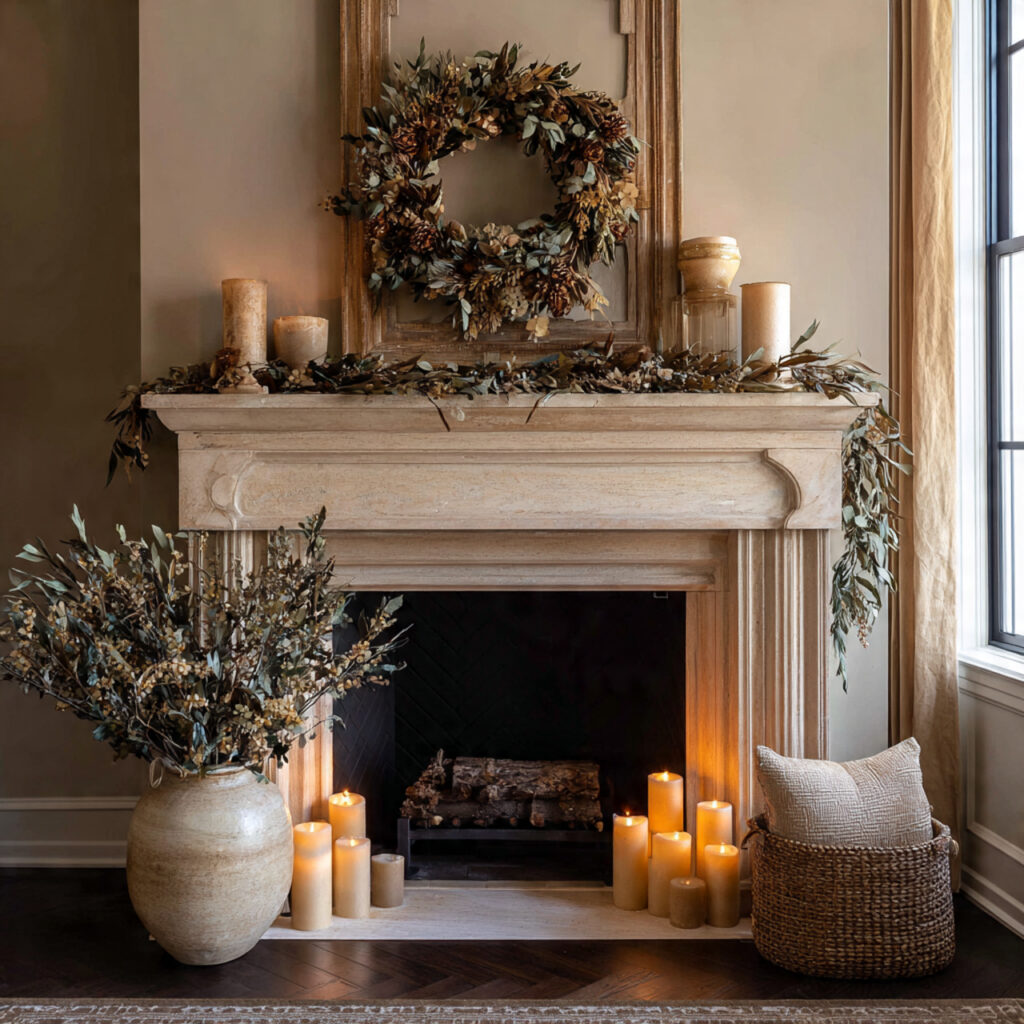
Mantel displays offer a fantastic opportunity to use horizontal decorations alongside vertical pieces, creating a tiered arrangement. A wreath can be leaned against the wall on the mantel shelf or hung slightly above the fireplace opening itself as a primary focal point.
Pairing the piece with coordinating garlands, candle holders, and small trinkets creates a balanced vignette. Ensure any decorative pieces are safely positioned away from the heat and flames of the fireplace for fire safety.
The Role of Texture in Design
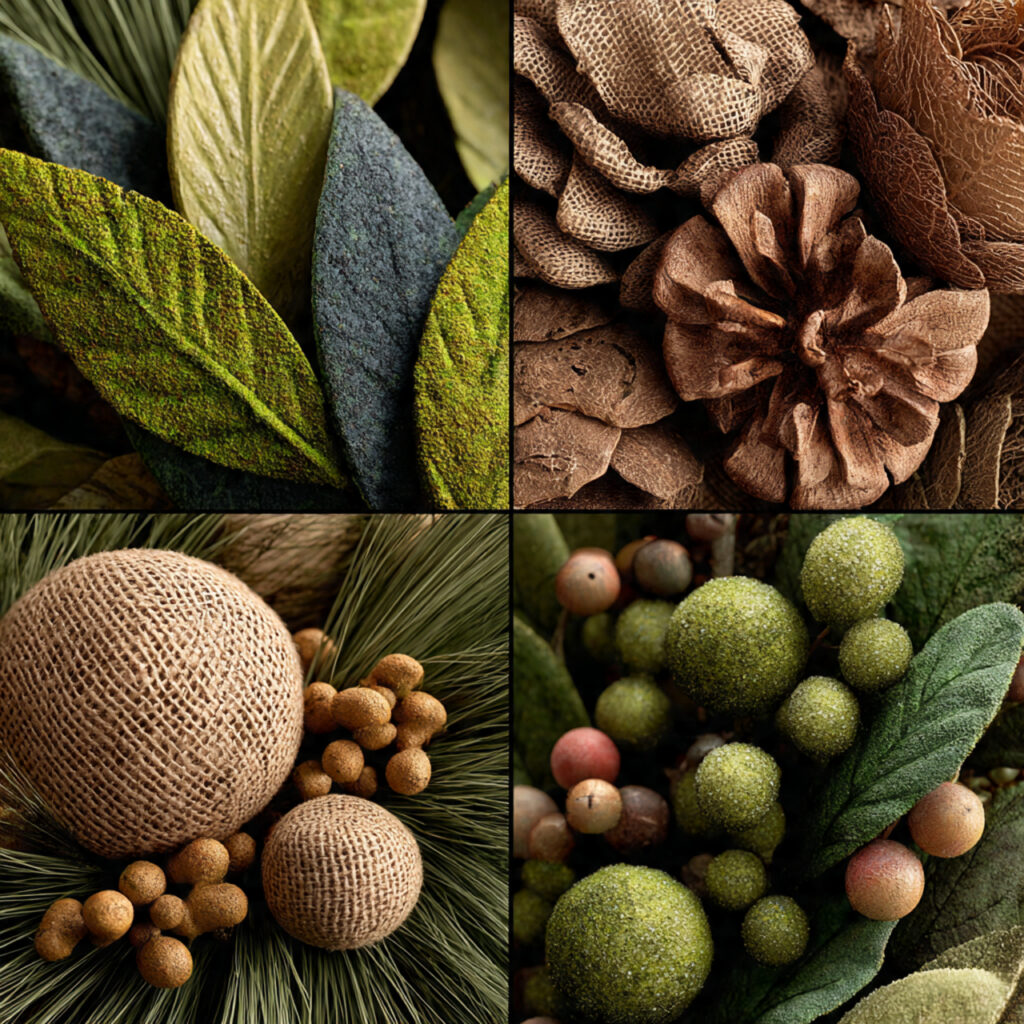
Texture refers to the perceived feel of the materials used and is vital in adding visual interest and depth to a design. Combining smooth, glossy leaves with rough, matte burlap and prickly pinecones creates a multi-sensory experience.
Varying the texture prevents the decoration from appearing flat or one-dimensional. Ensure the various materials are layered so that the different textures are distinct and contribute to the overall richness of the decorative piece.
Farmhouse Style and Rustic Aesthetics
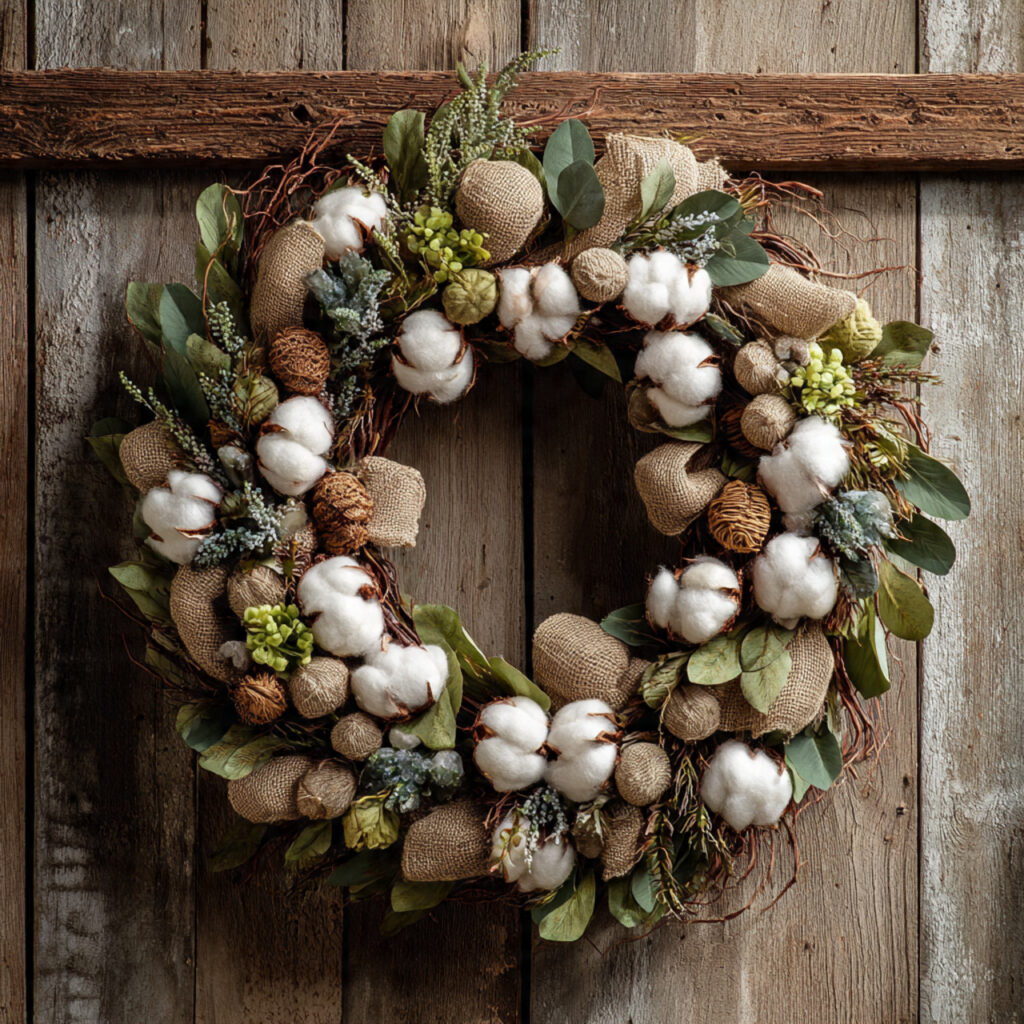
The rustic farmhouse aesthetic favors natural, unpolished materials and a cozy, down-to-earth feel. Design elements commonly include natural wood slices, cotton bolls, burlap ribbons, and unpainted or lightly distressed signs.
The color palette typically focuses on muted tones like creams, whites, grays, and natural browns, allowing the texture of the raw materials to become the star. Simple designs built on a solid grapevine base perfectly capture this inviting look.
Selecting the Perfect Size for Your Door
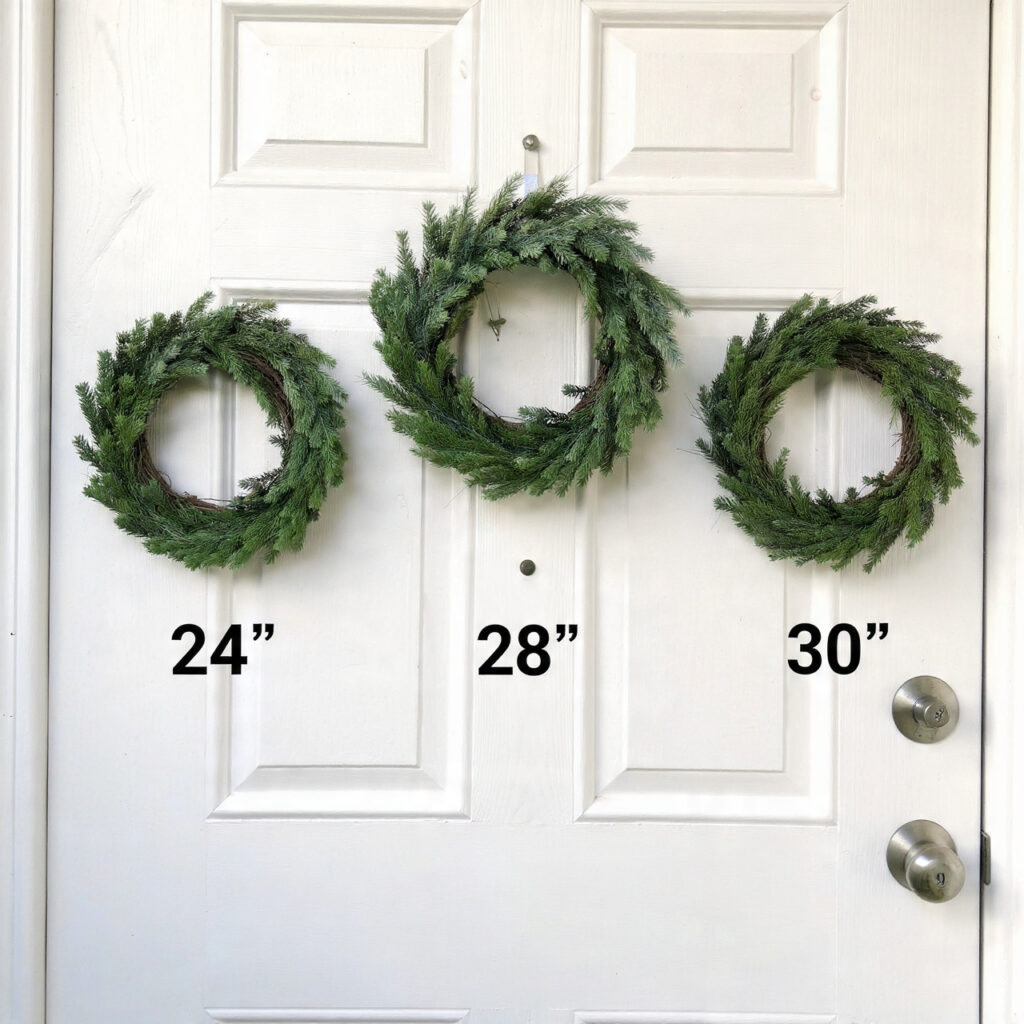
Choosing the correct diameter is essential to ensure the decoration is proportional to the size of your door and the space around it. A good rule of thumb is that the wreath should cover about 50 to 75 percent of the door’s width, leaving ample space on the sides.
For a standard 36-inch wide door, a decoration between 24 and 30 inches in diameter is usually ideal. Always measure the height of the hanging space and consider the height of the arrangement when decorating glass storm doors.
FAQs About Wreaths
How long does a real greenery wreath typically last?
A real greenery wreath typically lasts anywhere from two to four weeks, depending heavily on the type of foliage and the climate. Fir and pine tend to last longer than softer greens like cedar. To maximize its lifespan, mist it lightly with water every few days and keep it out of direct sunlight and away from heat sources, which can quickly dry out the needles and cause premature shedding.
What is the difference between a wreath, a garland, and a swag?
A wreath is a circular arrangement, traditionally designed to be hung flat against a surface like a door, symbolizing eternity. A garland is a long, flexible strand of foliage or decorative material used to drape across mantels, railings, or doorways. A swag is a smaller, decorative arrangement that is typically wider at the top and tapers to a point at the bottom, often used above windows or mirrors.
Can I display my artificial wreath outside in extreme weather conditions?
While artificial decorations are generally durable, extreme weather conditions like intense, prolonged direct sunlight, heavy rain, or high winds can still cause damage. Exposure to harsh UV rays can cause cheaper materials to fade, and heavy rain can degrade glue. For high-wind areas, ensure the piece is securely fastened with durable wire, not just a simple hook.
What is the significance of the four candles in an Advent wreath tradition?
The four candles in an Advent arrangement (three purple or blue, one pink) are lit sequentially on the four Sundays leading up to Christmas Day. They symbolize hope, peace, joy, and love, respectively, and the increasing light represents the growing anticipation for the birth of Christ. The circular evergreen base itself symbolizes everlasting life.
What are the best methods for storing a large, ornate Christmas wreath?
The best method involves using a rigid, round storage container designed specifically for the decoration’s size. Avoid placing any objects on top of the container that could crush the delicate bows or ornaments. If a dedicated container is unavailable, loosely wrap the wreath in acid-free tissue paper or a plastic bag and store it flat in a cool, dry environment, ensuring it is not leaned against anything.
Conclusion
The versatility and timeless appeal of the wreath ensure its place as a cornerstone of home decor, adapting effortlessly to every season, style, and celebration. From the simple elegance of a spring bloom to the rich texture of a holiday pinecone creation, each piece offers a unique opportunity to convey warmth and personality at your front door or throughout your interior spaces. They remain an accessible and impactful way to instantly update your home’s aesthetic.
Whether you choose to craft a unique, handmade item or invest in a high-quality, long-lasting faux piece, the attention to detail in material selection and placement will make all the difference. We hope this comprehensive guide inspires you to explore new designs and creative applications for wreaths in your own home, transforming your space one beautifully decorated circle at a time.