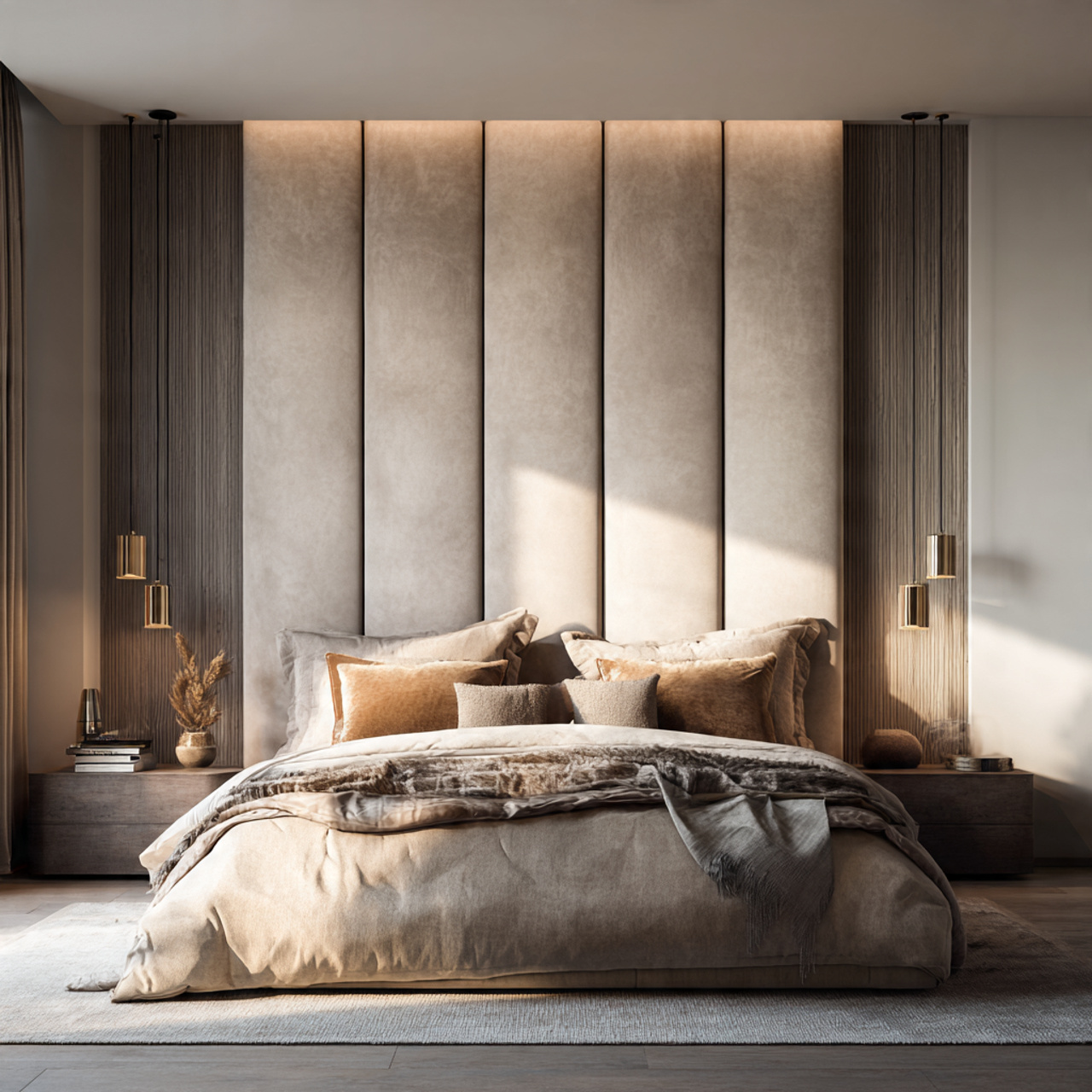
Transform Your Space with Wabi Sabi Bedroom Design
Wabi Sabi bedroom design embraces the beauty of imperfection and the peace found in simplicity, offering a retreat from the chaotic modern world. This ancient Japanese philosophy encourages us to accept the natural cycle of growth and decay, prioritizing authenticity over pristine aesthetics in our sleeping quarters.
By stripping away the unnecessary and highlighting modest materials, you can transform your space into a sanctuary that promotes deep rest. A thoughtfully curated wabi sabi bedroom does not strive for showroom perfection but instead tells a unique story through weathered textures and cherished, time-worn objects.
The Essence of a Wabi Sabi Bedroom
The core philosophy behind a wabi sabi bedroom lies in creating an environment that feels grounded, organic, and deeply personal. It moves away from the sterile look of mass-produced minimalism and leans into spaces that feel lived-in and warm. The goal is to cultivate a sense of tranquility where nothing feels forced, and every item serves a purpose or sparks joy.
Starting your journey toward a wabi sabi bedroom involves slowing down and observing the natural characteristics of your current space. It is about celebrating the cracks in a clay vase or the fraying edge of a linen throw, allowing these imperfections to anchor the room. This approach fosters a genuine connection to your surroundings and encourages a more mindful lifestyle.
Natural Material Selection

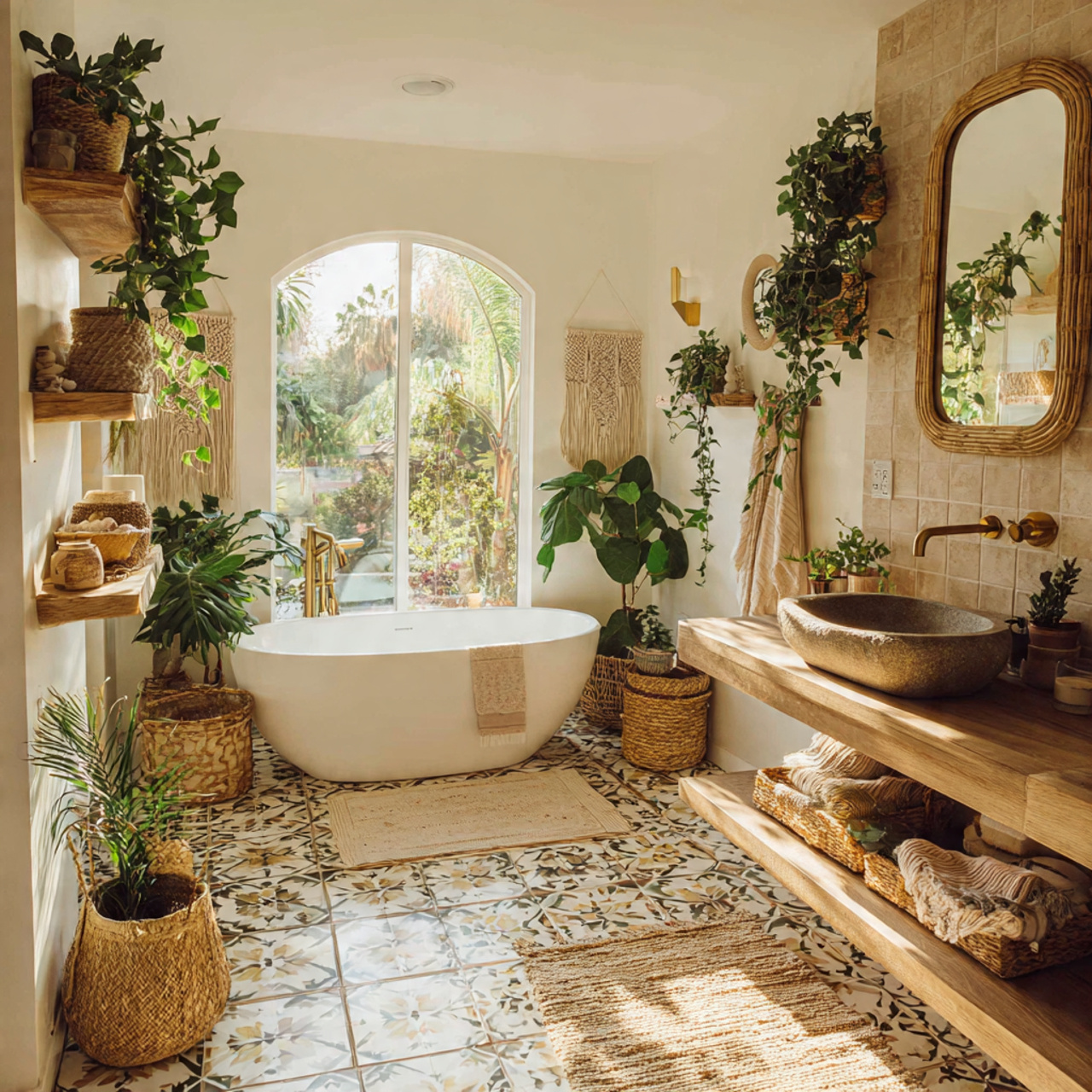
Incorporating raw, unprocessed elements is fundamental when curating a wabi sabi bedroom that feels authentic and grounding. Wood, stone, clay, and bamboo should take center stage, bringing the calming energy of the outdoors directly into your private sanctuary. These materials age gracefully over time, acquiring a patina that enhances the room’s character.
Avoid synthetic fabrics and glossy plastics that disrupt the organic flow of the space and feel cold to the touch. Instead, choose furniture and decor constructed from solid timber or woven fibers that invite tactile interaction. This connection to nature helps lower stress levels and promotes a restful atmosphere essential for sleep.
Earthy Color Palettes

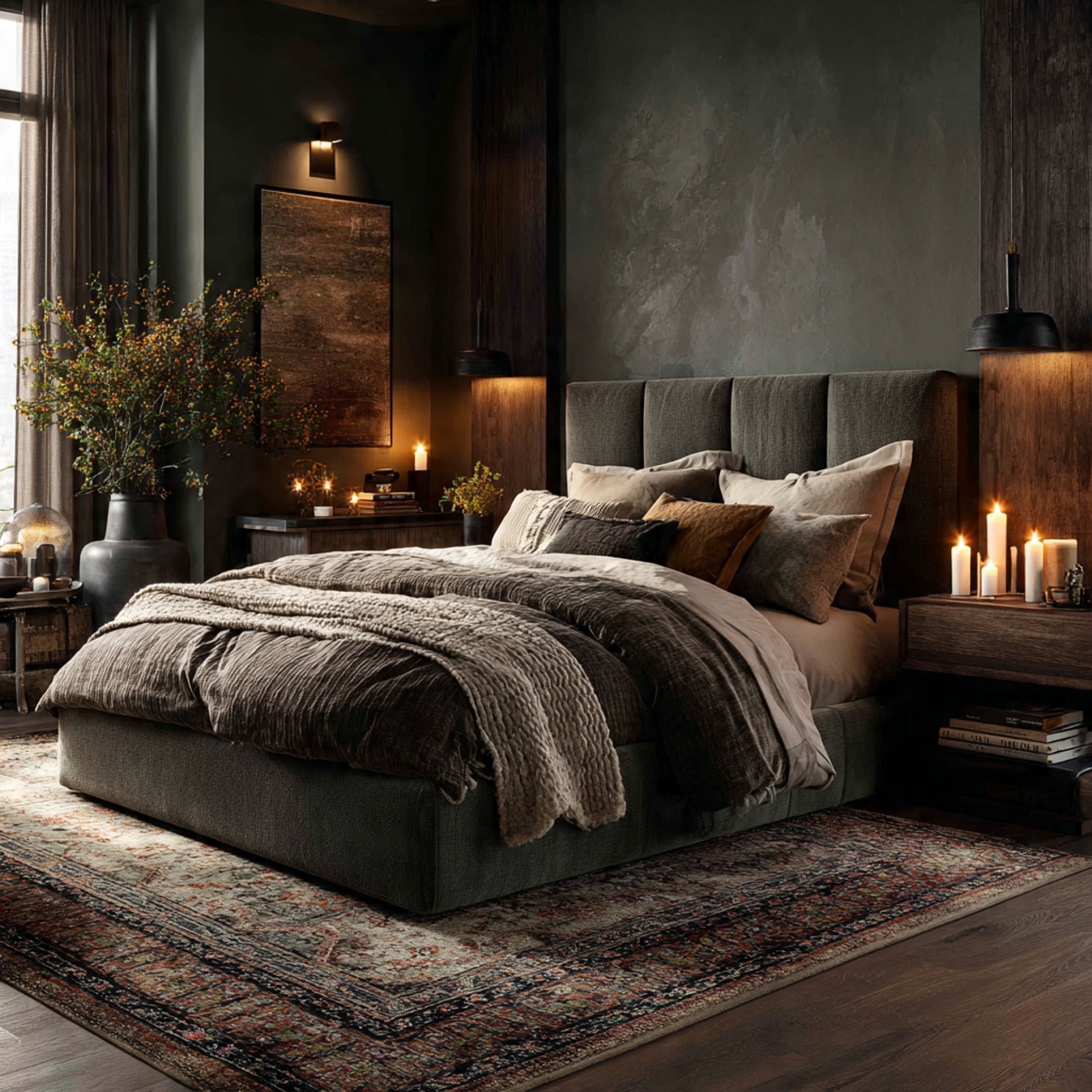
A soothing color scheme is vital for setting the right mood, and a wabi sabi bedroom typically relies on tones found in nature. Think of muted beiges, soft greys, warm creams, and desaturated browns that mimic the colors of sand, earth, and stone. These shades create a visual silence that allows the mind to relax immediately upon entering the room.
Bright, jarring colors are generally avoided as they can be stimulating and detract from the overall sense of serenity. However, you can introduce depth through darker accents like charcoal or forest green, provided they remain muted. The result is a harmonious backdrop that highlights the textures within the space without overwhelming the senses.
Imperfect Textures and Finishes

Texture is the secret ingredient that prevents a neutral wabi sabi bedroom from feeling flat or boring. Rough plaster walls, uneven ceramic glazes, and knotted wood grain add visual interest and invite you to touch and experience the space. These irregularities are not flaws but are celebrated features that define the aesthetic.
When selecting surfaces, look for items that show the hand of the maker or the passage of time. A table with a slightly uneven edge or a wall with visible brushstrokes adds a layer of humanity to the design. Embracing these textured nuances creates a cozy, enveloping atmosphere that feels far more welcoming than polished perfection.
Low Profile Platform Beds

The bed is the anchor of the room, and in a wabi sabi bedroom, a low-profile platform frame is often the preferred choice. Being closer to the ground promotes a feeling of stability and groundedness, aligning with the earth-centric principles of the style. Simple, unadorned frames made of solid wood work best to maintain visual quietness.
Eliminating bulky box springs and towering headboards opens up the vertical space, making the room feel airier and more spacious. This modest approach to furniture design ensures that the bed remains a place for rest rather than a statement of luxury. It encourages a humble perspective that is central to the wabi sabi philosophy.
Washed Linen Bedding

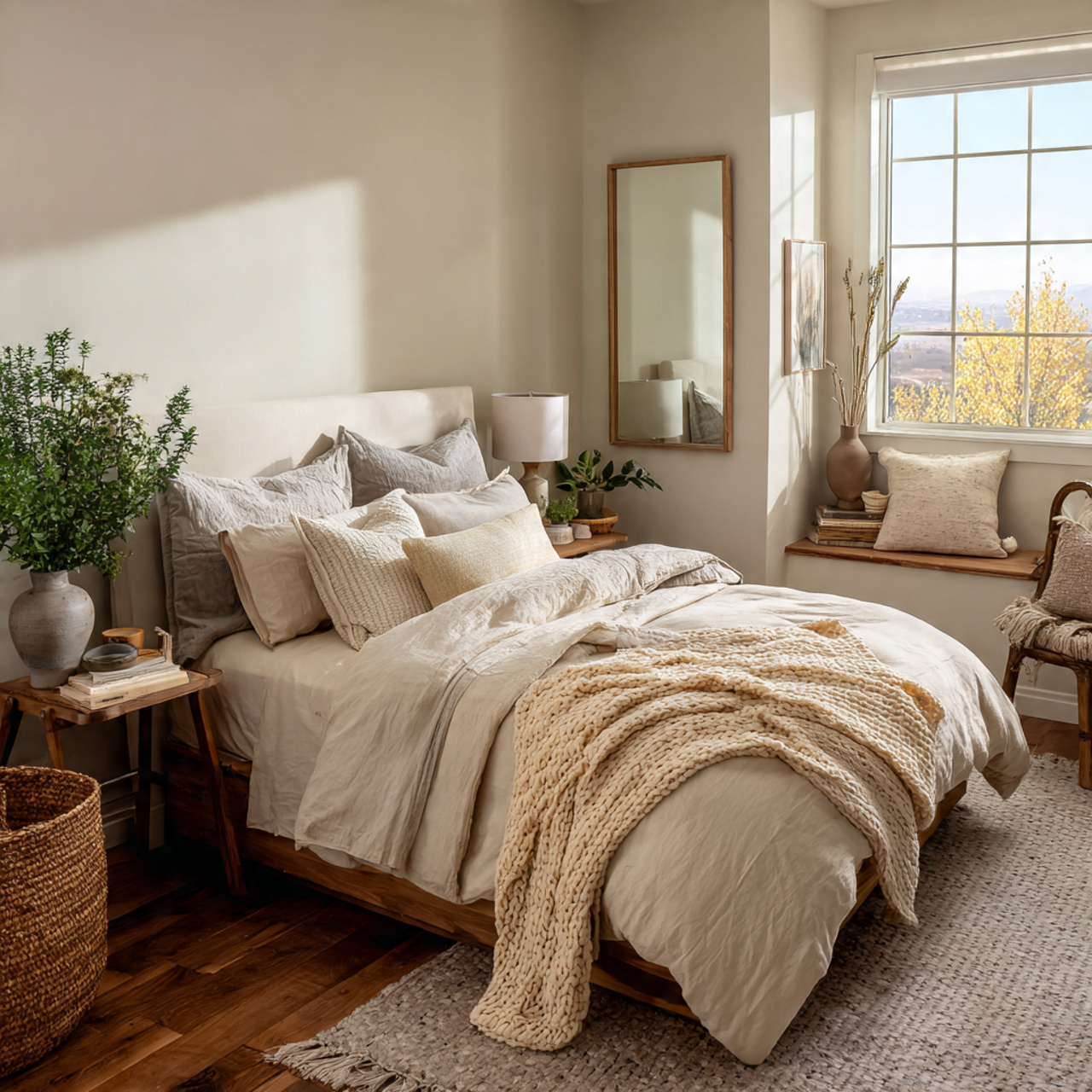
There is no fabric quite as perfect for a wabi sabi bedroom as high-quality, stonewashed linen. Its naturally crumpled texture eliminates the need for ironing, embracing a relaxed and effortless look that defines the style. Linen is also highly breathable, keeping you cool in summer and warm in winter for optimal sleep comfort.
Layering bedding in soft, complementary earth tones adds depth to the sleeping area without creating visual clutter. The tactile quality of soft linen against the skin enhances the sensory experience of going to bed. It reinforces the idea that comfort and beauty can exist in things that are simple and unrefined.
Rustic Wood Flooring

Flooring sets the foundation for the entire room, and wide-plank rustic wood is the ideal base for a wabi sabi bedroom. Imperfections in the wood, such as knots, variations in grain, and signs of wear, are highly desirable as they add history and warmth. If you have existing hardwood, consider a matte finish rather than a high-gloss seal to keep it looking natural.
For those without original wood floors, choosing engineered options with a distressed finish can achieve a similar effect. The goal is to have a floor that feels solid and warm underfoot, connecting you to the earth. Area rugs can be used for softness, but allowing the raw beauty of the wood to show is key.
Soft Ambient Lighting

Lighting in a wabi sabi bedroom should be subdued, mimicking the soft glow of candlelight or the moon. Harsh overhead fluorescent lights are jarring and disrupt the peaceful ambiance you are trying to create. Instead, focus on layered lighting using lamps with paper or fabric shades that diffuse the light gently.
Positioning light sources at lower levels helps to create a cozy and intimate atmosphere perfect for winding down. Dimmers are essential tools that allow you to adjust the brightness to match your mood and the time of day. This control over illumination helps signal to your body that it is time to rest.
Handcrafted Ceramic Decor

Accessories should be kept to a minimum, but a few well-chosen handcrafted ceramics can elevate a wabi sabi bedroom significantly. Look for vases, bowls, or sculptures that feature organic shapes and artisanal glazes. The slight asymmetry often found in handmade pottery adds a unique charm that mass-produced items lack.
These pieces serve as focal points that draw the eye and invite contemplation without cluttering the space. Displaying a single stem in a rough-hewn vase can be a powerful design statement. It reminds us of the beauty in isolation and the elegance of simple forms.
Decluttered Minimalist Spaces

Clutter is the enemy of calm, making decluttering a crucial step in designing a wabi sabi bedroom. However, this does not mean the room should feel empty or soulless; rather, it should contain only what is essential or meaningful. Removing visual noise allows the mind to settle and appreciate the beauty of the few items that remain.
Storage solutions should be discreet, hiding away daily necessities to maintain a clean and serene visual field. By curating your possessions, you create physical and mental space for relaxation. This intentional void, or “ma,” is a powerful concept in Japanese design that emphasizes the value of empty space.
Asymmetrical Arrangements

Symmetry can sometimes feel rigid and artificial, whereas asymmetry feels natural and dynamic, perfect for a wabi sabi bedroom. When arranging furniture or decor, try grouping items in odd numbers or placing objects slightly off-center. This approach mimics the random beauty found in nature, like a scattering of stones or a cluster of trees.
Balancing visual weight is more important than mirroring items on either side of the room. A tall branch in a vase on one side might be balanced by a low stack of books on the other. This fluid approach to layout creates a relaxed energy that feels effortless and evolving.
Dried Botanicals and Branches

Instead of vibrant, perfect floral arrangements, a wabi sabi bedroom often features dried botanicals, twigs, or branches. These elements represent the beauty of the natural life cycle and the elegance of decay. They add sculptural height and organic lines to the room without demanding constant maintenance.
Pampas grass, dried eucalyptus, or a simple bare branch can provide a stunning silhouette against a plain wall. These natural artifacts bring a sense of the outdoors inside in a subtle, understated way. They serve as a gentle reminder of the passing of seasons and the transient nature of life.
Vintage Weathered Furniture

Incorporating vintage or antique furniture adds a layer of history and soul to your wabi sabi bedroom. pieces that show signs of age—worn paint, softened edges, or sun-faded wood—carry stories that new furniture cannot replicate. These imperfections make the space feel established and deeply comforting.
Rather than refinishing a weathered dresser to look brand new, preserve its patina to honor its journey. Mixing these older pieces with simpler modern elements creates a rich, textured dialogue within the room. It reinforces the value of sustainability and the beauty of longevity.
Neutral Tone Layering

Creating a monochromatic or neutral scheme requires skill in layering to prevent the room from looking dull. In a wabi sabi bedroom, you achieve this by mixing various shades of the same color family. For instance, combine oatmeal, taupe, and deep brown to create a rich tapestry of neutral hues.
This technique adds visual depth and complexity while maintaining a cohesive and calm palette. The subtle shifts in tone capture light differently throughout the day, altering the room’s mood. It is a sophisticated way to add interest without resorting to bright colors or busy patterns.
Visit Also : Scandinavian Bedroom Ideas
Unfinished Concrete Elements

Concrete might seem industrial, but in its raw, unfinished state, it fits perfectly into the wabi sabi aesthetic. A concrete bedside table, planter, or even an exposed wall adds a cool, tactile contrast to warmer materials like wood and linen. Its porous, imperfect surface highlights the beauty of raw construction materials.
The grey tones of concrete work harmoniously with the earthy color palette typical of a wabi sabi bedroom. It provides a solid, grounding element that feels permanent and substantial. When softened with textiles, concrete becomes an unexpectedly cozy feature of the design.
Organic Curved Shapes

Nature rarely produces perfectly straight lines, so incorporating organic curves helps soften the look of a wabi sabi bedroom. Rounded mirrors, curved armchairs, or oval rugs break up the rigidity of square rooms. these shapes promote a gentle flow of energy and movement throughout the space.
Curved forms are visually soothing and subconsciously make a room feel safer and more welcoming. They invite relaxation and contrast beautifully with the structural lines of architecture. embracing these softer silhouettes contributes to the overall feeling of fluidity and ease.
Sustainable Decor Choices

Sustainability is inherently linked to wabi sabi, which values longevity, repair, and natural materials. Choosing eco-friendly products for your wabi sabi bedroom ensures that your sanctuary respects the planet. Look for items made from reclaimed wood, recycled glass, or organic fibers that have a low environmental impact.
Investing in quality pieces that are meant to last reduces the cycle of consumption and waste. It aligns your living space with values of mindfulness and respect for nature. This conscious approach to decorating adds a layer of ethical beauty to the physical aesthetics of the room.
Muted Clay Walls

Standard white paint can sometimes feel too stark for a cozy retreat, making muted clay or lime wash finishes a better option. These treatments add depth and texture to the walls of a wabi sabi bedroom, creating a cloudy, dreamlike effect. The subtle movement in the wall finish catches the light in a way that flat paint cannot.
Earthy tones like terra cotta, sage, or sand applied with a textured finish envelop the room in warmth. This technique mimics the walls of traditional mud huts or old stone cottages, evoking a sense of shelter. It transforms the walls from mere boundaries into integral design elements.
Cozy Wool Throws

As the seasons change, adding layers of warmth is essential, and chunky wool throws are perfect for this purpose. A heavy knit blanket draped casually over the foot of the bed adds texture and invites snuggling. In a wabi sabi bedroom, choose wool in its natural, undyed state for the most authentic look.
The tactile contrast between smooth linen sheets and rough wool creates a rich sensory experience. These throws provide practical warmth while serving as beautiful, functional decor. They reinforce the concept of the bedroom as a place of comfort and protection.
Stone Accent Pieces

Stone brings the grounding energy of the earth directly into your home, making it a powerful element in wabi sabi design. A river stone used as a doorstop, a slate tray, or a marble side table adds weight and permanence. These elements in a wabi sabi bedroom serve as anchors that connect the interior to the geological world.
The cool touch and rugged surface of stone contrast pleasingly with softer textiles in the room. Each stone carries a unique pattern and shape formed over millennia, adding to the room’s unique narrative. It is a celebration of nature’s ability to create art without human intervention.
Japanese Shoji Screens

For dividing space or covering windows, traditional Japanese Shoji screens are an iconic addition. The translucent rice paper allows soft, diffused light to enter while maintaining privacy. In a wabi sabi bedroom, they add a layer of cultural authenticity and architectural interest.
The grid pattern of the wood frame provides a geometric counterpoint to the organic shapes elsewhere in the room. They are lightweight and movable, allowing for flexible use of space. Shoji screens embody the balance between light and shadow that is central to the aesthetic.
Exposed Ceiling Beams

If your architecture allows, exposing wooden ceiling beams can dramatically transform the feel of the room. The raw timber overhead adds architectural character and rustic charm suitable for a wabi sabi bedroom. It draws the eye upward, emphasizing the volume of the space while adding warmth.
Even in modern homes, faux beams made from reclaimed wood can be installed to achieve this look. They break up a large, flat ceiling and add a sense of history and structure. This architectural detail fosters a sense of being sheltered in a cabin or traditional home.
Meaningful Personal Artifacts

While the style is minimalist, it is not devoid of personality; it cherishes items with sentimental value. A small collection of meaningful artifacts on a shelf can make your wabi sabi bedroom feel deeply personal. These should be items that you truly love, perhaps a stone from a special trip or a gift from a loved one.
The key is curation; displaying too many items dilutes their significance. By giving each object space to breathe, you honor its importance in your life. This practice turns your bedroom into a gallery of your personal memories and values.
Simple Window Treatments

Windows should be dressed simply to maximize natural light and maintain a connection to the outdoors. Heavy, ornate drapes are replaced with sheer linen curtains or simple bamboo blinds in a wabi sabi bedroom. These treatments filter light gently, creating a soft, hazy glow during the day.
The movement of light and shadow across the room is considered a dynamic decoration in itself. By keeping window coverings minimal, you invite the changing weather and seasons to be part of your interior experience. It blurs the boundary between inside and outside.
Textured Jute Rugs

Jute and sisal rugs are excellent flooring choices that add significant texture and durability. Their rough, woven surface feels organic and provides a neutral base for the rest of the decor. In a wabi sabi bedroom, a large jute rug can anchor the bed and define the sleeping zone.
These natural fibers are sustainable and biodegradable, aligning with the eco-friendly ethos of the style. The golden-brown hues of jute warm up the floor and complement wooden furniture perfectly. They bring a raw, rustic elegance that is both humble and stylish.
Mindfulness and Zen Corners
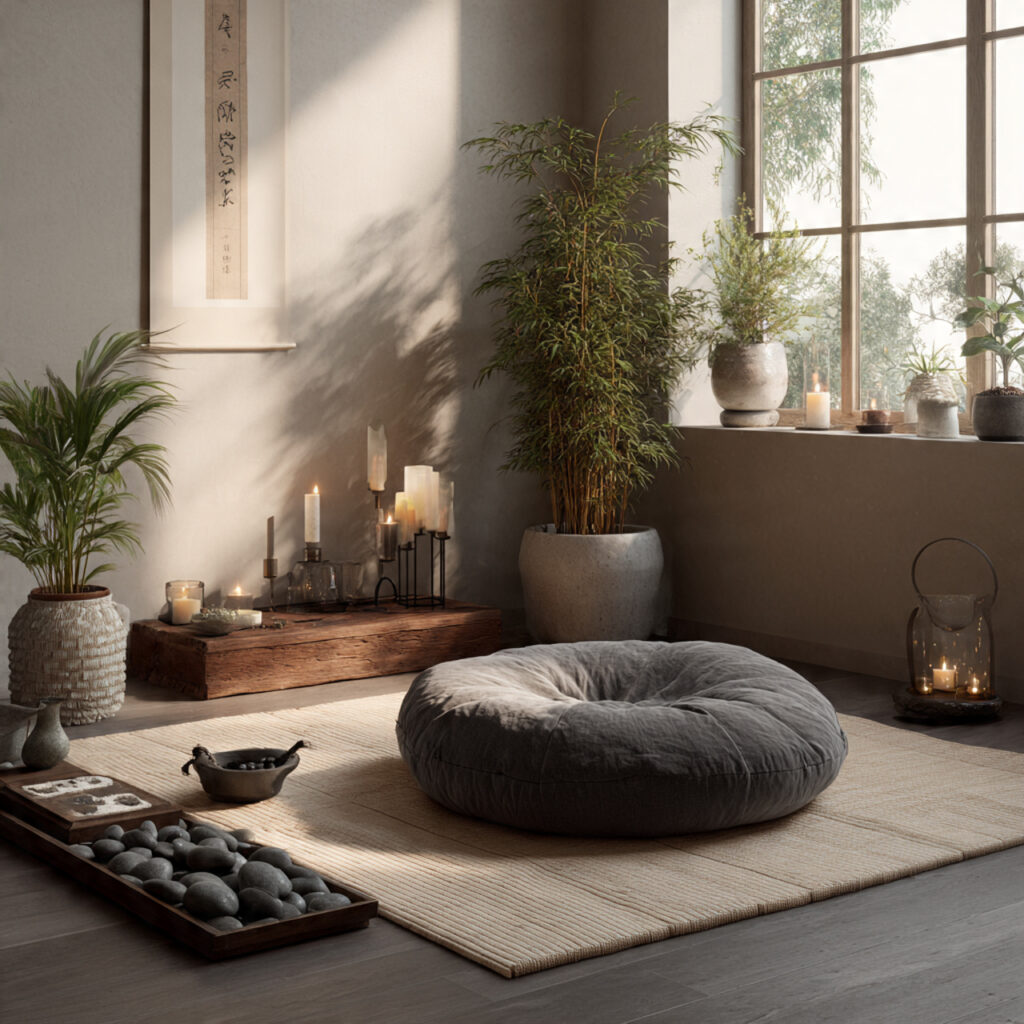
Dedicating a small corner of your room to mindfulness or meditation can enhance the peaceful vibe. A simple floor cushion, a low table, and a candle are all you need to create a zen zone in your wabi sabi bedroom. This physical space serves as a daily reminder to pause and breathe.
This area reinforces the intention of the bedroom as a sanctuary for mental and spiritual rest. It does not need to be elaborate; its power lies in its purpose. Having a dedicated spot for quiet reflection supports a lifestyle of intentionality.
Reclaimed Wood Headboards

A headboard made from reclaimed wood creates a stunning focal point that is rich in texture and history. The nail holes, saw marks, and weathering on the wood are celebrated features in a wabi sabi bedroom. It transforms the bed into a piece of art that anchors the entire room.
This choice is sustainable and prevents old timber from ending up in landfills. The warm tones of the wood contrast beautifully with crisp white or grey bedding. It brings a rugged, protective feel to the head of the bed.
Matte Metal Fixtures
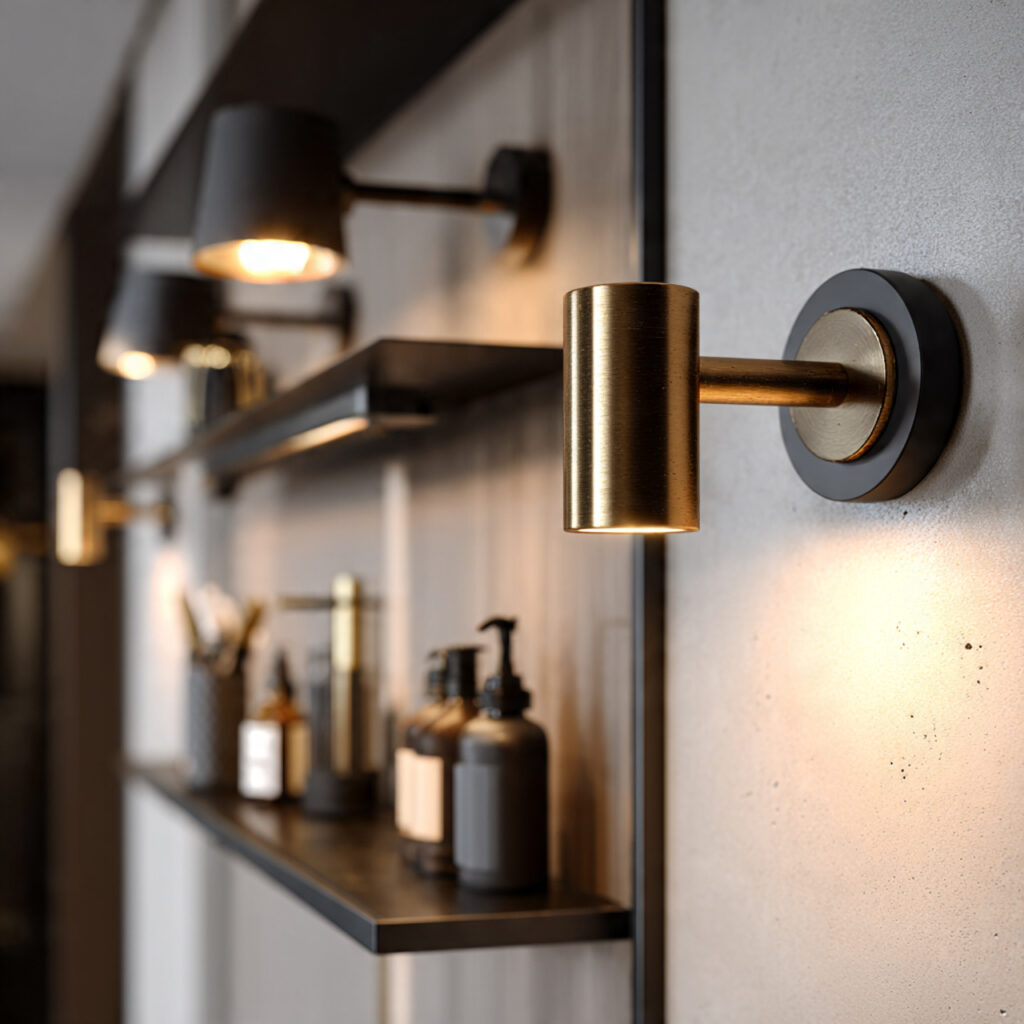
When metal is used, it should have a matte, brushed, or patinated finish rather than a high shine. Brass that has darkened with age or matte black iron hardware suits the wabi sabi bedroom aesthetic perfectly. These finishes absorb light rather than reflecting it, maintaining the room’s soft ambiance.
Hardware on drawers, light fixtures, or curtain rods should feel substantial and functional. The lack of polish suggests utility and age, which is consistent with the philosophy. It is a subtle detail that contributes to the overall cohesive look of the space.
FAQs About Wabi Sabi Bedroom
What are the key elements of a Wabi Sabi bedroom?
The key elements include the use of natural materials like wood and stone, a neutral and earthy color palette, and an appreciation for imperfection. Textures play a huge role, with linen, wool, and rough ceramics taking precedence over smooth, shiny surfaces. The space should be decluttered but personal, featuring modest furniture and meaningful, time-worn decor.
How does Wabi Sabi differ from standard minimalism?
While both styles value simplicity and a lack of clutter, standard minimalism often strives for perfection, symmetry, and sleek, modern lines. In contrast, a wabi sabi bedroom embraces asymmetry, roughness, and the natural aging process of materials. It feels warmer and more organic, prioritizing emotional comfort and authenticity over a pristine, showroom appearance.
Can I combine Wabi Sabi with other interior design styles?
Yes, this aesthetic blends beautifully with other styles, particularly Scandinavian design (often called “Japandi”) and industrial styles. The clean lines of Nordic design complement the rustic warmth of wabi sabi perfectly. You can also mix it with bohemian elements by adding more plants and textiles, provided the color palette remains grounded and earthy.
Is it expensive to create a Wabi Sabi aesthetic?
Creating this look can be very budget-friendly because it values old, weathered, and repurposed items over brand-new luxury goods. You can find perfect pieces for your wabi sabi bedroom at thrift stores, flea markets, or even in nature. The focus is on quality and simplicity, meaning you buy fewer items and keep them for longer.
What colors are best for a Wabi Sabi inspired room?
The best colors are those drawn directly from nature to create a calming atmosphere. Focus on warm whites, creams, soft greys, beige, taupe, and earthy browns. You can add depth with muted shades of green, rust, or charcoal, but avoid bright, synthetic, or neon colors that disrupt the visual peace.
Conclusion
Designing a wabi sabi bedroom is more than just a decorating project; it is a commitment to a slower, more mindful way of living. By embracing natural materials, soothing colors, and the beauty of imperfection, you create a space that genuinely nourishes your soul. This sanctuary allows you to disconnect from the demands of the outside world and find rest in simplicity. Ultimately, the perfect bedroom is one that accepts you as you are, flaws and all, offering a peaceful embrace at the end of every day.